Best Bargain Bookshelf Speakers 2026: Passive or Powered Guide
Disclosure: We may earn a commission when you buy through links on this page, at no extra cost to you. As an Amazon Associate I earn from qualifying purchases. Learn more
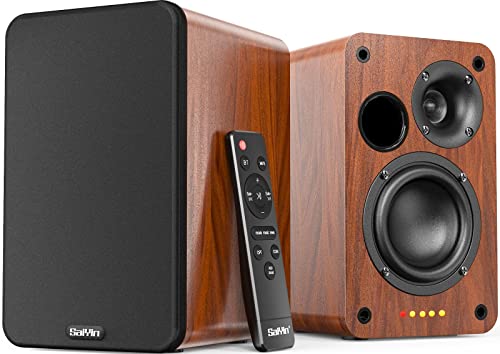
The best bargain bookshelf speakers give clear sound in a small room. Learn how passive and powered pairs differ and what to prioritize.
The best bargain bookshelf speakers prove that a small budget can still buy clear, balanced sound for a desk, bedroom or small living room. At this price you are not chasing deep bass or huge volume. You are looking for a clean midrange, a smooth treble and a build that does not rattle.
This guide explains passive and powered pairs, the specs worth checking, how to place speakers for better sound and what to look for in the product table.
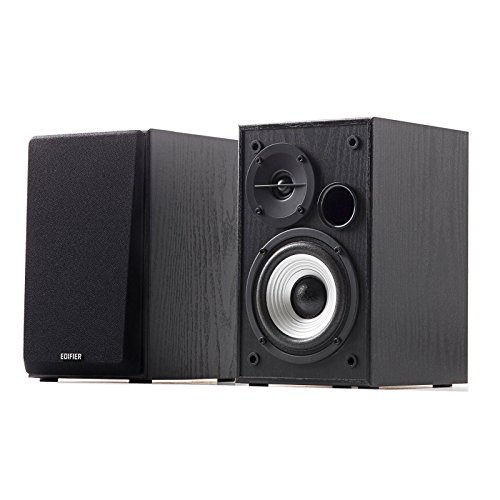


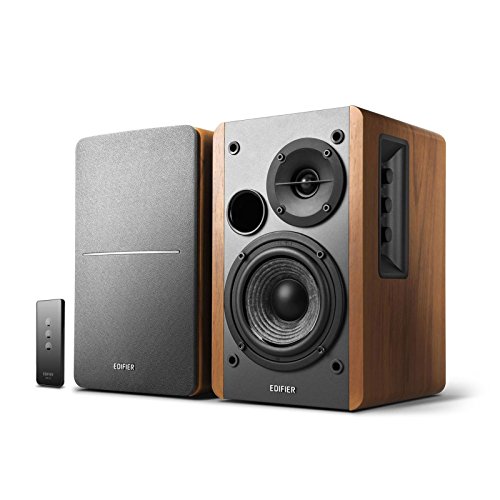
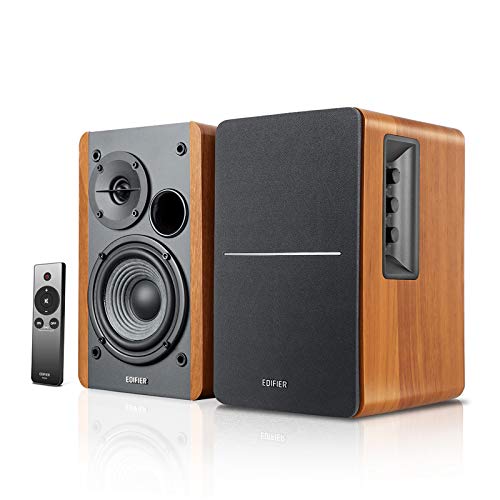
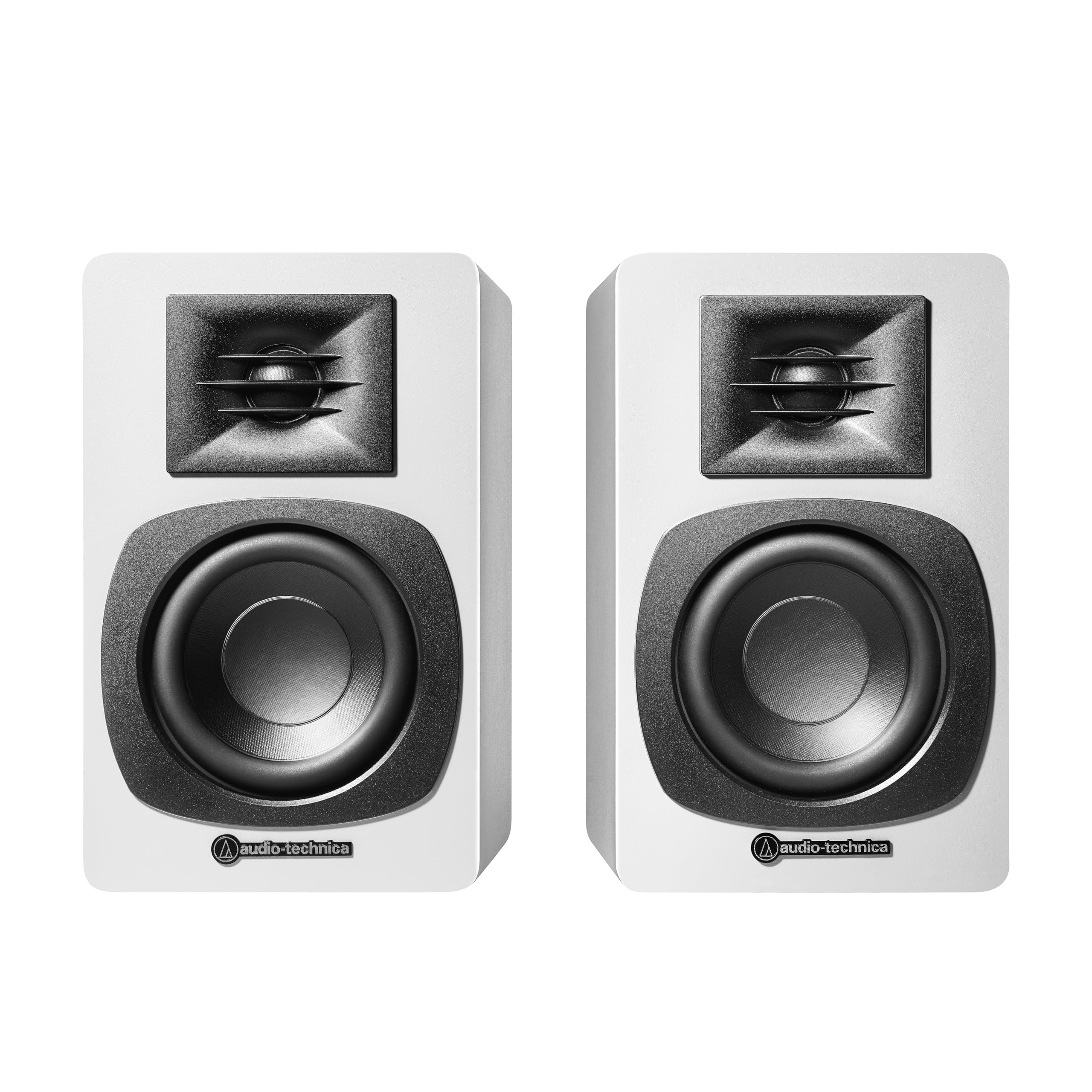

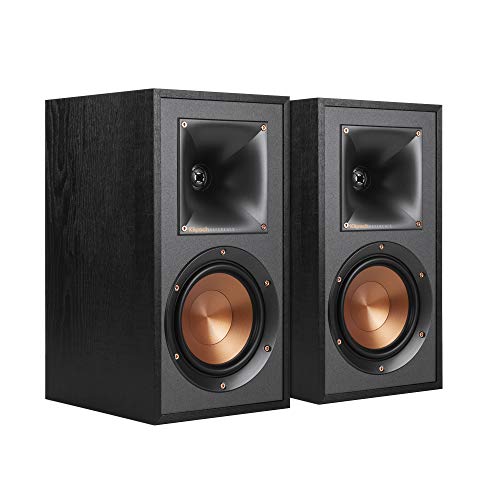

Who Should Buy Bargain Bookshelf Speakers
They suit students, first time stereo buyers, home office users and anyone furnishing a small room who wants better sound than a TV, laptop or small Bluetooth speaker provides. They also suit people who want to pair speakers with a turntable or streamer. Large rooms and parties need bigger floor standing speakers or a subwoofer, so set expectations for bass in a compact cabinet.
Passive or Powered
Powered pairs
Built in amplification makes them the simplest choice. Plug in a source, such as a computer, TV or phone, and play. Many include Bluetooth, optical and RCA inputs. They suit desks and bedrooms, and they remove the need to buy a separate amplifier.
Passive pairs
Passive speakers need a separate stereo receiver or amplifier, and they often give the best sound per dollar if you already own one. Check that the amplifier's power and impedance match the speakers. They suit people building a stereo system over time.
Compact pairs for small rooms
Smaller cabinets fit tight shelves and desks. They have less bass but clear mids and highs, which suits nearfield listening, voices and podcasts.
Features to Check
- Driver and cabinet quality: judge clarity rather than loudness. A solid cabinet reduces rattle and colouration.
- Amplification: powered pairs include it, passive pairs do not.
- Inputs: match inputs to your sources, such as optical for a TV, RCA or AUX for a computer, or Bluetooth for wireless.
- Size and placement: measure your shelf or desk and leave room around the speakers for the sound to breathe.
- Controls: volume and tone knobs on the front are easier than buttons on the back.
Placement and Room Tips
Place speakers at ear height, roughly level with your listening position, and angle them slightly towards you. Keep them a few inches from walls where possible, because boundary effects can make bass boomy. Small stands or isolation pads reduce desk vibration and improve clarity. Sit at about the same distance from each speaker for a clear stereo image. Rooms with hard floors benefit from a rug or curtains, which tame echo.
Sound Expectations on a Budget
Small bargain speakers usually offer modest bass, which suits music and television dialogue well. If you want more low end, add a subwoofer later or place the speakers near a wall to reinforce bass. Listen to familiar music when testing, because known tracks make clarity easier to judge. Do not buy on wattage alone: a higher number does not guarantee better sound, and it is easy to distort cheap speakers at high volume.
Desk, Shelf or Stand
Desk listening is nearfield: you sit close, so speakers can be small and volume low. Tilt them up slightly if they sit below ear level. On a bookshelf, pull them forward from the books so the sound is not muffled, and avoid enclosed cubbies that boom. Stands put speakers at the right height and decouple them from furniture, which tightens bass. Whatever you choose, keep the tweeters pointed at your ears.
Connecting Your Sources
Most powered pairs offer several input types, so decide how you will use them. A TV usually connects by optical or ARC, a computer by AUX or USB, and a phone by Bluetooth. Turntables need either a built in phono stage or a separate preamp. If you want to stream music, consider a pair with Bluetooth or a small network streamer. Long cables can pick up noise, so keep runs short and tidy, and use good quality speaker wire for passive pairs.
Care and Longevity
Dust the cabinets and grilles with a soft dry cloth and keep drinks and plants away. Do not push the volume until the sound distorts, because clipping can damage small drivers. Move powered speakers away from heat sources and leave space for ventilation. Over time, check cable connections and replace worn ones. Well treated speakers last many years, long after phones and TVs have been replaced.
Budget and Value
Entry level powered pairs cost the least and suit desks and casual listening. Mid priced pairs add better drivers, more inputs and a more refined sound. A well reviewed basic pair placed correctly often outperforms a more expensive pair that sits in a bad spot. Check warranty and return terms, because speakers are easier to judge by ear after a few days of listening.
Common Mistakes to Avoid
- Buying on wattage alone.
- Placing speakers flat against a wall without listening.
- Forgetting to check amplifier needs for passive pairs.
- Ignoring inputs your TV or computer actually offers.
Related Guides
See best bookshelf speakers, best bargain Bluetooth speakers, best powered bookshelf speakers, best amplified bookshelf speakers and best vinyl bookshelf speakers.
Frequently Asked Questions
Are cheap bookshelf speakers worth buying?
Yes, when you choose a well reviewed pair and place it well. Room placement often matters more than the price tag.
Should I choose passive or powered speakers?
Powered speakers are simpler and need no extra amplifier. Passive speakers can sound better per dollar if you already own an amplifier.
How much bass can I expect?
Modest bass that suits music and TV dialogue. A subwoofer can add low end later if you want it.
What inputs do I need?
Match inputs to your sources: optical for a TV, AUX or RCA for a computer, Bluetooth for phones, and phono if you use a turntable with a preamp.
Where should I place bookshelf speakers?
At ear height, angled towards you and a few inches from the wall. Avoid tight corners.
Final Thoughts
Pick the amplification style that fits your setup, check inputs and size, and place the speakers carefully. The best bargain bookshelf speakers offer clear, balanced sound without a big spend, and the product table is a good starting point for your shortlist.