Best Bookshelf Speakers for Jazz at Every Price: What Your Money Really Gets You for 2026
Disclosure: We may earn a commission when you buy through links on this page, at no extra cost to you. As an Amazon Associate I earn from qualifying purchases. Learn more

Compare the best bookshelf speakers for jazz by price tier and learn which drivers, tuning, and placement choices keep horns and piano sounding natural.
Jazz exposes weak speakers quickly, because brushed drums, upright bass, piano, and horns all live in the details. Prices for a suitable pair run from around $100 to well past $1,000, and the gap is not always audible. This guide to the best bookshelf speakers for jazz sorts spending by tier, so you know what each level should deliver.
You will learn which specs protect the tone of acoustic instruments and which extras add cost without helping the music. Start with the comparison table below, then match your budget to the tier guidance that follows.


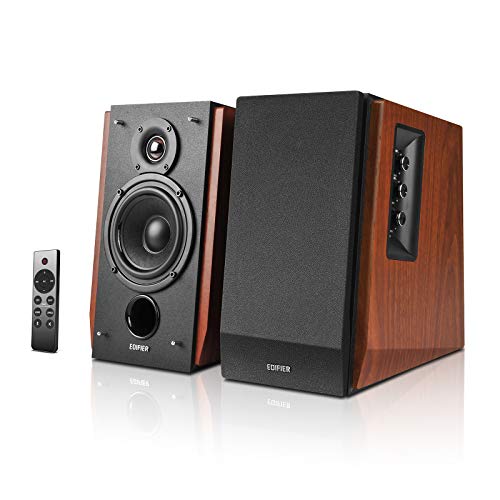

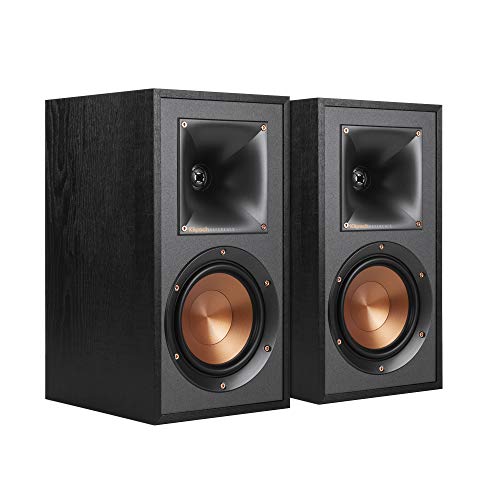

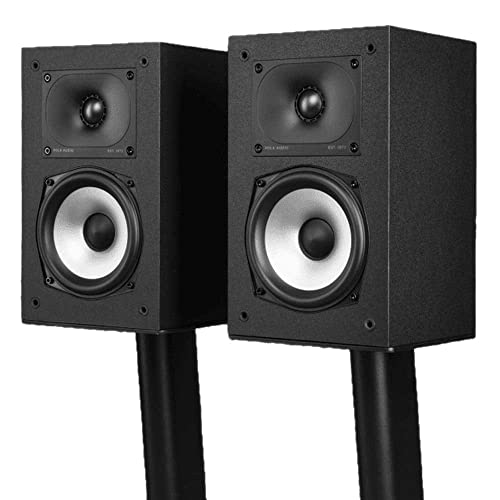
Three Budget Approaches for Jazz Listeners
Instead of naming single models, this section describes the kind of pair that earns its price at each level. Judge any listing against these descriptions and the jazz specific tests in them.
The Budget Approach
A good budget pair, around $100 to $200, gives you clear midrange and polite bass that will not swamp small rooms. Piano and vocals should sound present, even if the deepest bass notes feel light. You give up wide soundstage and finish quality, and Bluetooth may be basic. This tier suits a first jazz setup in a bedroom or study, especially if you mostly stream and listen at modest volume in the evening.
The Midrange Approach
Midrange pairs, around $250 to $500, are the sweet spot for most jazz fans. Expect larger woofers, calmer treble, and a wider sense of space, so a saxophone sits apart from the piano instead of blending into it. Better cabinets cut the boxy color that budget boxes add to horns. This tier also brings useful inputs like optical for a TV or CD player, which makes one pair serve your whole room.
The Premium Approach
Premium pairs, about $600 to $1,200 and above, buy refinement rather than loudness. Cymbal shimmer lasts longer, upright bass gains texture, and quiet passages stay clear at low volume. Build quality, finish, and driver materials all improve, and stands often become a worthwhile partner purchase. The trade off is honesty, since fine speakers reveal poor recordings. Buy at this level when your collection and your room deserve it, not as a first step.
What Your Money Gets You at Each Price Tier
Budget Tier: What to Expect
At budget prices you get the essentials done simply. Woofers around 4 to 5.25 inches keep cabinets compact, tuning often lifts bass slightly to feel warm, and controls are minimal. For jazz, that warmth can blur double bass lines, so use tone controls sparingly and pull the speakers off the wall. Streaming listeners lose little here, because recordings and room size limit the sound before the speakers do. Our guide to the best bargain bookshelf speakers covers this tier in more depth.
Midrange Tier: The Sweet Spot for Most Buyers
Midrange money buys driver control, which is what jazz needs most. Bass notes start and stop cleanly, horns keep their edge without turning harsh, and the pair plays a full evening at natural volume without strain. You also gain flexible inputs and often a remote, which matters when the speakers serve music and films. Most listeners who upgrade from budget stop here happily, because the gains per extra dollar shrink beyond this point.
Premium Tier: When Spending More Pays Off
Spending more pays off when you listen closely, often, and in a treated room. Premium drivers and crossovers keep complex passages tidy, so a busy big band recording stays readable at the climax. Finish and cabinet weight also step up, which suits a main living room. If your room echoes or your source is a basic phone stream, fix those first, because premium speakers will simply show you those limits in finer detail.
Features Worth Paying For and Ones to Skip
Features That Matter for Jazz
Jazz asks for even midrange, gentle treble, and controlled bass more than deep bass. Look for woofers around 5.25 to 6.5 inches in medium rooms, a tweeter described as smooth rather than bright, and a tuning that avoids heavy bass boost. Stereo imaging matters too, since a good pair places each instrument in its own spot. If you compare with full range options, our guide to the best speakers for jazz explains the same priorities at larger sizes.
Placement and Room Size for Speakers
Placement is a free upgrade that many buyers ignore. Set the speakers at ear height, angle them toward your seat, and keep them about 6 to 10 feet apart in a typical room. Rear ported models need space from the wall, while front ported models forgive closer placement. A rug and curtains tame the echo that makes cymbals splashy. Listeners building a first full setup can start from our guide to the best bookshelf speakers for sizing basics.
Sound Quality and Tuning
Tuning decides whether jazz feels relaxed or tiring. A slightly warm balance flatters older recordings, while a neutral balance suits modern audiophile pressings and streams. Avoid strongly boosted treble, which turns brushwork into hiss over a long session. Simple tone knobs or a mild EQ in your app let you trim bass for corner placement. When reading spec sheets, a claimed response with a stated decibel range is more believable than a bare wide range with no limits given.
Long Term Costs to Factor In
The pair itself is only part of the spend. Stands often cost around $60 to $150, cables and pads add a little more, and passive pairs need an amplifier, which can add about $100 to $300. Powered models fold that cost in, and our guide to the best powered bookshelf speakers explains the trade off, while our guide to the best amplified bookshelf speakers covers the same built in power idea under its other common name. Budget for the full working setup, not the box price alone.
Bookshelf Speakers for Jazz: Your Questions Answered
What features matter most in bookshelf speakers for jazz?
Even midrange, controlled bass, and smooth treble matter most for jazz. Those traits keep piano, horns, and voices natural and separate. A point buyers overlook is dynamic ease, meaning the speaker stays clear when a quiet solo suddenly turns loud. You can test this in store with a track that opens softly and builds, because a pair that strains early will tire you during long evening sessions at home.
Wired or wireless bookshelf speakers for jazz: which sounds better?
Wired sounds better for serious jazz listening, because it avoids compression and keeps timing steady. That said, a good Bluetooth link handles casual streaming well, and convenience often decides which system gets used daily. A useful extra check is whether the speaker remembers your phone pairing, since re pairing every session discourages use. Many listeners wire a CD player or streamer for albums and keep Bluetooth for quick samples from friends.
Wrapping Up
For jazz, spend first on even tuning and driver control, then on placement, and only then on premium finish. Budget pairs start the habit, midrange pairs satisfy most listeners for years, and premium pairs reward treated rooms and close listening. With that order clear, the best bookshelf speakers for jazz at your price will stand out, so compare finalists in the product table above and choose the pair your room deserves.