Best Bookshelf Speakers for Low Volume Listening by Budget: Smart Picks for 2026
Disclosure: We may earn a commission when you buy through links on this page, at no extra cost to you. As an Amazon Associate I earn from qualifying purchases. Learn more
Learn how to choose the best bookshelf speakers for low volume listening with clear budget tiers, key specs, and a simple checklist for quiet rooms.
Prices for shelf speakers stretch from under $100 to well past $1,000, and the most expensive pair is rarely the clearest pair at a whisper. If you want the best bookshelf speakers for low volume listening, your money should go toward clarity at low levels, not raw power you will never use. This guide sorts the budget tiers, explains which features still matter when the volume knob stays down, and shows you where spending more truly helps. Start with the comparison table below, then use the tiers to narrow your short list.
Low level listening is a specific job. At quiet levels your ears hear bass and treble less strongly, so a speaker that sounds flat and dull at night may sound fine at midday volume. Good quiet listening speakers keep voices present, keep bass notes defined rather than boomy, and let you follow lyrics without reaching for the remote.


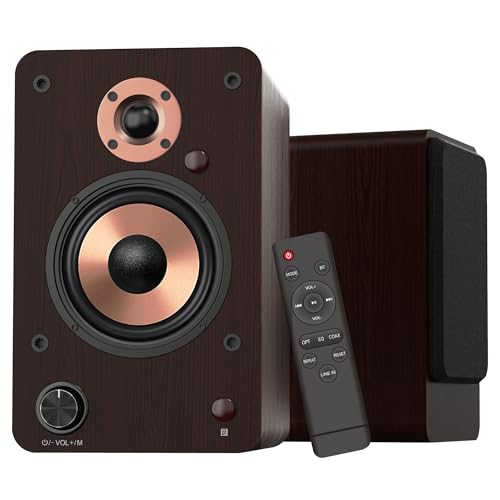


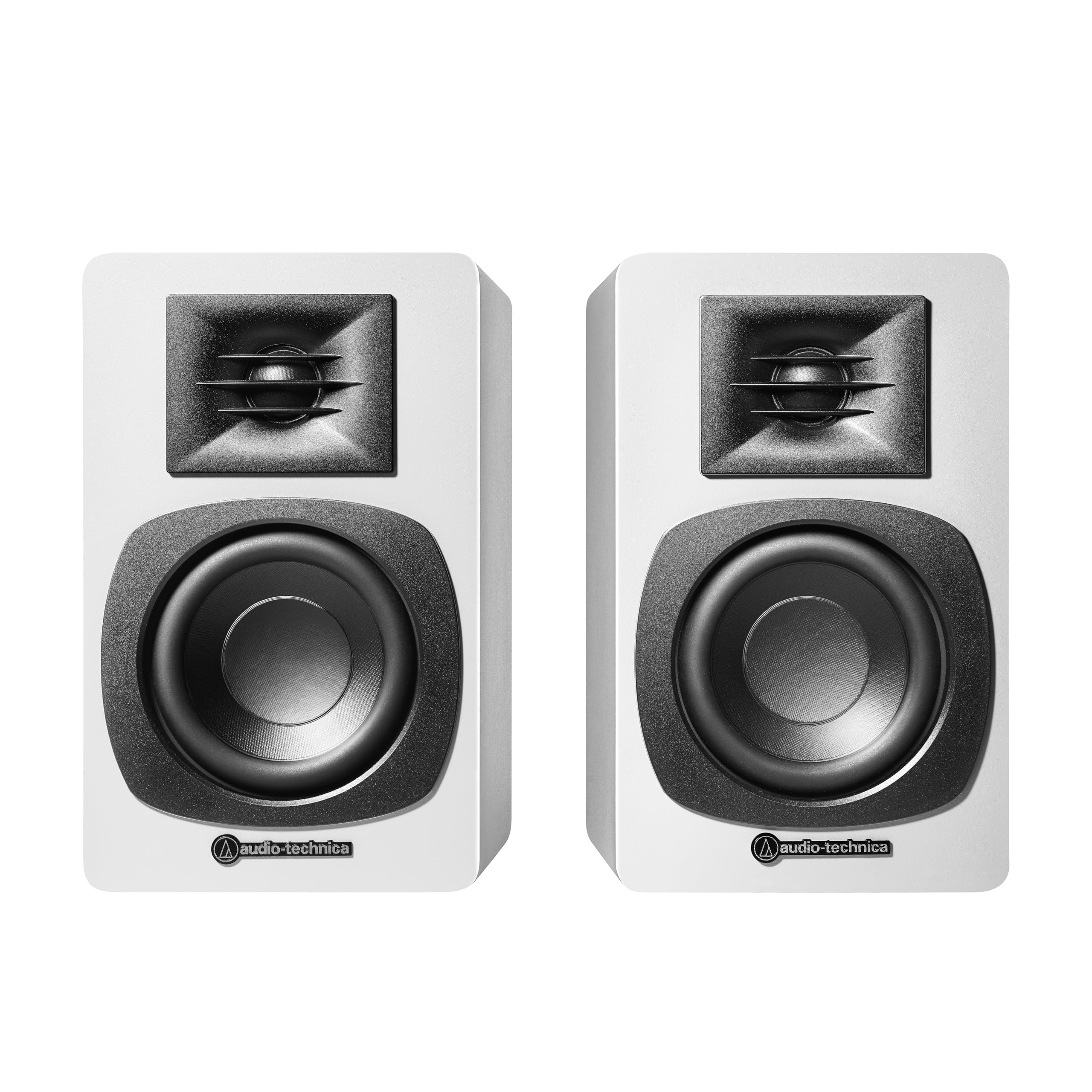
Budget Tiers at a Glance: Who Each Level Suits
Budget Tier Listeners
A budget pair suits you if you listen mostly at a desk, in a bedroom, or in a small apartment where volume stays modest by choice or by courtesy. At this level you are buying basic clarity and a compact cabinet, not deep bass or fancy finishes. A simple powered pair removes the need for a separate amplifier, which keeps total cost and clutter down. If your source is a phone or a laptop and your room is small, this tier covers most of your real needs without waste.
Midrange Tier Listeners
The midrange suits you if quiet listening is your main listening, not an afterthought. You get better drivers, calmer cabinets, and tone controls or a loudness style setting that restores bass balance at low levels. Dialogue in films stays easier to follow, and soft acoustic music keeps its texture instead of turning thin. If you listen every evening at modest levels, this is the tier where extra money buys something you will hear every single session.
Premium Tier Listeners
A premium pair suits you if your room is larger, your standards for vocal realism are high, or you plan to keep the speakers for many years across several rooms and systems. You pay for refined treble, low distortion at all levels, and build quality that resists cabinet vibration. What you do not get is louder bass drama, and you do not need it. Buy at this level for polish and longevity, not for features on a spec sheet that you will never open.
What Your Money Gets You at Each Price Tier
Budget Tier: What to Expect
Budget pairs usually cost around $80 to $180. Expect a small woofer, a basic tweeter, and a plastic or thin wood cabinet that can add a slight buzz on bass heavy notes. Inputs are simple, often one analog input plus Bluetooth on powered models. Sound at low volume is clear enough for speech and light music, but soft bass lines may fade. Spend here only if the room is small and your expectations stay modest and realistic.
Midrange Tier: The Sweet Spot for Most Buyers
Midrange pairs usually cost around $200 to $450 and deliver the largest jump in quiet listening quality. Cabinets feel solid and knock with a dull thud, drivers resolve small details, and many powered models add remote control plus tone adjustment. At low levels you hear the body of a piano note and the breath in a vocal, not just the outline. For most buyers comparing options like the best low volume bookshelf speakers, this tier is where value and performance meet.
Premium Tier: When Spending More Pays Off
Premium pairs usually cost around $500 to $1,000 or more. The gains are subtle but real: smoother treble that never turns harsh during long evening sessions, tighter bass that stays articulate at a murmur, and crossovers that keep voices locked in the center of the sound. Finish quality and driver materials improve as well. The law of small returns applies, so audition or buy with a return option if you can, and judge the pair at your normal quiet level, not at showroom volume.
Features Worth Paying For (and Ones to Skip)
Connectivity (Bluetooth Version, Codecs, Wired)
A wired connection remains the most reliable path for quiet listening because it adds no compression and no dropouts during soft passages. Bluetooth 5.3 with AAC or aptX is fine for phones and tablets at close range, and LDAC can help with high quality files if your phone supports it. Multipoint pairing is handy if you switch between a laptop and a phone. Skip paying extra for exotic codecs if your source apps stream at standard quality anyway.
Features That Matter for Low Volume Listening
Two things matter most. First, look for tone controls, an equalizer, or a loudness setting, because boosting bass and treble slightly at low volume restores the balance your ears lose at quiet levels. Second, favor speakers known for clarity and low distortion rather than maximum output ratings. A sensitivity rating around 85 dB or higher helps passive models play cleanly with modest amplifier power. Near field listening at a desk also rewards a compact cabinet that you can angle toward your ears.
Ecosystem and App Features
Some powered speakers include an app with equalizer presets, input naming, and firmware updates that fix small bugs over time. An app is worth paying for only if you will actually adjust settings for night listening, such as a preset that lifts vocals after dark. Check that the app supports your phone system and that basic controls also exist on the speaker or remote, so you are never locked out of volume control by a phone update.
What You Can Realistically Get on a Budget
On a tight budget you can still get honest midrange clarity, which is where voices and most instruments live. What you give up is deep bass, wide sound staging, and luxury inputs. Do not save money by buying a pair with no tone control at all if quiet listening is your goal, because a small bass lift matters more at night than an extra input. Readers watching total cost may also compare the best low cost bookshelf speakers to see how low prices can go before clarity suffers.
Sound Quality and Tuning
Frequency response figures tell only part of the story, because a speaker can measure flat yet sound dull at low levels if its bass rolls off early. For quiet listening, a gentle bass shelf and smooth treble usually beat a strictly neutral tuning that was voiced for louder playback. Driver size around 4 to 5 inches suits small rooms and desks, keeping bass tidy. If you also listen at normal levels for music nights, our guide to the best bookshelf speakers for music listening covers broader tuning trade offs.
Long Term Costs to Factor In
Your purchase price is not the full cost. Passive speakers need an amplifier or receiver, plus speaker wire, while powered speakers need only a power outlet and a source cable. Budget around $20 to $60 for stands or isolation pads, because raising tweeters to ear level improves quiet clarity more than many upgrades. Electricity cost is tiny for powered models. Finally, check the warranty length and the cost of a replacement remote, since small parts are the items owners most often lose or break over years of use.
Bookshelf Speakers: Your Questions Answered
What features matter most in bookshelf speakers for low volume listening?
Tone adjustment and low distortion matter most. A loudness setting or a simple bass and treble control lets you restore warmth that your ears miss at quiet levels. Clear midrange output matters next, because voices sit there. Also place speakers close and at ear level, since good placement costs nothing and often improves soft detail more than a pricier model placed badly on a low shelf.
Wired or wireless: which sounds better?
Wired usually sounds slightly better, because the signal arrives without compression and without the small delay that Bluetooth can add to film dialogue. At quiet levels that delay and any faint hiss become easier to notice. Wireless wins on convenience when your source moves around the room. A good middle path is a powered pair that offers both, so you can wire your television and stream from your phone when you want music only.
Wrapping Up
Match the tier to your room and habits, insist on tone control or a loudness option, and judge every pair at the quiet level you actually use. The product table above pulls the current options together so you can compare size, inputs, and price at a glance. Chosen with those points in mind, the best bookshelf speakers for low volume listening will make late night music and soft dialogue feel full and clear, without ever disturbing the next room.