
Best Bookshelf Speakers for Metal: Every Type Explained Side by Side for 2026
Disclosure: We may earn a commission when you buy through links on this page, at no extra cost to you. As an Amazon Associate I earn from qualifying purchases. Learn more
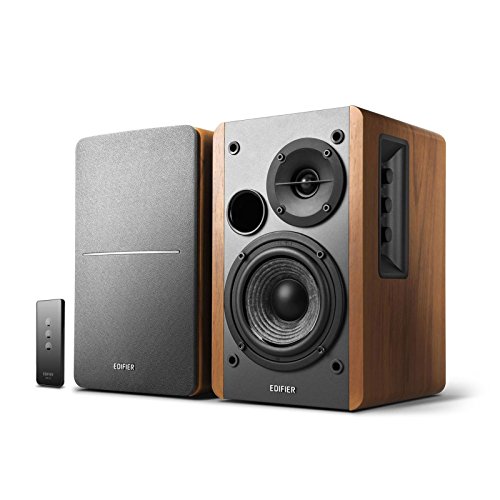
Best bookshelf speakers for metal compared by type, with strengths, limits, and prices for dense, fast guitars and drums.
Metal is one of the hardest genres for small speakers to get right, because dense guitars, fast kick drums, and crashing cymbals all fight for the same space. Shoppers hunting for the best bookshelf speakers for metal face a confusing mix of powered and passive designs, wired and wireless options, and gaming desk sets that promise more than they deliver. This guide compares each type plainly, with strengths, limits, and typical prices, so you can match a style to your room and your listening habits. Start with the comparison table below, then read the type breakdown that follows.
The core question is simple. Do you want a stay at home pair that does metal justice every day, or a flexible speaker that moves rooms and survives the patio? Each type below answers that question differently.
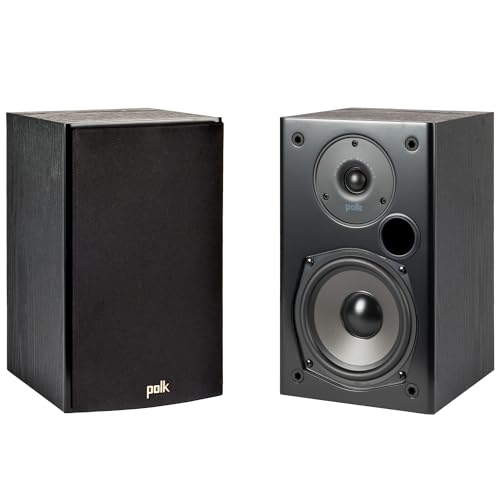

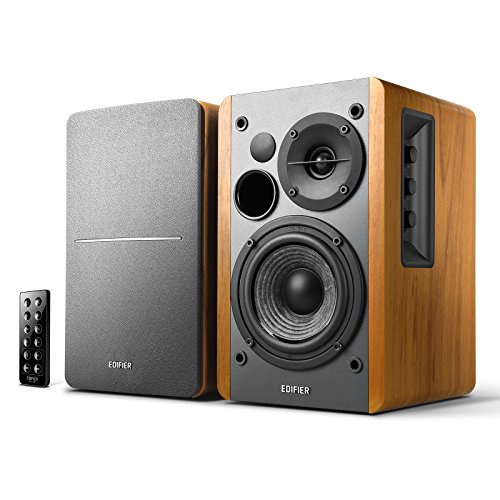

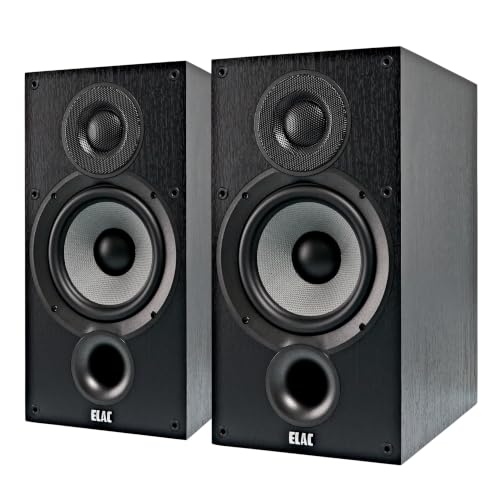


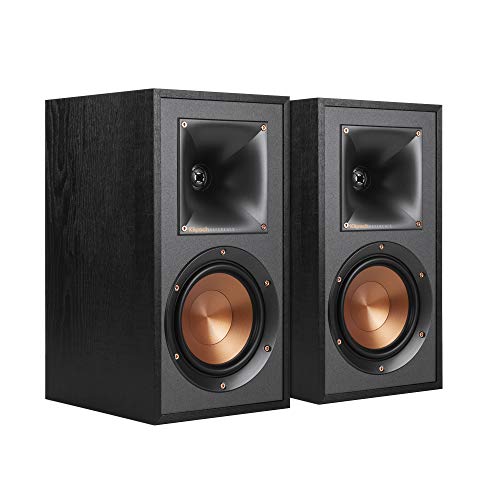
Types of Bookshelf Speakers Compared
Two broad types cover almost every pair worth considering. Powered home models put the amplifier inside the cabinet and focus on simplicity in one room. Wired models, meaning passive pairs driven by an amplifier, focus on control and upgrade paths. Typical prices run from around $100 for basic powered pairs to around $600 or more for serious passive pairs plus an amplifier.
Powered Home Models
Home models are the default choice for metal at home, and most are either powered pairs with a built in amplifier or passive pairs that need a separate amp. They offer the widest sound, the best stereo separation, and enough bass weight to give down tuned guitars real body in a small or medium room. Their limits are placement and portability, since they sound best on stands or a solid shelf near ear level and they stay where you put them. Choose this type if metal listening happens in one main room and you want a simple setup.
Wired Models
Wired models here mean passive bookshelf pairs connected by speaker wire to an amplifier or receiver that you choose yourself. This setup gives you the most control over power and tone, easy upgrades one part at a time, and no battery or wireless delay to manage. Many metal fans start with the wider category covered in our guide to the best bookshelf speakers and then pick an amp with enough clean power. The cost is extra boxes, extra cables, and a higher total price for the full system.
Powered Home Models vs Wired Models: Which Should You Choose?
Compare the two on five points. For sound ceiling, wired passive pairs win, because you pick the amplifier and its power. For simplicity, powered pairs win, since one purchase covers speakers and amplification, usually with a remote. For total cost, powered pairs tend to win under $500, while wired systems pull ahead when you already own a decent amplifier. For flexibility, wired wins, with easy part swaps and a subwoofer through a receiver. For fast, dense metal at spirited volume, headroom matters most, so give extra weight to amplifier quality and power handling whichever route you take.
For most first systems, choose the powered pair. Choose wired when you already own amplification or plan to build a system piece by piece. Either way, a small subwoofer can later carry the lowest kick drum notes while the bookshelf pair stays quick and clear.
How to Choose the Right Bookshelf Speaker
Sound Quality and Tuning
Metal rewards tight, controlled sound more than sheer bass quantity. Look for a frequency response that reaches down to around 50 to 60 Hz so kick drums and bass guitar register with weight, plus a tweeter that stays smooth on cymbals and harsh recordings. Cabinet size matters: a woofer around 5 to 6 inches usually balances bass depth and speed in small rooms. Avoid tunings that boost bass and treble while scooping the midrange, because guitars live in the midrange and will sound distant and thin.
Placement and Room Size (for Speakers)
Bookshelf speakers sound best with tweeters near ear height, pulled a little away from the back wall, and angled slightly toward your seat. In a small bedroom, keep volume expectations modest and place the pair on a desk or short stands to avoid boomy corners. For a living room, stands give the cleanest result and let a stereo pair image properly. Keep the pair indoors, away from damp windows and direct sun, because moisture and dust shorten the life of drivers and finishes.
Features That Matter for Metal
Metal places specific demands on a speaker. Fast, dense passages need low distortion at spirited volume, so favor models with honest power handling and, for powered pairs, a built in amplifier with real headroom. A subwoofer output is valuable, because a small sub can carry the lowest kick drum weight while the speakers stay fast and clear. Tone controls or an equalizer help tame bright thrash recordings. If you prefer an all in one setup, the options in our guide to the best powered bookshelf speakers remove the need for a separate amplifier.
Ecosystem and App Features
Apps on powered speakers typically offer equalizer presets, input switching, and firmware updates. For metal, a flexible equalizer is the one app feature worth wanting, since a small cut in the upper treble can calm a harsh mix and a gentle bass lift can restore weight at lower volume. Check that volume and input controls also exist on the unit itself. Streaming platform support matters only if you actually use those services at home, so do not pay extra for a long list of logos you will never open.
Tips to Get the Most From Your Bookshelf Speaker
Keep firmware updated on powered models, because updates often fix Bluetooth stability and equalizer bugs. Protect drivers by keeping grilles on in homes with kids or pets. Wipe cabinets and connectors with a dry cloth every few months, and check speaker wire ends for fraying that can cause crackle during quiet intros. Finally, give new speakers a few weeks of normal listening before judging them, since your ears adjust and placement tweaks usually matter more than any early impression.
Bookshelf Speakers: Your Questions Answered
What features matter most in bookshelf speakers for metal?
Low distortion, controlled bass, and clear midrange matter most. Metal mixes are dense, so a speaker that stays composed at your normal volume keeps guitars and vocals separate instead of smearing them together. A subwoofer output and basic tone control add real flexibility. Sensitivity also counts for passive pairs, because an efficient speaker reaches lively volume with a modest amplifier and keeps fast passages sounding effortless rather than strained.
Wired or wireless: which sounds better?
Wired connections usually sound better for metal at home, because they avoid Bluetooth compression that can soften cymbal detail and blur fast double kick patterns. Wireless streaming is still convenient and sounds good for casual listening, especially over WiFi based systems. A practical compromise is a powered pair with both Bluetooth and wired inputs, so you can stream playlists from your phone and wire your computer or television for serious album sessions.
Final Thoughts
For metal at home, a wired or powered home pair with controlled bass, honest midrange, and room to add a subwoofer later will serve you best. Use the product table above to compare types, sizes, and prices side by side before you decide. Matched to your room and volume habits, the best bookshelf speakers for metal will keep dense mixes clear and powerful for years. If budget is tight, the value focused options in our guide to the best bargain bookshelf speakers show where smart savings are possible.


