Best Bone Cleavers (2026): Weight, Steel and Size
Disclosure: We may earn a commission when you buy through links on this page, at no extra cost to you. As an Amazon Associate I earn from qualifying purchases. Learn more

Blade length, weight and steel advice for choosing the best bone cleaver, from heavy butchery types to compact cleavers for small kitchens.
Splitting a chicken for Sunday soup should not feel like a wrestling match, yet a thin chef knife flexes, sticks, and dulls fast on joints and small bones. A best bone cleaver solves that problem with weight, a thick spine, and an edge built to take impact instead of gliding through produce. This guide helps you choose by kitchen space, household size, and budget. Start with the product table below, then work through the checklist that follows.



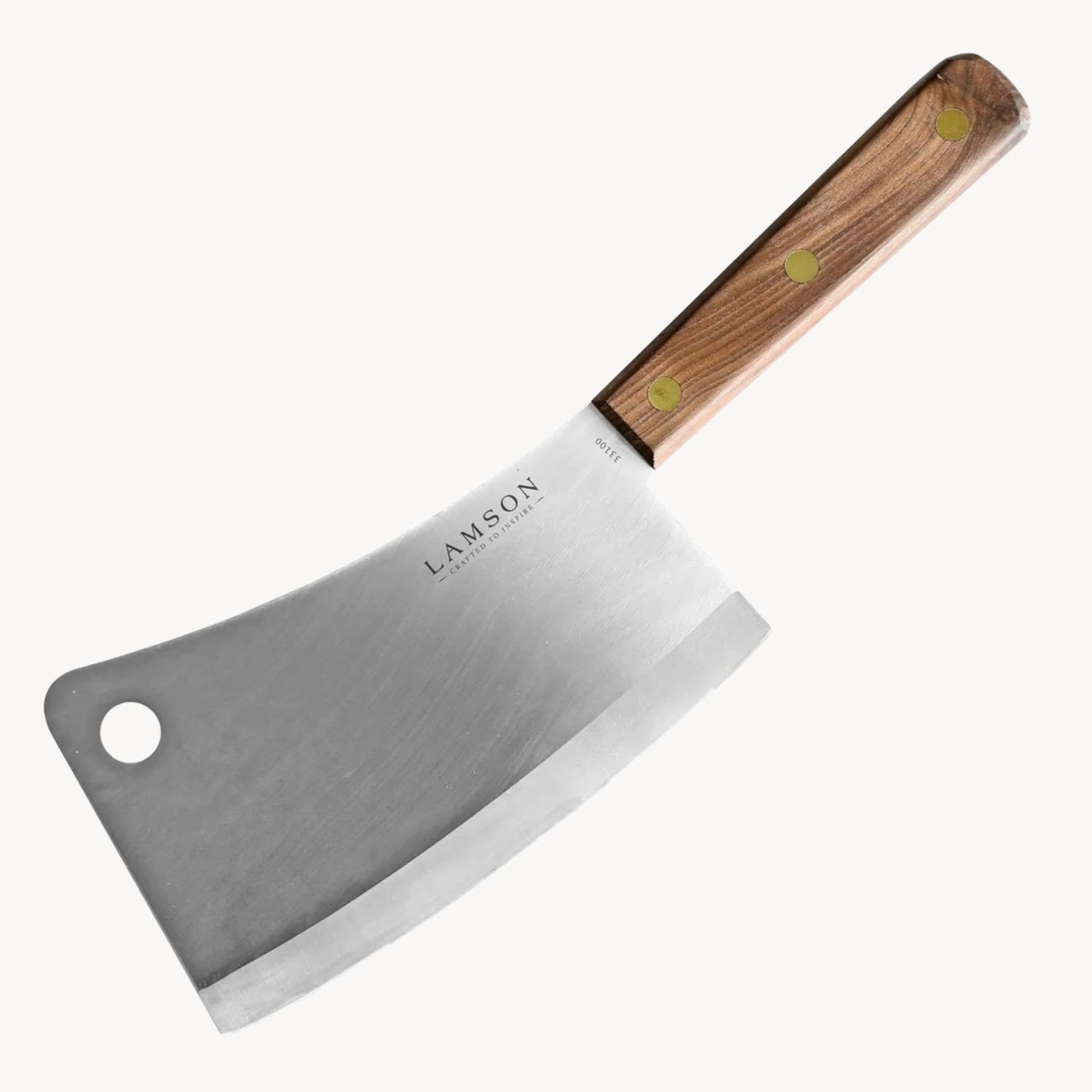


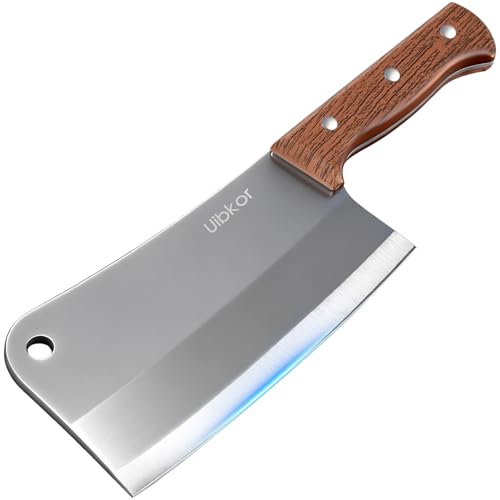
Quick Answer: What Sets a Bone Cleaver Apart
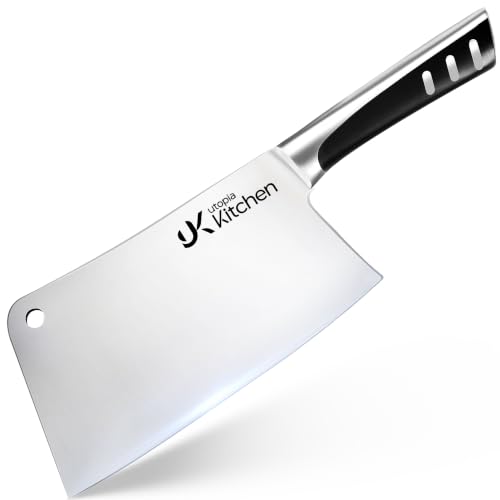
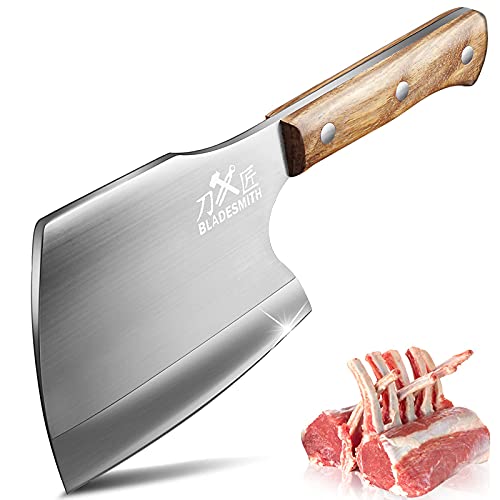
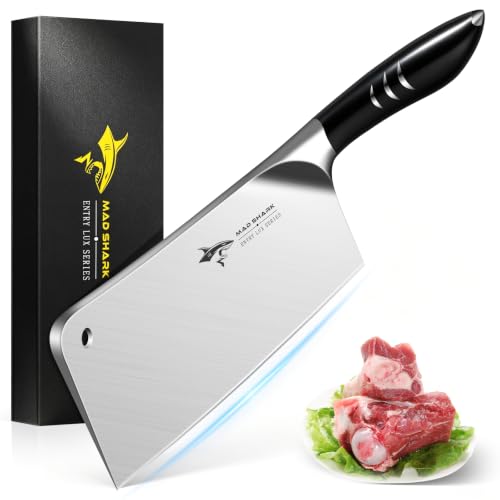
A bone cleaver is a heavy, tall blade with a thick spine and a tougher, more obtuse edge angle than a slicing knife. That mass does the work for you, carrying the blade through chicken backs, pork ribs, and fish heads with a controlled chop rather than sawing. If you portion whole birds or break down ribs weekly, the bone version earns its drawer space. If bone in meat is rare in your kitchen, a lighter all purpose cleaver may serve you better.
Before You Buy: A Quick Checklist for Choosing a Cleaver
Size: Match It to Your Space
Blade length shapes how the cleaver feels and where you can store it. A 6 inch blade suits small boards and apartment drawers, and it handles chicken joints and fish easily. A 7 inch blade is the middle ground most homes use, wide enough to scoop cut pieces yet still easy to lift. An 8 inch or heavy model brings more chopping force for pork bones, but it needs a large board and a cook who is comfortable guiding real weight.
Which Type Fits Your Routine
Cleaver styles overlap, so match the type to your weekly cooking. A Chinese cleaver has a tall, thinner blade meant for vegetables and boneless meat, not hard bones. A heavy duty bone cleaver has the thick spine and durable edge this guide focuses on. A vegetable cleaver should never be driven through bone. A Japanese cleaver tends toward thinner, harder steel that rewards careful technique. Carbon steel versions sharpen easily but need drying after every use.
Steel Type and Hardness
Hardness, often listed as HRC on the Rockwell scale, tells you how the edge behaves under impact. Bone cleavers usually sit at the softer end of the kitchen knife range because a slightly softer edge dents or rolls instead of chipping when it meets bone. Very hard steel holds a fine edge longer for slicing, but that edge is brittle against joints and cartilage. For bone work, toughness matters more than razor sharpness, so treat extreme hardness claims as a warning sign.
Blade Geometry: German vs Japanese
German style blades are usually thicker behind the edge, with a wider grind that pushes through dense material and shrugs off twisting if your chop lands off center. Japanese style blades are ground thinner and feel more precise, but that geometry is less forgiving when the edge strikes bone at an angle. For a dedicated bone cleaver, a thicker wedge shaped grind is the safer match. Save thin geometry for your slicing knives, where control matters more than impact strength.
Handle, Bolster and Balance
Because the blade does the chopping, balance should sit slightly forward of the handle, letting gravity help each stroke without tiring your wrist. The handle needs enough girth to fill your grip when your hands are wet or greasy, plus a shape that stops your hand sliding toward the edge. A full bolster adds weight and protects your fingers, while a partial bolster makes sharpening the full edge easier. If a grip in a listing looks slim and polished smooth, it will feel slippery during real prep.
Realistic Budget Ranges
Price bands for bone cleavers are simple. Under about $30, expect a basic, heavy blade in softer steel that needs frequent touch ups but handles occasional chicken work well. Between about $50 and $100, you get better steel, a fuller tang, and a handle that stays comfortable through a big batch of ribs. Above about $100, you pay for fit and finish, balanced weight, and steel that holds up over years of weekly use. No tier changes what the cleaver can cut, only how pleasant it feels doing it.
As you compare tiers, it helps to see how a bone model differs from the wider family in our guide to the best cleaver, where lighter blades share the same tall shape but serve different jobs.
Bone Cleaver Types Compared
Heavy Bone Cleavers for Butchery Style Tasks
The classic heavy bone cleaver weighs the most in this group, often well over a pound, with a spine thick enough to split pork hocks and beef joints at home scale. It suits households that buy meat in bulk, portion whole animals from a farm share, or cook bone in cuts several times a week. The trade off is storage and effort: it needs a big board and a strong arm. For occasional chicken work, this much weight is more tool than you need.
Chinese Style Bone Cleavers for Mixed Prep
Some Chinese style cleavers are built with a thicker spine and a reinforced edge for chopping through poultry and fish bones while still slicing ginger, garlic, and greens between tasks. That dual role suits smaller kitchens where one tall blade covers most prep. Check listing language carefully, though, because many Chinese cleavers are thin slicers that will chip on bone. The bone capable versions say so plainly and weigh noticeably more than their slicing cousins.
Compact Cleavers for Small Households
A compact bone cleaver, usually 6 inch and lighter than the heavy models, fits one or two person homes that split a chicken now and then or trim rib tips on a small board. It stores in a standard block slot or narrow drawer, and its modest weight suits cooks with smaller hands or less grip strength. Its limit is leverage: thick pork bones ask more than it can give. Pair it with kitchen shears for the toughest joints and it covers most small household needs.
If vegetables dominate your prep and bones are rare, our roundup of the best vegetable cleaver covers the lighter blades built for that work, and the guide to the best cleaver for vegetables explains which edge shapes suit greens and squash.
How to Judge Bone Cleavers
Judge bone cleavers on five criteria: steel toughness and edge retention under impact, balance and grip comfort, sharpness out of the box, ease of maintenance, and value for the price band. Manufacturer specifications and verified buyer feedback about chipping, weight, and handle comfort are the best guide. A cleaver is worth buying only when its stated details match the bone work it promises.
Bone Cleavers Compared With Other Cleavers
Bone cleavers turn portioning whole chickens, splitting duck, and trimming ribs into short, confident work, and the tall blade doubles as a scoop for moving cut pieces to the pot. The same weight makes them clumsy for peeling, paring, or thin slicing, and they take more storage room than a chef knife. Compared with a Japanese style blade from our guide to the best japanese cleaver, a bone cleaver trades finesse for durability. Most homes do best owning one bone cleaver plus one lighter knife, rather than asking either tool to cover every task.
Common Buying Mistakes to Avoid
- Buying a thin slicing cleaver for bone work: the edge chips on the first chicken back, and the damage takes real sharpening skill to repair.
- Choosing size by looks alone: an oversized blade in a small kitchen ends up buried in a drawer because it never fits your board or storage.
- Ignoring the cost of upkeep: a cleaver bought without a honing steel, a suitable board, or sharpening gear slowly becomes a dull club.
- Paying for features you will not use: decorative finishes and elaborate handles add price without adding chopping power or comfort.
- Using the cleaver on frozen meat: fully frozen bone is closer to rock than food, and even a tough edge can roll or crack against it.
Cost of Ownership and Care
A bone cleaver has almost no running costs beyond sharpening gear you likely own already. Wash it by hand right after use, dry it fully, and store it on a magnetic strip or in a blade guard so the edge never rattles in a drawer. Carbon steel blades need a light coat of food safe oil in a humid kitchen, because they can spot with rust overnight. Wood or soft plastic boards protect the edge far better than glass or stone. For sharpening angles and stone choices, see our guide on how to sharpen a cleaver, and for grip and safe technique, read how to use a cleaver.
Your Questions, Answered
What makes a cleaver brand reliable?
Reliability shows up in consistent heat treatment, honest steel and hardness listings, and a warranty that covers defects without a fight. Long running makers publish full tang construction and real weight figures, while weak listings hide both. Check recent buyer reports for repeated complaints, such as handles loosening or edges chipping on chicken. A brand that answers those reports and honors returns is a safer bet than one with a famous name and silent support.
How do you clean a bone cleaver?
Wash the blade by hand with a sponge, warm water, and dish soap, working from the spine toward the edge so your hand never slides along the cutting edge. Rinse, then dry the whole cleaver at once, including the handle joints where moisture hides. Never leave it soaking in the sink, where the edge endangers hands in cloudy water and soaking swells wooden handles. A dishwasher is a poor choice too, since heat and rattling dull the edge.
Is a cleaver worth buying if you already own a chef knife?
It depends on how often bone in meat reaches your board. If you buy pre cut portions, a chef knife and kitchen shears cover nearly everything, and a cleaver would gather dust. If you buy whole birds because they cost less per pound, a cleaver pays for itself in easier prep and fewer damaged knife edges. Rent the idea first: borrow one for a month and count how often you reach for it.
How long does a bone cleaver last?
A well made bone cleaver can serve for decades, because its thick blade tolerates years of sharpening without wearing down to a stub. Lifespan depends more on habits than on steel: hand washing, dry storage, and chopping on wood or plastic keep edge and handle sound. The usual failure points are a cracked handle from soaking, rust on neglected carbon steel, and chips from twisting the blade free when it sticks in bone. Avoid those three and it outlasts most kitchen gear.
Are bone cleavers worth it for home cooks?
For home cooks who portion poultry, ribs, or whole fish a few times a month, yes, because the right weight turns a risky sawing job into one clean chop. Cooks who mostly handle boneless cuts gain little, and the money serves them better spent on a good slicing knife. If bones showed up weekly in your last month of dinners, a bone cleaver is a practical tool, not a novelty, and a mid priced one is all most homes need.
What is the best bone cleaver for a typical home?
For a typical home, the best match is a 7 inch bone cleaver in tough steel, with a full tang, a grippy handle, and weight you can lift comfortably one handed. That combination splits chickens and rib racks, stores in a normal drawer, and stays affordable in the middle price band. Add a blade guard and a honing steel to the same order and you own the full setup.
Final Thoughts
The right best bone cleaver for your home is the one whose weight, length, and steel match the bones you cut and the space you have. Compare the options in the product table near the top against the checklist: tough steel over hard steel, a secure grip over a pretty one, and a size your board can hold. Choose the heavy type for bulk butchery, the compact type for small households, and the middle ground for most family kitchens.