
Best Boning Knife for Your Home (2026): A Quick Checklist
Disclosure: We may earn a commission when you buy through links on this page, at no extra cost to you. As an Amazon Associate I earn from qualifying purchases. Learn more
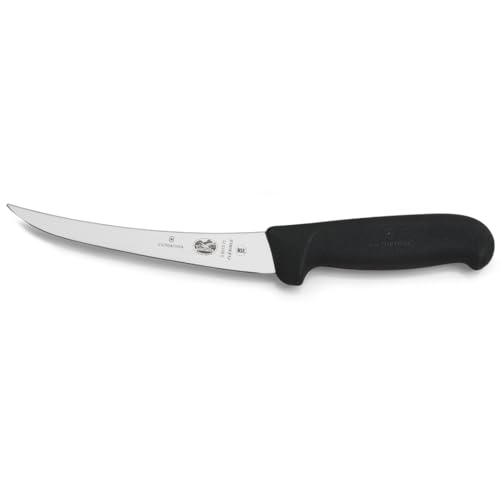
Choose the best boning knife for your home with notes on blade size, flex, steel, handle fit, budget ranges and daily care.
A family roast chicken, a tray of pork chops, or a whole fish for Friday dinner all go faster when the knife in your hand can slip around bones instead of fighting them. Choosing the best boning knife for your home comes down to a few practical things: the size of the food you prepare, how much room your kitchen gives you, and how often you cook for a crowd. The comparison table below lines the main options up side by side so you can see the differences at a glance.
This guide walks you through the checklist first, then matches blade types to different households and routines. You will learn how blade length, flex, steel, and handle shape affect control, what each budget range realistically buys, and how to care for the knife so it stays safe and sharp.
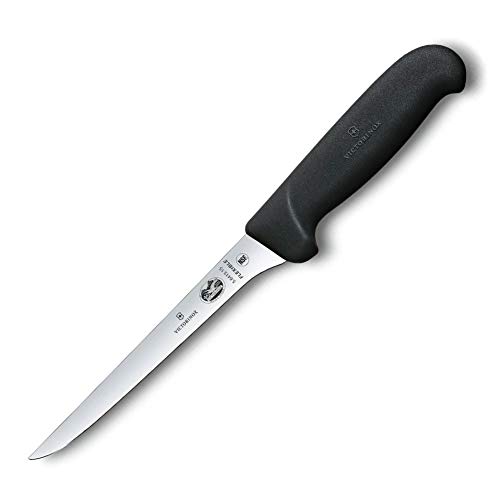

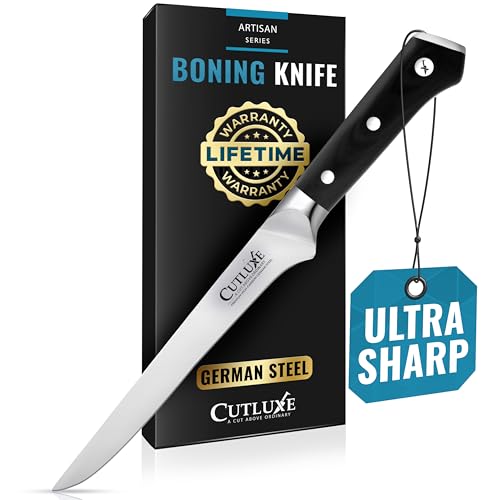
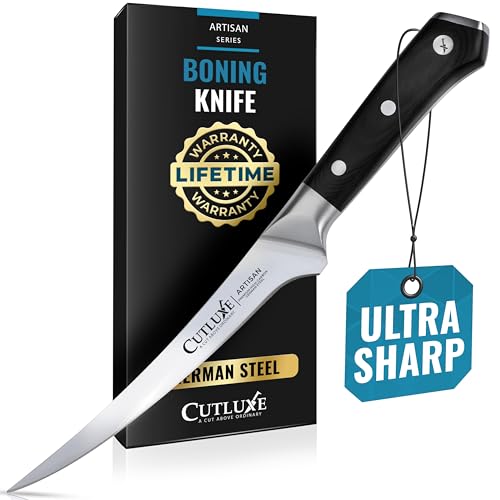
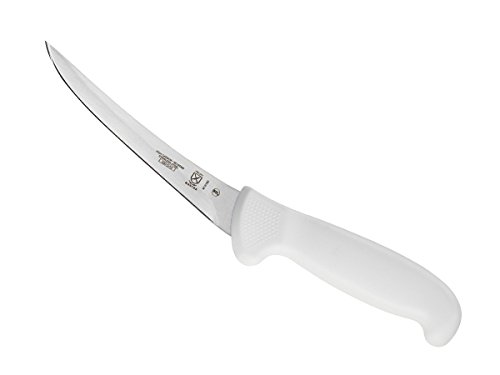
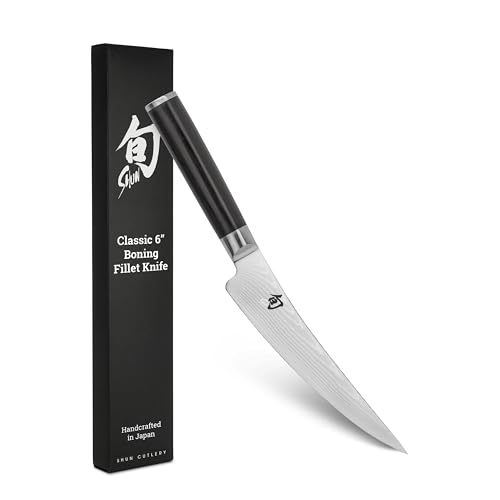
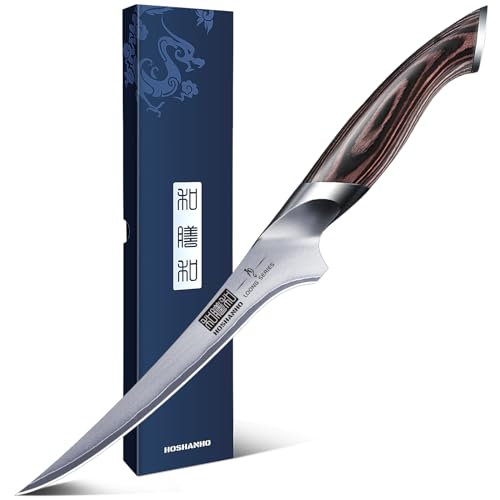
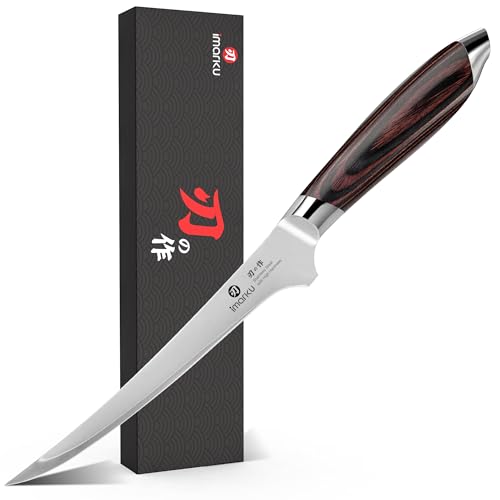
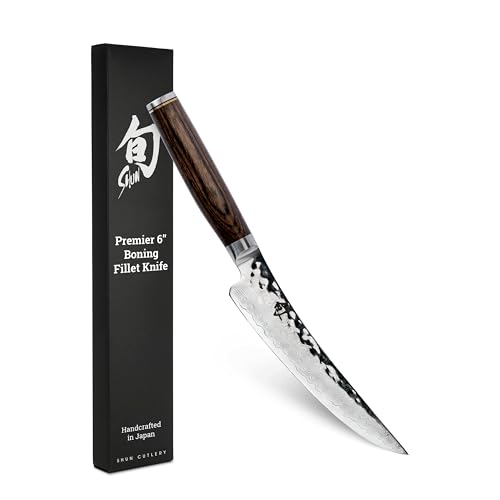
Quick Answer: The Short Checklist in 30 Seconds
For most home kitchens, a 6 inch blade with a gentle curve and medium flex covers the widest range of jobs, from trimming chicken thighs to portioning a pork loin. If you mostly handle small fish or single portions, a 5 inch blade feels easier to steer. If you break down large roasts or whole birds for a big family, a 7 inch blade gives you the reach you need. Match the knife to your most common meal, not the biggest one you cook once a year.
Steel and handle matter just as much as size. A blade that holds an edge but still sharpens without a struggle suits most homes, and a handle that fills your palm without slipping matters on every cut.
Before You Buy: A Quick Checklist for Choosing a Boning Knife
Size: Match the Blade to Your Space and Your Meals
Boning knives usually run from about 5 to 7 inches, and each length suits a different routine. A 5 inch blade turns tightly around small bones and works well on cramped counters where a longer knife feels clumsy. A 6 inch blade is the middle ground most families land on, long enough for a whole chicken yet short enough for careful trimming at the sink. If length is your main question, our guide to the best 6 inch boning knife explains who that size serves best. A 7 inch blade helps with large roasts and bigger birds, but it needs more storage room.
Blade Shape and Flex: Which Type Fits Your Routine
A flexible blade bends as it follows the curve of a rib or a fish spine, which helps you leave less meat behind on the bone. A stiff blade stays straight under pressure, giving you more push when you work through joints on poultry or pork. Curved blades lift the tip as you slice, so the edge keeps moving in tight spots, while straight blades suit flat trimming on a board. Many home cooks settle on medium flex with a slight curve because it handles a mixed weekly menu well.
Steel Type and Hardness
Most home boning knives use stainless steel or high carbon stainless steel, both of which resist stains from raw meat juices and wash clean easily. Hardness is often shown as an HRC number, and blades around the middle of that scale tend to balance edge life with easy sharpening. Very hard blades can hold an edge longer but may chip if they twist against bone, while softer blades dull sooner yet sharpen in minutes. For a family kitchen, a middle hardness blade you can maintain yourself usually beats a fragile blade that needs professional care.
Blade Geometry: Two Main Traditions
One tradition favors a thicker blade with a wider edge angle, built to shrug off contact with bones and cartilage during heavy work. The other favors a thinner blade with a narrower edge angle, built to glide through fish and delicate trimming with very little drag. Thin blades reward a light touch, while thicker blades forgive the small twists that happen when you are learning. Think about the food you prepare most: thick cuts and poultry joints point one way, while filleting and fine trimming point the other.
Handle, Bolster, and Balance
The handle decides whether the knife feels secure when your hands are wet or lightly coated with fat, which is common during meat prep. A handle with a gentle swell and a textured surface gives your fingers purchase without forcing a tight grip. A bolster, the thicker section where blade meets handle, can protect your index finger, though a large one can get in the way during sharpening. Balance should sit near that junction so the blade feels neither tip heavy nor handle heavy during long prep sessions.
Realistic Budget Ranges
Under $20, expect a serviceable blade with a basic molded handle, fine for occasional use and for learning your preferences. About $20 to $50 is where most homes find the sweet spot, with better steel, a more shaped handle, and steadier balance. About $50 to $100 usually buys finer fit and finish, harder steel, and details that matter if you break down meat every week. Spending more mainly refines feel and edge life rather than changing what the knife can do.
Three Buying Profiles and What to Prioritize
Instead of chasing a single winner, it helps to know which profile sounds like your household. Each profile below points to the traits that matter most for that situation, so you can weigh the options in the product table above clearly.
The Profile for Most Homes
If you cook for two to five people and handle a mix of chicken, pork, beef, and the odd whole fish, prioritize versatility. A 6 inch curved blade with medium flex, middle hardness steel, and a handle that suits more than one hand size will cover nearly every weekly task. This profile also suits shared kitchens, where a partner or an older teen may use the same knife. Simple care matters here too, because a knife that sharpens quickly is a knife that actually gets sharpened.
The Profile for a Tight Budget
If you bone meat only a few times a month, put your money into blade shape rather than premium steel. A flexible or medium flex blade at 5 or 6 inches, with a handle that will not slip, does the core job well under $20 to about $30. Accept that you will hone more often and sharpen a little sooner. Skip decorative handle materials at this price, because grip and geometry change your results far more than looks do.
The Profile for a Long Term Investment
If you buy whole animals in bulk, hunt, fish, or cook big family meals every week, durability and edge life earn their keep. Look for harder steel that still tolerates bone contact, a handle built for long sessions without hot spots, and a blade profile you can resharpen for years. This profile also values a protective sheath or solid storage, since a knife used this often faces more chances to knock against other tools.
What Matters Most When You Judge Any Boning Knife
Five criteria do most of the work when you compare options. Edge retention tells you how long the blade stays keen between sharpening sessions, and balance and ergonomics tell you how much control you keep when the work gets slippery. Sharpness from new matters because boning work punishes a dull edge, pushing you to press harder near bones. Maintenance counts too: a knife that responds well to a honing rod and a simple stone fits home life better than one that needs specialist gear. Finally, weigh value honestly, meaning the traits above measured against the price range.
Judge each criterion against your own routine rather than a generic score. A household that fillets fish twice a week should weight flex heavily, while one that portions roasts should weight stiffness and handle security.
Matching a Boning Knife to Your Household and Space
Households that cook a lot of poultry benefit from a curved, medium flex blade that follows breastbones and joints cleanly, and our guide to the best boning knife for chicken goes deeper on that pairing. Small kitchens with limited drawer space do better with one midsize knife and a sheath than with a long blade that rattles loose in a drawer. Families who cook fish often may prefer the thinner geometry covered in our guide to the best japanese boning knife, which suits careful fillet work. Larger households breaking down bulk buys each month usually want the reach of a 7 inch stiff blade and a board big enough to use it safely.
Think about who else will use the knife as well. A handle that fits the smallest adult hand in the house, without feeling cramped for the largest, reduces the wobble that causes slips. Storage matters in homes with children too: a sheath, a magnetic strip mounted out of reach, or a knife roll keeps the edge protected and hands safe.
Common Buying Mistakes to Avoid
- Buying a blade sized for your biggest holiday roast instead of your weekly meals, which leaves you wrestling an oversized knife most of the year.
- Choosing the stiffest blade for delicate fish work, which tears flesh and leaves more of the meal on the bones.
- Ignoring handle grip, even though boning work often means wet hands and surfaces slick with fat.
- Spending the whole budget on the knife and nothing on a honing rod, a stone, or safe storage, which shortens the life of any blade.
- Assuming a higher price guarantees a better match, when blade shape and flex matter more for your routine than cost does.
Cost of Ownership and Care
The purchase price is only part of what a boning knife costs you over its life. A honing rod for weekly touch ups and a basic sharpening stone are the main extras, and both are modest one time costs. If sharpening is new to you, the step by step guide on how to sharpen a boning knife walks through angles and pressure in plain terms. A sheath or blade guard adds a small cost but protects both the edge and anyone reaching into the drawer.
Daily care is simple and quick. Wash the knife by hand in warm soapy water right after use, dry it fully, and store it where the edge cannot strike other metal. The technique guide on how to use a boning knife also covers the grip and board habits that keep edges from rolling during work. Avoid the dishwasher, since heat, jostling, and detergent dull edges and can crack handle materials.
Your Questions, Answered
What makes a boning knife reliable over years of use?
Reliability comes from sound construction more than from a famous name on the blade. Look for steel that resists stains, a handle fixed firmly with no movement, and geometry that sharpens back to a keen edge without drama. A knife you can maintain at home, with a honing rod and a simple stone, stays reliable because it never spends months dull in a drawer.
How do you clean a boning knife safely?
Wash the knife by hand right after use, holding the handle and wiping from the spine toward the edge with the blade pointing away from your fingers. Warm water and ordinary dish soap remove the fat and protein that dull edges and harbor odors. Dry the blade fully before storing it, because even stainless steel can spot when left wet in a closed drawer. Never leave a boning knife loose in a sink of soapy water, where hands cannot see it.
Is a boning knife worth it for a home kitchen?
Yes, a boning knife is worth it if you buy whole chickens, bone in roasts, or whole fish with any regularity. The narrow blade reaches places a chef knife cannot, so you waste less meat and work with less force. It also pays for itself over time, because breaking down larger cuts at home usually costs less per pound than buying prepared portions. If you only ever buy boneless meat, though, the knife will sit unused and your money is better spent elsewhere.
How long does a boning knife last?
A boning knife can last many years, often a decade or more, when it is sharpened correctly and stored away from other metal edges. The blade slowly narrows with each sharpening, so heavy users who sharpen weekly will wear one down sooner than occasional cooks. Replace it when the edge no longer holds after a careful sharpening or the blade has grown too narrow to steer safely.
What should you look for first when choosing a boning knife?
Start with the food you prepare most often, because that decides blade length, shape, and flex before anything else. A poultry heavy kitchen wants curve and flex, while a household trimming roasts wants stiffness and reach. Next, hold the decision against your hand size and storage space, since a knife that feels secure and stores safely gets used more. Only then compare steel and price, using the product table above to check that your chosen profile matches the specs on offer.
Final Thoughts
The right knife is the one that fits your meals, your hands, and your kitchen, and it rarely needs to be the priciest option on the page. Run through the checklist once more, weigh blade size and flex against your weekly cooking, and compare your shortlist with the product table above. When you choose the best boning knife by those measures, trimming, filleting, and portioning become calmer tasks, and more of every cut ends up on the plate.


