
Best Boning Knife for BBQ (2026): Length, Flex and Steel
Disclosure: We may earn a commission when you buy through links on this page, at no extra cost to you. As an Amazon Associate I earn from qualifying purchases. Learn more
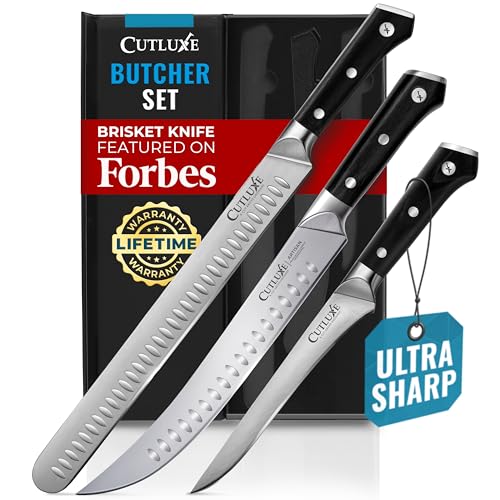
Length, flex and handle advice for choosing the best boning knife for bbq, from flexible curved blades to stiff brisket trimmers.
Sunday prep at our house starts with a pork shoulder on the counter, a rack of ribs still in its wrap, and a knife drawer full of tools that are almost right. A chef knife is too wide to follow a bone, and a paring knife is too short. Finding the best boning knife for bbq ends that shuffle, because one narrow blade can trim, separate, and debone every cut on your cookout list.
This guide helps you choose by prep space, household size, and budget. You will learn which blade length, flex, and steel suit the meats you cook most, and the product table below lets you compare real knives so you can shortlist fast.
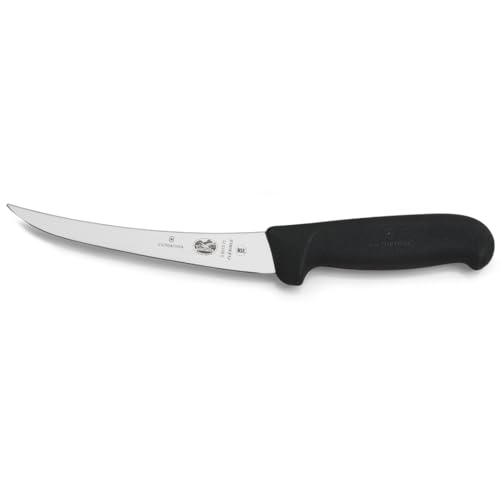
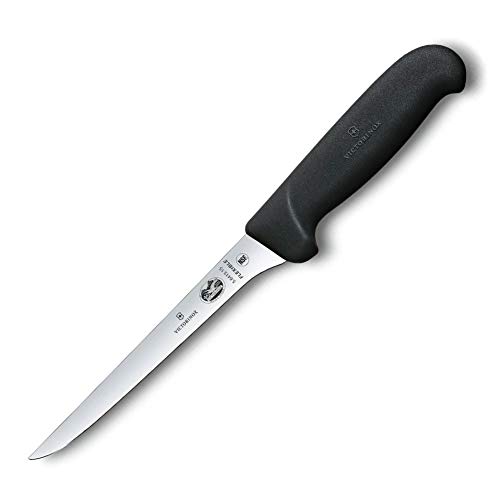

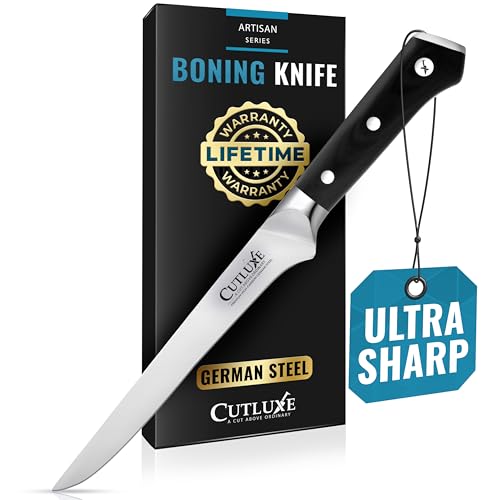
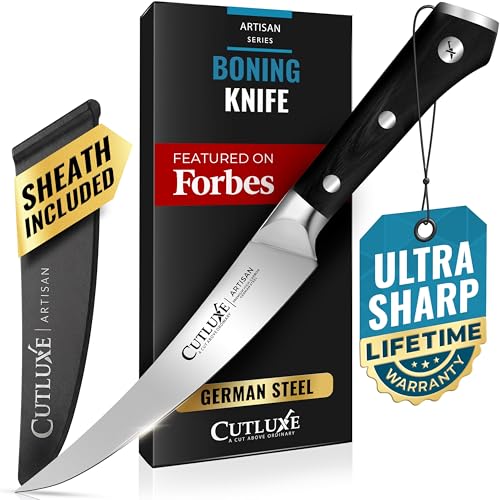
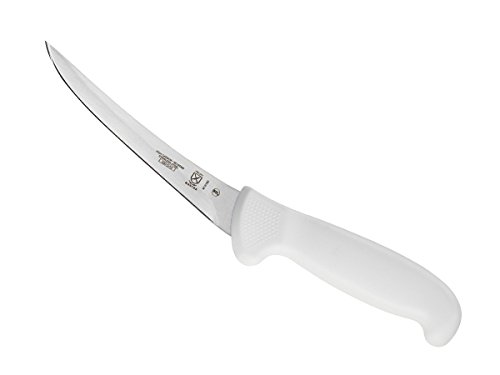
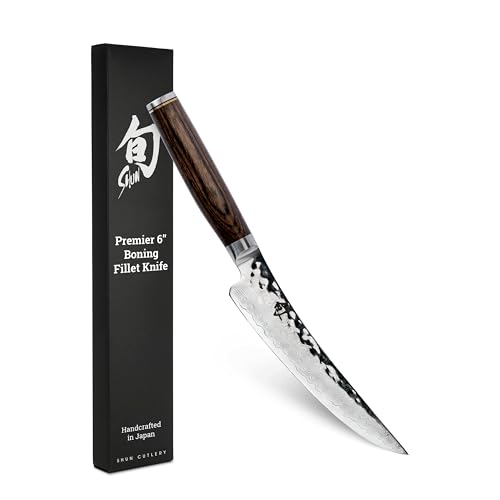
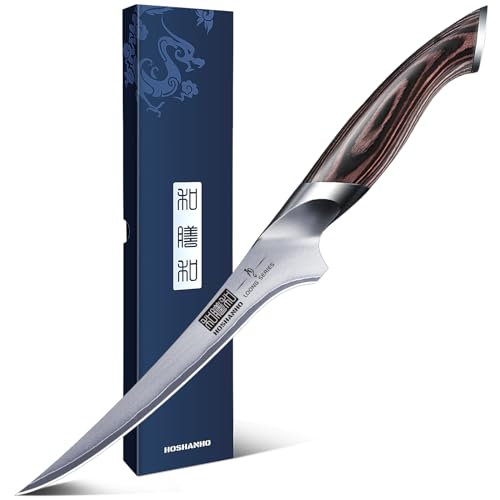
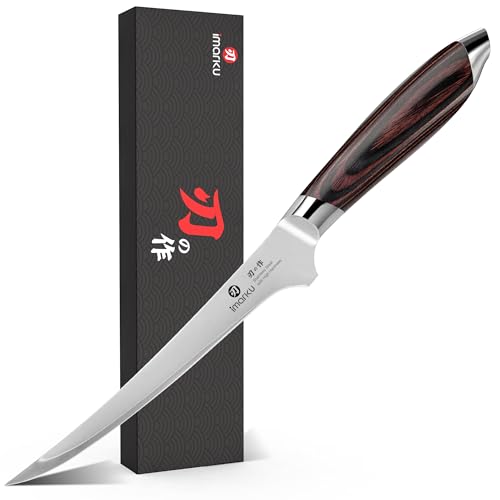
Quick Answer: The Right Type in 30 Seconds
For most home grillers, a 6 inch curved blade with moderate flex is the safest starting point. It is long enough for brisket and pork shoulder, nimble enough for ribs, and forgiving when you are still learning to follow a bone. If you mostly debone chicken, a shorter and more flexible blade feels easier to steer. If you break down large beef cuts weekly, a stiffer blade gives more control against dense joints.
Technique matters as much as the blade, so before your first cook it is worth reading a primer on how to use a boning knife and practicing on a cheap chicken first. Keep your free hand behind the edge and let the tip trace the bone instead of forcing the blade through it.
Before You Buy: A Quick Checklist for Choosing a Boning Knife for BBQ
Size: Match It to Your Space
Boning knives for BBQ work usually come in 5 inch, 6 inch, and 7 inch blades, and the right length follows the largest cut you handle. A 5 inch blade suits small kitchens and small tasks like trimming chicken thighs on a modest board. A 6 inch blade covers ribs, pork shoulder, and most brisket work without crowding a standard counter. A 7 inch blade earns its keep only if you regularly break down big beef cuts, because the extra length feels clumsy in a tight prep area.
Which Type Fits Your Routine
Flexible blades bend around rib bones and chicken joints, which helps you leave less meat behind, but they can wander on dense beef. Stiff blades hold a straight line through brisket fat and pork shoulder, though they demand a steadier hand near bones. Curved blades lift meat away as you cut and suit most BBQ trimming, while straight blades give a cleaner push cut for portioning. Japanese honesuki styles use a thick triangular blade built for poultry.
Steel Type and Hardness
Most BBQ boning knives use stainless steel, high carbon steel, or high carbon stainless steel, rated on the Rockwell scale, usually written as HRC. Softer steel dulls faster but sharpens in minutes and shrugs off the odd twist against bone. Harder steel holds its edge through a long trimming session, yet it can chip if you lever it against a joint. For a family that cooks out twice a month, easy sharpening usually beats maximum edge life.
Blade Geometry: German vs Japanese
German style blades are thicker, with a wider edge angle that tolerates twisting and rough work around bones, which suits beginners and busy family prep. Japanese style blades are thinner and ground at a narrower angle, so they glide through fat and silver skin with less drag, but they ask for a lighter touch. If poultry dominates your menu, our guide to the best japanese boning knife explains the honesuki shape in depth. Households that trim a bit of everything usually do better with the tougher German profile.
Handle, Bolster, and Balance
Your hand will be wet, greasy, or dusted with rub for much of a BBQ prep session, so grip security matters more than good looks. Textured polymer handles rinse clean and stay put in a slick palm, while wood handles feel warm and classic but need oiling and can swell if they soak. A full bolster adds finger protection and front weight, while a partial bolster makes sharpening the heel easier. The knife should balance near the bolster, so the blade does not feel tip heavy during long trimming strokes.
Realistic Budget Ranges
Under $20 buys a serviceable stamped blade with a plastic handle, a sensible starter for occasional grillers. Spending about $20 to $50 usually gets you a forged blade, a more secure grip, and steel that sharpens evenly. At about $50 to $100 you pay for harder steel, finer fit, and a handle that stays comfortable through a full day of prep. Past that point the gains shrink for home use.
Types Compared: Flexible, Stiff, and Japanese Style Options
Flexible Curved Blades for Mixed Family Cookouts
This is the all purpose shape for households that move between ribs, chicken, and pork in a single weekend. The curve follows rib bones closely, and the flex lets you work around joints without gouging the meat. It forgives imperfect angles while you build skill. Its limit shows up on very large beef cuts, where the bend can make long trimming strokes less precise.
Stiff Blades for Brisket and Big Beef Cuts
A stiff blade, straight or gently curved, suits the cook who smokes brisket often and trims thick fat caps in long, even strokes. The rigid spine resists deflection when you press through cold fat, and the firmer feel helps you judge depth so you do not slice into the meat below. Choose this type if beef anchors your menu. It is less happy inside a chicken cavity, where a little bend would help the tip change direction.
Japanese Honesuki Style Blades for Poultry Nights
The honesuki is a single purpose tool with a thick, triangular blade and a pointed tip made for breaking down whole birds. It pops joints cleanly, scrapes meat from the carcass with its flat side, and portions thighs and breasts with little waste. If chicken is the centerpiece of most of your cookouts, this shape can replace a flexible blade entirely. Our chicken focused guide to the best boning knife for chicken covers which length suits your bird size.
How to Judge a Boning Knife Before You Order
Since you cannot hold an online listing, judge it on the details that predict daily use. Check blade length, flex, and steel hardness first, because those three decide how the knife behaves on your usual cuts. Read the handle material and weight next, and picture using it with wet hands. Look for a return policy that lets you send the knife back if the balance feels wrong. Finally, scan buyer comments for repeated notes about grip comfort and edge chips, and compare your shortlist against our broader guide to the best boning knife if you also cook beyond the grill.
Living With It: What Really Matters in a Boning Knife for BBQ
Day to day, the best knife is the one that fits your routine. A two person household cooking ribs twice a month needs one versatile blade and ten minutes of trimming per session. A family of six smoking a shoulder every weekend will feel every flaw in grip comfort, because prep stretches to half an hour of steady cutting. Trimming at a small apartment counter favors a 5 or 6 inch blade, while a backyard prep table gives a longer blade room to shine.
BBQ work also means trimming before the meat meets heat, and cold meat is easier and safer to cut than warm meat. Chill brisket fat until it feels firm, keep raw chicken on its own board, and wash hands and surfaces after each raw protein. A deep cut that will not stop bleeding, or any cut on the hand that limits movement, needs prompt medical care rather than a bandage and optimism. Hunters in the family may ask whether the same blade suits game, and our notes on the best boning knife for deer cover that overlap.
Common Buying Mistakes to Avoid
- Buying a 7 inch blade for a small kitchen, where the extra length crowds your board and hurts tip control.
- Choosing maximum hardness for your first knife, then chipping the edge when you twist it against a rib bone.
- Picking a smooth polished handle that slides in a palm slick with fat and marinade.
- Spending your whole budget on the blade and nothing on a guard, a honing rod, or a board big enough for brisket.
- Buying a full specialty set when one well chosen boning knife covers nearly every trimming job on your menu.
Cost of Ownership and Care
A boning knife asks little money after purchase, but a few small costs keep it working well. Budget for a honing rod for weekly alignment, a simple whetstone or guided sharpener once or twice a year, and a blade guard that costs only a few dollars. Our walkthrough on how to sharpen a boning knife shows the basic strokes, so you can restore an edge at home. Store the knife in its guard, on a magnetic strip, or in a block slot, never loose in a drawer.
Choose your cutting surface with the edge in mind. Wood and soft plastic boards are kind to the blade and easy to wash, while glass and stone boards dull it quickly. Keep a separate board for raw meat so juices do not reach vegetables or cooked food. With basic care, ownership stays cheap: the main expense over the years is an occasional replacement once the blade narrows from repeated sharpening.
Your Questions, Answered
How do you clean a boning knife after trimming raw meat?
Wash the blade by hand in hot soapy water right after use, scrubbing the handle grooves where fat and rub collect, then dry it fully before storing. A dishwasher cycle is a poor idea, because the heat and jostling dull the edge and can crack handle scales. After raw chicken or pork, wipe the board and handle with a kitchen sanitizer as well.
Is a boning knife worth it if you already own a chef knife?
For regular BBQ prep, yes, because the narrow blade reaches places a wide chef knife cannot. A chef knife skids over rib bones and leaves meat behind, and its tall heel makes trimming silver skin from a pork tenderloin awkward. A boning knife also protects your chef knife edge from the twisting contact with bone that dulls wider blades. If you grill only burgers and steaks, skip it.
How long does a boning knife last in a home kitchen?
A decent boning knife lasts many years of home use, often a decade or more, because BBQ trimming is seasonal rather than daily work. Life shortens if the blade is stored loose or used to pry frozen meat apart. Watch the handle as much as the edge: cracks, looseness, or a grip that spins in your hand are retirement signs even when the blade still cuts well.
Can a boning knife trim a brisket before smoking?
Yes, and brisket is one of its best uses, because the slim blade squares the flat, thins the fat cap, and removes the hard deckle fat that never renders. Work with the brisket well chilled, since firm fat separates in clean sheets and soft warm fat smears under the edge. Trim in shallow passes, checking thickness with your fingertips so you leave an even layer for the smoker.
Should you use a boning knife on frozen or partly frozen meat?
No, because frozen meat is hard enough to deflect the thin tip sideways, and a sudden slip near a bone is how deep cuts happen. Thaw cuts fully in the fridge, or at most trim while the meat is cold and firm but still yields to gentle pressure. If a joint will not flex, let it rest longer rather than forcing the blade.
Final Thoughts
The right choice comes down to your menu, your space, and your hands. Pick a 6 inch curved blade with moderate flex for mixed cookouts, go stiffer for brisket heavy weekends, or choose a honesuki shape if chicken rules your grill. Compare your finalists in the product table near the top, and the best boning knife for bbq for your home will be the one that makes prep feel calm instead of crowded. Prices and availability can change, so check the product page before ordering.


