Best Boa Boots: A Buying Guide for 2026
Disclosure: We may earn a commission when you buy through links on this page, at no extra cost to you. As an Amazon Associate I earn from qualifying purchases. Learn more

Learn how dial closures, cables, and fit decide the best boa boots for work, snow, and winter, with sizing, break in, and care tips in one clear guide.
A dial closure promises a precise fit with gloves on and a quick release at the end of the day, but not every boot with a dial delivers on that promise. Cable routing, dial placement, and boot stiffness decide whether the system feels like an upgrade or a gimmick. This guide explains how to judge the best boa boots for your work, snow, or winter use before you spend. The product table below shows current options.
The sections below start with the closure system, because the dial is the reason you are shopping this category at all.




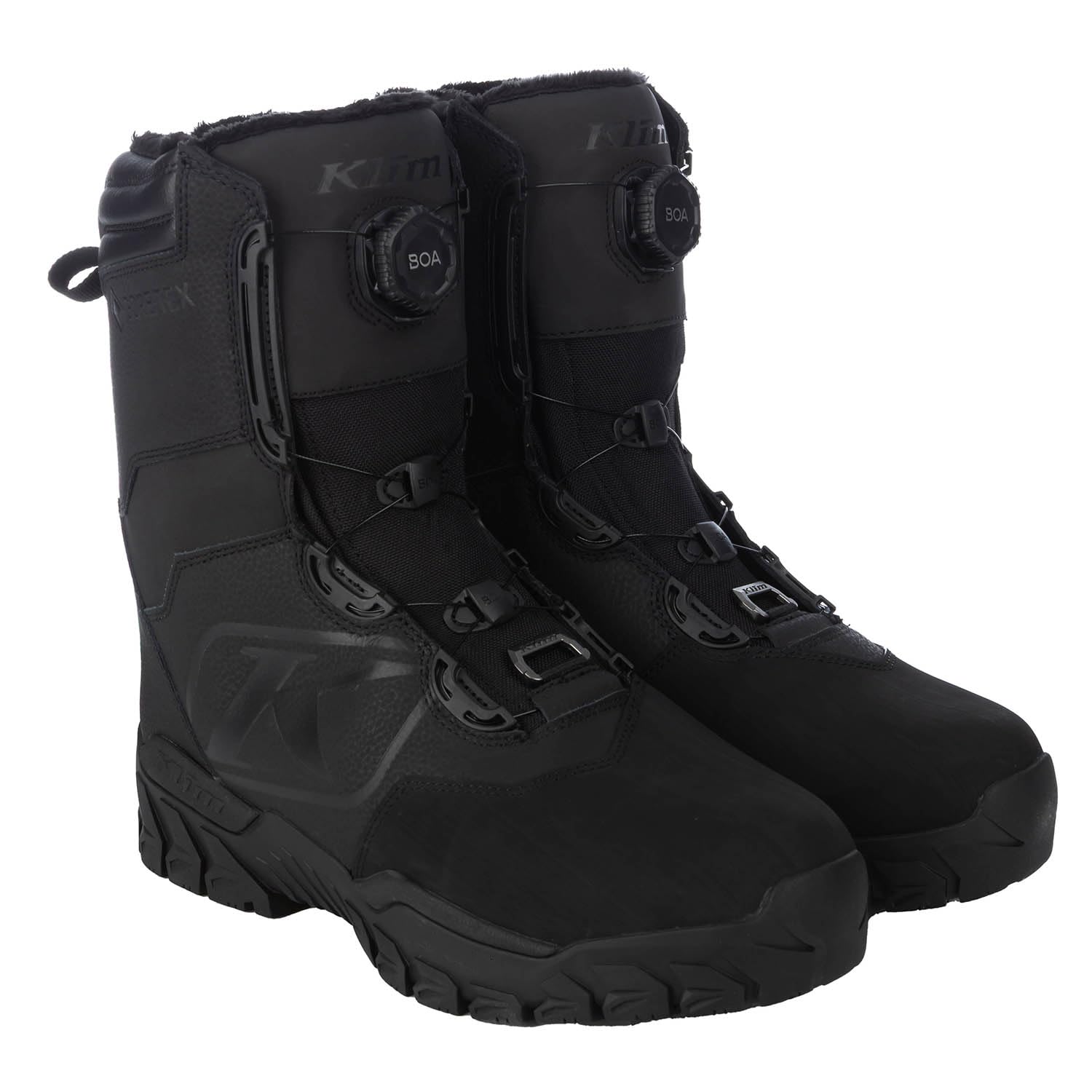
How the Dial Closure System Works
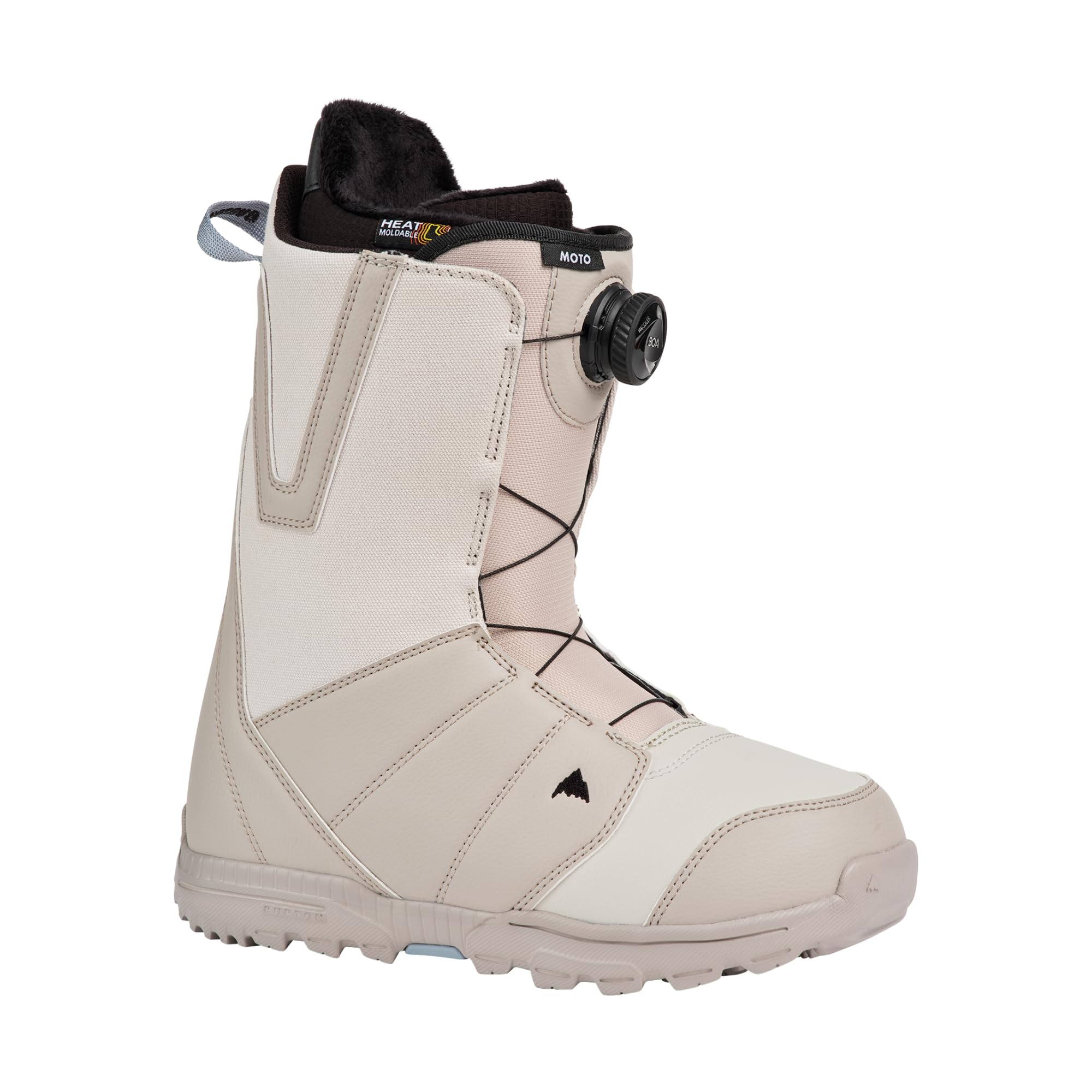
A boa boot closes with a dial that winds a thin steel cable through a row of guides, and the fit is set in small turns rather than by pulling lace tension by hand. Each click takes up a tiny, even amount of cable on both sides, so pressure spreads across the instep instead of pinching at one eyelet. Pull the dial outward and the cable spools free at once. That fine control is the point of the system: a quarter turn can ease a hot spot without undoing your fit.
One Dial or Two: Zonal Adjustment
A single dial tightens the whole boot as one zone, which is simple and light, but it cannot solve a boot that feels tight at the ankle and loose at the toes. Dual dial layouts split the cable into two zones, so the lower dial sets the forefoot while the upper dial sets the cuff. If independent zones matter for your sport or job, look at the best double boa boots designs, where each zone adjusts without disturbing the other. The trade off is one more dial and cable to maintain.
Cables, Guides, and Field Repairs
Treat the cable and its guides as wear parts, because they flex, rub, and collect grit every time you tighten the dial. A frayed cable or cracked guide changes how evenly the boot closes long before the leather wears out. Most systems use replaceable cables, and a small repair kit with a spare cable and the maker tool lets you fix a break at home or at the trailhead in minutes. Check that the kit for your boot is easy to order, since a boot you cannot restring has a short working life.
Where the System Earns Its Keep
The dial suits anyone who adjusts fit with gloves on or in the middle of an activity. Snowboarders snug the cuff between runs, riders make a mid ride adjustment without bare fingers, and workers ease pressure during a long drive between sites. Loose lace ends disappear too, removing a snag hazard around machinery and bindings. If you rarely touch your laces once tied, the system adds cost without adding much value.
How to Choose Boa Boots: A Buying Guide
Fit, Sizing, and Toe Box
Measure your feet late in the day, when they are at their largest, and try boots on with the socks you actually work or ride in. You want about a thumb of width in front of your toes and a heel that stays planted on stairs. Because the dial pulls evenly, a boa boot can feel secure in a size that would slip in laces, so judge fit by heel hold and toe room, not by how tight you can crank it.
Weight and Flexibility
Lighter boots flex more and tire your legs less, but they give up some protection on rough ground. Heavier boots with stiff soles suit work sites, sled decks, and long days on hard surfaces. Match the boot to the day: a flexible boot is a pleasure on a resort slope and a liability on a frozen job site. The dial itself adds little weight, so differences you feel come from the boot, not the closure.
Outsole Traction and Terrain
Lug depth and rubber compound decide how a boot grips your ground. Deep, spaced lugs shed mud and bite into snow, while shallower patterns with more contact area hold better on wet concrete and metal decks. Oil resistant compounds matter for garage and plant work. Look at where the cable guides sit too, since low guides take the worst of the slush and gravel your terrain throws at them.
Cushioning and Support
Midsole foam and insole quality decide how a boot feels in hour eight, not hour one. Workers on concrete benefit from thicker cushioning and a firm shank, while riders often prefer a lower, board connected feel with less foam. Ankle support comes from cuff height and the upper dial zone, not from cushioning. If you swap insoles in other boots, confirm the boot has room for a thicker pair before buying.
Break In Period and Comfort Out of the Box
Dial boots still need a break in period, because leather, liners, and foam must shape themselves to your foot no matter how the boot closes. Expect a few short wears before a stiff work or snowmobile boot feels like yours. The dial helps here: run the forefoot slightly loose during the first days and tighten as materials settle. Pain that sharpens rather than fades over the first week means the size or shape is wrong.
Durability and Expected Lifespan
A well built boa boot should serve several seasons of regular use, and the closure rarely ends its life. Uppers split, soles wear smooth, and liners pack out first, while cables are cheap wear items you replace along the way. Boots with stitched welts can often be resoled, stretching their value further. Ask how the maker handles dial and cable warranty claims, since clear support here signals a boot built to be kept.
Upper Materials and Breathability
Full grain leather shrugs off abrasion and molds to your foot, but it dries slowly and needs conditioning. Synthetic uppers are lighter and dry faster, suiting snow sports and wet work, though they scuff sooner. Waterproof breathable membranes keep slush out on long wet days, yet vent heat slowly in mild weather. Choose the upper for your wettest typical day, not your worst imaginable one.
Types of Boa Boots
Work Boots
On work sites, the dial earns its price through speed and glove friendly adjustment across a long shift. The best boa work boots pair the closure with safety toes, supportive shanks, and uppers that tolerate concrete dust and mud. There are no lace ends to catch on ladders or machinery, and a quick quarter turn loosens the boot for a driving break.
Snowboard Boots
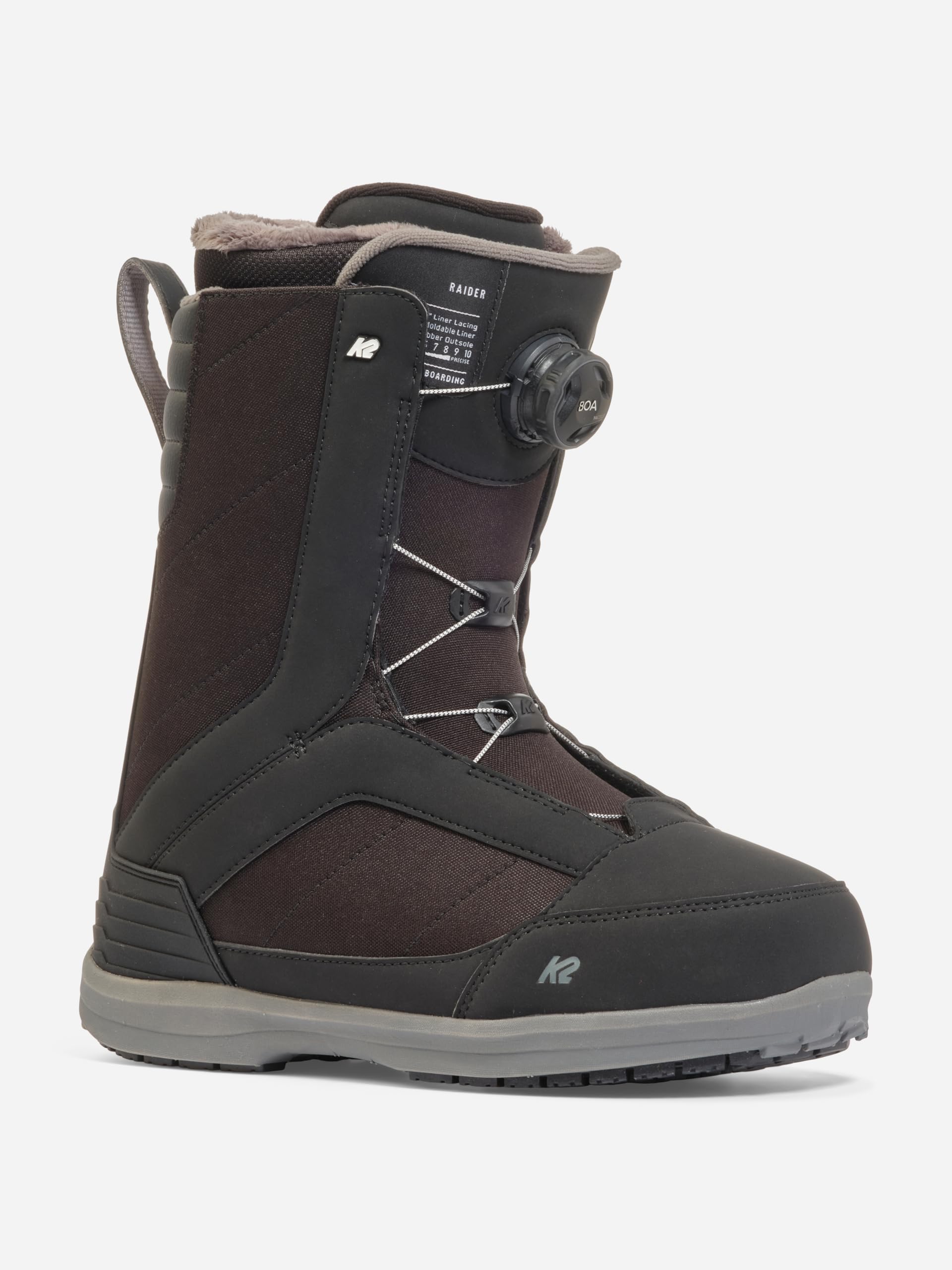
Snowboarding is where dial closures took hold first, because riders adjust fit constantly between runs. The best boa snowboard boots use the dial to lock the heel down, the movement that decides board control. Riders comparing the best boa boots snowboarding setups usually choose between one dial for simplicity and two dials that allow a soft forefoot with a firm cuff.
Snowmobile and Winter Boots
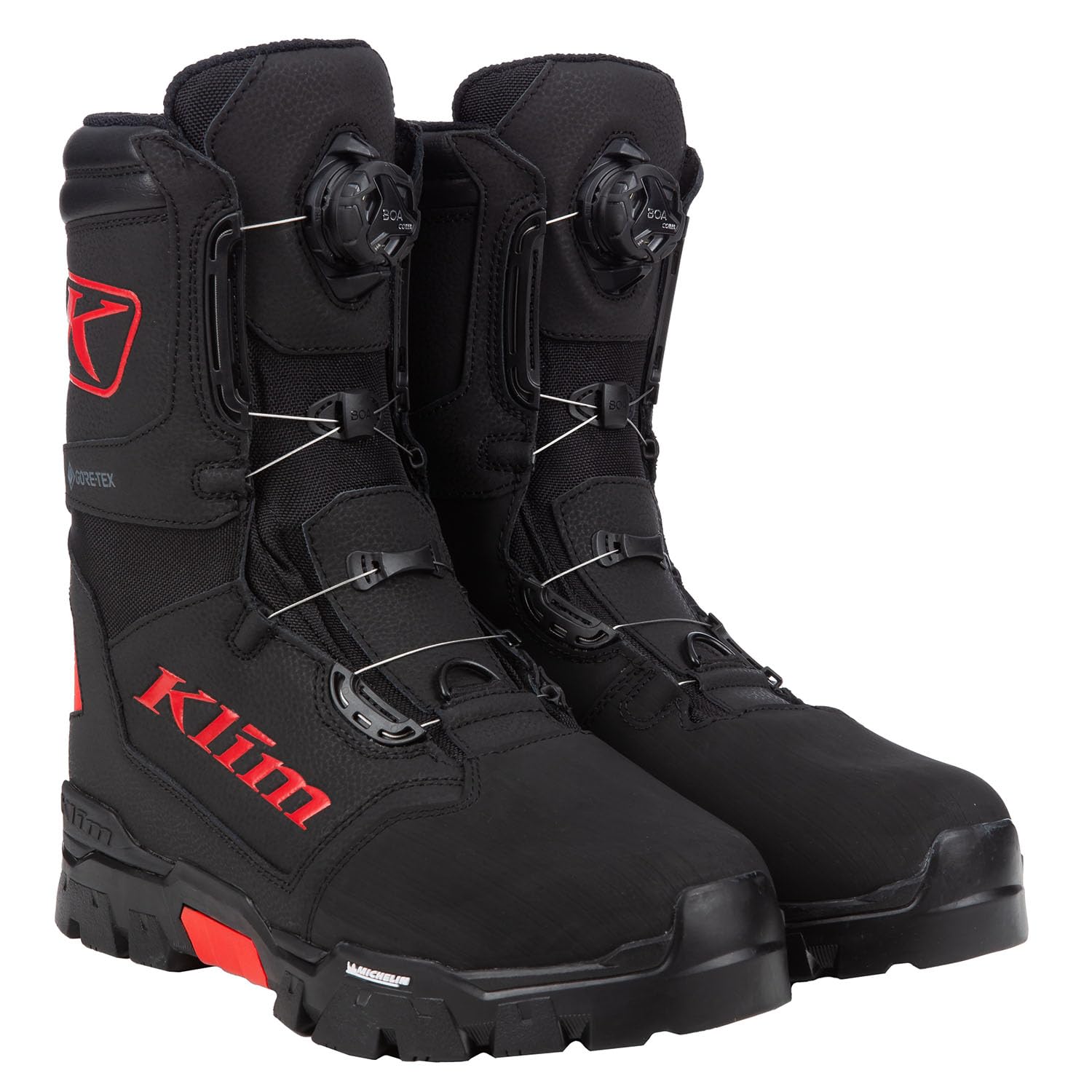
Sled and deep winter boots are tall, bulky, and worn with thick socks and liners, a combination that makes laces slow and clumsy. The best boa snowmobile boots put the dial where heavy gloves can reach it, and the cable closes a tall cuff evenly so the liner does not bunch. A dial you can turn in mitts beats any lace system with cold fingers.
Tips to Get the Most From Your Boa Boots
- Pop the dial fully open before pulling the boot off, so the cable releases evenly instead of dragging under tension.
- Rinse grit out of the cable guides after muddy or slushy days, because trapped grit is what frays cables first.
- Keep a spare cable and the maker tool with the boots you travel with, so a break never ends a trip.
- Air dry wet boots away from direct heat, which cracks leather and warps molded liners.
- Rotate two pairs if you wear boots daily, so foam and liners recover between shifts.
Boa Boots: Your Questions Answered
Are expensive boa boots worth it?
Expensive boa boots are worth it when the extra money buys better uppers, soles, and support rather than extra dials. One point buyers miss is that the dial and cable on many systems carry a maker guarantee, so the closure is rarely the risky part of a premium boot. If the boot around the system is ordinary, a mid priced pair serves you just as well.
How long is the break in period for boa boots?
The break in period for boa boots runs about three to five wears for soft snowboard boots and up to two weeks of shifts for stiff leather work boots. The dial shortens the uncomfortable part, because you can vary tension through the day instead of choosing between too tight and too loose each morning. Wear new boots at home first, and keep the first full day out for a pair that already feels close.
How often should I replace my boa boots?
Replace boa boots when the upper splits, the sole wears smooth, or the liner stays packed out after rest, not on a fixed schedule. Cables are different: replace one at the first fray, since a strand failure under load usually means the rest are close behind. One cable swap during a boot's life is normal maintenance, not a defect.
Do I need waterproof boa boots?
You need waterproof boa boots if your days involve slush, wet snow, or standing water, because a soaked liner stays cold and heavy for hours. For dry cold or indoor work, a non waterproof upper breathes better and dries faster overnight. One caution: waterproof membranes slow drying once water gets in over the cuff, so tall shafts and gaiters matter as much as the membrane in deep snow.
Can I wear boa boots all day?
You can wear boa boots all day if the fit is right, and the dial makes long days easier than laces do. A quick loosening at lunch restores circulation after hours of standing, then a few clicks bring back support for the afternoon. That mid day adjustment is something lace wearers rarely bother with. If your feet swell heavily by evening, size for the swollen foot and run the dial looser in the morning.
The Bottom Line
Choose the boot for your job or sport first, then judge the closure: an even winding dial, guides you can clean, and cables you can replace. The best boa boots are simply good boots whose dial system keeps its fit promise with gloves on, day after day. Compare the options in the product table, measure your feet in the evening, and keep a spare cable kit wherever the boots live.