Best Boa Snowmobile Boots: A Buyer Checklist for 2026
Disclosure: We may earn a commission when you buy through links on this page, at no extra cost to you. As an Amazon Associate I earn from qualifying purchases. Learn more

Compare the best boa snowmobile boots by BOA dial layout, insulation, waterproofing, sole grip and fit with thick socks, using a clear buyer checklist.
A snowmobile boot must keep your feet warm and dry while you stand on narrow running boards, walk through deep snow, and ride for hours. The best boa snowmobile boots do that work and let you adjust the fit with thick gloves on, without loose laces trailing near moving parts. Use this checklist and the product table below to judge each pair.
Start with how you ride. Trail miles in deep cold call for maximum insulation and a tall shaft, while mountain riding rewards a stiffer sole and secure heel hold. Sock thickness matters as much as the dial.
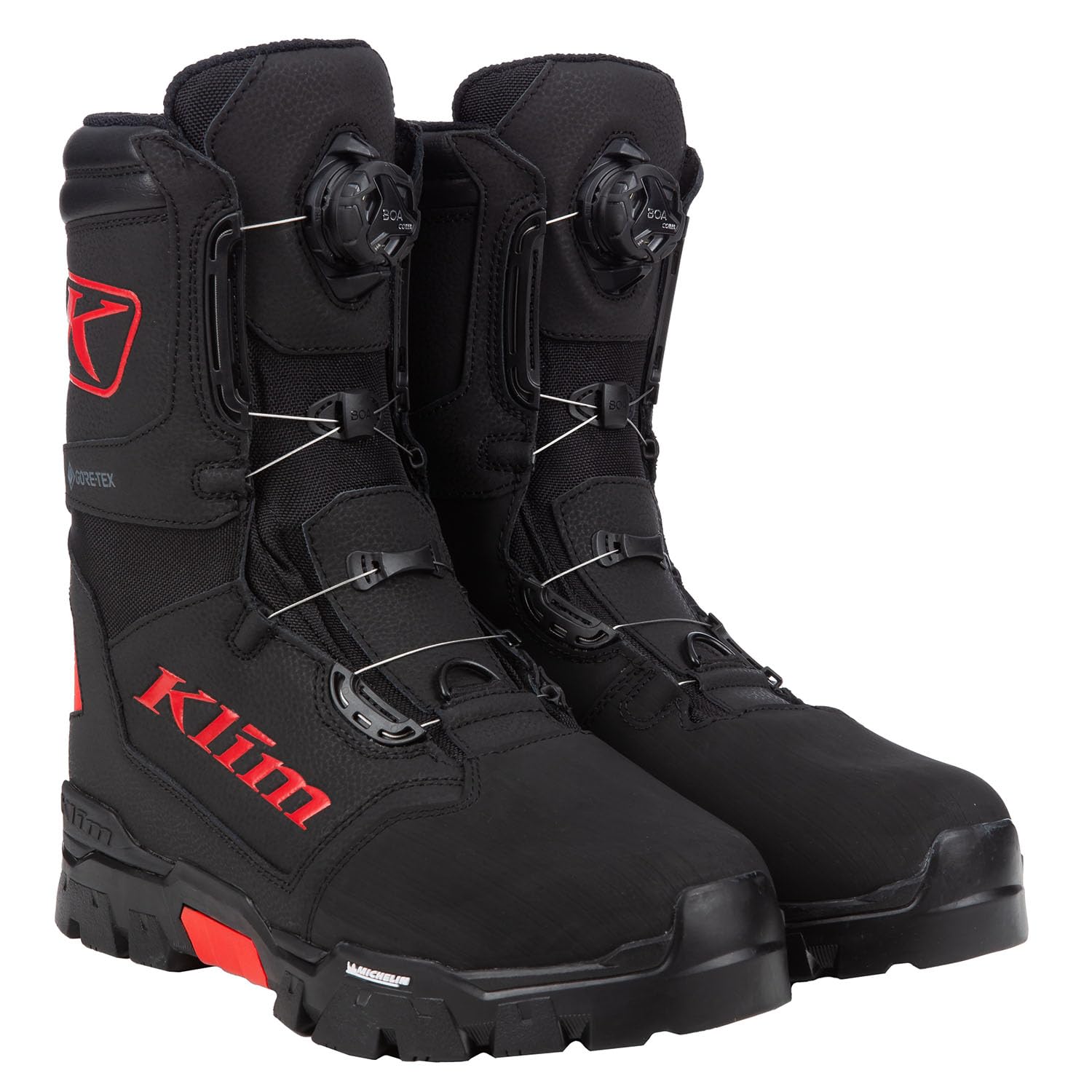
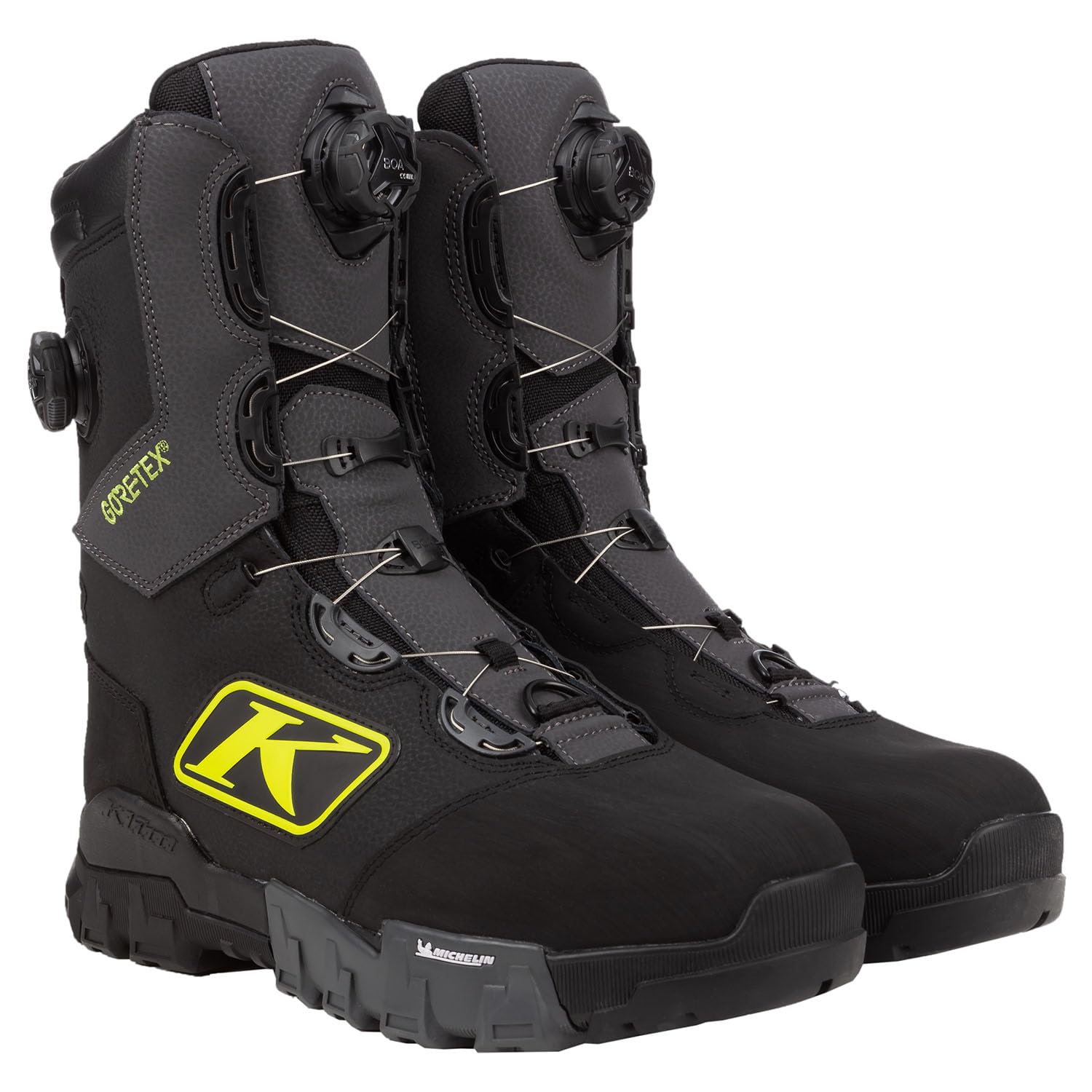
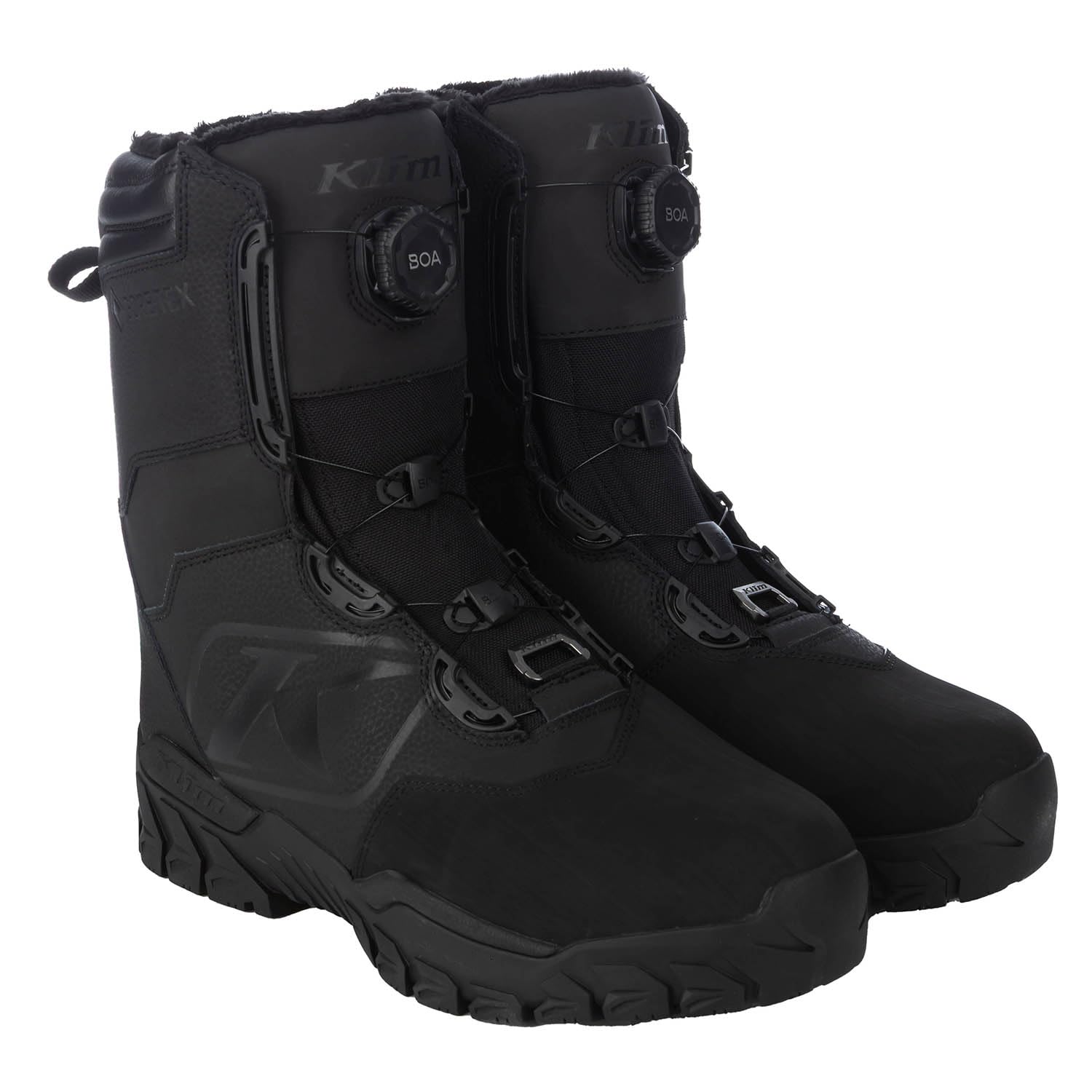


Who Should Buy Which Boa Snowmobile Boots?
Pick by the riding you do most often, because a trail boot feels different from a mountain boot.
Trail Riders Covering Long Miles in Deep Cold
You sit for long stretches with wind hitting your shins, then stand briefly at crossings. Choose the warmest insulation you can afford, a tall shaft that meets your bibs, and a dual zone dial layout so the ankle stays snug while the lower foot keeps room for circulation. A moderately stiff sole gives board support without fighting you as you shift weight.
Mountain Riders Who Stand and Move Constantly
You ride standing, step from board to board, sidehill, and sometimes dig the sled out of deep snow. Choose a stiffer sole, a secure heel cup, and an outsole with deep lugs that grip packed snow when you walk. Separate control over the ankle helps stop heel lift when you lean, and lower weight matters on a full active day.
Utility Riders and Ice Anglers Who Get On and Off Often
You ride to a work site or a fishing spot, then walk, haul gear, and stand on ice. Choose a wider toe box, a sole that flexes enough for walking, and a dial you can open fast indoors. For a similar dial closure off the sled, see our guide to the best boa work boots for job site options.
Key Features to Compare
Compare these factors in the same order each time. When you compare boots this way, a low price cannot hide weak insulation or a slippery sole.
BOA Dial Layout and Cable Routing
The BOA system uses a dial that winds a steel cable through low friction guides, so a small turn tightens the whole boot evenly. A single dial adjusts the full boot at once and is simple with gloves. Dual zone layouts use two dials, one for the lower foot and one for the ankle, so you can lock the heel without crushing your toes. Check that dials sit where bibs will not press them open. Our wider guide to the best boa boots shows the closure in other styles.
Insulation and Temperature Rating
Insulation traps warm air around your foot, and makers often rate boots at about minus 40 to minus 60 degrees for active riding. Treat ratings as rough guides, because a moving rider makes more heat than a passenger who sits still. Thick insulation adds bulk, so very warm boots can feel clumsy on narrow boards. Match the rating to your coldest usual day, with room for the warm sock it assumes.
Waterproof Membrane and Sealed Seams
A waterproof membrane inside the shell blocks melted snow while letting some moisture vapor escape, and sealed seams close the stitch holes where water would otherwise enter. The membrane does the real work once snow melts against a warm boot. Look for a gusseted tongue that keeps snow out at the front opening. Riders who cross lake overflow or ride wet spring snow should rank this factor first.
Fit, Sizing, and Toe Box Room for Thick Socks
Measure your feet in the evening while wearing your riding socks, because feet swell slightly and thick socks change the size you need. Your toes should wiggle freely and never press the front when you lean forward, since tight toes lose circulation and turn cold fast. Many models come in whole sizes only, so a half size foot may need the larger size plus a thicker insole. Women should see our guide to the best women's snowmobile boots, and men with wide feet our guide to the best men's snowmobile boots.
Sole Stiffness and Outsole Grip on Running Boards
The sole must do two jobs that pull in opposite directions. It should stay stiff enough that a running board edge does not press into your arch when you stand for hours, yet flex at the toes for walking in snow. The outsole should stay grippy in deep cold, with lugs that bite the board and shed snow instead of packing smooth. A flat sole that feels fine in a warm shop can skate on ice.
Shaft Height, Shin Support, and Boot Weight
A tall shaft, often about 10 to 12 inches, keeps deep snow out, supports your shin, and gives the upper dial a long zone to tighten. Shorter shafts feel lighter and walk more easily, but they let powder pour in when you step off the sled. Total weight often runs about 4 to 6 pounds per pair, and lighter boots reduce leg fatigue on active days.
Pre Order Checks for Sled Ready Warmth and Grip
Run through these questions before you order, and treat any no answer as a reason to look at another pair. If you still weigh dial closure against laces, see our guide to the best snowmobile boots for the broader field.
- Can you turn and release the dial easily while wearing your thickest riding gloves?
- Does the insulation rating match your coldest usual riding day with margin to spare?
- Is the membrane waterproof, with sealed seams and a tongue that keeps snow out?
- Can you wiggle every toe while wearing your riding socks and standing upright?
- Does the heel stay seated when you walk, climb stairs, and lean forward?
- Will the sole grip a metal running board and still let you walk in deep snow?
- Does the shaft meet your bibs so powder cannot pour in at the top?
- Can you buy replacement dials, cables, and liners later?
Two or more no answers usually mean the boot fits a different rider. Boots rarely gain warmth or grip after purchase.
Common Mistakes to Avoid
- Buying your street shoe size leaves no room for thick socks, so toes compress, lose circulation, and turn cold fast.
- Cranking the dial fully tight cuts blood flow to your feet, which makes well insulated boots feel far colder than they should.
- Choosing a soft walking sole for standing riding lets the board edge press into your arch and tires your feet.
- Ignoring the temperature rating and buying by looks alone leaves trail riders under insulated on the coldest days.
- Leaving snow packed around the dial lets melt water freeze there later, which can jam the dial when you need it.
- Skipping a spare cable kit on a remote trip turns one small break into a loose boot for the rest of the ride.
How to Make Your Boa Snowmobile Boots Last Longer
After each ride, pull the liners out and let the boots air dry at room temperature away from direct heat, because strong heat can crack leather, warp shells, and damage the membrane. Brush snow from the dial and cable guides so grit does not grind inside. Stuff damp boots loosely with newspaper, and replace the paper once it feels wet.
Work the dial through its full range a few times each month in the off season, and inspect the cable for fraying. Clean mud and road salt off with plain water, then store the boots upright in a cool dry place. Replace worn liners before you blame the shell, because a packed out liner loses much of its warmth.
Frequently Asked Questions
How often should you replace BOA snowmobile boots?
Replace BOA snowmobile boots when the insulation feels packed down, the sole tread wears smooth, or the shell cracks and lets water in. For many riders that point arrives after about four to six seasons. A frayed cable or worn dial alone is not a reason to replace the boot, because those parts are made to be swapped at home.
How long does the break in period take for BOA snowmobile boots?
Most BOA snowmobile boots feel close to their final fit within two or three short rides, because the dial closure and padded liner need little stretching. Wear a new pair around the house before a long trip. Sharp heel blisters signal a fit problem rather than a stage you should push through, so exchange a pair that rubs from the start.
How should BOA snowmobile boots fit with thick socks?
BOA snowmobile boots should feel snug at the heel and midfoot, with open space around the toes, while you wear your riding socks. Stand and press your weight onto one foot as you would on a running board. Your toes should not strike the front, and your heel should barely move. Bring your riding socks to the shop, because thin socks can hide a full size of error.
Are expensive BOA snowmobile boots worth the extra cost for trail riding?
Expensive BOA snowmobile boots can be worth it for trail riding when the price buys a dual zone dial, warmer insulation, and a replaceable liner rather than styling. Riders who log long miles in deep cold feel those gains every trip. Occasional riders may notice little difference. Expect about $200 to $400 for most quality pairs.
Do BOA snowmobile boots need to be fully waterproof for powder riding?
Yes, BOA snowmobile boots for powder riding need real waterproofing, because deep snow works into every seam and then melts against the warm shell. A water resistant coating alone wets out during a long day, and damp insulation loses warmth quickly. Look for a membrane, sealed seams, and a tall shaft working together. Trail riders benefit too, since slush appears even on managed routes.
Final Thoughts
Judge every pair by the same list: a dial layout you can work with gloves, insulation matched to your coldest usual day, real waterproofing, room for thick socks, and a sole that grips the boards. Use the product table before you order.
When you choose best boa snowmobile boots by fit and warmth first and by price last, you get a pair that stays comfortable on your longest and coldest rides.