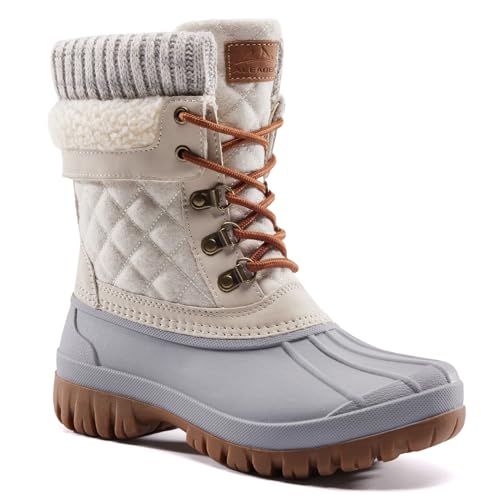
Best Boots for Working Outdoors in 2026: Which One Fits the Way You Use It?
Disclosure: We may earn a commission when you buy through links on this page, at no extra cost to you. As an Amazon Associate I earn from qualifying purchases. Learn more

Match boots for working outdoors to your ground, weather and protection needs, so you avoid overpaying and get the right fit the first time.
There is no single boot that suits every outdoor job, because a landscaper crossing wet lawns all morning needs something different from a utility worker climbing in and out of a trench. The best boots for working outdoors for you match your ground, your weather, and the hours you spend on your feet, so this guide starts with your use case rather than a price tag. Use the comparison table below to line up the types that fit your work.
Think first about the surface under you, the water you meet, and any protection your job requires. A light, breathable boot feels great on dry ground but gives up quickly in mud, while a tall insulated pair can feel heavy and hot through a summer shift.


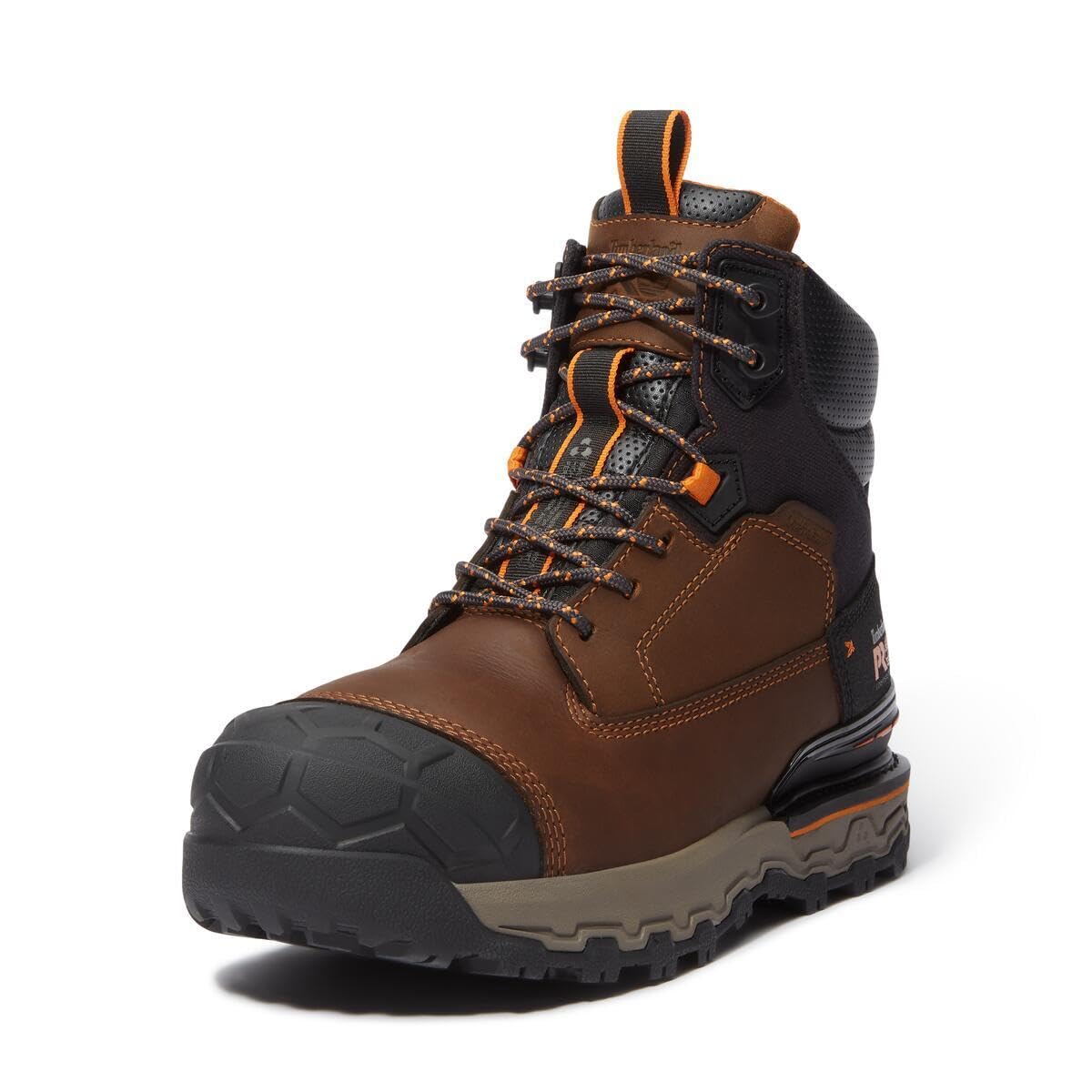
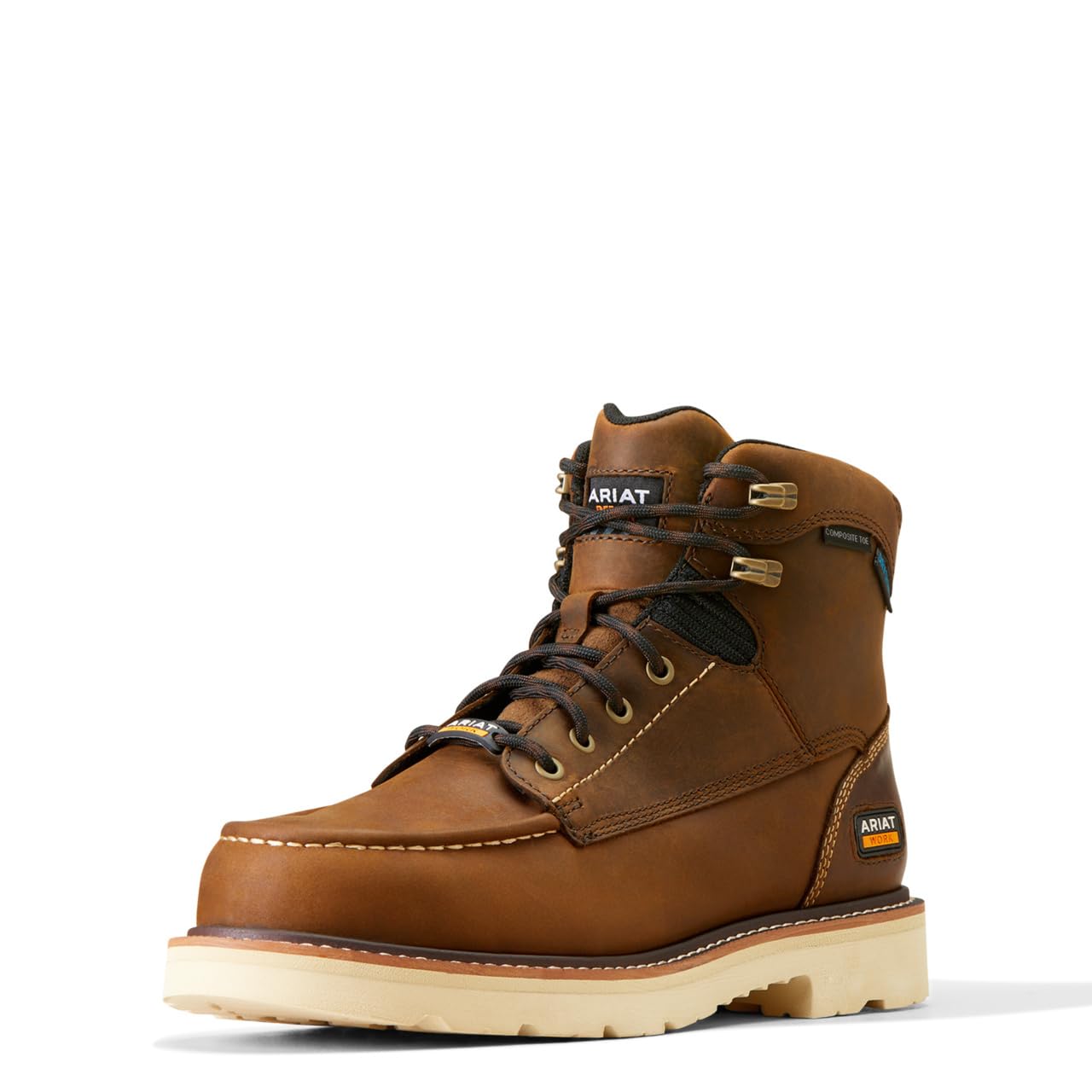
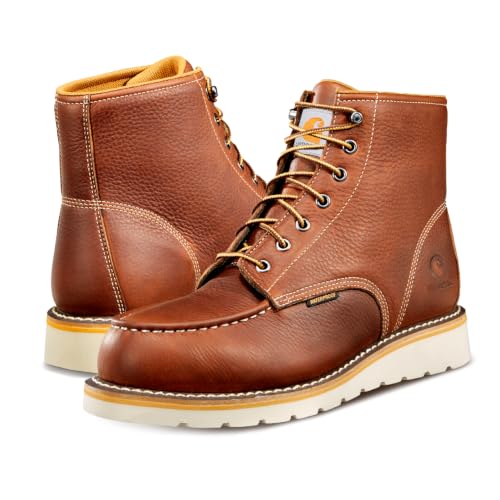


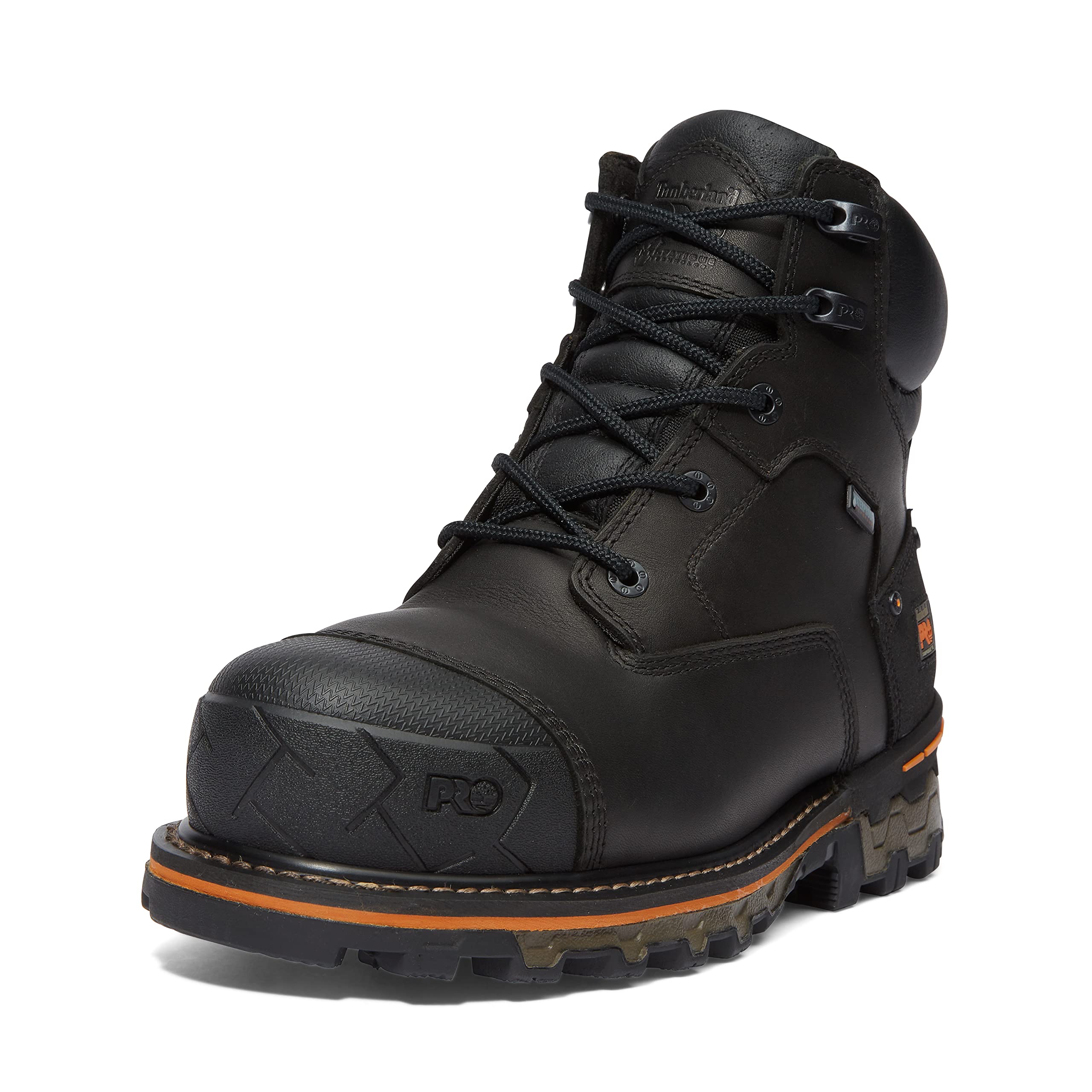

Which Outdoor Workers Need Which Boot Type?
Start by placing yourself in the group closest to your working week.
For All Day Grounds, Farm and Landscaping Crews
You walk constantly on soft, uneven, or freshly watered ground, and you kneel, lift, and carry through the day. Prioritize a flexible outsole with real grip, cushioning that stays supportive for hours, and an upper that sheds mud and rinses clean.
For Construction, Utility and Heavy Work Outdoors
Your risks come from what can fall, roll, or press on your feet, and from hard ground that punishes your joints. Prioritize toe protection that meets the standard your employer requires, a firm shank for stability on ladders and rubble, and thick leather or reinforced panels where tools scrape. Weight matters less here than protection, since a heavier boot that guards your toes and holds your arch steady feels easier by the end of a shift.
For Wet Weather and Cold Season Outdoor Work
You work through rain, puddles, wet concrete, or early frost, and your feet stay cold long after your hands warm up. Prioritize a waterproof membrane, a shaft tall enough to keep splashes out, and insulation matched to how much you move, since active work generates heat while standing still does not. For a wider look at styles built for rough ground, see our guide to the best outdoor boots.
Key Features to Compare
Compare these factors in the order your work demands them. Protection and fit come first, then the features that shape comfort across a full shift outdoors.
Fit, Sizing, and Toe Box for Outdoor Work Boots
Measure both feet late in the day, when they are at their largest, and try boots on with the thick socks you actually wear to work. Your longest toe should sit clear of the front, with room to spread when you crouch or push off on a slope, and your heel should stay seated as you walk. If you fall between sizes, choose the size that keeps your heel locked, then adjust volume with an insole rather than thicker socks alone.
Waterproofing, Gore Tex and Breathability in Outdoor Work Boots
A waterproof membrane such as Gore Tex blocks rain and puddle water while letting some sweat vapor escape, and that balance decides whether the feature helps you. Choose full waterproofing if you cross wet grass, mud, or shallow standing water most days. Choose a breathable, unlined boot if your work is mostly dry and hot, because a membrane in summer heat can hold warmth against your foot. Waterproofing ends at the top of the shaft, so deep water enters any standard work boot from above.
Outsole Traction and Terrain for Outdoor Work Boots
The outsole is your contact with mud, wet stone, gravel, and slick concrete, so match the lug pattern to your ground. Deep, widely spaced lugs shed mud and bite into soft soil, while shallower, flatter patterns grip hard surfaces and resist picking up stones. Rubber compounds marked for grip on wet floors help on smooth concrete and loading bays. A worn smooth outsole is a safety problem outdoors, since one slip under load can injure you.
Cushioning, Arch Support and Stability for Outdoor Work Boots
Cushioning softens each step on concrete and packed ground, while arch support and a firm heel counter keep your foot from rolling inward as you tire. If you stand in one place for long stretches, choose steady support and a thicker midsole over a soft, springy feel that compresses flat by noon. If you have ongoing foot pain, numbness, or swelling that does not settle after rest, talk with your clinician about your personal needs before your next purchase.
Toe Protection, Shaft Height and Weight for Outdoor Work Boots
This is where the best boots for working outdoors separate from general outdoor footwear, because your choice must answer to your job hazards first. Steel toe caps give proven protection in a slim profile, composite toe caps weigh less and stay warmer in winter, and soft toe boots suit work with no impact requirement. Taller shafts, around 8 inches, brace your ankle on rough ground and keep debris out, while 6 inch shafts feel freer in heat. Pick the lightest boot that still meets your protection needs.
Common Mistakes to Avoid When Buying Boots for Working Outdoors
Most returns and sore feet trace back to a short list of avoidable errors. Check your shortlist against these before you order.
- Choosing by price alone, because a cheap boot that fails in one season costs more than a sound boot that serves for several.
- Skipping the fit check and ordering your shoe size, because work boots often size differently and will rub or slide all shift.
- Buying a size up for thick socks, because the extra length lets your foot slide forward and jams your toes on slopes.
- Ignoring the protection your employer requires, because a soft toe boot sent home from a controlled site wastes the purchase.
- Picking full insulation for warm weather work, because overheated feet sweat, soften, and blister faster than cool feet do.
- Never checking warranty or return terms, because a stitching or sole bond defect only shows after real use outdoors.
How to Make Your Boots for Working Outdoors Last Longer
Brush mud off after each shift and loosen the laces so air can move through the boot overnight. Air dry wet boots at room temperature, away from direct heat such as radiators or truck vents, because strong heat dries leather until it cracks and can loosen sole bonds. Rotate two pairs if you work outdoors daily, since a full day of rest lets the cushioning recover its shape and lets the lining dry completely.
Clean leather with a damp cloth and mild soap when dirt builds up, then apply a conditioner or proofing treatment suited to the leather once it is dry, because neglected leather absorbs water and stiffens. Inspect laces, eyelets, and the join between upper and sole every few weeks, and replace flattened insoles when you start to feel the ground through them.
Boots for Working Outdoors: Your Questions Answered
What features matter most in boots for working outdoors?
Fit, required toe protection, and outsole grip matter most, in that order. One point buyers overlook is closure: pull on boots shed mud and go on fast at the door, while laced boots adjust through the day as feet swell, so choose the entry style that matches how often you take your boots off.
How should boots for working outdoors fit?
Boots for working outdoors should feel snug at the heel and midfoot, with clear space ahead of your toes. Test the fit on a slope or a step edge if the store allows it, because toes that barely clear the front while level will jam when you walk downhill with a load. Side to side sliding, though, means the last is too wide for you.
How long is the break in period for boots for working outdoors?
Most outdoor work boots need about one to two weeks of regular wear before the leather and midsole settle to your stride. Start with shorter shifts or half days, and keep a proven pair in rotation while the new boots soften, because a brand new pair worn for long shifts all week is a common route to blisters.
Are expensive boots for working outdoors worth the cost?
Expensive boots for working outdoors are worth it when the higher price buys repairable construction, better leather, and a warranty you can actually use. Many solid work boots fall about $120 to $250, and paying toward the top of that range makes sense for daily wear on hard ground. Judge value by cost per season, not by the tag.
Do I need waterproof boots for working outdoors?
You need waterproof boots for working outdoors if your shift regularly crosses wet ground, wash down areas, or rain that lasts for hours. Occasional splashes are different: a treated leather boot sheds light wetting and dries faster afterward, so it can be the smarter pick in a mostly dry climate. A waterproof lining also slows drying once water gets in over the top, which argues for a taller shaft if puddles are part of your route.
Can I wear boots for working outdoors all day?
Yes, you can wear boots for working outdoors all day if the fit, support, and weight suit your workload. Build up wear time during the first week, change into dry socks at midday if your feet sweat heavily, and note where pressure appears, because a hot spot at hour two becomes a blister by hour eight.
Wrapping Up
Start with the group that matches your working week, then rank fit, protection, and grip above every other feature. Let your ground and your weather decide waterproofing, insulation, and shaft height. Chosen that way, the best boots for working outdoors stop being a gamble and become a tool you trust each morning. Compare your finalists in the product table above and order the pair that answers your hardest working day.