
Best Boa Snowboard Boots: A First Time Buyer's Guide for 2026
Disclosure: We may earn a commission when you buy through links on this page, at no extra cost to you. As an Amazon Associate I earn from qualifying purchases. Learn more

Beginner guide to the best boa snowboard boots: dial tension zones, forgiving flex, fit, sizing and what each price band buys.
Your first pair of snowboard boots sets the tone for every day you spend learning, and the closure system is the part you will touch most. The best boa snowboard boots for a beginner are not the stiffest or the most expensive pair on the wall. They are the pair whose dial tension, flex, and fit match a rider who is still building basic skills.
This guide walks through the basics in plain language, from how a dial closure works to how a boot changes after a few weeks of riding. The product table gathers the picks side by side so you can see how the classes differ before the detail sections.
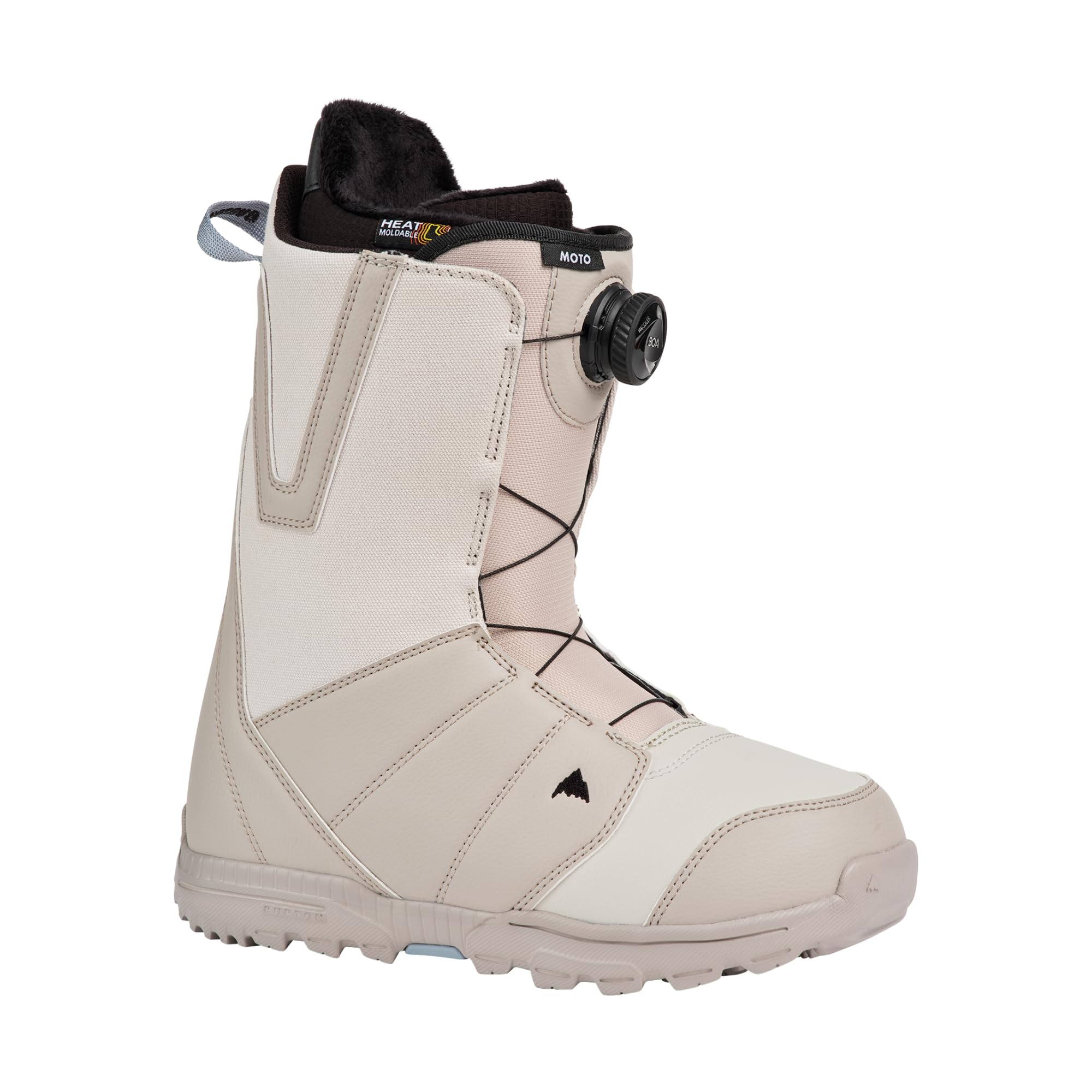
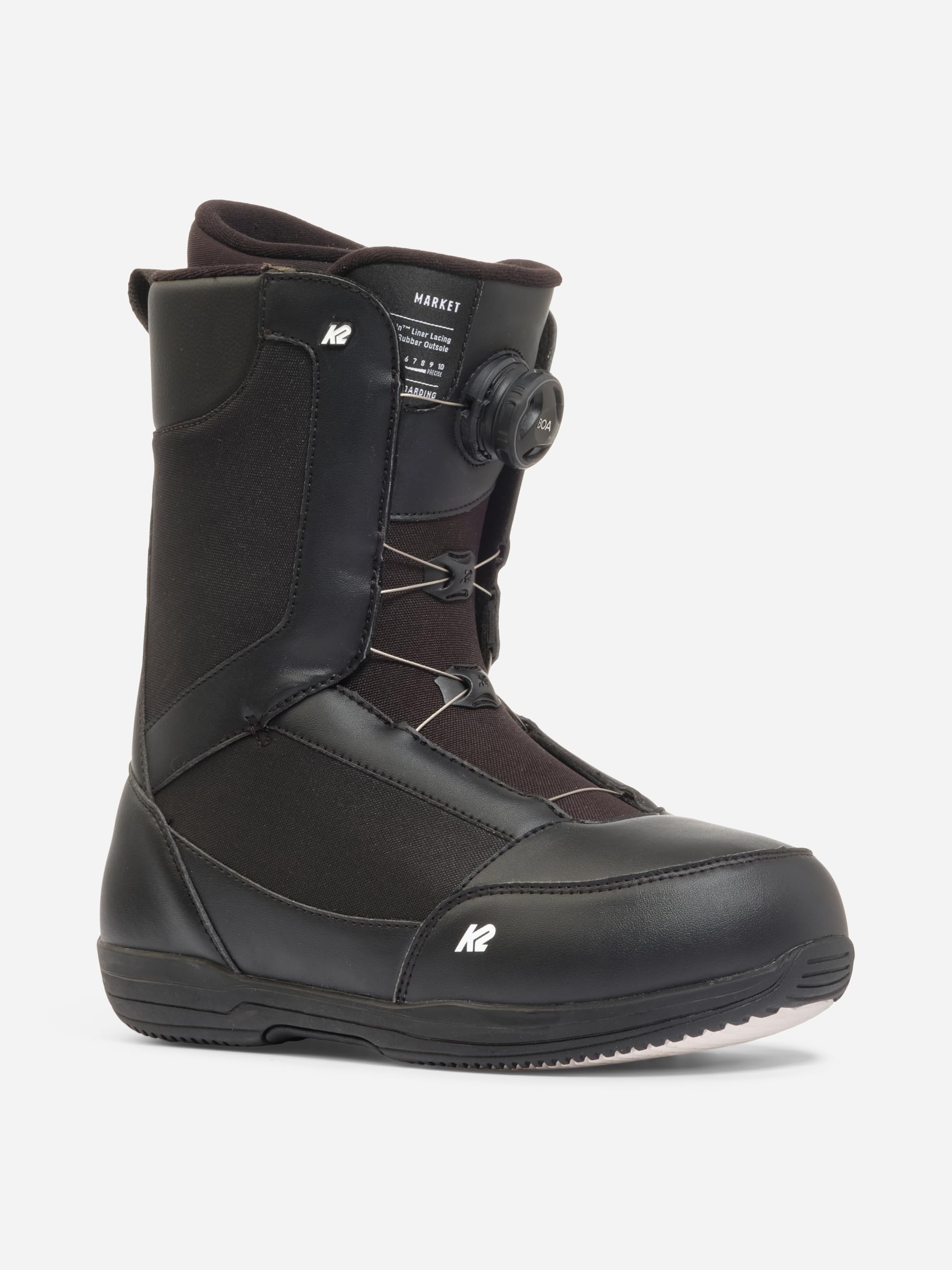

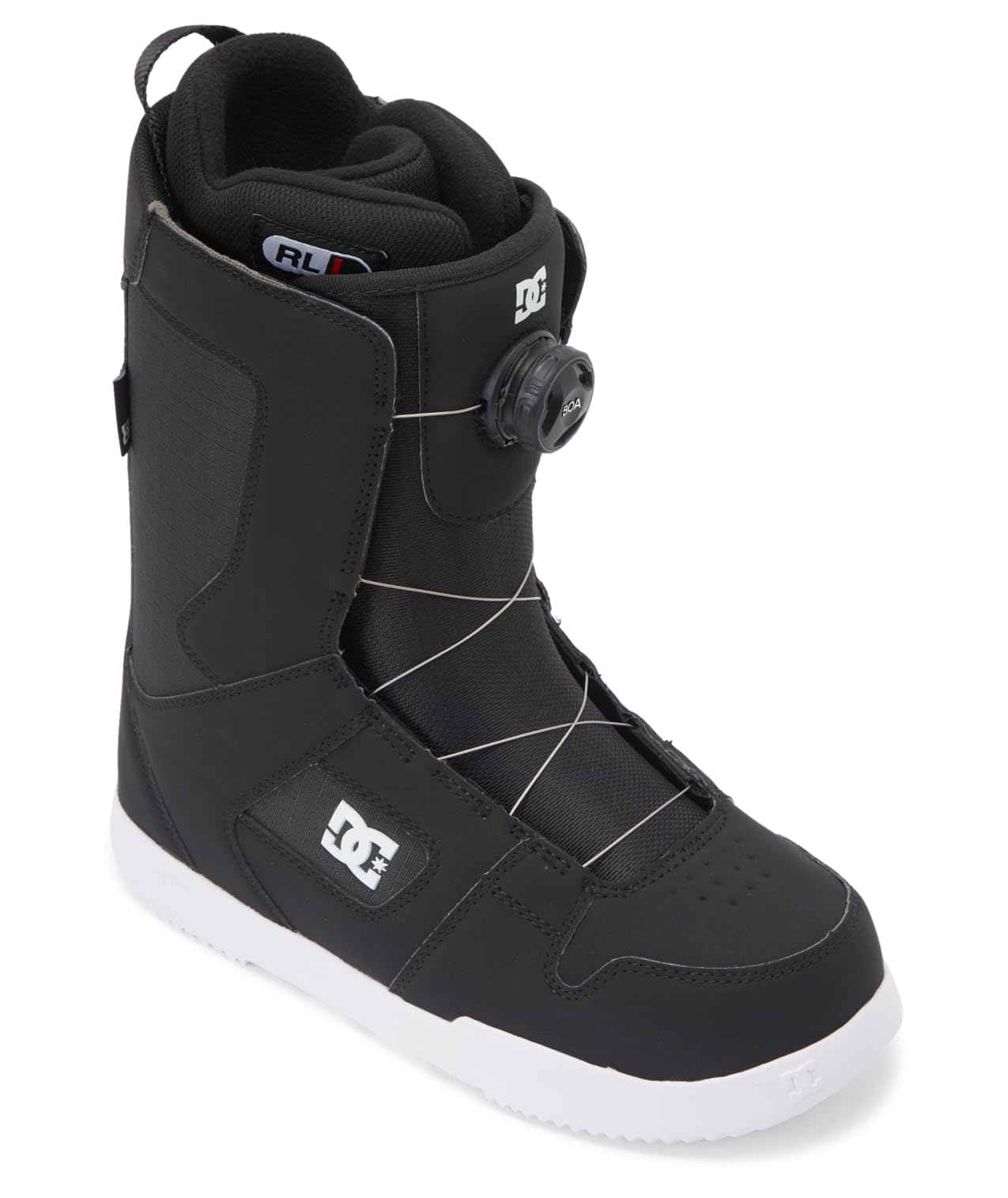
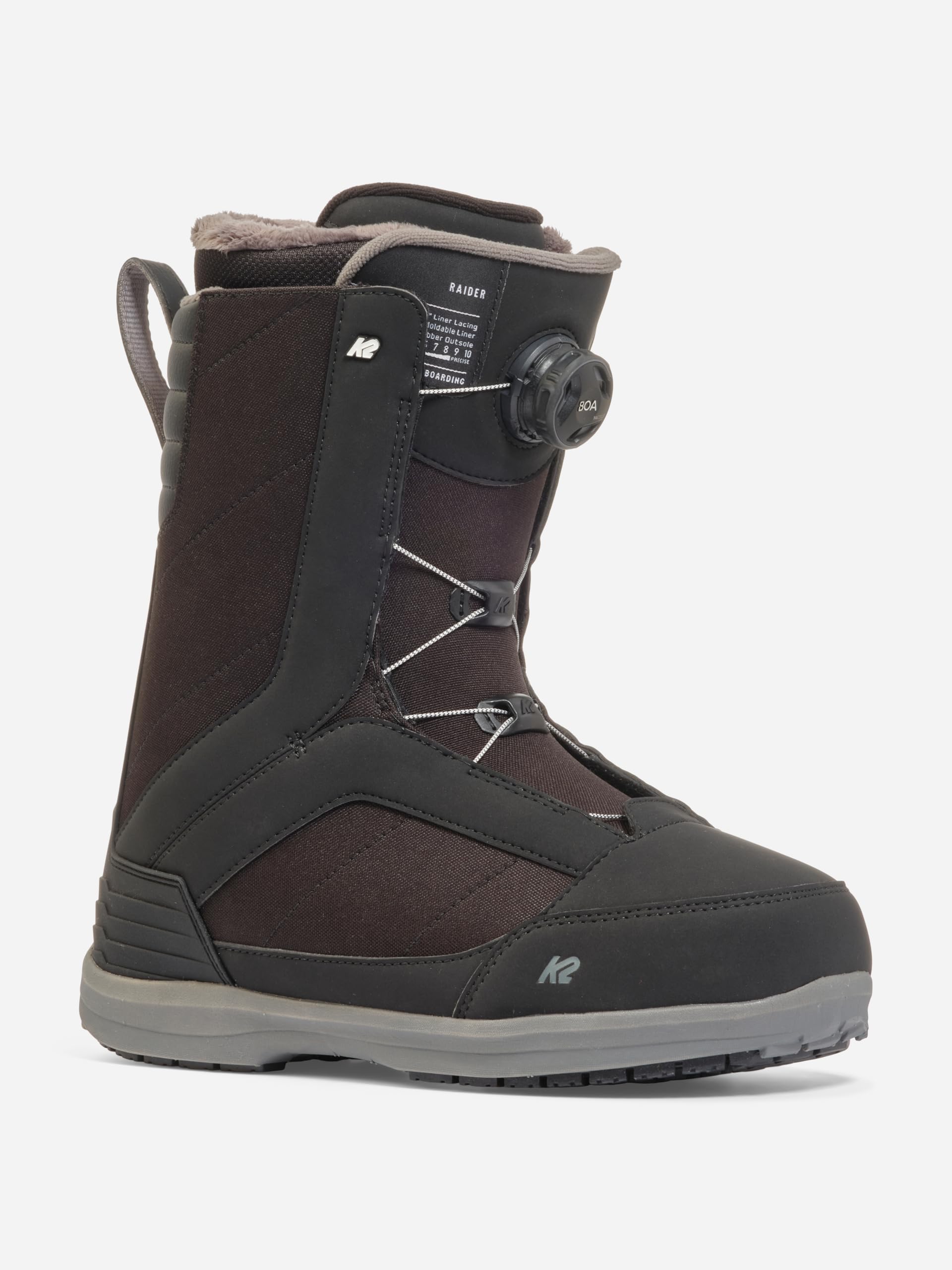
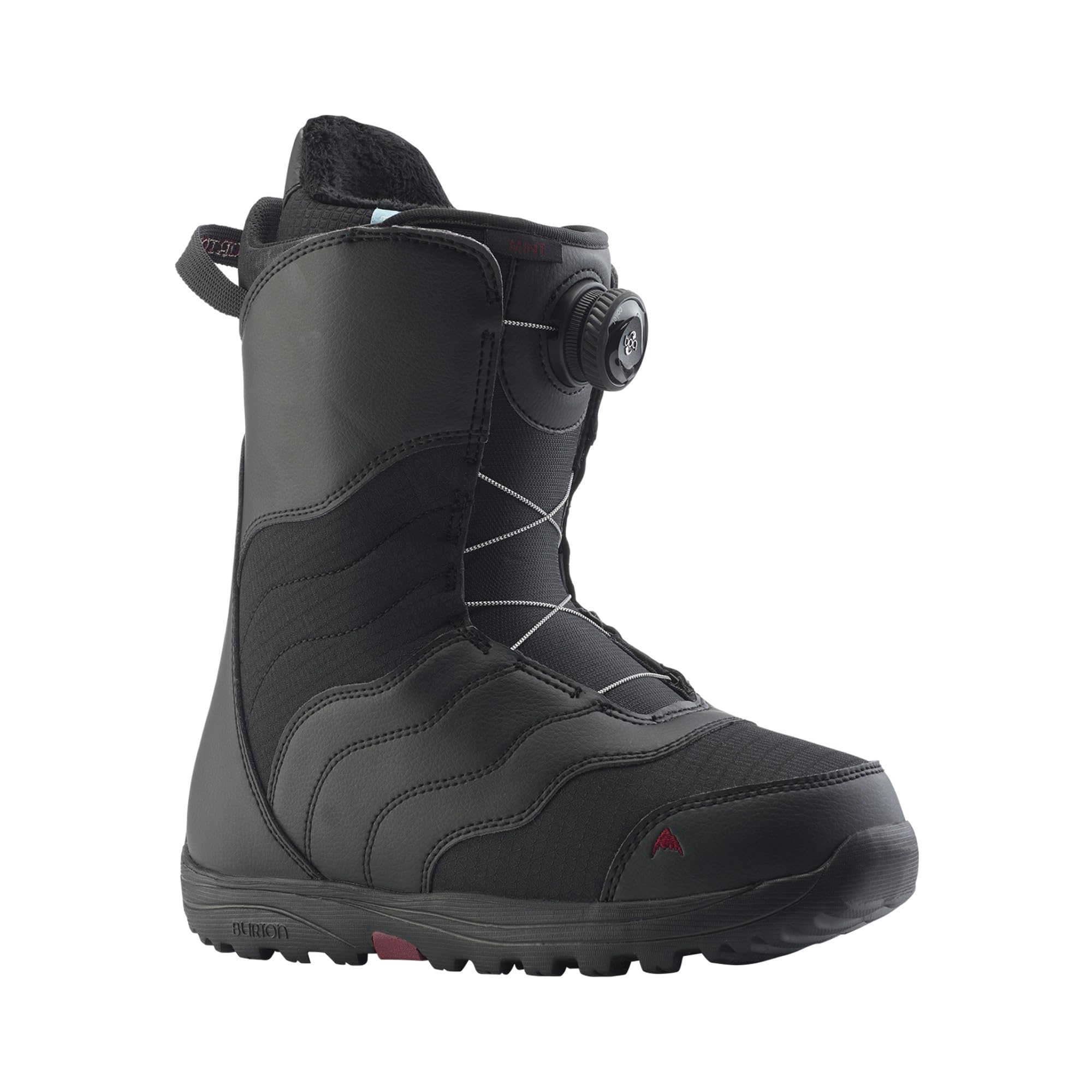
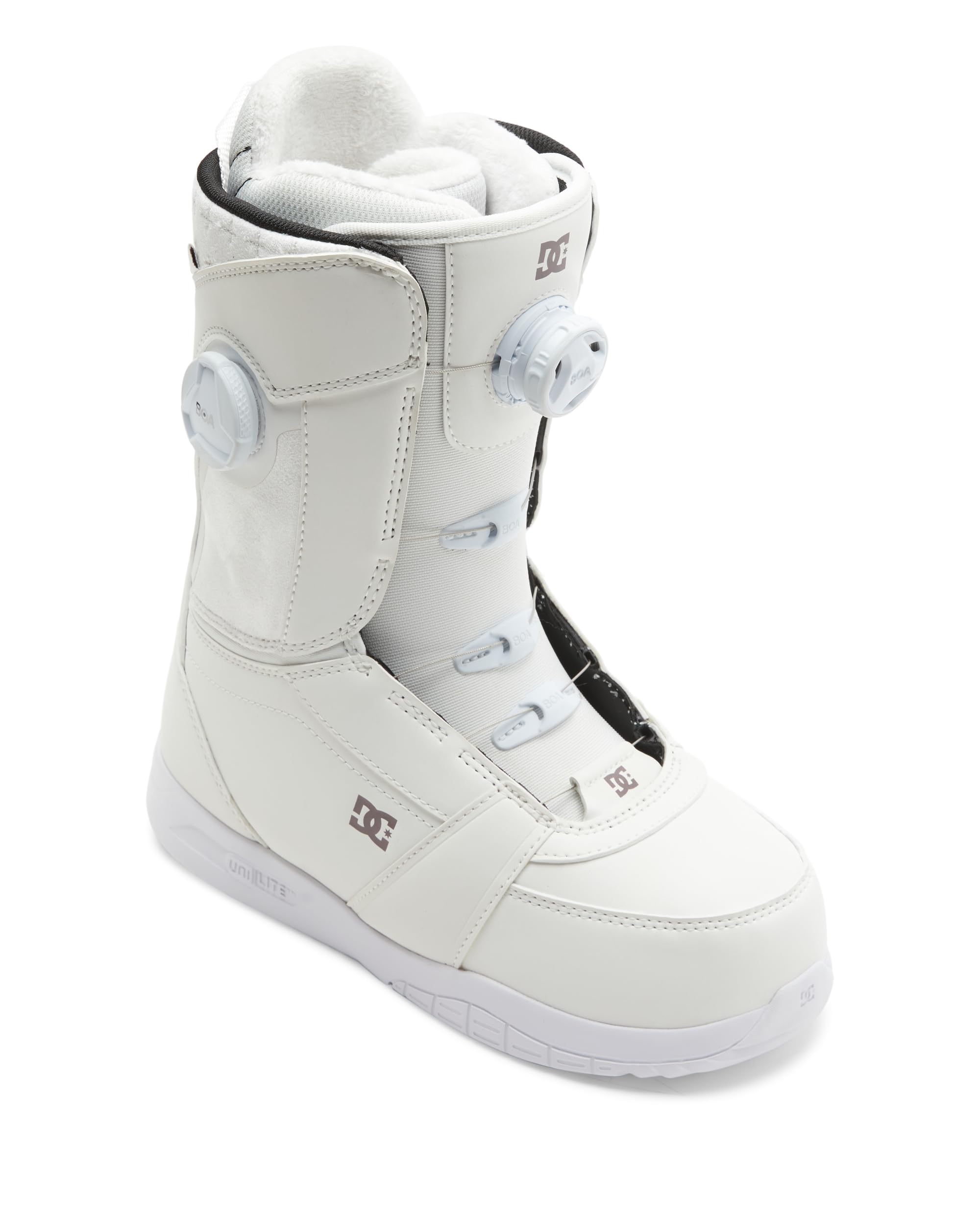
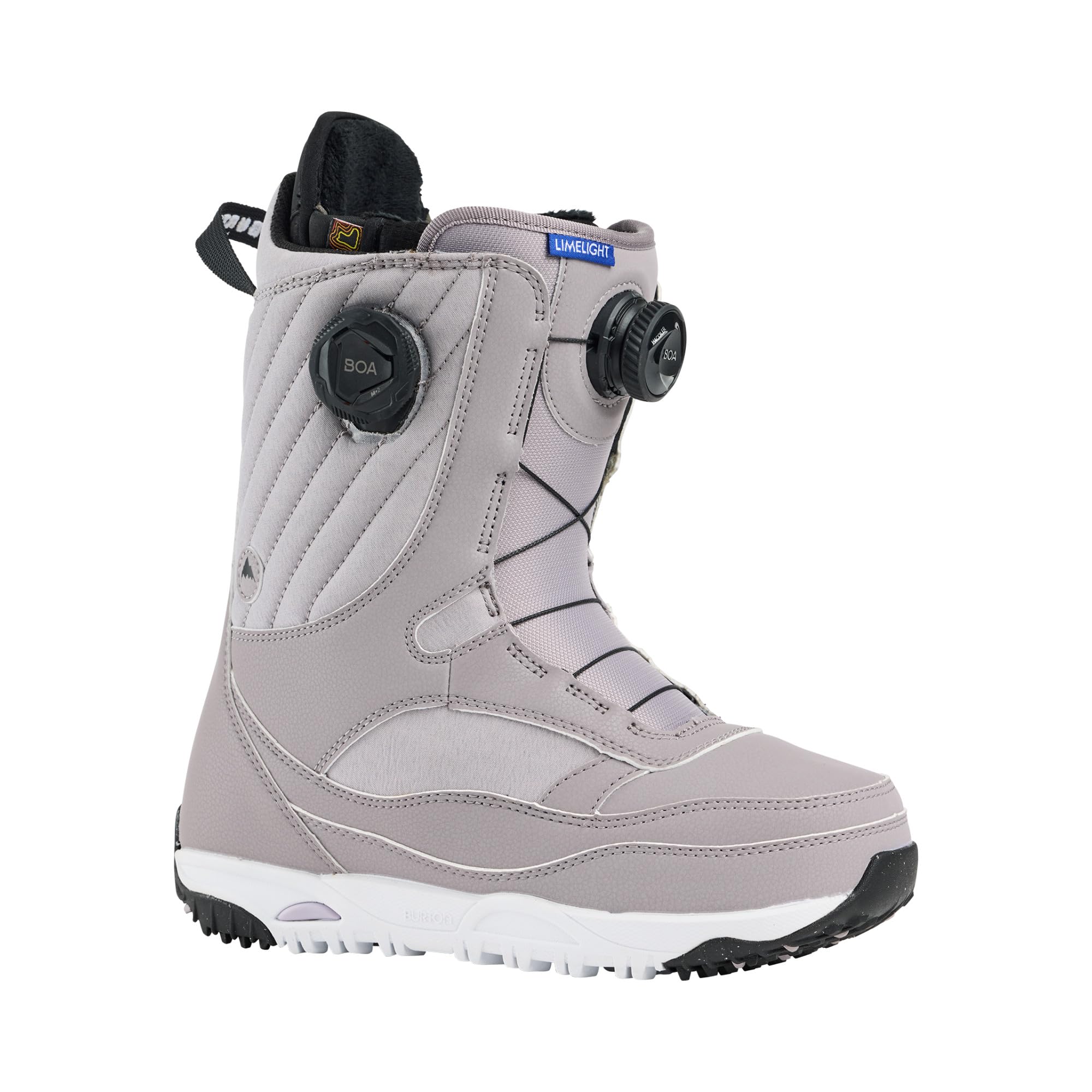
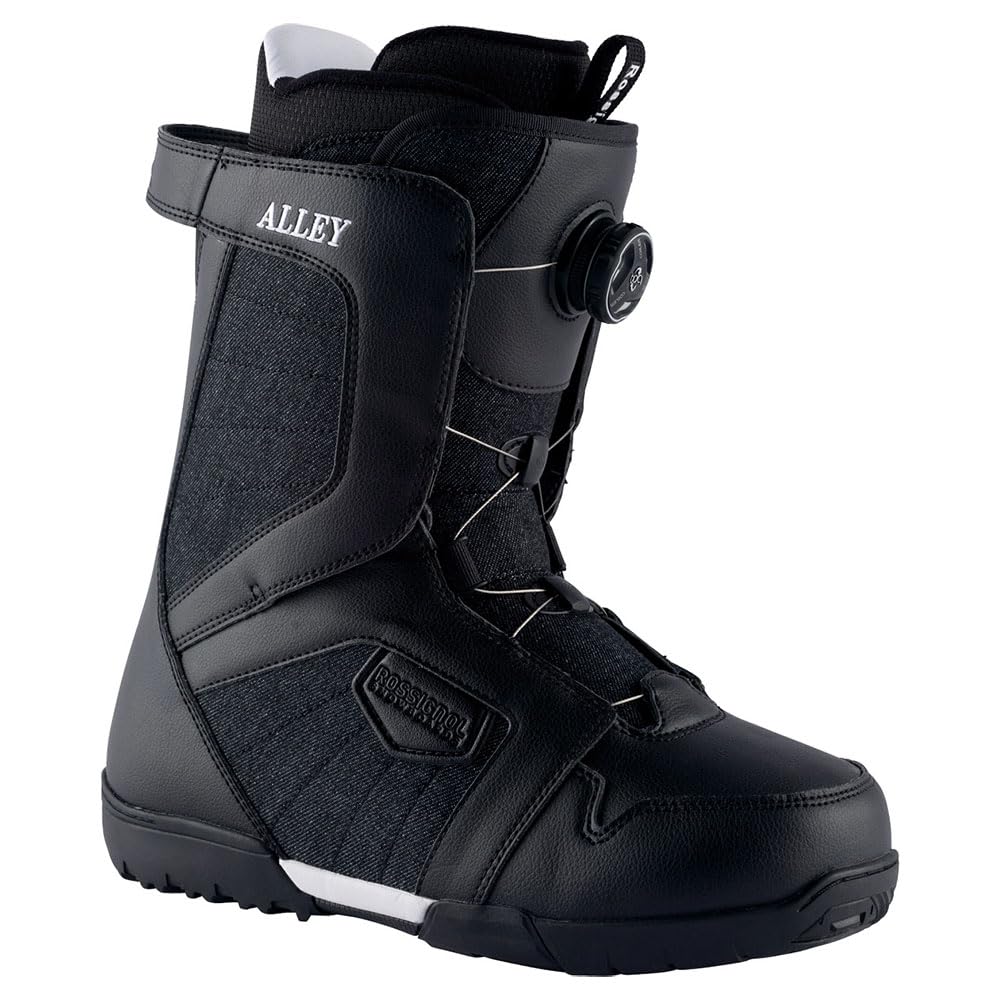
Boa Snowboard Boots 101: The Basics
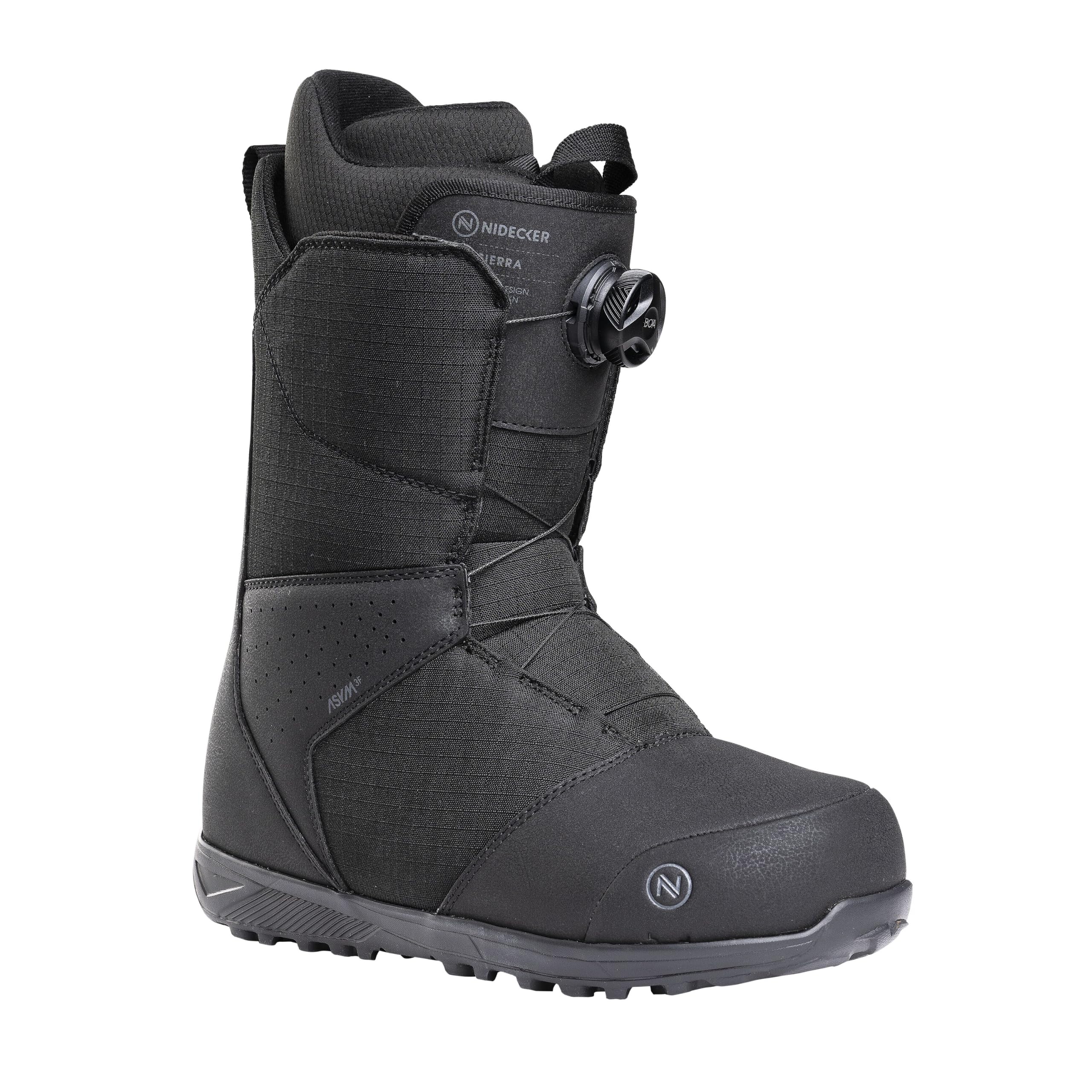
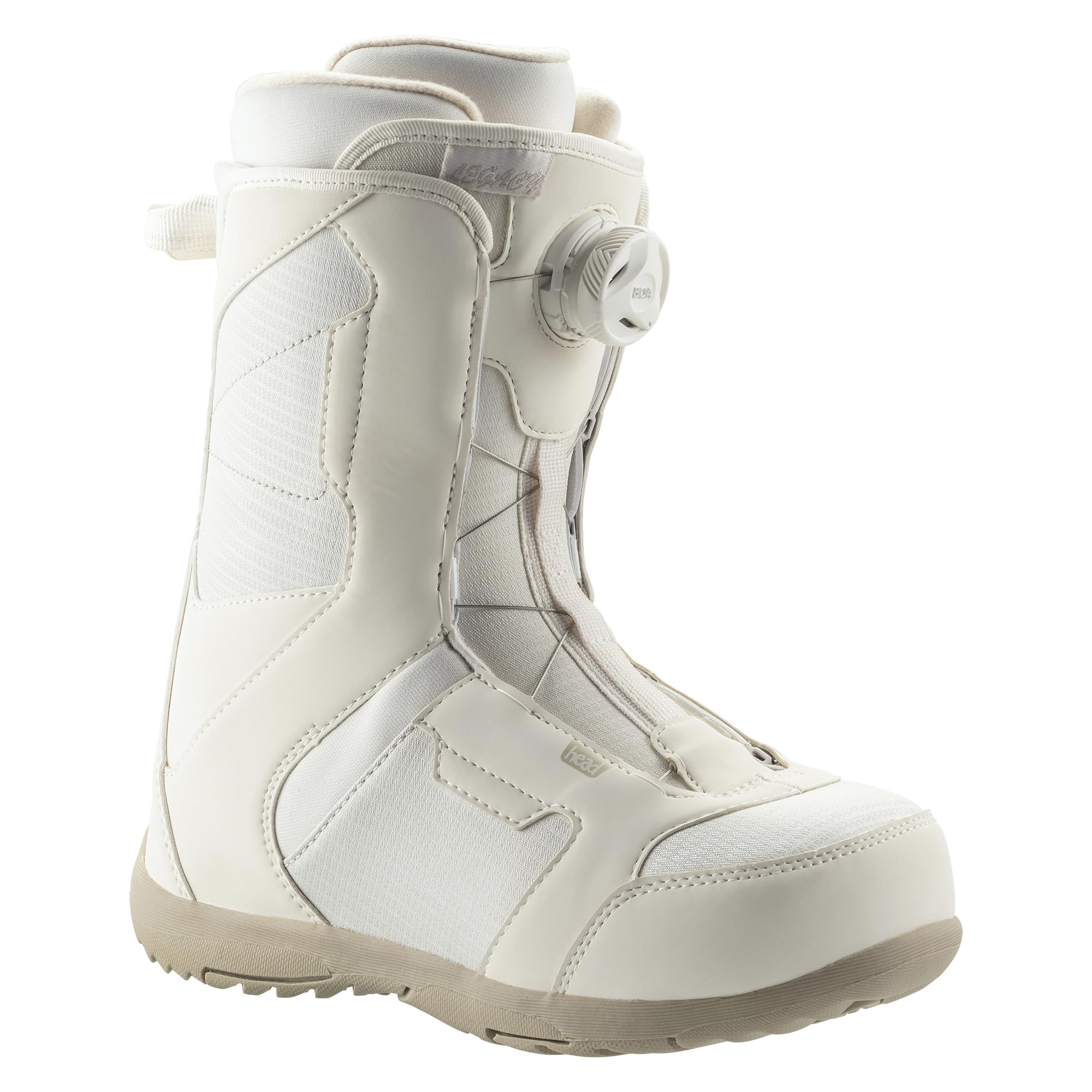
A dial closure boot replaces loose laces with a thin steel or textile cable that runs through guides around the foot and shin. You press the dial in and turn it, and each click adds a small, even amount of tension. Pull the dial out and the tension releases at once, which makes stepping out of the boot fast even with gloves on.
Stated plainly, the dial closure class is a tension class. What you are really buying is how evenly that tension spreads and how finely you can adjust it. A single dial tightens the whole boot as one zone, while dual zone designs split the boot into a lower section for the foot and an upper section for the shin, each with its own dial.
The reason this matters to a first time buyer is control without guesswork. Traditional laces can be pulled unevenly and loosen as you ride, while a dial holds the setting you chose. The trade off is that the dial and cable are parts, and parts can wear or break, a point the FAQ below covers in full.
How to Choose the Best Boa Snowboard Boots: Key Specs in Plain English
Single Zone and Dual Zone Tension
A single zone boot uses one dial for the whole boot, which keeps things simple and usually costs less. It suits beginners whose days are short and whose fit needs are still basic. A dual zone boot lets you keep the foot snug while leaving the shin a little looser, or the other way around, and that separation is the main reason riders move up. Riders who want that split from day one can look at best double boa snowboard boots and the closely related best dual boa snowboard boots, which describe the same two dial idea in different words.
Flex: The Beginner Fact
Flex is how much the boot resists bending forward, and makers rate it on their own scales, so the numbers only compare within one maker. The flex class is the beginner fact of the whole purchase.
A stiff class punishes a new rider, because every small balance error travels straight to the board and tired legs give up sooner. A soft to medium flex forgives those errors, lets your ankles steer, and keeps a full day of lessons comfortable. Advanced boots earn their place later, once your riding asks for that support.
Fit and the Packed Out Boot
A snowboard boot is read by its packed out class, meaning the way the liner compresses and settles during the first weeks of use. The fit on day one is not the fit of the season, because a new liner is at its thickest and will give a little room as it molds around your foot. In the shop, your toes should just brush the front when you stand straight and pull away when you bend your knees. Heel lift is the warning sign to respect, since a heel that rises with every turn will rub and tire your feet.
Sizing and Who the Boot Is Built For
Snowboard boots size close to your shoe size, but lasts differ between the fit classes built for women and men. A boot shaped for a narrower heel and lower calf will fit many women better than a scaled down version of a wider last, which is why best women's boa snowboard boots exist as their own class. The same logic applies on the other side, where best men's boa snowboard boots and the two dial option in best double boa men's snowboard boots are built around wider, higher volume feet. Always try boots on with the socks you will ride in.
Value and What Comes in the Box
Most boots arrive with the liner, footbeds, and a spare parts note, and little else. When you shop for the best boa snowboard boots, budget about $150 to $250 for a sound beginner pair, about $250 to $350 for dual zone tension and better liners, and about $350 to $500 for the lightest and stiffest classes. A heat moldable liner is worth real money at any tier because it shortens the break in period. A spare cable kit costs little and belongs in your gear bag from the start.
Materials, Grip, and Durability
Shells mix synthetic panels with fabric sections, and the mix decides weight and water resistance more than looks do. The outsole grip matters on icy parking lots and lodge steps, where a smooth sole turns a short walk into a slide. Seams around the toe take the most abuse from bindings and board edges, so clean stitching there is a good durability sign. None of these details needs special equipment to judge, just a slow look before you pay.
Rookie Mistakes to Avoid
- Buying a stiff boot to grow into, because the flex will fight your balance now and your skills grow slower, not faster.
- Judging fit in the first two minutes, before the liner warms up and your foot settles into the heel pocket.
- Cranking the dial as tight as it turns, which cuts circulation and makes feet colder and more numb than a snug setting.
- Skipping the spare cable kit, so one snapped cable ends a trip that a small repair could have saved.
- Choosing by color or by a sale tag, when flex and fit decide whether you ride all day or quit at lunch.
Getting Started: Setup and First Use
Start at home. Put the boots on with your riding socks, click the dials to a snug setting, and walk around for fifteen minutes to feel for hot spots before the mountain does that job for you. Practice the release as well, because pulling the dial out to dump tension should be a habit before you are tired and cold.
Store the boots out of direct sun and away from heaters, since heat and ultraviolet light age liners and plastics. After each day, loosen the dials, pull the liners out if they are damp, and let everything dry at room temperature. Check the cables and guides for fraying before each trip, and replace a worn cable at the first sign of damage rather than after it fails.
Frequently Asked Questions
What size dial closure snowboard boots should a first time buyer choose?
Start with your regular shoe size and judge the fit by feel, not by the number on the box. Standing straight, your toes should lightly touch the front of the liner, and bending your knees into a riding stance should pull them clear. Sizes run differently across makers, so a half size up or down between brands is normal and not a mistake.
Can a broken dial or cable on a snowboard boot be replaced?
Yes, and this is one of the quiet strengths of the dial closure class. The dial is repaired as a part class, not a boot class, because dials, cables, and guides are sold as small replacement kits. Most swaps need only a simple tool and a few minutes at a bench. Carrying a spare kit means a broken cable is an inconvenience, not the end of a trip.
Are dual zone dial boots worth the extra cost for a beginner?
They are worth it if your foot and shin clearly want different tension, which many riders only discover after a few days out. A single zone boot is simpler, cheaper, and fully capable for a first season. If your budget forces a choice, put the money into fit and flex first, because zone control is a refinement you can add with your second pair.
How long should a first pair of snowboard boots last?
A sound pair lasts most riders about two to four seasons of regular use before the liner packs out enough to feel loose. The shell and dial usually outlast the liner, so sloppiness inside the boot is the real retirement signal. Rotating dry days, storing the boots loose, and replacing worn cables early all stretch that life. Heavy use shortens it, and that is normal wear, not a defect.
Should beginners ride indoors or outdoors when learning in new boots?
Either setting works, and the boots do not care which one you choose. Indoor slopes offer steady conditions and short runs, which suit the first days of breaking in a liner. Outdoor mountains add cold, wind, and longer runs that challenge warmth and fit more honestly. Many beginners start indoors for control, then take the same pair outside once the fit feels settled.
Final Thoughts
For a first pair, the order of decisions is simple. Choose a forgiving flex, confirm the fit with the packed out season in mind, then pick the zone layout your budget allows. The product table above shows how the classes sit next to each other, and the best boa snowboard boots for you are the ones that disappear under your feet while you learn. Get the basics right and the dial becomes the easiest part of your day.


