
Best Boots for Working with Horses in 2026: Which Type Is Right for You?
Disclosure: We may earn a commission when you buy through links on this page, at no extra cost to you. As an Amazon Associate I earn from qualifying purchases. Learn more

Compare boots for working with horses by type, toe protection, grip and fit, with clear guidance on sizing, care and price for daily stable work.
Working around horses means wet wash racks, deep bedding, mud at the gate and long walks on concrete. The best boots for working with horses protect your toes, stay dry in muck and grip slick ground. Use the comparison table below to match each type to your daily jobs.
This guide compares boot types rather than naming products. It explains who needs tall coverage, who needs a shorter boot, and which features matter most when a horse can step or shift at any moment.





Who Should Buy Boots for Barn and Stable Work?
Start with the jobs you repeat most. Your mix of mucking, feeding and leading sets the height, toe and sole you need.
Grooms and Stable Hands on Full Day Shifts
You muck stalls, dump water, sweep aisles and walk the yard for hours. Choose waterproof boots with strong cushioning and arch support, because concrete aisles punish feet over a full shift. A taller shaft keeps bedding and wash water out.
Trainers and Handlers Who Lead Horses Daily
You lead, lunge and hold horses for the vet or farrier, often on grass, gravel and wet concrete in the same hour. Choose a boot with firm stability, a defined low heel and a toe that can take a sudden step. Grip matters more than a soft sole, because a spooking horse can pull you sideways.
Owners and Boarders Doing Daily Feeding and Mucking
You may spend one to three hours at the barn, mostly feeding, turning out and cleaning one or two stalls. A shorter waterproof boot that pulls on fast and rinses clean often suits you best. You still need a closed upper and firm toe, since even a calm horse can shift onto your foot in a stall doorway.
Types of Boots Compared for Stable Work
The best boots for working with horses are not a single style, because barn jobs split between deep muck, hard aisles and field work. Compare these three types first.
Tall Rubber and Neoprene Muck Boots
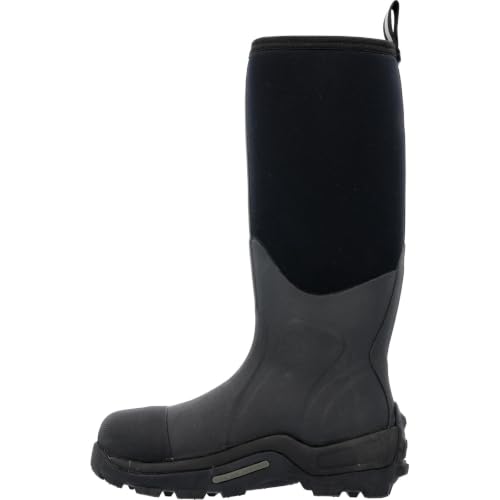
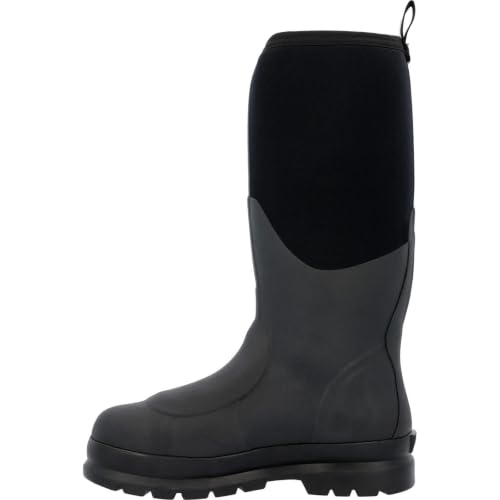
Tall muck boots use a waterproof rubber or neoprene shaft that reaches mid calf or higher and a molded sole with shallow lugs. They keep out wash water and deep mud, and you can hose them clean in seconds. Their limits are warmth in summer, a looser fit at the ankle and less comfort on long walks over hard ground. Prices are often about $70 to $150.
Leather Paddock and Short Work Boots
Short leather boots cover the ankle and lace or zip closed for a closer fit. They walk better than tall muck boots and move easily between stalls, arenas and fields. They cost more, need leather care and give less protection from deep water. Expect prices of about $100 to $250.
Safety Toe Barn Boots for Extra Crush Protection
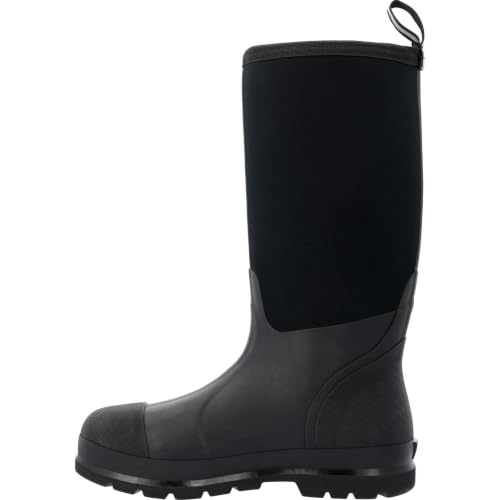
Safety toe boots add a steel or composite cap inside the toe box to spread the force of a horse stepping down. Composite caps weigh less and feel less cold in winter, while steel caps often allow a slimmer shape. They suit young horses and busy barns where feet land unpredictably. They weigh more and cost more, often about $120 to $280, and the cap does not protect the top of your foot.
Key Features to Compare
Compare these factors in order. Toe safety, water and grip decide whether a boot works at the barn, while fit decides whether you will wear it all day.
Toe Protection and Crush Resistance
A horse hoof concentrates a lot of weight on a small area, so a plain soft toe offers little help when a foot lands on yours. Look for a firm toe cap even if you skip a rated safety toe. A crush injury that causes severe pain, rapid swelling, numbness or a toe that will not move needs prompt medical care, and you should talk with your clinician about personal needs after any serious step or kick.
Waterproofing and Muck Resistance
Waterproof boots keep feet dry in wash racks and wet fields, but the method matters. Rubber and neoprene shafts are fully waterproof and rinse clean, yet they breathe poorly. Leather boots with a Gore Tex lining or a similar membrane block water while letting some vapor escape, and they feel more breathable on warm days. Sealed seams also help, because water often enters first at the laces.
Outsole Grip and Easy Clean Tread
Barn floors switch from wet concrete to straw, mud and gravel, so you need tread that grips without holding muck. Shallow lugs with wide gaps shed mud as you walk, while very deep lugs clog and then slide on smooth concrete. If most of your shift is on aisles, see our guide to the best boots working concrete for sole ideas that also apply in a stable yard.
Shaft Height, Ankle Support and Stability
Tall shafts block bedding, hay and water and shield your shin from a bucket or gate, but they can feel hot and stiff. Short boots give freer movement, yet they let bedding fall inside and leave your ankle exposed to knocks. Look for a firm heel counter and a well fitted shaft for stability on uneven ground.
Fit, Toe Box and All Day Cushioning
Try boots late in the day, when your feet are at their largest, and wear your usual barn socks. Your toes need room to spread in the toe box, with about half an inch in front of your longest toe. Cushioning under the heel and forefoot softens concrete, while steady arch support reduces ache on gravel. Note the heel to toe drop too, since a very flat boot can tire calves used to a raised heel.
Choosing Between Ground Work Boots and Riding Boots
Ground work and riding reward different soles. A riding boot needs a smooth tread and a close shaft, while a barn work boot needs deeper grip and easier cleaning. Short paddock styles can cross over for light riding, which is why readers also check our guide to the best horse riding boots for one pair for both jobs.
A smooth dress sole will slip during mucking, and a heavy muck boot is clumsy in a stirrup, so many workers change before they ride. Readers whose work is mostly outdoors may also compare our guide to the best boots for working outside, although horse work adds toe and shaft needs those boots may lack.
Common Mistakes to Avoid
Most poor choices look fine in a store and fail during the first wet week at the barn.
- Wearing open footwear in stalls leaves toes exposed to a sudden step and offers no grip on wet concrete.
- Buying a smooth fashion sole saves money but slides on wash rack floors and polished aisle concrete.
- Choosing a tight toe box feels neat when new but causes numb toes and blisters during a long shift.
- Picking tall rubber boots for hot summer work traps heat and sweat, so feet stay damp even without any leak.
- Ignoring a worn outsole keeps you in a boot long after its tread can no longer grip mud or slopes.
Care and Maintenance for Boots Used Around Horses
Knock off bedding and manure each day and hose rubber boots clean before residue dries hard. Let every pair air dry away from direct heat, with shafts open and insoles lifted out, because trapped moisture breeds odor and weakens linings.
For leather boots, brush off dried mud, wipe with a damp cloth and apply conditioner once the leather looks dry or stiff. Check soles for worn lugs and cracks at the toe bend each month. Rotate two pairs if you work daily, since a rest day lets a wet pair dry fully.
Frequently Asked Questions
What features matter most in boots for working with horses on the ground?
Toe protection, waterproofing and grip matter most for ground work around horses. After those three, check that shaft height matches your deepest muck and that the sole rinses clean. A useful test is to walk a wet aisle and a straw covered stall in the same pair and note whether you must change your stride to stay steady.
Can I wear boots for working with horses all day at the barn?
Yes, you can wear boots for working with horses all day if the fit leaves toe room and the insole supports your arch for a full shift. Bring dry socks for midday, since damp socks cause most late day rubbing. If one spot always turns sore, change the lacing pattern or insole before you blame the size alone.
How often should I replace boots for working with horses?
Replace boots for working with horses when tread looks smooth, the upper cracks, or water enters through a seam you cannot seal. Heavy daily use can wear a sole in about one to two years, while part time use may last longer. A boot stored dry with good tread can still serve safely for weekend chores.
Are expensive boots for working with horses worth the extra cost?
Expensive boots for working with horses can be worth it when the price buys a better membrane or stronger stitching at the toe bend. Cost alone does not add safety, so check the toe cap and sole first. A modest rubber boot that fits your wettest job often beats a costly leather boot you avoid wearing in muck.
How long is the break in period for leather boots for working with horses?
The break in period for leather barn boots is usually about one to two weeks of regular chores. Start with shorter feeding rounds, then add longer walking once the ankle crease softens. Rubber boots need almost no break in, but a looser fit can rub the calf until you adjust sock height. Sharp pain means the fit is wrong, not that you should push through.
The Bottom Line
Match the type to your wettest job first, then check toe protection, grip and fit. Tall muck boots win for soaking chores, short leather boots win for walking, and safety toe boots win where young horses raise the risk to your feet.
When you choose best boots for working with horses with those points clear, you can work a full barn day with dry and steady feet. Use the product table above to compare height, toe type and price before you order.


