Best Boa Boots Snowboarding of 2026: Complete Buying Guide
Disclosure: We may earn a commission when you buy through links on this page, at no extra cost to you. As an Amazon Associate I earn from qualifying purchases. Learn more

Compare the best boa boots snowboarding by flex, fit, dual zone dials and warmth, with sizing and care tips to choose the right pair for your riding.
A snowboard boot has to hold your heel, flex with your board, and stay comfortable from the first lift to the last run. The best boa boots snowboarding pairs make that balance easier, because a dial lets you fine tune the fit in seconds, even with gloves on. This guide explains which flex, liner, and closure layout suits your riding.
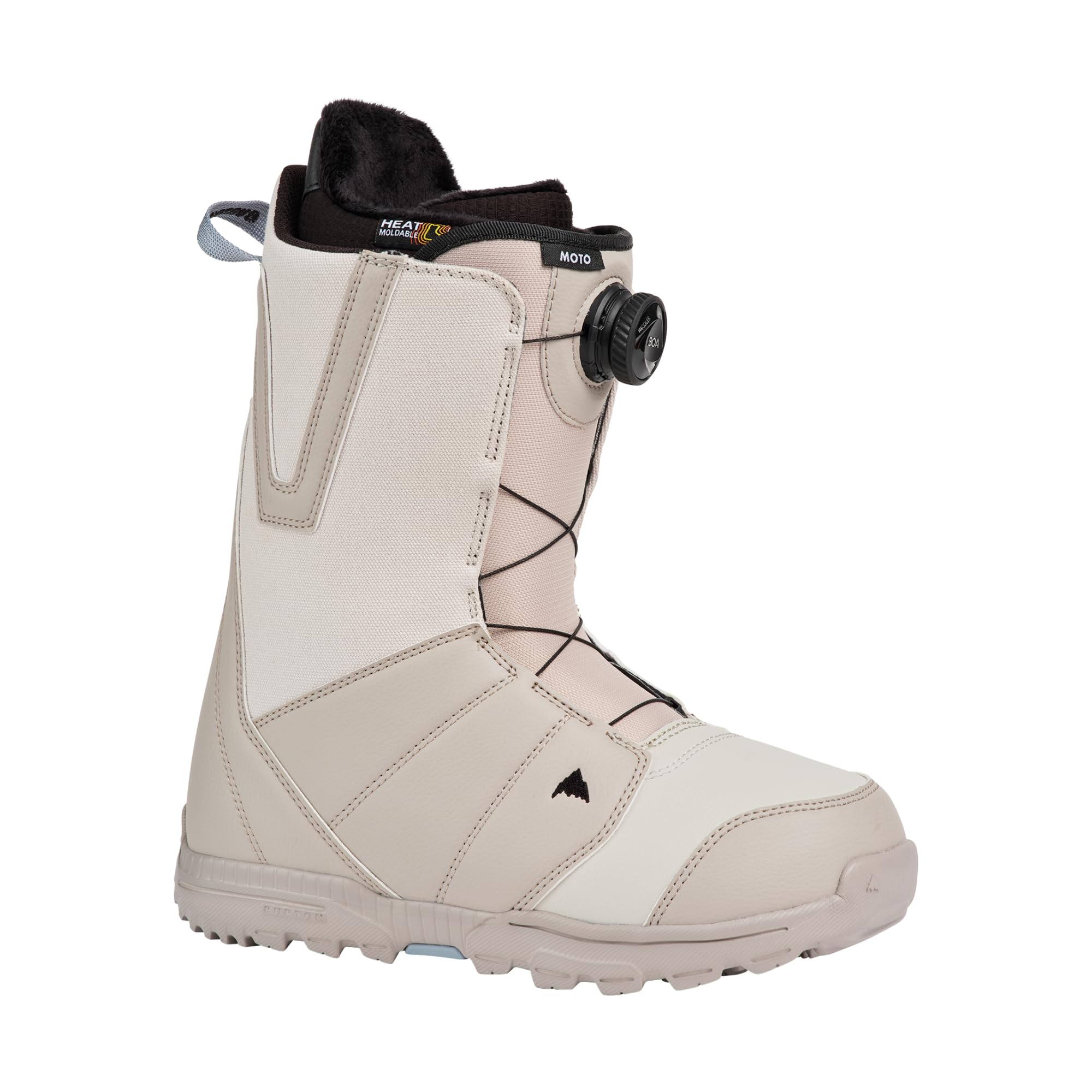
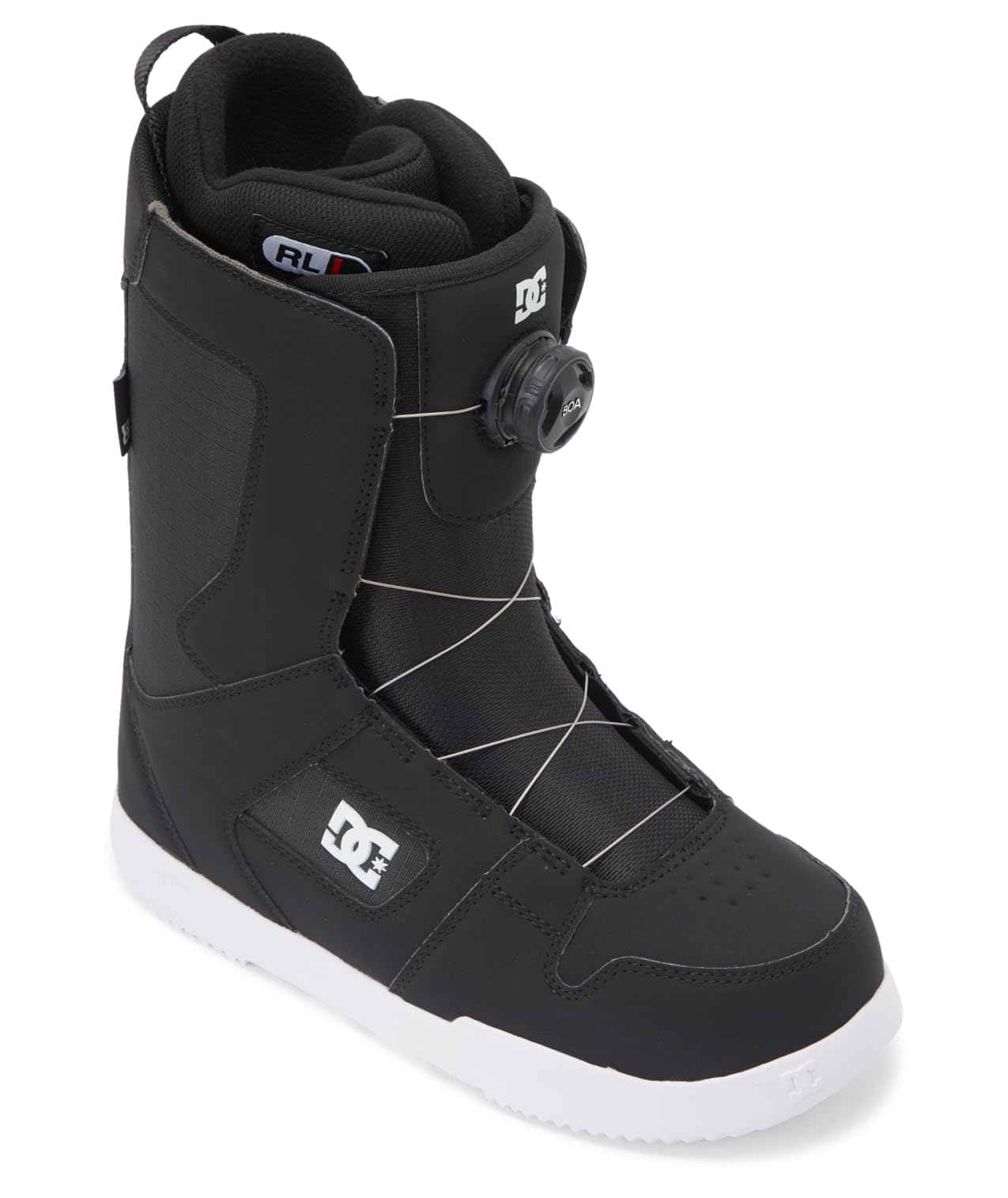
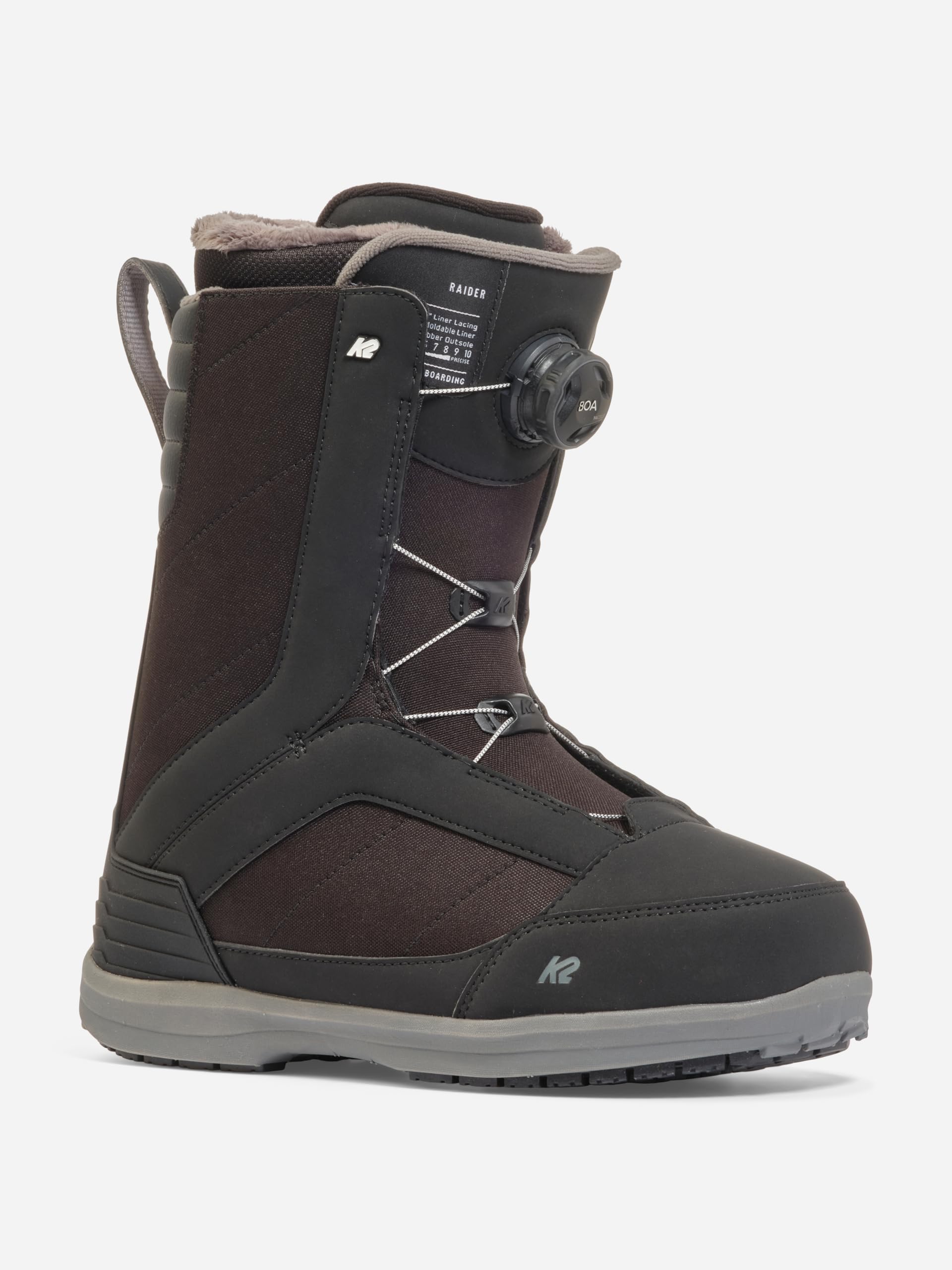
Start with fit and riding style, not color or price. A boot that matches your foot shape feels supportive without pinching, while a poor match causes heel lift and sore spots all day. Use the product table below to check closure zones, flex, and sizes side by side.

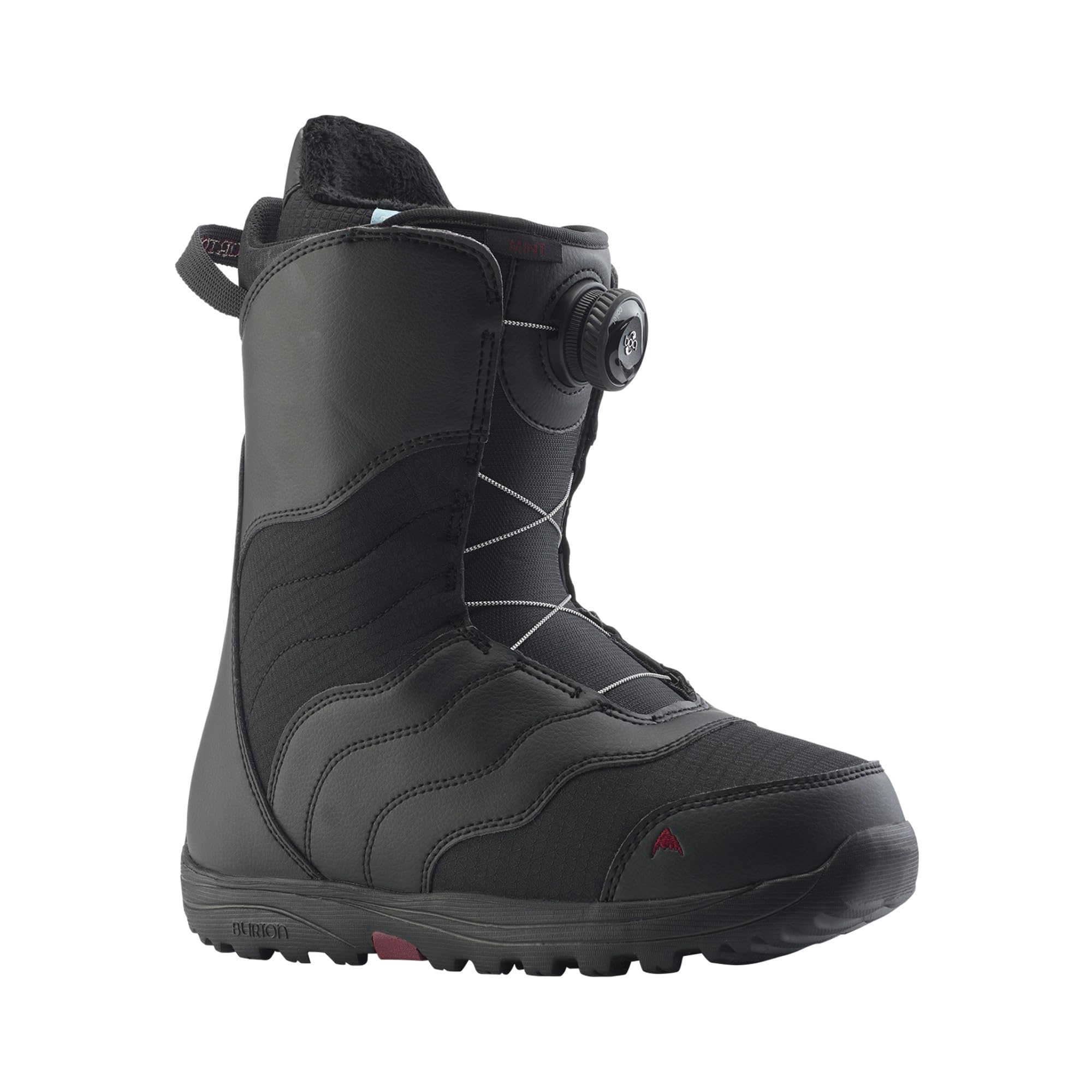
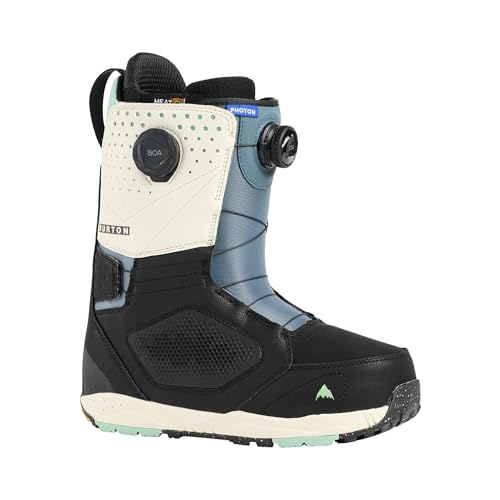
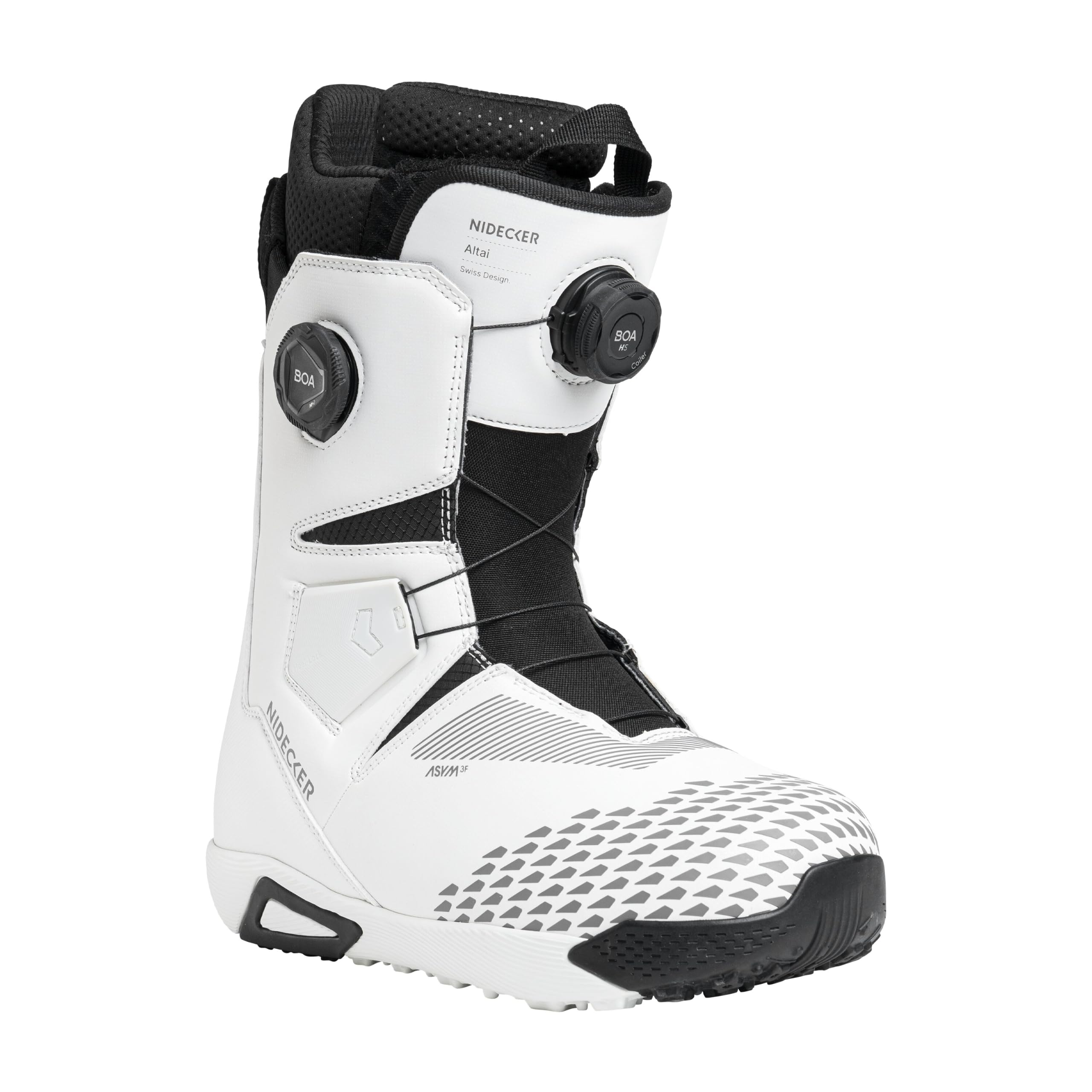

Who Should Buy Boa Snowboard Boots
Resort Riders Who Adjust Their Fit During the Day
If your feet feel snug in the morning and loose after lunch, a dial closure suits you. You can release pressure on the lift, then add a click or two before a steep run, without removing your gloves. Riders who want broader background can also see our guide to the best boa boots. Choose a medium flex if your days mix groomed runs, side hits, and short hikes.
Park and Freestyle Riders Who Want a Softer Flex
Park laps, presses, and tweaked grabs call for a boot that bends easily at the ankle and forgives small balance errors. A soft to medium flex lets your knees drive the board. If you record your sessions, see our guide to the best cameras for snowboarding once your fit is sorted. Prioritize heel hold, because a soft shell with a loose heel still feels sloppy.
Freeride Riders Who Need Support at Speed
Steep faces, chopped snow, and long traverses reward a stiffer boot that transfers energy quickly and supports your ankles on rough snow. Look for a firm liner, a supportive cuff, and a dual zone closure so the lower foot stays locked while the cuff stays firm. Heavier riders often need one step stiffer than lighter riders.
Key Features to Compare
Single Dial or Dual Zone Boa Closure
Shoppers comparing the best boa boots snowboarding options should start with zone layout, because it decides how precise the fit can be. A single dial tightens the whole boot evenly, but it cannot loosen the cuff while keeping the forefoot firm. Dual zone systems use separate dials for the lower foot and upper cuff, so you can ease forefoot pressure while keeping ankle support. Pick a dial placement you can reach while seated on the lift.
Flex Rating Matched to Your Riding Style
Flex is usually shown on a scale of 1 to 10, with soft boots near the low end and freeride boots near the high end. A softer boot turns with less effort, yet it can fold when you carve hard or land flat. A stiffer boot holds an edge on steep snow, yet it can tire your calves and punish sloppy landings. Match flex to your usual terrain, then adjust one step for your weight.
Mondo Sizing and Room Across the Toes
Measure both feet in the evening, in snowboard socks, and shop by Mondo size, your foot length in centimeters. Your toes should have room to spread in the toe box without side pressure, and your heel should stay seated when you flex forward. Wide feet need a last with more volume, not just a longer size, because extra length does not fix side pressure. If you fall between sizes, the smaller size often works once the liner packs out.
Liner Warmth, Cushioning, and Heel Hold
The liner does most of the comfort work. Heat moldable liners soften in a shop fitting and shape around your ankle bones and forefoot, which reduces hot spots and improves heel hold. Look for firm ankle padding, a footbed with real arch support, and insulation that adds warmth without bulky loft. Cushioning under the heel softens flat landings. A plush liner that collapses at the ankle still lets your heel lift, so support matters more than softness.
Binding Fit and Boot Footprint
A boot must match your bindings as well as your feet. Longer footprints can overhang the board and cause toe drag, while a bulky boot may strain the straps in a smaller binding. Check the boot sole length against your binding size range, then strap in at home and confirm the toe ramp and highback feel centered. Larger feet often gain clearance from a reduced footprint design, which trims outer length by roughly half a size.
Outsole Grip and Impact Damping
You walk in these boots across icy lots, lodge steps, and firm snow at the lift. A lugged rubber outsole grips far better than a smooth foam sole, and deeper heel lugs help when you brake on a slope. Foam inserts under the heel and forefoot absorb chatter and dull flat landings. Very light soles save weight on hikes, yet they wear faster, so daily riders should favor rubber in high wear zones.
Types of Boa Snowboard Boots Compared
Most Boa snowboard boots fall into three flex families, and price rises with stiffness, liner quality, and dual zone hardware. Many adult pairs cost about $200 to $450. For a closer look at models grouped purely as snowboard boots, see our guide to the best boa snowboard boots.
Soft Flex Boots for Park Days and New Riders
These boots bend easily, feel kind during slow practice, and make low speed turns simple to start. They suit park riders and anyone building basic edge control. The trade off is support, since the shell can fold under hard carving or heavy landings. Choose this type if easy flex matters more than high speed precision.
Medium Flex Boots for All Mountain Riding
A medium flex boot suits resort riders who move between groomed runs, trees, and small jumps in one day. It holds an edge at moderate speed, still allows playful movement, and rarely feels punishing on tired legs. If you can own only one pair, this is usually the safest type to start with.
Stiff Flex Boots for Freeride and Hard Carving
Stiff boots answer small ankle movements with immediate board response, which helps on steep faces, firm snow, and fast carved turns. They support heavier riders and reduce ankle strain in rough snow. Pick this type only if your terrain truly demands it.
Common Mistakes to Avoid
- Buying by street shoe size alone, because snowboard boot sizing differs and a wrong length causes heel lift or curled toes.
- Choosing the stiffest flex on the shelf, because an overly stiff boot tires your calves and makes slow riding clumsy.
- Cranking the dials tighter to fix a loose heel, because excess pressure creates numb feet while the heel still moves.
- Skipping the binding check, because a boot that overhangs your board or strains your straps will drag and feel unstable.
- Trying boots in thin cotton socks, because your real fit depends on the cushioned socks you will actually ride in.
- Leaving wet boots sealed in a bag overnight, because trapped moisture breeds odor and breaks down liner foam.
Care and Maintenance for Boa Snowboard Boots
After each day, pull the liners out, open the shells wide, and let everything air dry at room temperature away from direct heat, since hot air can warp liner foam. Loosen the dials fully before storage so the cables and shell rest without tension.
Inspect the Boa cables and dials every few trips for frayed cable, grit around the dial. Rinse grit away with clean water and let the dial dry fully. The same dial hardware appears on job site footwear, and our guide to the best boa work boots shows how owners there handle worn cables. Most cables can be replaced with a small kit, so damage rarely means a new boot.
Frequently Asked Questions About Boa Snowboard Boots
How should Boa snowboard boots fit during the first week of riding?
Boa snowboard boots should feel snug everywhere with no sharp pressure points when new. Your toes should lightly brush the front while you stand straight, then pull clear when you bend your knees into a riding stance. Expect the liner to settle by roughly a quarter to half a size over the first week.
Can Boa snowboard boot liners be heat molded at home?
Heat molding is best done in a shop, not in a home oven. Shop heaters warm the liner evenly, and a fitter can add toe caps so the liner shapes around problem spots instead of just shrinking overall. Home ovens heat unevenly and can damage foam or melt adhesives. If a fitting is not possible, riding for several days will mold the liner slowly through body heat.
What should you do if a Boa dial or cable fails on the mountain?
Stop and check whether grit is jamming the dial before you assume the cable has snapped. Clear snow and ice away, push the dial back in to engage, and test the tension slowly. If the cable is truly broken, most lodges can fit a spare lace or replacement cable kit for the day.
How long do Boa snowboard boots last before the flex changes?
Most Boa snowboard boots keep their intended flex for about 70 to 100 full days of riding. After that, the shell and liner soften, so a medium boot can start to feel soft, especially for heavier riders. When edge control fades while fit still feels fine, flex loss is usually the reason.
Are Boa snowboard boots warm enough for very cold resort days?
Yes, most Boa snowboard boots are warm enough for very cold days if the fit leaves room for blood flow. Wear one pair of wool blend snowboard socks and resist adding a second pair, which can crowd the toe box and make your feet colder. If your toes go numb, loosen the lower dial slightly on the lift and wiggle your toes before the next run.
Wrapping Up
Get the closure zones, flex, and fit right, and the rest of the choice becomes simple. Match flex to your terrain, confirm the boot works with your bindings, and give the liner time to settle. When you compare the best boa boots snowboarding pairs with those checks in mind, you will land on a boot that supports your riding all season. Review the product table before you order.