
Best Boots for Winter Ice: Grip, Warmth and Fit Guide for 2026
Disclosure: We may earn a commission when you buy through links on this page, at no extra cost to you. As an Amazon Associate I earn from qualifying purchases. Learn more
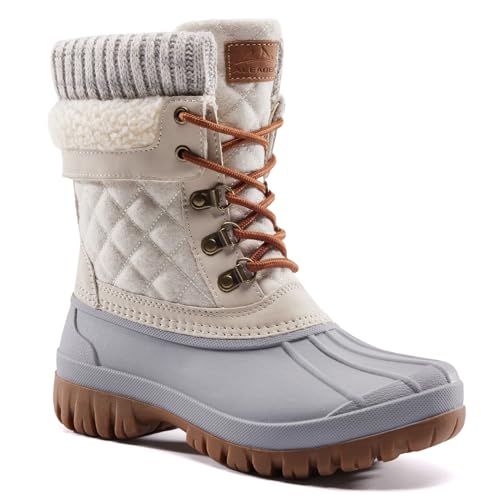
Soft winter soles, the right insulation and a secure fit are what to look for in the best boots for winter ice.
Ice is the hardest surface a boot has to handle, because grip, warmth and fit all have to work together on ground that gives you almost no friction. The best boots for winter ice pair a soft cold-weather rubber sole with a secure heel, real insulation and a waterproof lower section, so you can walk frozen sidewalks, icy driveways and packed trails without tensing every step.
This guide explains what separates a boot that grips ice from one that only looks rugged, how much insulation you need, how to size for thick socks, and what to do on the days when no sole is enough. Use the comparison table to line up options once you know which features matter for your winter.



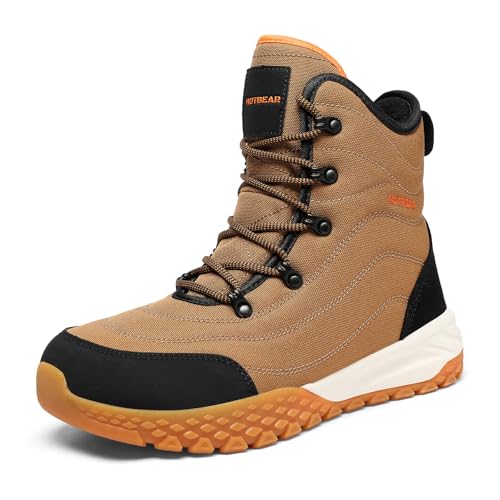

Who Needs Boots Built for Winter Ice?
Commuters and Dog Walkers on Frozen Sidewalks
If most of your ice is thin glaze on pavement, you need a flexible sole that keeps as much rubber in contact with the ground as possible. A rubber compound that stays soft in freezing temperatures matters more than deep lugs here. Pick a medium-height boot with a snug heel, because a heel that lifts makes every slip bigger.
Homeowners Shoveling and Clearing Driveways
You stand still in the cold, then carry loads over uneven frozen ground. Choose a waterproof boot with solid insulation, a stable midsole and a taller shaft that keeps slush from running in at the top. Weight is less important than warmth and stability for this kind of work.
Hikers, Anglers and Anyone Crossing Frozen Ground
Packed snow over ice, frozen lake edges and rutted trails call for deeper, widely spaced lugs plus a sole stiff enough to support your arch. For the coldest outings, look for a removable liner so you can dry the boots overnight. If you plan to stand on lake ice for hours, see our guide to the best winter boots for ice fishing.
Key Features to Compare in Boots for Winter Ice
Outsole Rubber and Tread Pattern
This is the feature that decides whether you slip. Ordinary rubber hardens in the cold and turns slick on ice, while winter compounds stay pliable and grip better on smooth frozen surfaces. Some soles add small grit particles or special textured patches to increase bite on glaze ice. Tread matters too: wide, multi-directional lugs shed snow and slush, and many small edges give more contact on thin ice than a few big blocks.
No boot grips polished ice reliably, so treat the sole as the first layer of protection and not the only one. Worn tread is a common reason for winter falls, so check the lugs at the start of each season and replace boots when they go smooth.
Insulation and Temperature Comfort
Insulation is usually listed in grams. Around 200 grams suits active walking in mild cold, 400 grams covers most daily winter use, and 600 grams or more is meant for very cold regions or long periods standing still. Temperature ratings are rough guides, since makers measure them differently, so factor in your own circulation and the socks you wear. Too much insulation for an active day makes feet sweat, and damp feet get colder than dry ones.
Waterproofing and Upper Materials
A waterproof membrane and sealed seams keep melting snow out, which matters because wet feet lose heat fast. Rubber lower sections handle slush and puddles best, while leather and synthetic uppers are lighter and more flexible. Look for a gusseted tongue and a shaft that closes snugly at the top, since snow often enters from above. Waterproofing ends at the top of the boot, so very deep slush can still get in.
Fit, Sizing and Toe Room
Try boots in the afternoon, when your feet are largest, and wear the thick socks you plan to use. You want about a thumb width of space ahead of your longest toe, a heel that stays put, and a toe box that lets your toes spread. Cramped toes cut circulation and feel cold sooner, so a slightly roomier fit usually keeps you warmer than a tight one. Between sizes, choose the larger size and lace firmly through the ankle.
Weight, Flexibility and Stability
A heavy boot tires your legs on long walks, while a very light one may lack insulation or support. On ice, a sole that flexes at the ball of the foot helps you place your whole foot flat, which gives the best grip. A firm heel counter and a supportive midsole help keep ankles steady when the surface shifts under you.
Types of Winter Boots for Icy Conditions
Insulated Rubber and Pac-Style Boots
These have a waterproof rubber lower and a removable felt or foam liner. They are warm, handle deep slush and are easy to dry, which makes them popular for shoveling, farm chores and long cold days. They are bulkier and less precise on trails.
Insulated Hiking and Winter Trail Boots
Leather or synthetic uppers with a membrane and a lugged sole suit packed snow and mixed surfaces. They give more ankle support and a more natural stride than pac boots, with less warmth at rest. Many people choose them as a single boot for walking, light hiking and daily errands. For a wider comparison of snow styles, see our guide to the best winter boots for snow and ice.
Stylish City Winter Boots
Many city boots add insulation and a winter sole while keeping a sleeker look. They suit commutes and short walks, but check the sole carefully, because fashion treads are often smoother than they appear. If most of your winter is icy sidewalks, our guide to winter boots for ice traction goes deeper on sole design.
When a Sole Is Not Enough: Traction Aids
On sheer ice, even the best sole can slide. Slip-on traction devices with small spikes or coils stretch over the boot and add real bite, and they are worth keeping by the door for the worst days. Take them off before walking on indoor floors, since they can scratch surfaces and slip on tile. Pair them with shorter steps, a slightly wider stance and your hands out of your pockets, which does more for balance than most people expect.
Common Mistakes to Avoid
- Choosing by looks and ignoring the sole, which leaves you with a smooth fashion tread on ice.
- Trying boots with thin socks, then finding they are too tight with winter socks and cut circulation.
- Picking the warmest boot for light daily walks, which causes sweaty, cold feet.
- Skipping a heel check, so the heel slips with each step and raises blister and fall risk.
- Drying boots on a radiator, which cracks leather and weakens glued soles.
Care and Maintenance
Remove the liners and insoles after each wear, loosen the laces and let the boots dry at room temperature away from direct heat. Brush off salt before it dries, because road salt stains leather and stiffens rubber over time. Reapply a water repellent to leather or fabric uppers when water stops beading, and check the tread and stitching before every season. Store boots upright with the shafts open in a dry place.
Frequently Asked Questions
What features matter most in boots for winter ice?
Sole rubber that stays soft in the cold comes first, followed by a secure heel and fit, then insulation that suits how active you are. Waterproofing and a closed shaft come next, because wet feet get cold quickly.
How warm do my boots need to be?
Match insulation to your activity. About 200 grams works for brisk walking, 400 grams for most daily winter use, and 600 grams or more for very cold weather or long stretches standing still. Dry socks and good fit make a bigger difference than most buyers expect.
Can I wear winter boots all day?
Yes, if the fit is right and the weight suits your routine. Bring a spare pair of dry socks for long days, loosen the laces if your feet swell, and let the boots dry fully between wears. If your feet are numb or painful, take the boots off and warm up, and ask your doctor if it keeps happening.
How long is the break-in period?
Most insulated boots feel comfortable after a few short walks over a week or so, while stiff leather can take longer. Sharp pain at the heel or toes is a sign of poor fit and not something to push through.
Are expensive winter boots worth it?
They can be when the extra cost buys a better winter sole, sturdier waterproofing and a repairable build. They are not worth it if the fit is wrong. Compare soles and fit first, and treat price as a tiebreaker.
Final Thoughts
Choose the sole first, then fit, then insulation. A boot with soft winter rubber, a secure heel and the right warmth for your routine will keep you steadier and more comfortable than a rugged-looking pair with a hard sole. Keep traction aids handy for the worst days, and use the product table to compare options, so the best boots for winter ice for you are also the pair you reach for every cold morning. For women-specific fits, see our guide to the best women's winter boots for ice.


