
Best BOA Work Boots for 2026: Matching the Right Model to Your Routine
Disclosure: We may earn a commission when you buy through links on this page, at no extra cost to you. As an Amazon Associate I earn from qualifying purchases. Learn more

Learn how to choose the best boa work boots for your routine. Compare fit, closure, cushioning, traction, and weather protection before you buy.
There is no single pair that suits every job, because choosing the best boa work boots depends on how long you stand, what surfaces you cross, and how often you need to adjust the fit. A dial closure lets you tighten or loosen the boot quickly, even with gloves on, and it spreads pressure more evenly than a single lace point. This guide shows how to match closure, fit, cushioning, and traction to your actual routine, and the product table helps you compare models.
Start with your workday, not with a feature list. A warehouse worker who walks miles on concrete needs different support from a builder who climbs, kneels, and works outdoors in rain. A boot that feels fine for an hour can become painful by the end of a long shift, so fit, break in time, and adjustability deserve as much attention as toughness. Use the sections below to narrow the field before you compare prices.

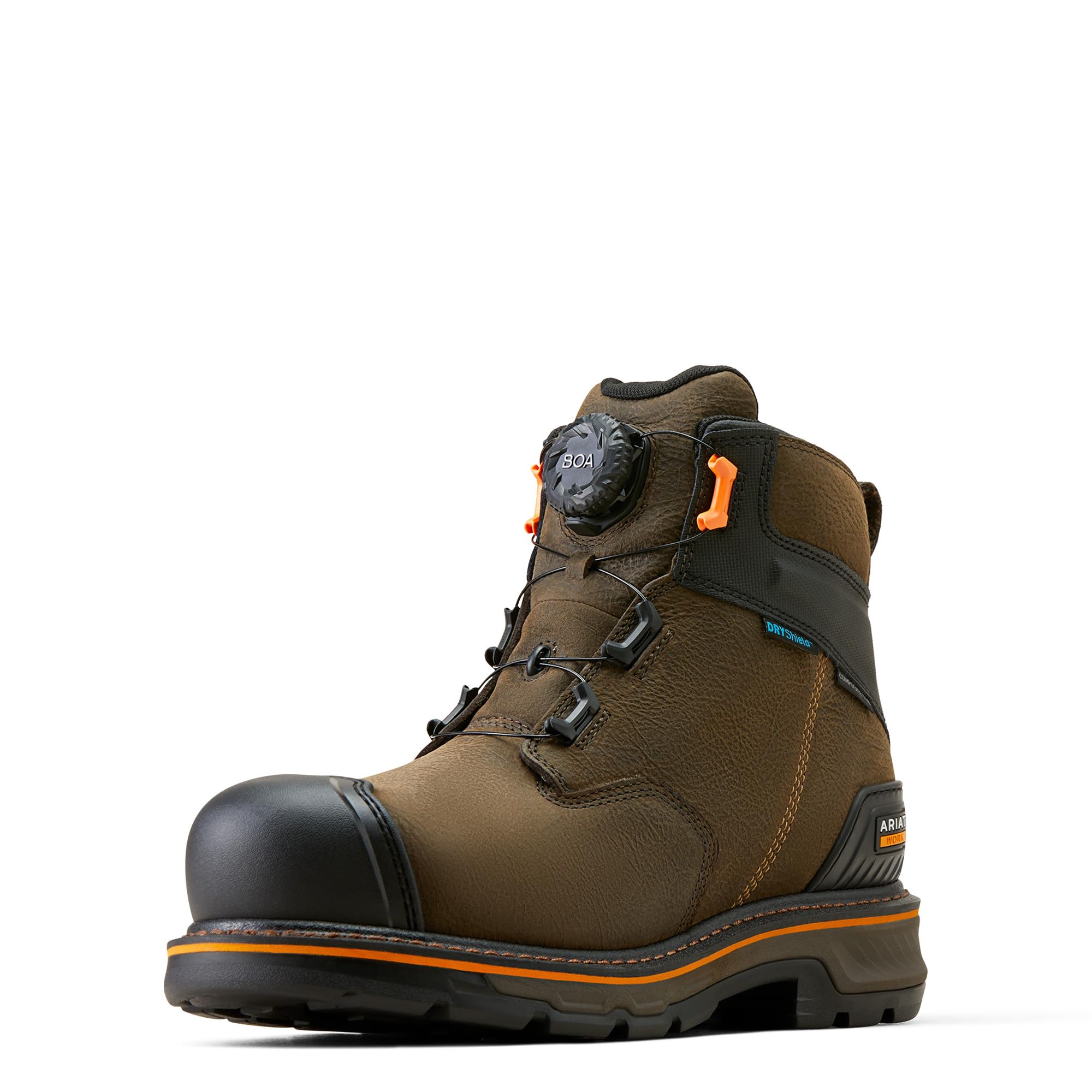


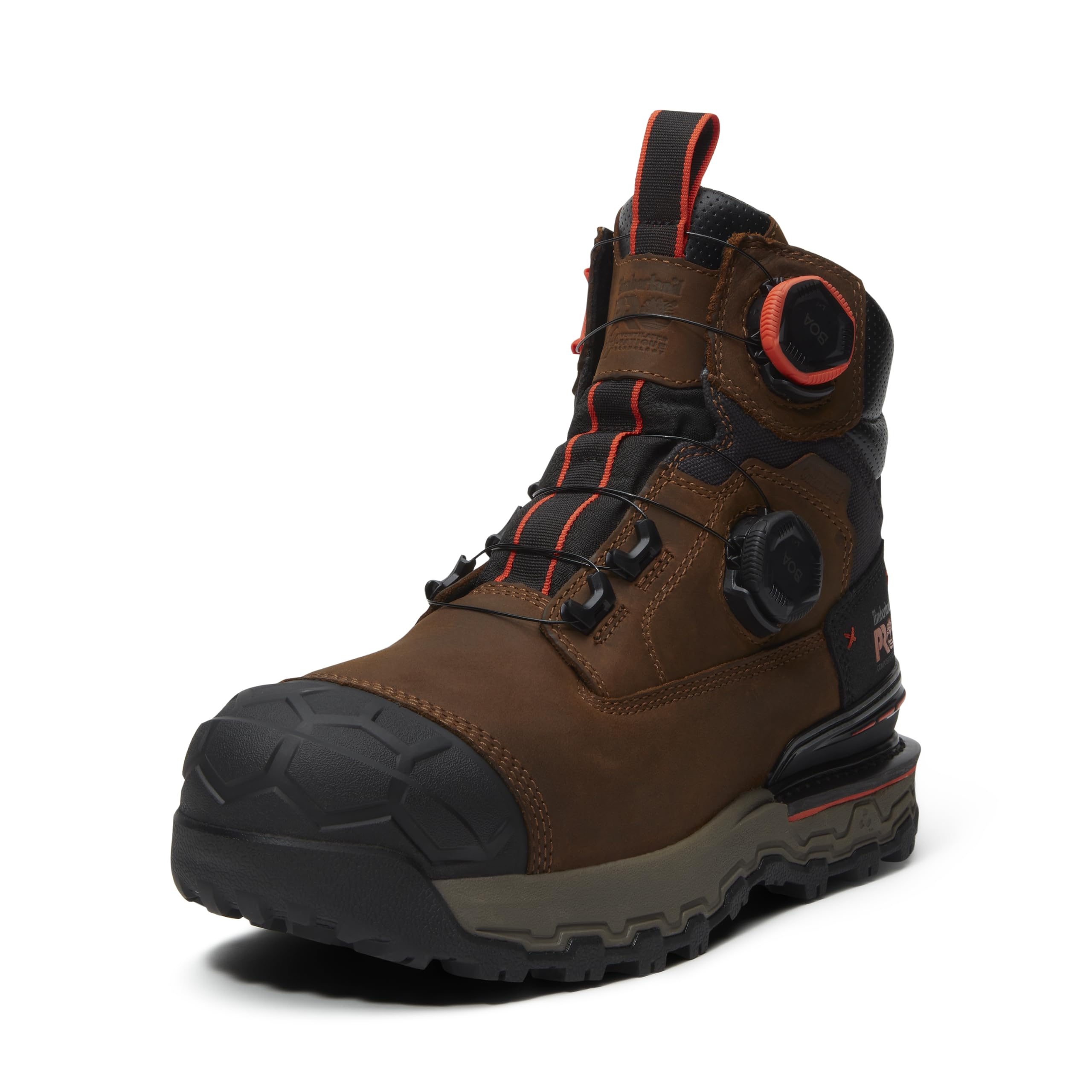

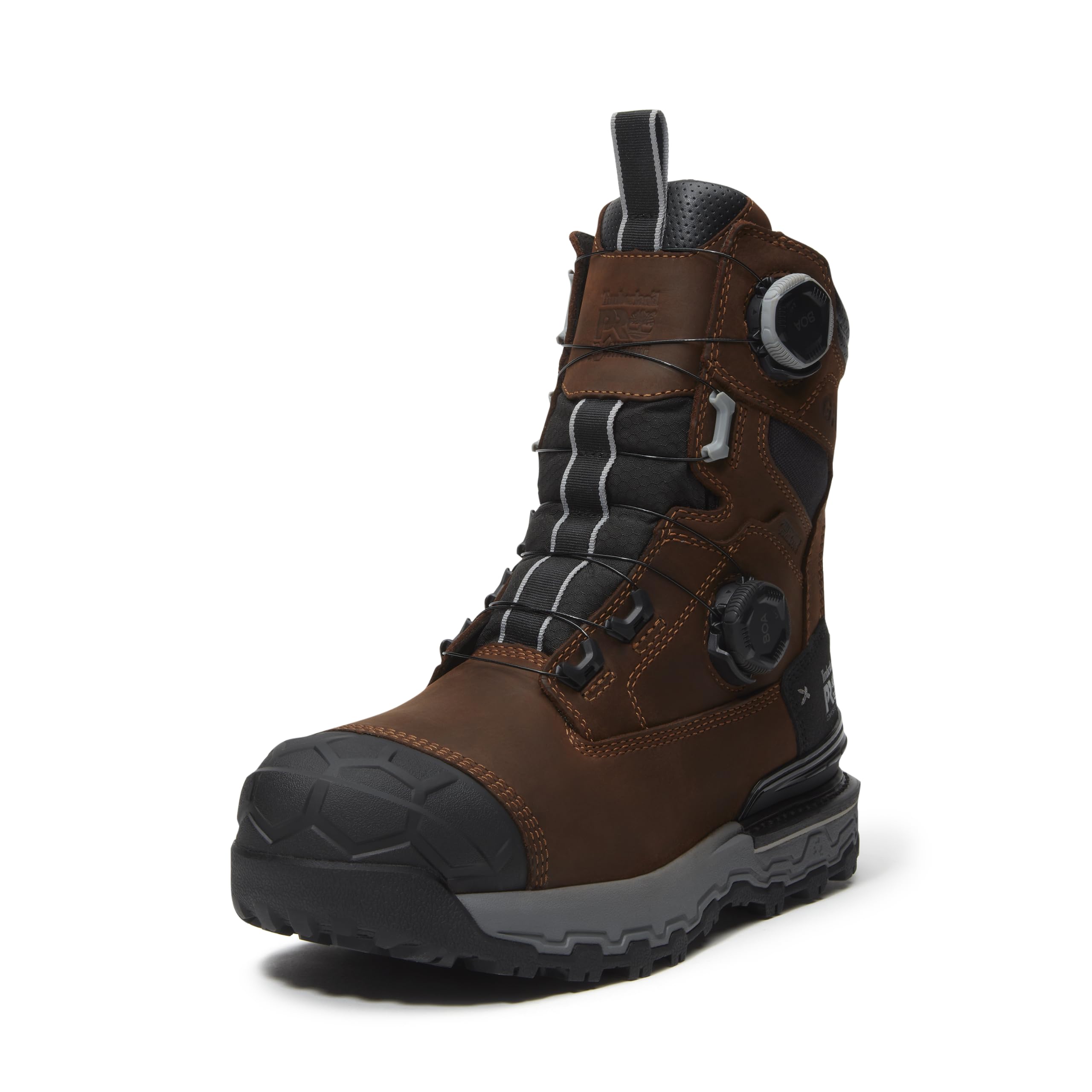

Who Should Buy the Best BOA Work Boots?
Different routines place different demands on a boot. The groups below describe common work patterns, and each one points to the features that matter most for that pattern. If your routine spans two groups, favor the group that covers your longest or hardest part of the day.
For Frequent or Serious Users
Frequent users need durable materials, a reliable dial system, and replaceable parts where the maker offers them. Look for strong stitching, a sturdy toe guard, and a midsole that keeps its shape after months of daily wear. A dial that can be adjusted in small steps helps when feet swell during a long shift, and a clear warranty is worth checking before you buy. For a broad starting point, see our guide to best work boots and how dial closure models compare with lace models.
For Weekend Beginners
Weekend users need a boot that is easy to put on, easy to adjust, and comfortable from the first wear. A softer collar, a roomy toe box, and a dial that releases with one motion make the boot less of a chore. You do not need the heaviest build for occasional use, but you still need solid traction and a toe guard that suits the task. Choose a model that fits well with the socks you actually wear for the job.
For Bad Weather and Tough Conditions
Bad weather work calls for waterproof materials, sealed seams where offered, and an outsole that grips wet and muddy ground. A dial closure helps here too, since it lets you tighten the boot over thicker socks without retying laces in the rain. Check how the boot handles water at the tongue and collar, since those are common entry points. Dry the boots slowly away from direct heat after wet work, and check the dial for grit before it stiffens.
For Small Spaces and Easy Storage
Workers who store boots in a locker, a truck cab, or a small entryway need a compact and lighter pair. A lower profile boot takes less room and is easier to carry, but it should still protect the toes and support the ankle for the task. A dial closure is handy in tight spaces because you can loosen the boot fully and slip it off without a long lace trail. Measure your storage space and compare it with the boot height before you buy.
Key Features to Compare
The features below shape comfort and durability more than any single spec. Read each one with your routine in mind, and try the boot in the conditions you will actually face when you can.
Break In Period and Comfort Out of the Box
Break in time varies widely, and a boot that needs weeks of wear may be a poor choice for a worker who needs comfort on day one. Softer collars and flexible uppers usually feel easier at first, while stiffer leather style builds may need short wears before a full shift. Wear new boots for short periods at home first, and adjust the dial in small steps as your feet settle. If pressure points do not ease after several short wears, the size or shape is likely wrong.
Fit, Sizing, and Toe Box
Fit starts with measuring your feet late in the day, when they are slightly larger, and wearing the socks you will use at work. A roomy toe box lets toes spread and reduces rubbing on long walks, while a snug heel keeps the foot from sliding forward on slopes. The dial should tighten evenly without creating a pinch point across the top of the foot. For a fit focused comparison, see our guide to best men's work boots and the sizing notes that apply across dial closure models.
Cushioning and Support
Cushioning absorbs impact on hard floors, while support keeps the foot aligned during long standing and walking. A thicker midsole can feel softer at first but may feel less stable on uneven ground, so balance softness with control. Arch support matters most for workers who stand all day, and a removable insole lets you swap in an insert that suits your arch. For insert options, see our guide to best inserts for work boots and how thickness affects fit inside a dial closure boot.
Outsole Traction and Terrain
Traction depends on lug depth, lug pattern, and rubber firmness, not on looks alone. Deep, widely spaced lugs shed mud better on soft ground, while shallower, denser lugs grip smooth concrete and indoor floors more evenly. A boot that grips well outdoors may feel slippery on a polished floor, so match the outsole to your main surface. Check the outsole for wear after the first month, since uneven wear can signal a fit or gait issue worth fixing early.
Common Mistakes to Avoid When Buying BOA Work Boots
- Choosing by price alone, then finding the dial, cushioning, or traction is wrong for the job.
- Ignoring break in time and wearing a stiff new pair for a full shift on day one.
- Buying a size up to fix a narrow toe box, which only adds heel slip.
- Skipping the warranty and dial repair policy, then facing a costly fix later.
- Trying the boot on only while seated, instead of walking, kneeling, and climbing as you would at work.
How to Make Your BOA Work Boot Last Longer
Clean off mud and grit after work, since dirt trapped near the dial can stiffen the mechanism over time. Air dry wet boots away from direct heat, and stuff them loosely with paper to hold their shape while they dry. Rotate two pairs for daily wear when you can, since rest days let cushioning recover and moisture escape.
Check laces, dials, and outsoles each month, and replace worn insoles before they flatten enough to change your fit. For a related closure comparison, see our guide to best boa boots and the care notes that apply across dial closure footwear.
FAQs
How should BOA work boots fit?
BOA work boots should fit snugly at the heel and midfoot, with enough room for toes to spread and wiggle. Measure both feet late in the day and fit to the larger foot, wearing your normal work socks. Tighten the dial in small steps until the boot feels secure but not pinched, then walk and kneel to check for heel slip or toe pressure. A good fit should feel even across the foot, with no single pressure point that grows worse over time.
Do I need waterproof boots for work?
You need waterproof boots if you work outdoors in rain, mud, or standing water, or if your job involves frequent splashes. Waterproof materials and sealed seams help, but they also reduce airflow, so they can feel warmer on dry indoor shifts. For mostly indoor work, a water resistant boot with good drainage may be more comfortable. If you choose a waterproof pair, check the tongue and collar design, since water often enters there before it soaks through the upper.
How often should I replace my BOA work boots?
Replace work boots when cushioning feels flat, traction is worn smooth, or the dial no longer holds tension evenly. Heavy daily use can wear a pair out in under a year, while occasional use can stretch life much longer. Check the outsole, midsole, and upper each month, and watch for leaning, cracks, or stitching that pulls loose. A boot that changes how you walk is past its useful life, even if the outside still looks acceptable.
How long is the break in period for BOA work boots?
The break in period ranges from almost none for soft, flexible models to two weeks of short wears for stiffer builds. Start with short wears at home, adjust the dial as your feet settle, and increase wear time gradually. Mild stiffness that eases over a few wears is normal, but sharp pain, numbness, or blisters in the same spot are signs of a fit problem. If discomfort does not improve after several short wears, try a different size or width before committing to a full shift.
Are expensive BOA work boots worth it?
Expensive boots are worth it when the extra cost buys durability, a better dial system, or comfort that matches a long and demanding shift. A higher price alone does not guarantee a better fit, so compare materials, warranty, and outsole design rather than price tags. For occasional light work, a midrange pair often gives the best value. For daily heavy use, spending more can pay off if the boot lasts longer and keeps your feet comfortable through the whole shift.
Final Thoughts
Match the boot to your longest and hardest part of the day, then check fit, dial adjustment, cushioning, and traction in that order. A comfortable boot that you can adjust quickly will serve you better than a tougher pair that pinches by midday. Check the product table above against your routine and your budget, and choose the best boa work boots for the work you actually do. Try the fit with your normal work socks before a full shift, and keep the maker guide handy for dial care.


