
Best Beginner Mountain Bike: A First Time Buyer's Guide for 2026
Disclosure: We may earn a commission when you buy through links on this page, at no extra cost to you. As an Amazon Associate I earn from qualifying purchases. Learn more

The best beginner mountain bike explained: wheel sizes, suspension, brakes and fit, with Schwinn, Mongoose and Huffy options.
Mountain biking is one of the best ways to explore trails, build fitness and get outside, but the first bike purchase can feel overwhelming. Wheel sizes, suspension types, brake styles, gear counts and frame sizes all affect how a bike rides, and specialty shop bikes can cost thousands. The good news is that a capable beginner bike does not have to. This guide to the best beginner mountain bike options explains the key terms in plain English, compares options sold on Amazon and helps you avoid rookie mistakes.
We cover the basics, the key specs, choosing a bike for your situation, rookie mistakes, setup and first use and answers to common questions. Every bike in the table above is sold new on Amazon US. Always wear a properly fitted helmet, check brakes before every ride and have a bike shop inspect any bike you assemble yourself if you are not confident with adjustments.



Mountain Bikes 101: The Basics
A mountain bike is built for dirt trails, gravel and rough paths, with knobby tires, a sturdy frame, wide handlebars, low gearing for climbing and usually a suspension fork. Most beginner bikes sold online are hardtails, which have front suspension only, though some full suspension bikes are available at entry level prices.
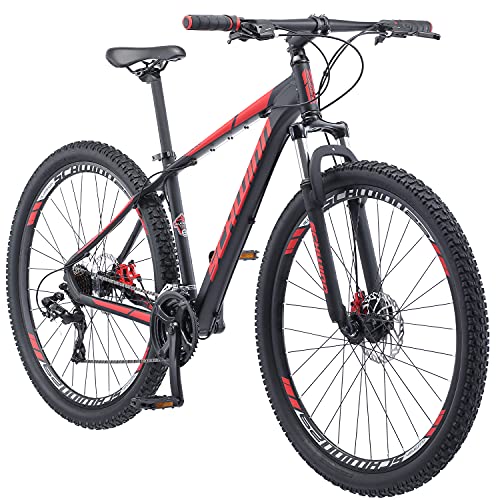
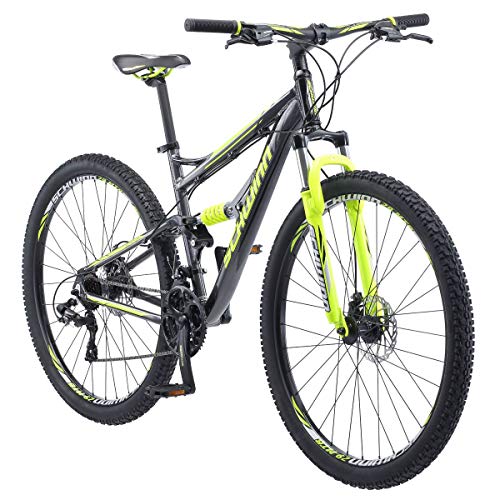
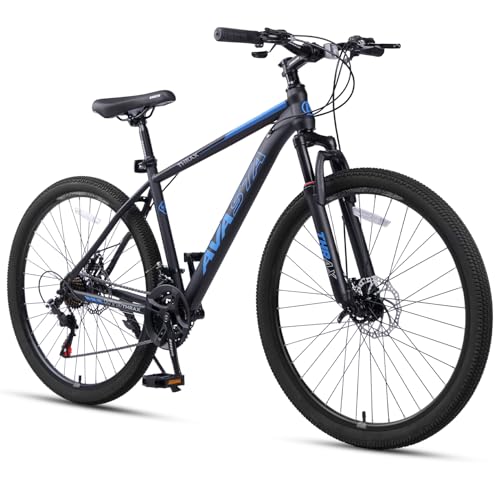
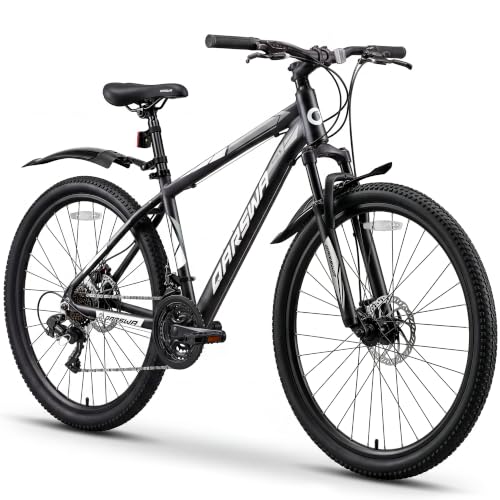
Beginner bikes on Amazon range from about $210 for steel or aluminum bikes from brands like AVASTA and QARSWA, to around $300 to $480 for Huffy, Mongoose and Schwinn hardtails, to around $700 for Schwinn's 29 inch Bonafide and full suspension Traxion. These bikes suit neighborhood rides, park paths, gravel and easy to moderate trails rather than aggressive downhill riding.
Most arrive 75 to 85% assembled and need some tools to finish, so plan an hour or two for setup.
The best beginner mountain bike is one that fits well and feels comfortable, not necessarily the one with the most gears or suspension. A well fitted, simple hardtail will help you build skills and confidence faster than a heavy, oversized bike.
Key Specs Explained in Plain English
The key specs are beginner friendly features, bike type, frame material and size, brakes, electric assist and suspension. Here is what each means.
Beginner Friendly Features That Matter
Beginners benefit from a front suspension fork to soften bumps, easy shifting, reliable brakes, a comfortable saddle and a frame that fits. Twist shifters, like those on the Mongoose Flatrock and Schwinn High Timber ALX, are simple to learn, while trigger shifters, like those on the Schwinn Bonafide and QARSWA, offer quicker, more precise changes. Quick release seat posts make it easy to adjust saddle height.
Gear range matters more than gear count. A 7 speed bike, like the Mongoose Flatrock, handles flat paths and gentle hills, while 21 and 24 speed bikes, like the Huffy Hardtail and Schwinn Bonafide, give lower gears for steeper climbs.
Bike Type and Riding Style
Cross country style hardtails suit trails, gravel and fitness rides. Fat tire bikes, like the Mongoose Dolomite with 4 inch tires, roll over sand and snow. Full suspension bikes, like the Schwinn Traxion, smooth out rough trails but add weight and maintenance. For most beginners riding mixed paths, a hardtail is the best place to start.
Think honestly about where you will ride most. If it is mostly bike paths and gravel roads with occasional dirt trails, a simple hardtail is plenty, and you can upgrade later as your skills grow.
Comfort matters more than speed at first.
Frame Material, Geometry and Wheel Size
Aluminum frames, used on the Schwinn, Mongoose, Huffy and QARSWA bikes, are lighter and resist rust. High carbon steel frames, like AVASTA's, are durable and affordable but heavier. Wheel size affects feel: 26 inch wheels are nimble, 27.5 inch wheels balance agility and rollover and 29 inch wheels, like the Bonafide's, roll over obstacles more easily. Schwinn says the Bonafide fits riders about 5 feet 4 inches to 6 feet 2 inches tall, while the High Timber ALX fits about 5 feet 3 inches to 5 feet 8 inches.
Sloping top tubes, like the Mongoose Flatrock 24 inch's, make it easier to step over the frame and put a foot down, which builds confidence for new riders.
Brakes (Hydraulic vs Mechanical Disc vs Rim)
Disc brakes stop better in mud and rain than rim brakes. Mechanical disc brakes, found on the Schwinn Bonafide, Traxion and High Timber ALX and the QARSWA, use cables and are easy to adjust. Hydraulic disc brakes, common on higher end bikes, offer stronger, smoother braking. Linear pull rim brakes, found on the Mongoose Flatrock and Huffy Hardtail, are simple and affordable but weaker in wet conditions.
Whatever brakes you choose, learn to use both levers smoothly and avoid grabbing the front brake hard on descents.
Motor, Battery and Range (for E Bikes)
Electric mountain bikes add a motor that helps you pedal, which makes climbs easier and extends range. Battery size in watt hours affects range, and motor class affects legal trail access. E bikes cost more and weigh more, so most beginners start with a regular bike unless they need assistance for fitness or health reasons.
If you choose an e bike later, look for reputable brands with clear battery safety certifications and local service support.
Suspension (Hardtail vs Full Suspension) and Travel
Hardtails have a suspension fork up front and a rigid rear, which keeps weight and cost down and teaches good line choice. Full suspension bikes add a rear shock for comfort on rough trails. Travel, measured in millimeters, indicates how much the suspension moves; beginner bikes use modest travel suited to easy trails.
Budget suspension forks are usually basic coil designs. They take the edge off bumps but are heavier and less adjustable than air forks on pricier bikes.
Choosing the Best Beginner Mountain Bike for Your Situation
Match the bike to the rider's height and the trails you will ride. Here are tips for common situations.
Best Beginner Mountain Bike for Adults: Tips for First Time Buyers
Adults between about 5 feet 4 inches and 6 feet 2 inches can consider the Schwinn Bonafide with 29 inch wheels, mechanical disc brakes and 24 speeds at around $691, or the Mongoose Flatrock 26 inch at around $325, which Mongoose says fits riders 5 feet 4 inches to 6 feet 2 inches. Shorter adults should check frame size charts carefully.
The Mongoose Status 2.2, at around $625, adds 21 speeds and a hydroformed aluminum frame, while the QARSWA 27.5 inch, at around $230, offers dual mechanical disc brakes and arrives 85% assembled.
Best Beginner Mountain Bike for Kids and Teens
Kids ages about 5 to 9 can start on the Huffy 20 inch Valcon, which Huffy says fits riders 44 to 56 inches tall with 6 speed twist shifting and full suspension. Teens and smaller adults can try the Mongoose Flatrock 24 inch at around $266, which fits riders from about 4 feet 4 inches.
Kids grow fast, so choose a bike with an adjustable seat and room to grow, but avoid buying a frame that is too large to control safely.
Rookie Mistakes to Avoid
The most common mistake is buying the wrong frame size, which makes a bike uncomfortable and hard to control. Another is choosing full suspension for smooth paths, adding weight and cost for no benefit.
Many beginners skip a helmet, gloves and basic tools. Riding with tires underinflated or brakes poorly adjusted after assembly is risky. Finally, trying trails that are too technical too soon leads to crashes; start on easy, marked trails.
Another common mistake is skipping a post assembly check. Even bikes that arrive mostly assembled can have loose bolts, misaligned brakes or poorly adjusted gears, so a quick tune up at a local shop is money well spent.
Getting Started: Setup and First Use
Unbox the bike and follow the assembly guide, installing the handlebars, front wheel, pedals and seat. Schwinn lists tools like Allen wrenches from 2.5 to 8mm, a Phillips screwdriver and an adjustable wrench. Inflate tires to the pressure on the sidewall.
Check brakes, shifting and quick releases before riding. Set saddle height so your leg is almost straight at the bottom of the pedal stroke. Start on flat paths to learn shifting and braking, then progress to easy trails.
Pack a small kit for rides: a spare tube or patch kit, tire levers, a mini pump, a multi tool, water and a phone. Learn to fix a flat at home before you need to on the trail.
Mountain Bikes: Your Questions Answered
What makes mountain bikes for beginners different?
Beginner mountain bikes focus on comfort, stability and simple controls, with front suspension, easy shifting and forgiving geometry. They cost less than performance bikes and suit easy to moderate trails.
They also often come in more sizes for teens and smaller adults.
What size bike do I need?
Choose a frame and wheel size based on your height, using the maker's size chart. For example, Schwinn lists 29 inch Bonafide wheels for riders about 5 feet 4 inches to 6 feet 2 inches. You should be able to stand over the frame with a little clearance.
If you are between sizes, the smaller frame is often easier for beginners to handle.
How much should I spend on my first mountain bike?
Most beginners spend around $300 to $700 for a capable hardtail with disc brakes and decent components. Budget bikes around $200 work for casual riding, while serious trail riders may eventually upgrade to shop bikes.
Budget for a helmet, lights, a lock and a pump, which add to the total cost.
What e bike class is legal where I live?
E bike rules vary by state, city and trail system. Many places allow Class 1 pedal assist bikes on some trails while restricting faster classes. Check local laws and trail rules before riding an e bike off road.
Hardtail or full suspension for beginners?
A hardtail is best for most beginners because it is lighter, cheaper and easier to maintain. Full suspension helps on rough, rocky trails, but entry level full suspension bikes are heavier.
Learning on a hardtail also teaches you to pick smooth lines, a skill that helps on any bike later.
Wrapping Up
The best beginner mountain bike fits your body, budget and trails. The Schwinn Bonafide and Traxion suit taller riders who want 29 inch wheels and disc brakes, the Mongoose Flatrock and Schwinn High Timber ALX offer simple, affordable hardtails and the Huffy Valcon suits young kids. Get the size right, wear a helmet and start on easy trails.
For more cycling guides, see the best mountain bikes under 1000, the best mountain bike helmet, the best flat bike pedals and the best bike racks for cars. Then compare current prices in the product table above.


