
Best Bike Racks for Cars: How to Choose the Right One for Your Vehicle

If you've ever tried to wedge two bikes into the trunk of a sedan, you already know how fast a simple weekend ride turns into a wrestling match with handlebars and pedals. The best bike racks for cars solve that problem by giving every bike its own secure spot outside the cabin, so you can load up in minutes and actually get to the trailhead with your gear (and your paint job) intact. In this guide, you'll learn how hitch, roof, and trunk racks differ, which specs actually matter once you narrow down a style, and how to keep your bikes safe once they're loaded.
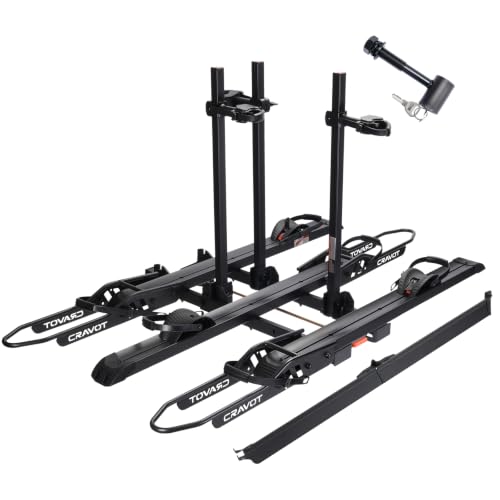
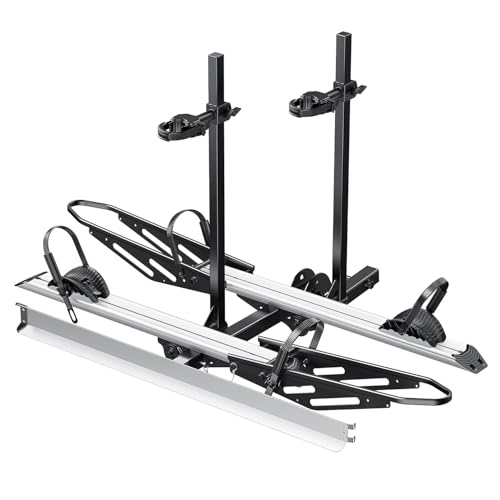


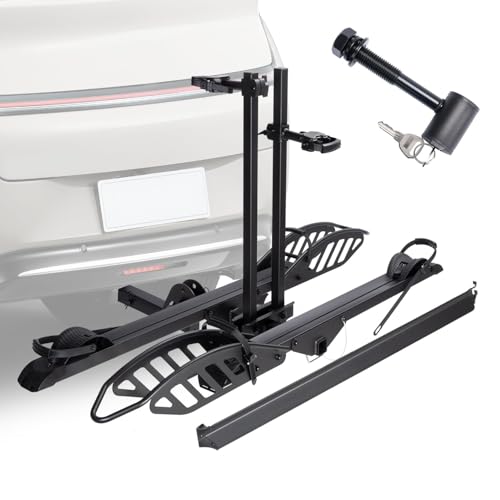
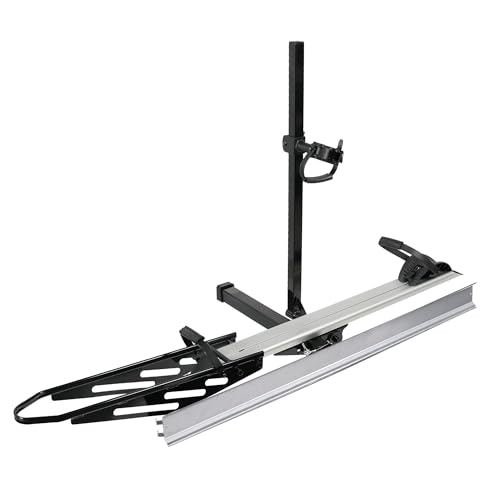

Hitch, Roof, or Trunk: Matching the Mounting Style to Your Car
Every bike rack on the market falls into one of three basic categories, and the right one for you depends less on personal preference and more on what your vehicle can actually support. Start here before you compare any other features.
Hitch-Mounted Racks
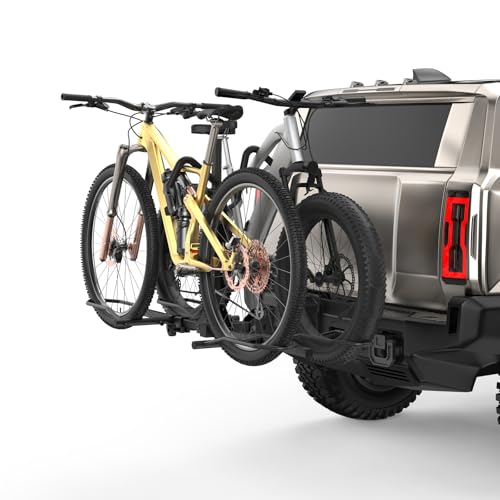
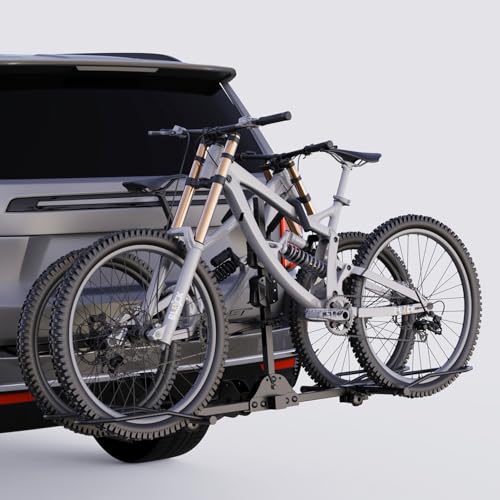
A hitch bike rack plugs into a trailer hitch receiver at the rear of your vehicle, which means you need a hitch installed before you can use one. Once that's in place, hitch racks are the easiest style to load and unload because the bikes sit low, close to bumper height, instead of requiring you to lift them overhead. They also tend to hold the most weight, which matters if you're carrying a full-suspension mountain bike or two. Hitch receivers come in two common sizes, 1.25 inch and 2 inch, and the larger size generally supports more bikes and more total weight, so check your vehicle's tow rating before buying.
Roof-Mounted Racks
Roof racks mount to crossbars or factory rails on top of the car, which leaves your trunk and rear hatch completely clear. That's a real advantage if you're also hauling coolers or camping gear on the same trip. The tradeoff is that you have to lift each bike overhead to load it, which gets tiring with a heavier bike or a smaller vehicle, and the added height and wind resistance can noticeably affect fuel economy on longer drives. Roof racks also require you to remember the bike is up there, since low garages, drive-throughs, and parking structures have all claimed their share of bikes and rooflines.
Trunk-Mounted Racks
Trunk racks strap directly to the trunk lid, hatch, or rear bumper with a system of hooks and straps, and they work on almost any car without any hardware installed ahead of time. That makes them the most budget-friendly and flexible option, especially if you only load up a few times a season or you're borrowing the rack for a single trip. The catch is that they carry the least weight of the three styles and hold bikes less securely at speed, so they're a better match for lighter, standard-frame bikes than for e-bikes or wide fat tire bikes that need a sturdier tray. Families who mostly need to move kids' bikes short distances sometimes find a bike trailer is actually a simpler solution than a trunk rack for that specific job.
What to Compare Once You've Picked a Mounting Style
Once you know whether you're shopping for a hitch, roof, or trunk rack, a handful of specs separate a rack that works well from one that becomes a source of constant frustration.
Weight Capacity and E-Bike Compatibility
Every rack lists a maximum weight per bike, and it's easy to underestimate how much your bike actually weighs, especially with the rise of heavier e-bikes and electric road bikes. Standard racks are often rated for bikes in the 35 to 40 pound range, while dedicated e-bike racks can handle 60 to 80 pounds or more per bike. If you're not sure how much your bike weighs, check the manufacturer's spec sheet rather than guessing, since exceeding a rack's rated capacity can bend the frame of the rack itself or cause a bike to shift loose while driving.
Stability and Sway at Highway Speed
A rack that feels solid in the driveway can behave very differently at 65 miles per hour. Platform-style racks, which support the wheels rather than clamping the frame, generally hold bikes steadier than hanging-style racks that suspend the bike by its top tube. This matters even more for a heavier mountain bike, where extra weight up high can amplify any wobble. Look for racks with built-in anti-sway cradles or ratcheting arms that lock the wheel or frame firmly in place rather than relying on bungee-style straps alone.
Loading, Unloading, and Trunk Access
Think honestly about how you'll actually use the rack day to day. Hitch racks with a tilt or swing-away feature let you access the trunk or rear hatch without fully unloading the bikes, which is worth paying attention to if you'll be stopping for groceries or gear mid-trip. Roof racks give you full trunk access at all times but require more upper body effort to load. Trunk racks are the lightest to handle but the most fiddly to strap on correctly, since a loose or misaligned strap is the most common reason bikes shift during a drive.
Keeping Bikes Secure While You Drive and Park
A rack that carries your bike safely isn't the same as a rack that keeps it from being stolen, so security deserves its own look before you buy.
Locking the Bikes to the Rack
Most quality racks include some form of integrated cable or built-in lock that threads through the frame and wheels, and it's worth using it every time, not just on overnight stops. If your rack doesn't include one, a separate cable lock looped through the frame and rear wheel adds a real deterrent for a small extra cost. Whenever possible, park with the bikes facing a building or a spot with good visibility rather than leaving them exposed at an empty rest stop.
Locking the Rack to the Car
It's not just the bikes that can walk off. Hitch racks are especially vulnerable because an unlocked rack can be pulled straight out of the receiver, bikes and all. A hitch pin lock, which replaces the standard pin with a keyed version, closes that gap for a modest price and takes seconds to use. Roof and trunk racks benefit from similar locking hardware wherever the manufacturer offers it, since a rack that's bolted or locked down is a far less appealing target than one you can lift off in one motion.
Frequently Asked Questions
What kind of bike rack should I get for my car?
It depends mainly on whether your car has a tow hitch. If it does, a hitch rack is usually the easiest to load and the most stable. If it doesn't, a trunk rack is the simplest no-installation option, and a roof rack works well if you already have crossbars and want the trunk free.
Is a hitch rack or trunk rack better?
Hitch racks are more stable, carry more weight, and load faster, but they require a hitch receiver to be installed first. Trunk racks fit almost any car with no installation, but they hold less weight and sway more than a hitch-mounted setup.
How much weight can a hitch bike rack hold?
Standard hitch racks typically support 35 to 60 pounds per bike, while racks built specifically for e-bikes often handle 60 to 80 pounds or more per bike. Always check the total rack capacity too, since it's usually lower than the per-bike limit times the number of bikes.
Can you put a bike rack on a car without a hitch?
Yes. A trunk-mounted rack straps directly to the trunk lid, hatch, or rear bumper and works on the vast majority of sedans, hatchbacks, and SUVs without a hitch. A roof rack is another hitch-free option if your car has crossbars or factory roof rails.
Do roof bike racks affect gas mileage?
Yes, roof racks add wind resistance that can measurably reduce fuel economy, especially at highway speeds and on longer trips. The effect is smaller around town, but many drivers remove the rack when it's not in use to avoid the ongoing mileage hit.
How do I keep bikes from getting stolen off a car rack?
Use the rack's built-in lock or a separate cable lock through the frame and wheels every time you park, and add a hitch pin lock or similar hardware to keep the rack itself from being removed. Avoid leaving loaded bikes unattended overnight whenever you can.
Do bike racks damage your car?
A well-fitted rack shouldn't damage your car, but a poorly fitted trunk rack can scuff paint if straps aren't positioned correctly, and an improperly installed hitch can stress the mounting point over time. Choosing the right size and style for your vehicle, and installing it correctly, avoids most of these issues.
Matching the Rack to How You Actually Drive
The right choice among the best bike racks for cars comes down to your vehicle, how many bikes you carry, and how often you'll be loading up. A hitch rack rewards drivers who tow frequently and want the most stable, highest-capacity option, while a trunk rack suits occasional riders who want something affordable and hardware-free. Whichever style you choose, matching its weight rating and security features to your actual bikes will make the difference between a rack you trust and one you're constantly double-checking in the rearview mirror.