
Best Bluetooth Speakers for Bikes 2026: A First Time Buyer Guide
Disclosure: We may earn a commission when you buy through links on this page, at no extra cost to you. As an Amazon Associate I earn from qualifying purchases. Learn more

Learn how to choose a bike bluetooth speaker by fit, grip, battery, and everyday durability, with first time buyer tips for commuting and touring.
If this is your first bike speaker, best bluetooth speakers for bikes can seem like a simple purchase until you try to fit one to your handlebars. The comparison table below shows the main sizes and mount types at a glance, while this guide walks you through fit, grip, and daily use step by step.
A bike speaker should be easy to fit, easy to remove, and easy to control while riding. First time buyers often focus on sound quality alone and overlook mount fit, button size, and battery charging. Those practical details matter every ride, because a speaker that is fiddly to mount or hard to control will quickly become frustrating, however good it sounds at home.
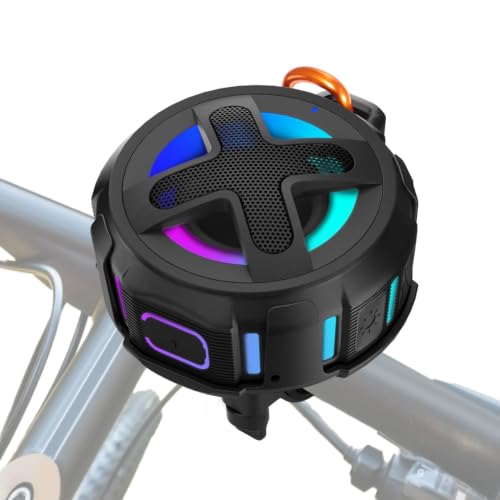
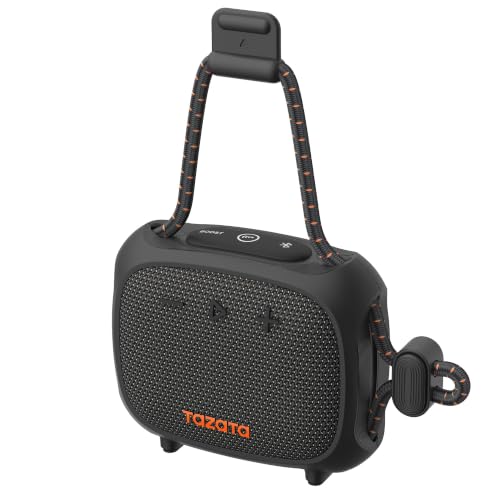


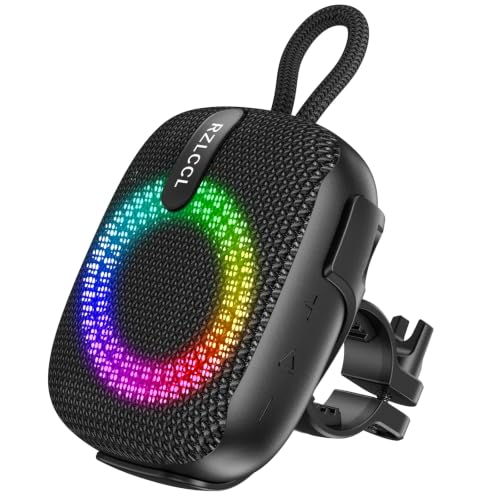
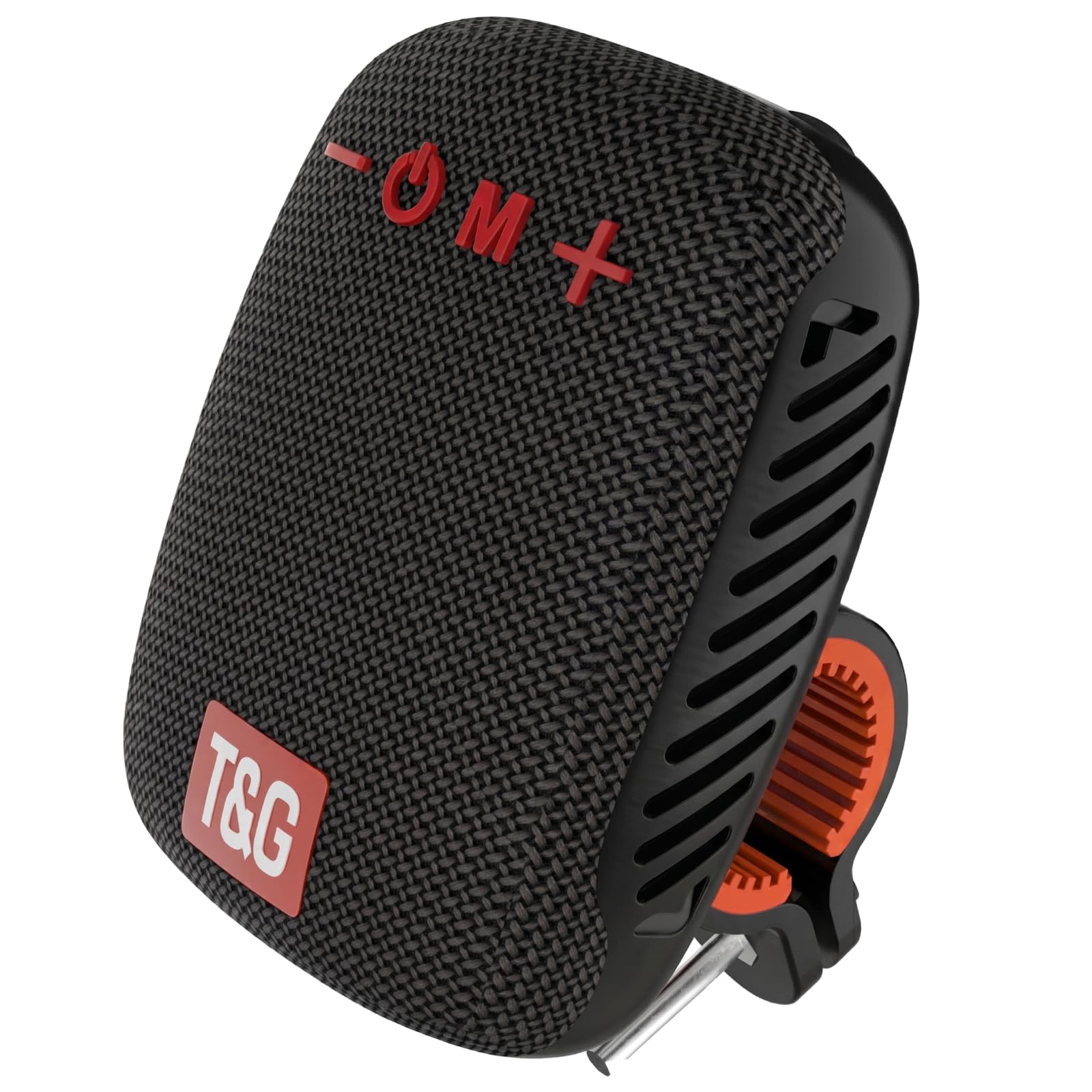

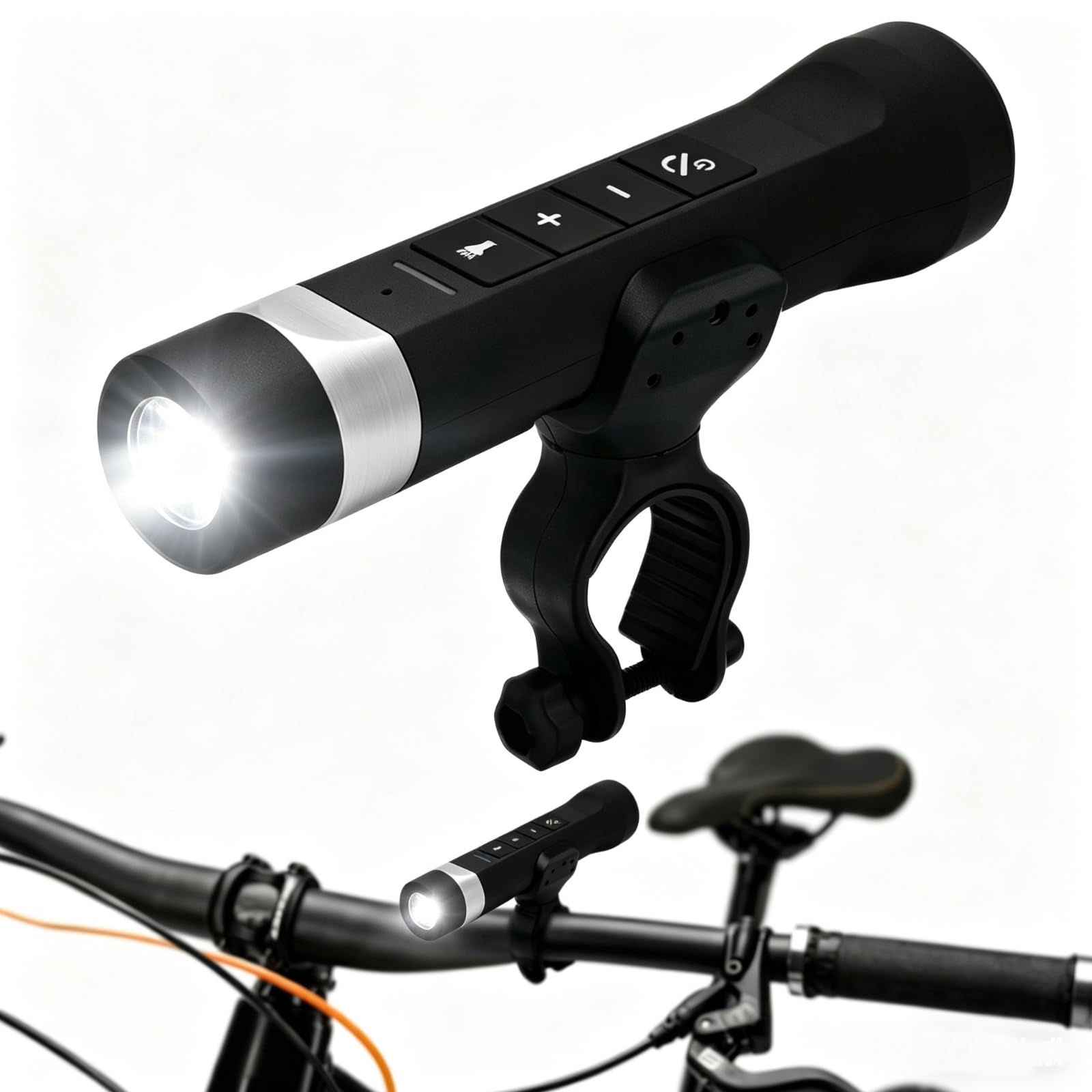
The Basics
Start by checking your handlebar diameter and shape, because mounts are made for specific sizes and a poor fit will slip or rotate. Flat bars, drop bars, and swept back bars all need different mounting approaches, and a speaker that works on a flat bar may not fit a drop bar at all. Button size also matters: large, tactile buttons are easier to press with gloves on than small, flush buttons that require precise taps.
Grip and stability are just as important as fit. A speaker with a rubberized base or a secure strap will stay put on bumpy roads, while a smooth speaker in a loose mount will bounce and rattle. Think about where you will store the speaker off the bike too, because a speaker that is easy to remove is less likely to be stolen when the bike is parked.
Key Features to Compare
Handlebar Fit and Bar Shape
Measure your handlebar diameter and note whether your bars are flat, riser, drop, or swept back, because each shape suits a different mount. A clamp mount works well on round flat bars, while a strap mount can adapt to more shapes. If your bars are non standard, check compatibility before buying, and test the mount with your lights and computer already fitted, because space on the bars is often limited.
Grip, Stability, and Vibration
A good mount should hold the speaker firmly without damaging the bars, and a rubber pad or strap helps absorb vibration. Test the speaker on a bumpy road or a short trail section before a long ride, and listen for rattles or buzzing that indicate a loose fit. Tighten mounts periodically, because vibration can loosen clamps over time, especially on rough surfaces.
Battery, Charging, and Ride Length
For a first time buyer, a battery that lasts longer than your usual ride is reassuring, because you will not need to monitor it constantly. Check charging time and connector type, and keep a charging cable in your bag for longer tours. A speaker with a clear battery indicator is easier to manage than one that gives no warning before it stops.
Controls, Gloves, and Ease of Use
Controls should be large enough to use with gloves and simple enough to operate without looking down for long. A speaker with a single play and pause button plus volume controls is often easier on a bike than a speaker with many small buttons. Learn the controls at home first, and set your playlist before you start riding so you are not fumbling with a phone on the move.
Durability, Weather, and Theft
A first bike speaker should handle rain, dust, and occasional knocks, because bikes are used outdoors in all conditions. Check the weather rating and whether the speaker can be removed quickly for parking. A speaker that is easy to take with you is far less likely to be stolen than one that is left on a parked bike.
Who Should Buy Which Type
For New Commuters
New commuters need a speaker that fits quickly, charges easily, and survives daily rain and vibration. A compact clamp mount speaker with a simple control layout is a good first choice. Keep volume moderate in traffic, remove the speaker at your destination, and charge it as part of your daily routine.
For Weekend Trail Riders
Weekend trail riders need a speaker with a very secure mount, good grip, and a durable body that can handle bumps and mud. A strap mount that wraps firmly around the bars or frame often works better than a simple clamp on rough trails. Rinse mud off after rides and check the mount for wear before the next outing.
For Touring and Longer Rides
Touring riders need a battery that lasts all day, a mount that stays secure for hours, and a charging method that works with a power bank or a campsite supply. A slightly larger speaker with fuller sound can be enjoyable on quiet roads, but keep weight reasonable so handling is not affected. Carry a spare mount strap in case the main mount fails far from home.
Related Choices to Compare
If you are also weighing a nearby option, see our guides to best mountain bike bluetooth speaker, best quality bluetooth speakers, best bike speakers, best exterior bluetooth speakers, and best bluetooth speakers for outside.
Common Mistakes and Care
A common first time mistake is buying a speaker without measuring handlebars, only to find the mount does not fit. Another mistake is leaving the speaker on the bike when parked, which invites theft. Measure first, test the mount on a short ride, and always take the speaker with you when you leave the bike.
Clean the speaker after wet or muddy rides, dry charging ports before charging, and inspect straps and clamps for wear. Store the speaker indoors, charge it before it runs completely flat, and update any companion app as suggested by the maker. These small habits will keep a first speaker working well for a long time.
Frequently Asked Questions
What mount fits my handlebars?
Mount fit depends on handlebar diameter and shape, so measure your bars and check the mount specifications before buying. Clamp mounts suit round flat bars, while strap mounts adapt to more shapes. If you have drop bars or a crowded cockpit with lights and a computer, check that there is space for the speaker mount as well.
Can I use a bike speaker with gloves on?
Yes, if the speaker has large, tactile buttons that are easy to press through gloves. Small, flush buttons can be hard to use with gloves, especially in cold weather. Test button feel if possible, and set up your music before riding so you need only basic controls on the move.
How do I stop a bike speaker from bouncing?
A firm mount with a rubber grip or a tight strap reduces bouncing, and placing the speaker close to the stem rather than at the bar ends can help. Test on bumpy ground before a long ride, tighten clamps regularly, and replace worn straps promptly. A speaker that bounces constantly is likely to have a loose or poorly fitting mount.
Is a bigger bike speaker better?
Not necessarily, because a bigger speaker is heavier, harder to mount, and can affect handling, especially on a light bike. A compact speaker with clear sound is often better for cycling than a large speaker designed for home use. Choose size based on mount fit, weight, and sound clarity at riding speed, not on size alone.
Should I leave a speaker on a parked bike?
No, it is safer to remove the speaker and take it with you when you park, because a speaker left on a bike is an easy target for theft. A quick release mount makes removal easy and encourages you to take the speaker each time. If you must leave it, use a secure mount and park in a busy, well lit area.
Final Thoughts
Start with handlebar fit, then check grip, battery, and controls with gloves on. A first speaker that mounts firmly and is easy to use will make cycling with music enjoyable from the first ride. The comparison table above can help you compare sizes and mount types.
For first time buyers, best bluetooth speakers for bikes come down to a mount that fits your bars, a grip that stays secure, and controls you can use safely on the move. Get those right and the rest is easy.


