
Best Flat Bike Pedals: What to Know Before You Buy
Disclosure: We may earn a commission when you buy through links on this page, at no extra cost to you. As an Amazon Associate we earn from qualifying purchases. Learn more

Your stock pedals came with the bike, and they were probably an afterthought for whoever assembled it. If your foot has ever slipped off mid climb or gone numb on a long ride, the pedal is usually the problem, not you. Finding the best flat bike pedals for your setup comes down to a handful of specs that actually change how a pedal feels underfoot, not marketing claims. This guide walks through platform size, pins, material, and how your riding style should shape the decision, so you can shop with confidence instead of guessing.
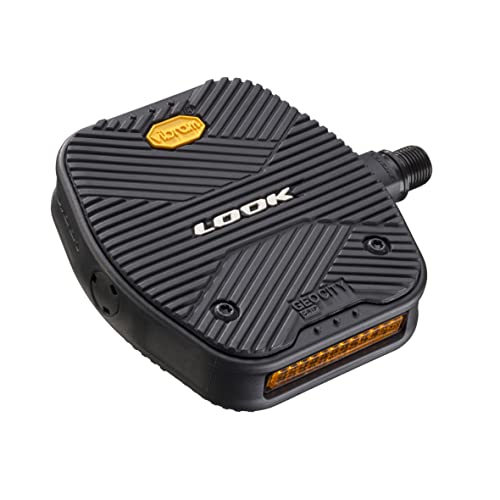
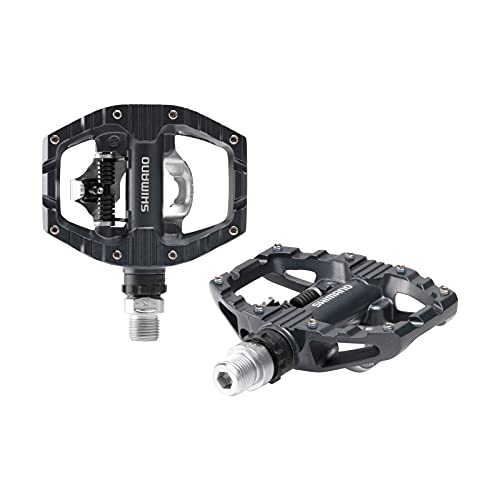
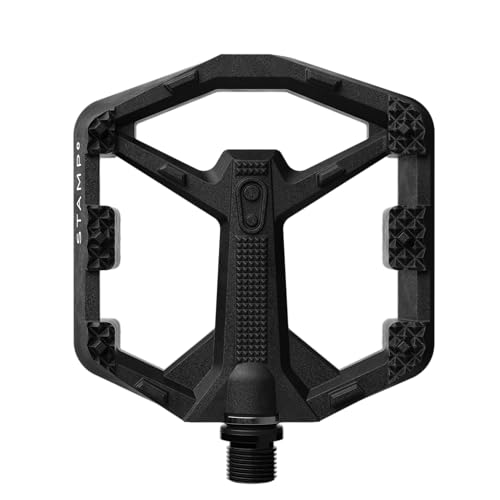
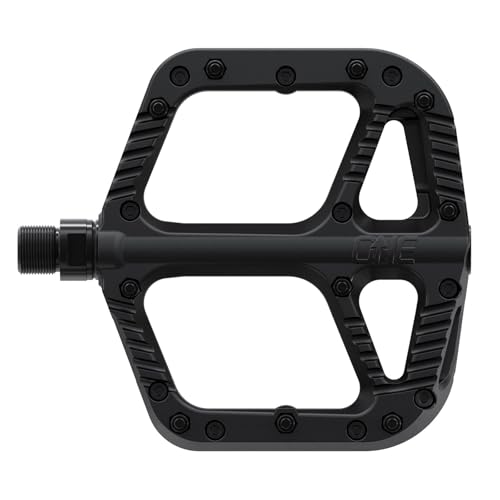

Platform Size, Pins, and Grip: What Actually Matters
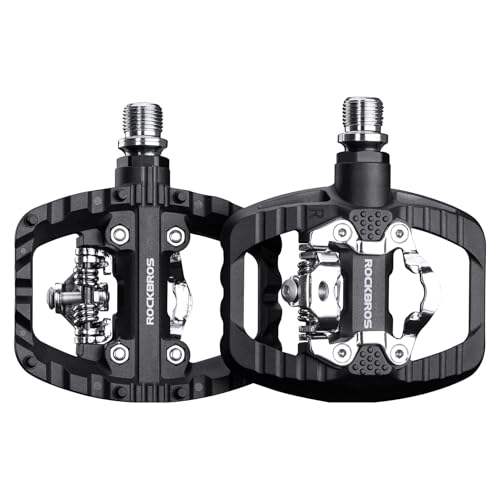
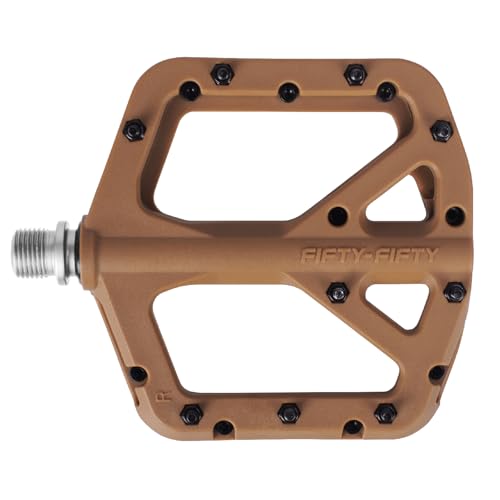
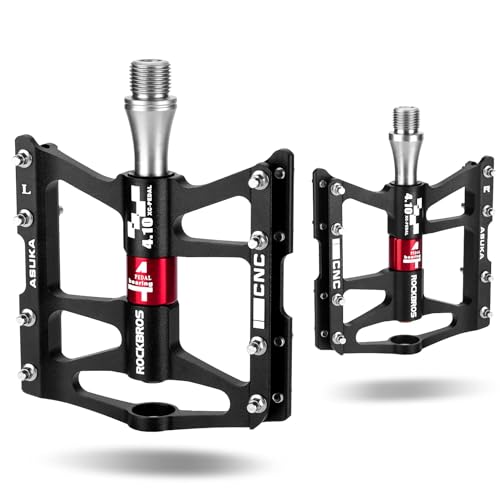
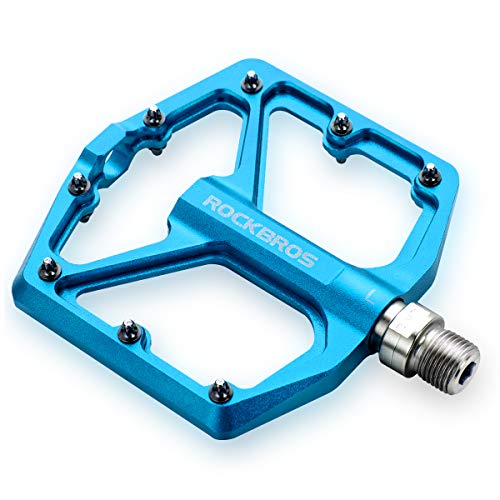
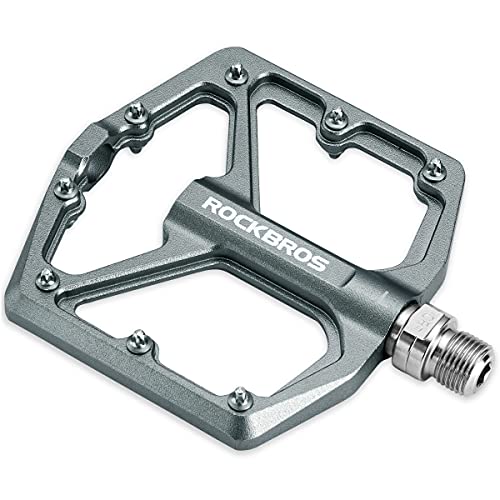
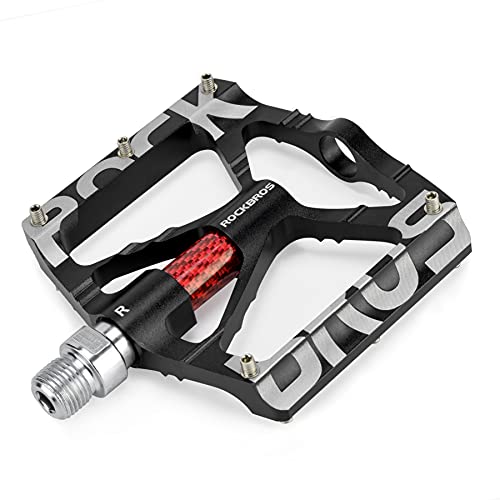
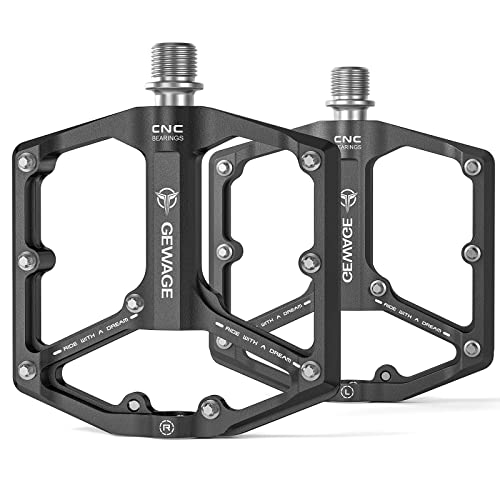
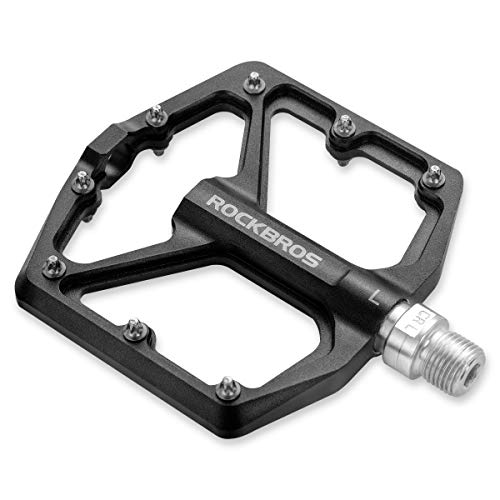
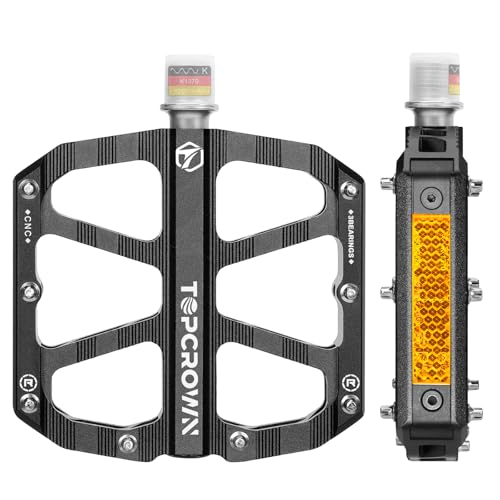
A flat pedal is really just a platform, an axle, and a set of pins, but those three parts interact more than most riders assume. A platform that is too small for your foot creates hot spots and forces your foot to hunt for a stable position on every pedal stroke. Grip comes almost entirely from how the platform shape and pin layout work together, and it is usually the deciding factor between an average pedal and one of the best flat bike pedals in its price range.
Platform Shape and Concavity
Concave platforms let the sole of your shoe wrap slightly around the pedal body, which increases contact area without adding pin length. A flatter, less concave design can still grip well if the pins are placed correctly, but most riders find a bit of concavity more comfortable over long rides. Platform thickness also matters for stack height, especially if you notice your pedals scraping on tight trail sections.
Pin Count and Pin Length
Most mountain bike flat pedals use somewhere around 10 to 12 pins per side, spaced to match common shoe tread patterns. Longer pins bite harder into the sole and hold your foot in place through rough terrain, but they also wear down soft rubber shoes faster and can be more painful if your foot slips off during a fall. Shorter pins are a reasonable trade if you ride mellower terrain or want a pedal that is gentler on casual sneakers, and pairing grippy pedals with a properly fitted mountain bike helmet matters just as much for staying safe on rougher trails.
Matching Pedal Size to Your Feet and Riding Style
Pedal sizing is one of the most overlooked parts of shopping for the best flat bike pedals, and it explains a lot of the "my foot keeps sliding" complaints riders bring up. Smaller platforms work fine for smaller shoe sizes, but a rider with larger feet on an undersized pedal will feel like there is nothing under their heel or toe. Manufacturers increasingly offer size specific options built around actual shoe size ranges rather than a single one size fits all platform.
Riding style factors in too. Aggressive downhill and trail riding benefits from a larger, grippier platform that keeps your foot planted through impacts, while cross country or fitness riders often prefer a smaller, lighter pedal that saves weight without sacrificing much support.
Nylon Composite vs Aluminum: Which Material Makes Sense
Material choice on flat pedals is less about "better" and more about what trade off fits your budget and riding habits. Nylon composite pedals are lighter, more forgiving on impact, and noticeably easier on your wallet, and modern composite designs have closed most of the performance gap with metal pedals. Aluminum pedals generally hold up better to hard rock strikes and can be rebuilt or serviced more easily over time, which appeals to riders who put in serious trail miles.
If you are a casual rider or commuter, composite pedals are usually plenty durable and a smart place to save money. If you regularly ride rocky, technical terrain where pedal strikes are common, the extra durability of aluminum starts to justify the higher price.
Are Flat Pedals Right for Road Riding and Commuting
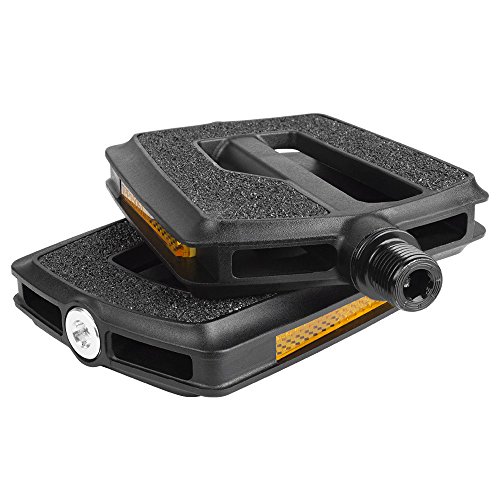
Flat pedals are not just a mountain biking accessory. As long as the pedal thread matches your crank arm, which almost always means a standard 9/16 inch axle, flat pedals can go on nearly any bike, including road bikes. For commuting, the appeal is obvious: you can hop off in regular shoes at a stoplight or lock your bike up without changing footwear first.
For everyday riding, the best flat bike pedals are often the simplest ones. Road and commuter riders generally want a thinner, lower profile platform than off road riders do, since a lower stack height keeps pedaling feel closer to a road specific setup. Pin aggressiveness matters less here too, since street shoes and light tread patterns do not need the same bite that muddy trail shoes do. If you already own one of the best mountain bikes under $1000, swapping in a road friendly flat pedal is also a common way to make the same bike feel more versatile for pavement riding.
Flat Pedals vs Clipless: Which Should You Choose
This is the comparison almost every rider eventually runs into, and there is no universal right answer. Clipless pedals lock your foot to the pedal with a cleat, which can improve pedaling efficiency and control once you get used to the mechanism. Flat pedals let you place your foot anywhere on the platform and step off instantly, which many riders find safer for technical descents, stop and go city riding, or simply learning the bike.
Beginners and riders who want the freedom to bail quickly tend to gravitate toward flats, while some experienced riders switch back and forth depending on the terrain. Worth noting: flat bike pedals and cycling pedal power meters serve completely different purposes, so if you are comparing options built around performance tracking rather than grip and control, that is a separate category of product entirely.
Frequently Asked Questions
What is the difference between flat pedals and clipless pedals?
Flat pedals rely on a grippy platform and pins to hold your foot in place, while clipless pedals use a cleat on your shoe that physically locks into the pedal. Flat pedals let you reposition your foot freely and step off instantly, while clipless pedals trade that flexibility for a more connected pedaling feel.
Are flat pedals good for road bikes?
Yes, flat pedals work fine on road bikes as long as the axle thread matches your crank arm, which is almost always the case. Many road and commuter riders choose a thinner, lower profile flat pedal to keep the stack height close to what a road setup expects.
Will flat pedals fit any bike?
Nearly all modern bikes use a standard 9/16 inch pedal thread, so most flat pedals will fit without any modification. It is still worth double checking your crank arm's spec before buying, especially on older or unusual bikes.
What size flat pedals do I need?
Match the platform size to your shoe size rather than picking based on looks alone. Riders with smaller feet often do better on a smaller platform, while larger feet benefit from a wider, larger platform that supports the whole foot.
How long should pedal pins be?
Longer pins grip more aggressively and work well for rough, technical terrain, but they wear down shoes faster and can be uncomfortable if your foot slips. Shorter pins are gentler on casual shoes and suit smoother terrain or lighter riding.
Are aluminum or composite flat pedals better?
Neither is strictly better since it depends on your riding. Aluminum tends to hold up better against hard impacts, while composite pedals are lighter, cheaper, and often more forgiving when you do strike a rock or curb.
Can I ride flat pedals with regular sneakers?
Yes, regular sneakers work fine with flat pedals, which is one of the main reasons riders choose them for commuting or casual riding. A flat soled shoe with reasonably grippy rubber will get the most out of the pedal's pins.
Do flat pedals wear out shoes faster?
Aggressive, long pins can chew up soft rubber soles over time, especially on shoes that were not designed for cycling. If shoe wear is a concern, shorter pins or a shoe with a firmer, more pin-resistant sole will hold up longer.
Finding the Right Fit for Your Ride
There is no single best pedal for every rider, only the right combination of platform size, pin length, and material for how and where you actually ride. The best flat bike pedals for you are simply the ones sized to your feet and matched to how you actually ride, not the ones with the flashiest marketing. Start with your shoe size and riding style, then let budget decide between composite and aluminum, and the pedal underneath you will stop being something you think about mid ride.