
Best Saltwater Spinning Reel at Every Price: What Your Money Really Gets You
Disclosure: We may earn a commission when you buy through links on this page, at no extra cost to you. As an Amazon Associate I earn from qualifying purchases. Learn more

The best saltwater spinning reel by budget: PENN Wrath II, Daiwa BG and PENN Slammer IV plus drag and corrosion tips.
Saltwater is hard on fishing gear. Salt spray corrodes metal, sand grinds into gears and strong fish like redfish, striped bass, snook and tuna punish weak drags. A good saltwater spinning reel needs corrosion resistant materials, a strong, smooth drag and enough line capacity for long runs. Prices range from around $40 for basic reels to well over $300 for full metal reels built for offshore jigging. This guide to the best saltwater spinning reel options sorts choices by budget so you know what each price tier delivers and where spending more pays off.
We cover three top picks, what your money gets at each price tier, the features worth paying for, long term costs and answers to common questions. Every reel in the table above is sold new on Amazon US. Follow local fishing regulations and license rules, wear polarized glasses and a life jacket on boats and kayaks and rinse gear after every saltwater trip.




Top 3 Picks by Budget
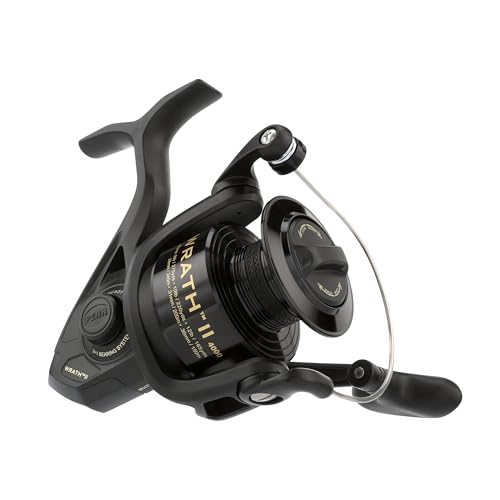
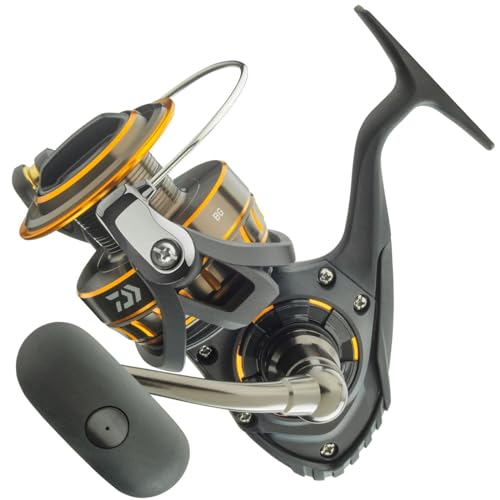
Our picks are the PENN Wrath II Spinning Reel as the budget pick, the Daiwa BG Saltwater Spinning Reel as the midrange pick and the PENN Slammer IV Saltwater Spinning Reel as the premium pick for heavy duty boat, shore and jigging use.
We compared body and spool materials, drag strength, bearings, gear ratio, line capacity, corrosion resistance and price, along with the overall pattern in owner feedback. We did not fish with these reels ourselves; the notes reflect maker specifications.
Best Budget Pick: PENN Wrath II Spinning Reel (Size 4000)
The PENN Wrath II suits beginners and casual anglers fishing piers, jetties and inshore flats, at around $60. PENN lists a corrosion resistant graphite body, a machined anodized aluminum spool with line capacity rings, a 6.2:1 gear ratio that retrieves 37 inches per crank, a 2+1 stainless steel bearing system, a felt front drag with 15 pounds of max drag and line capacity of 270 yards of 8 pound mono or 360 yards of 15 pound braid.
Two strengths stand out: corrosion resistant materials at a low price and a dependable drag from a well known saltwater brand. The line capacity rings make spooling easy.
The limitation is fewer bearings and a graphite body that flexes more than metal under heavy loads. Skip it for offshore fishing or big game.
Best for: pier and jetty anglers, kids learning to fish saltwater and anyone building a backup rod and reel combo.

Best Midrange Pick: Daiwa BG Saltwater Spinning Reel
The Daiwa BG is for regular saltwater anglers who want a rugged metal reel without a premium price, at around $160. Daiwa lists a black anodized machined aluminum Hard Bodyz body and side cover, an oversized Digigear system, a solid screw in handle and an Air Rotor, with line capacity such as 260 yards of 12 pound mono or 230 yards of 30 pound braid in the listed size.
Its strengths are a solid metal body and oversized gearing that handle strong inshore and nearshore fish, plus a long track record with saltwater anglers.
The trade off is weight compared with graphite reels. Skip it if you want the lightest setup for all day casting.
Best for: inshore anglers targeting redfish, snook and striped bass, and surf anglers who want a tough, reliable reel.

Best Premium Pick: PENN Slammer IV Saltwater Spinning Reel
The PENN Slammer IV suits serious anglers fishing from boats, shore and kayaks for big, hard fighting fish, at around $330. PENN describes it as a full metal, heavy duty spinning reel built for jigging and lure fishing.
The appeal is strength and durability for heavy drag pressure and long fights, which matters for offshore species and surf fishing.
The limitation is price and weight. Skip it if you fish mostly for smaller inshore species.
Best for: offshore jigging, surf fishing for big species and anglers who want a reel that can handle heavy drag settings for long fights.

What Your Money Gets You at Each Price Tier
Saltwater spinning reels fall into three rough price tiers. Here is what to expect.
The best saltwater spinning reel at any price resists corrosion and delivers a smooth drag. Moving up mostly buys metal bodies, better sealing, stronger gears and higher drag limits for bigger fish.
Budget Tier: What to Expect
Under around $70, you get reels like the PENN Wrath II, KastKing Megatron at around $59, KastKing Sharky at around $54, Pflueger President at around $62 and PENN Pursuit V at around $64. KastKing lists an aerospace aluminum alloy skeletal frame, a carbon fiber drag and 7+1 double shielded stainless bearings on the Megatron. Budget reels suit beginners, piers and occasional trips.
Expect less sealing and more maintenance to fight corrosion.
Pair budget reels with braided line and a fluorocarbon leader for better casting distance and abrasion resistance around rocks and pilings.
Complete rod and reel combos, like the Ugly Stik 7 foot saltwater kit at around $38, are another budget path for beginners who need everything at once.
Midrange Tier: The Sweet Spot for Most Buyers
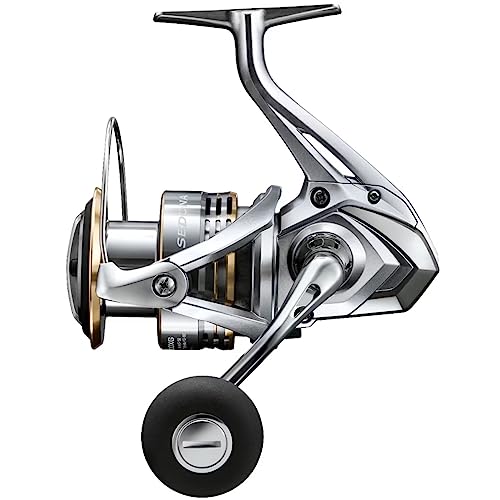
Between around $75 and $170, you get reels like the Shimano Sedona C5000XG at around $76, PENN Battle III at around $129 and Daiwa BG. PENN lists an all aluminum body and sideplates, 5+1 bearings, a 6.2:1 gear ratio and an HT-100 carbon fiber drag with 15 pounds of max drag on the Battle III. Shimano lists 24.3 pounds of max drag and an 11.2 ounce weight on the Sedona C5000XG.
This tier suits most regular saltwater anglers.
PENN notes the Battle III won an ICAST Best of Category award in the saltwater reel category, and it uses a superline spool that grips braided line without a mono backing.
Premium Tier: When Spending More Pays Off
Above around $300, you get full metal, sealed reels like the PENN Slammer IV and Shimano Saragosa SW A at around $345. These reels use stronger gears, better sealing against water and sand and higher drag ratings for offshore fishing.
Spending more pays off for frequent boat and surf anglers targeting large species.
Premium reels often come with better warranties and parts support, and they can be serviced and rebuilt rather than replaced.
For most inshore anglers, a premium reel is a luxury rather than a necessity.
Features Worth Paying For in the Best Saltwater Spinning Reel (and Ones to Skip)
Corrosion resistance, drag quality, body material and the right size are worth paying for. Extremely high bearing counts alone are not.
Bearing counts are easy to advertise but tell you little on their own. A reel with fewer, higher quality stainless bearings, like PENN's Battle III with 5+1, can feel smoother and last longer than a reel with many cheap bearings.
Intended Use and Reel Size
Size 2500 to 3000 reels suit light inshore fishing, 4000 to 5000 suit general inshore and pier fishing and 6000 and up suit surf, nearshore and offshore. Match reel size to your rod and target species.
Consider your line too: braid lets you pack more strength onto a smaller spool, while mono stretches and forgives mistakes.
Kayak anglers often prefer 3000 to 4000 size reels for a lighter, more compact setup, while surf anglers casting heavy lures go larger for line capacity and drag.
Drag System and Strength
A smooth drag protects your line during runs. Carbon fiber drags, like PENN's HT-100 and KastKing's, stay smooth under heat. Check max drag: PENN lists 15 pounds on the Wrath II and Battle III, and Shimano lists 24.3 pounds on the Sedona C5000XG.
Set your drag to about a quarter to a third of your line's breaking strength as a starting point, then adjust for the fish and conditions.
Sealed drags keep water and sand out, which matters most for surf and wading anglers whose reels get splashed or dunked.
Body Material and Corrosion Resistance
Graphite bodies, like the Wrath II's, resist corrosion and save weight. Aluminum bodies, like the Battle III's and Daiwa BG's, add rigidity. Full metal, sealed reels like the Slammer IV resist saltwater intrusion best.
Anodized aluminum spools, like the Wrath II's and Daiwa BG's, resist corrosion better than plain metal spools.
Stainless steel bearings and hardware resist rust better than plain steel, which is why PENN highlights stainless bearings on the Wrath II and Battle III.
Weight and Gear Ratio
Lighter reels reduce fatigue when casting all day. Gear ratio affects retrieve speed: 6.2:1, as on PENN's Wrath II and Battle III, suits fast lure work, while lower ratios like KastKing Megatron's 5.2:1 add cranking power.
Balance the reel with your rod; a well matched setup feels lighter and casts better than a heavy reel on a light rod.
Shimano lists the Sedona C5000XG at 11.2 ounces, which helps for long sessions of casting lures.
Long Term Costs to Factor In
Saltwater reels need regular care. Budget for reel oil and grease, line replacement each season or more often with heavy use and occasional drag washer replacement.
Rinsing with fresh water after each trip prevents costly corrosion. Professional servicing every year or two keeps premium reels running smoothly. Spare spools add convenience for switching line types.
Store reels out of direct sun and away from car trunks in summer, since heat breaks down grease and line.
Braided line costs more than mono but lasts longer and can be reversed on the spool to extend its life.
FAQs
How do I maintain a saltwater spinning reel?
Rinse the reel gently with fresh water after every trip, loosen the drag for storage, dry it and apply reel oil to moving parts as the maker recommends. Avoid blasting water into the reel, which pushes salt inside.
Once or twice a season, remove the spool and wipe away salt and sand from the rotor and spool shaft.
A light spray of reel protectant after rinsing adds an extra barrier against salt.
Never store reels wet.
Are expensive saltwater spinning reels worth it?
Expensive reels are worth it for frequent anglers, offshore trips and big fish, where sealing, strong gears and smooth drags matter. Casual inshore anglers do well with budget or midrange reels.
A midrange reel with regular maintenance often outlasts a premium reel that is never rinsed.
How long does a saltwater spinning reel last?
With regular rinsing and maintenance, a quality saltwater reel can last many years. Budget reels may last a few seasons with heavy use, while sealed premium reels can last a decade or more.
Replacing worn drag washers and bearings can extend the life of a good reel for years.
Keeping reels in a padded case protects them from bumps on boats and in trucks.
What features matter most when buying saltwater spinning reels?
Corrosion resistance, drag strength and smoothness, body material, size and line capacity matter most. Match the reel to your target fish and fishing location.
Handle comfort and an easy to reach drag knob also matter during long fights.
How much should I spend on a saltwater spinning reel?
Beginners can start around $50 to $70, regular anglers usually spend around $75 to $170 and serious offshore anglers spend $300 or more.
Remember to budget for line, a rod and basic tackle, which can cost as much as the reel itself.
The Bottom Line
The best saltwater spinning reel balances corrosion resistance, drag and price for your fishing. The PENN Wrath II is a great budget start, the Daiwa BG is a rugged midrange reel and the PENN Slammer IV is a premium full metal choice for big fish. Rinse your reel after every trip.
Match reel size to your target fish, set your drag carefully and keep up with simple maintenance.
For more outdoor guides, see the best camping coolers, the best mosquito bite relief, the best fillet knives and the best rechargeable flashlight. Then compare current prices in the product table above.


