Best Beginner Mountain Bike Shoes: Matching the Right Model to Your Routine for 2026
Disclosure: We may earn a commission when you buy through links on this page, at no extra cost to you. As an Amazon Associate I earn from qualifying purchases. Learn more

Match the best beginner mountain bike shoes to your pedals and trails, with fit, grip and closure guidance that helps you avoid overpaying on a first pair.
There is no single shoe that suits every new rider, because your pedals, your trails, and how much walking you do change what works. A rider on smooth local paths needs different grip and stiffness than a rider pushing a bike up rocky climbs. Finding the best beginner mountain bike shoes starts with your routine, not with the highest price.
The comparison table below groups common styles so you can see the main trade offs quickly. Use the sections that follow to match each style to your pedals and your typical ride, then check fit carefully before you commit.


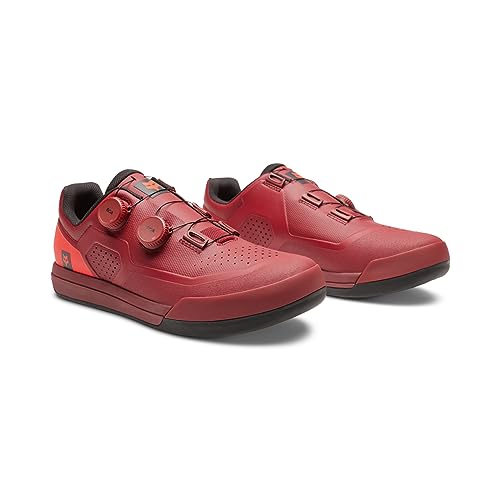
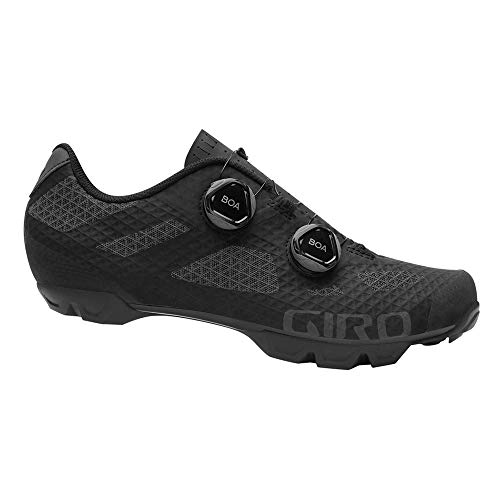
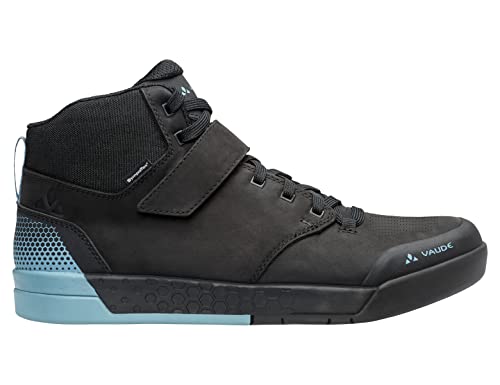


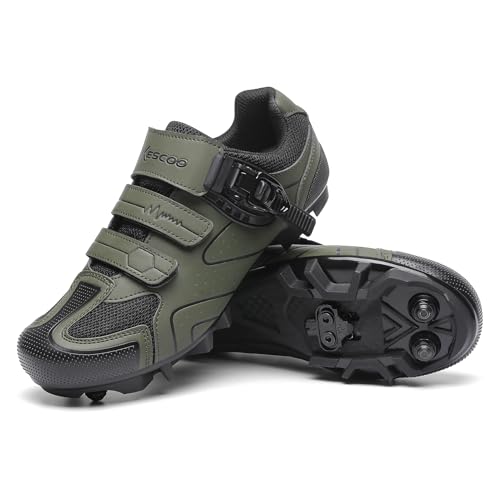

Who Should Buy Which Mountain Bike Shoes?
For Frequent or Serious Users
If you ride several times a week, prioritize a durable upper, a sole that resists peeling at the toe, and a closure system you can adjust on the move. Frequent use wears soft soles quickly, so a slightly stiffer sole with a proven tread pattern pays off over a season. A clear warranty and replaceable parts, such as straps or dials, also matter more when you ride often.
Serious beginners who are building a full setup may also be comparing bikes, and our guide to the best beginner mountain bike covers frame and wheel choices that pair well with your first shoe decision. Match shoe stiffness to your goals gradually, because an extremely stiff racing sole can feel harsh and unforgiving while you are still building leg strength and technique.
For Bad Weather and Tough Conditions
Wet trails demand deep tread, a grippy rubber compound, and an upper that sheds mud instead of soaking it up. Look for sealed seams, a higher cuff if you ride through brush, and materials you can hose off and dry overnight. Avoid light mesh uppers for winter or muddy riding, because they let water in fast and dry slowly.
Tough conditions also punish weak closures. Hook and loop straps can clog with mud, while dials and laces each have fans for different reasons. Think about how you will clean the shoe after a ride, and choose a design with few hidden pockets where grit can collect and grind at stitching over time.
For Small Spaces and Easy Storage
If storage space is tight, a low profile shoe that doubles for driving to the trailhead and walking into a shop is easier to live with than a tall, bulky design. Softer soles bend more naturally for walking, which also helps if your rides include cafe stops or carrying your bike up stairs. Light weight matters here too, since you may carry the shoes in a gym bag.
Riders shopping as a household often compare options across family members. Our guide to the best women's mountain bike for beginners and the guide to the best men's beginner mountain bike can help align shoe fit and sizing with the right bike fit, since men and women often need different widths and heel shapes even at the same length.
Key Features to Compare
Performance Specs That Matter for Shoes
For shoes, performance means grip, stiffness, and protection, not headline numbers. A sticky rubber outsole with varied lug shapes grips flat pedals and wet rocks, while a moderately stiff midsole spreads pedal pressure so your feet ache less on long rides. Toe protection matters on rocky trails, where a stubbed toe can end a ride early.
Test grip by thinking about your worst moment, not your best. You need the shoe to hold when you dab a foot down on loose dirt or walk a steep section. Deep, widely spaced lugs clear mud better, while flatter, dense tread suits hard packed trails and skate style flat pedals with pins.
Closure Systems and Adjustability
Laces give a simple, even fit and are cheap to replace, but they can loosen and catch on chainrings if you do not tuck them away. Straps are fast to adjust and easy to use with gloves, though they can create pressure points if you overtighten them. Dial systems give fine adjustment in small steps and spread pressure well, but they cost more and can break in a crash.
For a first pair, pick the closure you will actually adjust mid ride. Feet swell on warm days and on long climbs, and a shoe you can loosen in seconds prevents numb toes. Check that any dial or strap sits clear of your ankle bone, because a small rub there becomes painful within an hour.
Compatibility With Your Bike or Gear
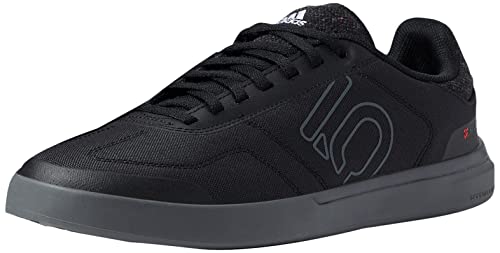
The biggest compatibility choice is flat pedals versus clipless pedals that use the SPD cleat system. Flat pedal shoes have a smooth, grippy sole with no cleat, and you can walk normally. Clipless shoes have a recessed cleat area, a stiffer sole, and a learning curve, because you must twist your heel to release before you stop.
Never buy a clipless shoe before you own matching pedals, and never assume a shoe fits every cleat standard. If you are also choosing a bike style, our guide to the best beginner hardtail mountain bike explains the kind of riding most new shoe buyers will do, which helps you judge how much stiffness you truly need.
Beginner Friendly Features That Matter
Forgiveness is the key word for a first shoe. A sole with some flex lets you walk, dab, and correct mistakes without feeling locked in, and a roomy toe box prevents hot spots while your feet adapt. Clear sizing guidance from the maker, a removable insole, and a return policy that allows a home try on all reduce the risk of a bad first purchase.
Also look for a heel cup that holds your foot without squeezing, and reflective details if you ride to the trail at dawn or dusk. Small touches like a lace keeper loop or a padded tongue sound minor, yet they are the details you notice on every single ride, unlike exotic materials you may never feel.
Common Mistakes to Avoid When Buying Mountain Bike Shoes
- Choosing by price alone and ignoring pedal compatibility, which can leave you with shoes you cannot use on your bike.
- Buying your exact street shoe size without checking the brand size chart, even though cycling shoes often run narrow.
- Picking a very stiff racing sole for learning, which makes walking sections and quick foot dabs harder.
- Ignoring return terms and warranty cover, so a fit problem discovered on ride two cannot be fixed.
- Forgetting socks, and trying shoes on with thin socks when you ride in thick ones.
Tips to Get the Most From Your Mountain Bike Shoe
Check fit and tightness before each ride, and recheck after the first few minutes once your feet warm up. Loosen and air your shoes after wet rides rather than sealing them in a bag, and stuff them with newspaper to draw out moisture. Brush dried mud from the tread so grip stays consistent on the next ride.
If you use cleats, check cleat bolts every few rides and carry the right hex key, because a loose cleat can twist at the worst moment. Keep a thinner pair of socks for summer and a thicker pair for winter if your budget allows. Riders eyeing steeper terrain can also read our guide to the best downhill mountain bike for beginners for context on the extra protection that style of riding demands.
Frequently Asked Questions
What makes mountain bike shoes for beginners different from advanced shoes?
Beginner shoes favor forgiveness, walkability, and value over maximum stiffness and minimum weight. They use softer soles that are kinder on learning feet, simpler closures, and tougher, cheaper materials that shrug off scuffs. Advanced shoes chase power transfer and racing fit. For your first season, comfort and grip teach you more than a small gain in stiffness ever will.
Should beginners choose clipless or flat pedals?
Most beginners learn faster and fall less on flat pedals, because you can put a foot down instantly and reposition it freely. Clipless pedals reward smooth technique and help on rough climbs once you have practiced unclipping in a safe place. A sensible path is flats for the first months, then clipless later if your riding style calls for it.
How do I choose the right size in mountain bike shoes?
Measure your feet in the evening, when they are largest, and compare length and width with the brand chart rather than guessing from street size. Try shoes with your riding socks, stand and press down as if pedaling, and check that your toes can wiggle without your heel lifting. If you are between sizes, the larger size usually suits longer rides better.
How often should I replace my mountain bike shoes?
Replace them when the tread no longer grips, the sole starts separating, or the upper can no longer hold your foot steady. For regular riders that is often after one to three seasons, depending on mileage and conditions. A sudden change, such as a torn cleat area or a cracked sole, means replacing right away rather than risking a foot slip.
What safety features should I look for in mountain bike shoes?
Look for a protective toe box, a secure closure that cannot snag, and tread that grips when you must walk or stop suddenly. If you ride at dawn or dusk, reflective details help drivers see you on road sections to the trail. Shoes do not carry a single universal safety rating, so judge protection by construction and fit rather than by a label alone.
Final Thoughts
Match the shoe to your pedals first, then to your weather and how much walking your rides include, and only then compare price. Fit beats every other spec, because a shoe you forget you are wearing lets you focus on the trail. When you are ready, look back at the product table above and choose the best beginner mountain bike shoes style that fits your routine, your pedals, and your budget.