Best Bedroom Air Purifiers for Allergies 2026: A Clear Buying Guide
Disclosure: We may earn a commission when you buy through links on this page, at no extra cost to you. As an Amazon Associate I earn from qualifying purchases. Learn more

Learn how to choose a bedroom air purifier for allergies by room size, filter type, noise level, and running cost, with tips for first time buyers.
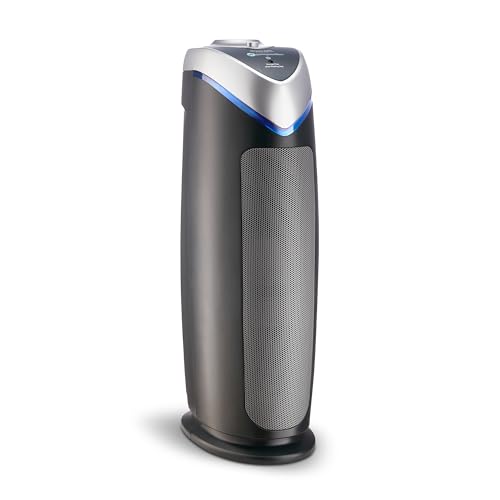
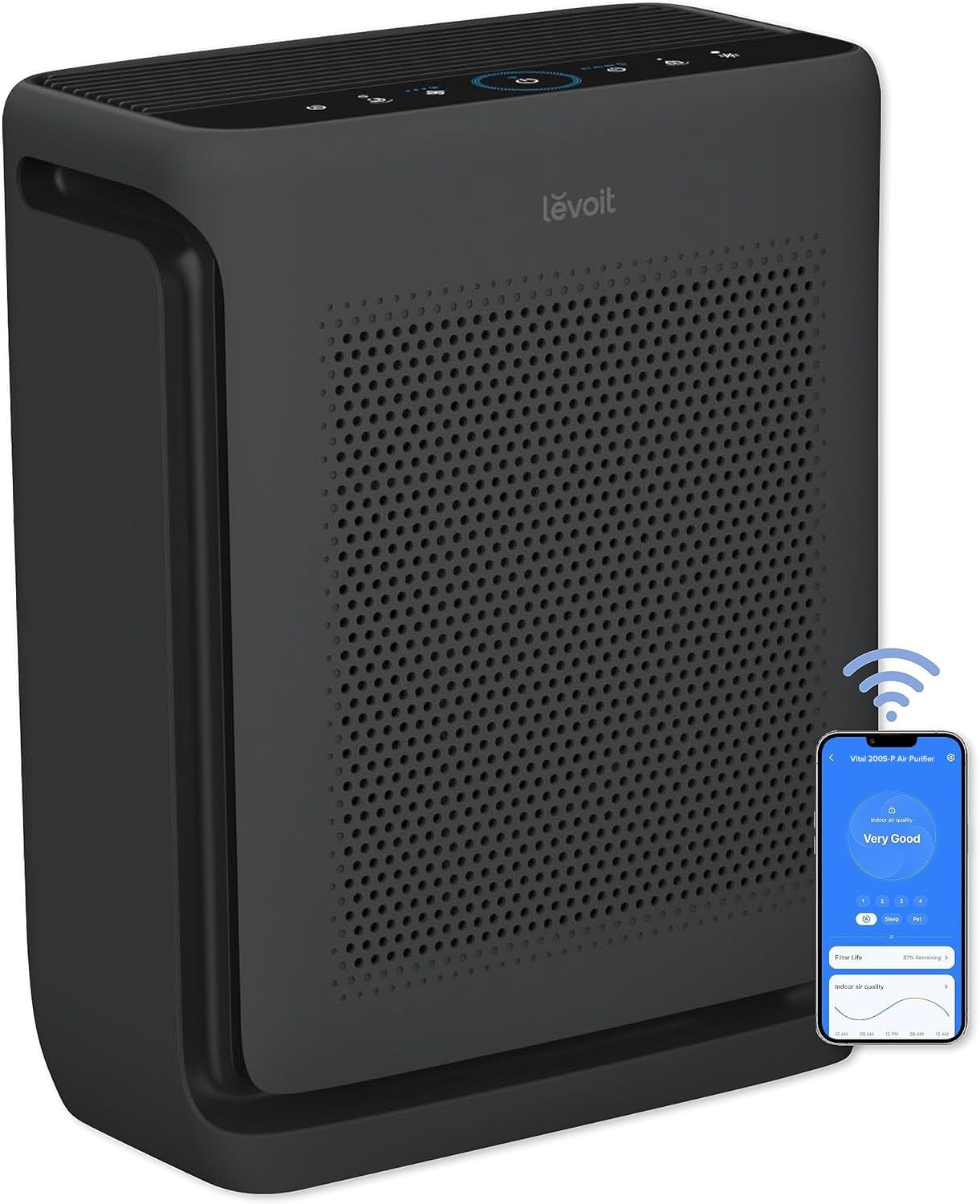
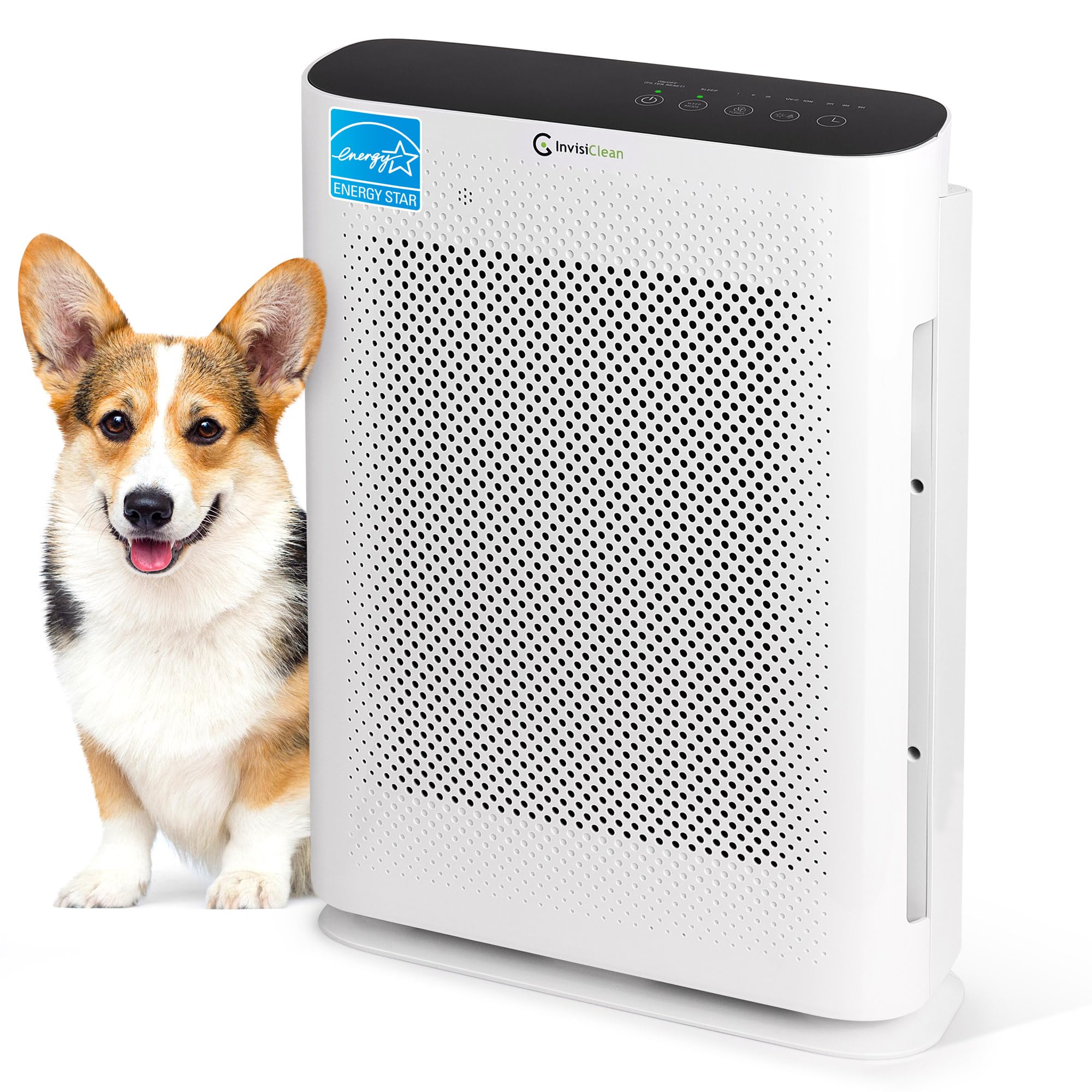
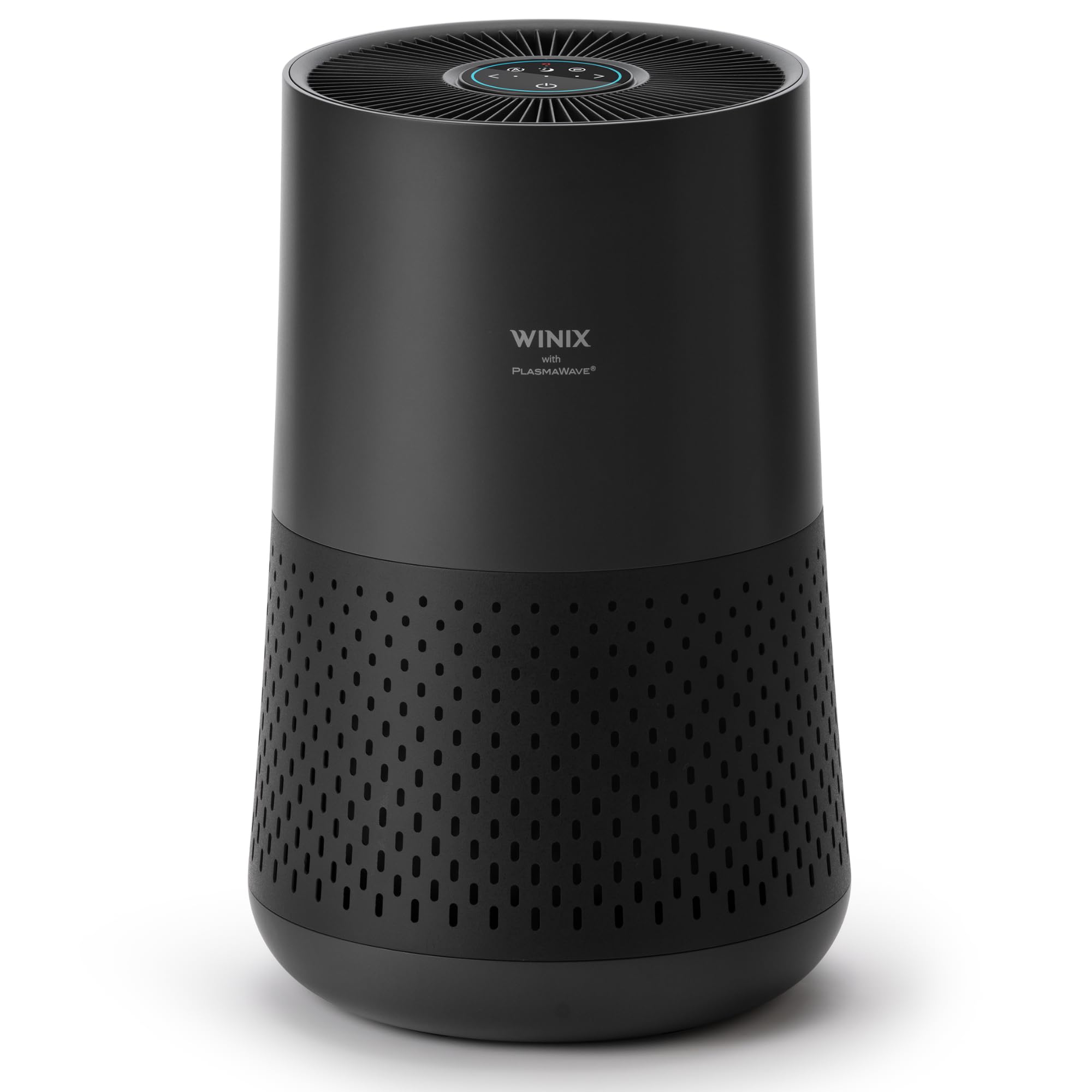
Shopping for best bedroom air purifiers for allergies can feel confusing when every box promises cleaner air and a better night. The comparison table below gives you a quick way to compare the main options side by side before you read the details.
Start with the room, not the marketing. A bedroom purifier works best when it is sized for the space, runs quietly through the night, and uses a filter that actually traps the particles that bother you. This guide explains each choice in plain language so you can buy with confidence.



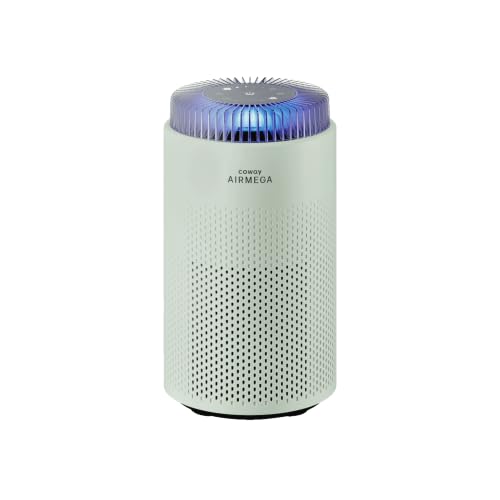


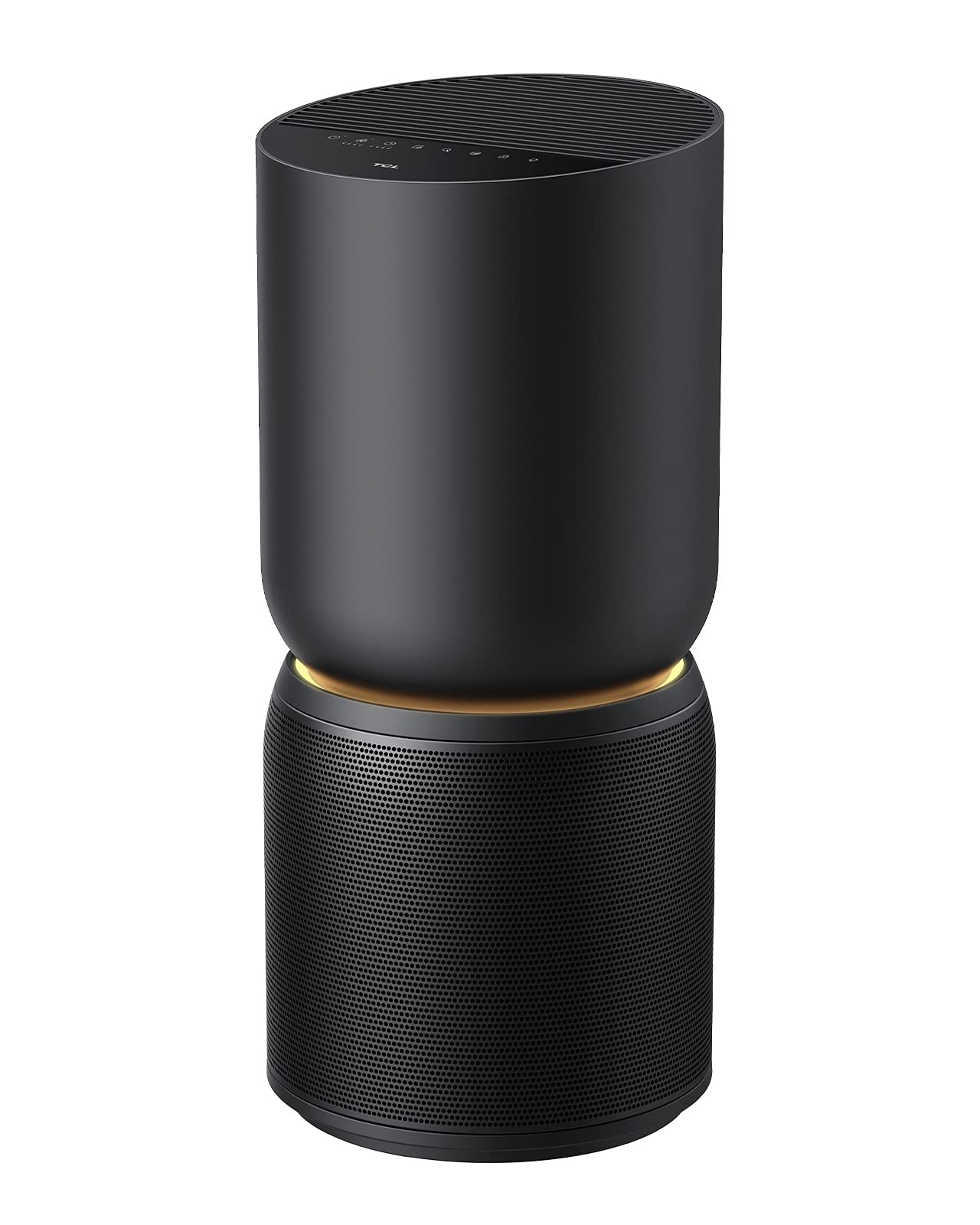
The Basics
A bedroom air purifier is a freestanding unit that pulls room air through one or more filters and then returns the cleaned air to the room. Most models use a pre filter for dust and hair, a main particle filter for pollen, dust mites, and pet dander, and sometimes a carbon layer for odors. The fan speed controls how quickly the unit cleans the air, and the noise level rises as the fan speed rises.
For allergy use, the filter is the heart of the machine. Look for a sealed filter system so air cannot slip around the edges of the filter, and check how often the filter needs replacing. A unit that is cheap to buy but needs costly filters every few months can cost far more over time than a slightly dearer model with a longer filter life.
Key Features to Compare
Room Size and Clean Air Delivery
Room size matters more than any other single number. A purifier rated for a large living room may be overkill in a small bedroom, while a compact unit will struggle in a large primary bedroom with high ceilings. Measure the length and width of your room, then choose a model rated for at least that floor area at a quiet speed, not only at its loudest setting.
True Particle Filtration
The main particle filter should capture very small airborne particles, including pollen, mold spores, dust mite waste, and fine pet dander. A sealed design keeps dirty air from bypassing the filter, which is a common weakness in cheaper units. Ask how the filter is sealed and whether replacement filters are easy to find in your area.
Night Noise and Sleep Quality
Bedroom use means the purifier will run while you sleep, so noise is a real buying factor and not a minor detail. A model with a dedicated sleep mode, a dim or switchable display, and a low speed that still moves air is usually the best compromise. If you are a light sleeper, prioritize a quiet low speed over a very high maximum speed.
Filter Cost and Replacement Schedule
Check the price of replacement filters and how many months each filter is expected to last under normal use. Some models need a new main filter every six months, while others last twelve months or longer. Add the filter cost to the purchase price for two years of use to get a fair sense of the total cost.
Controls, Sensors, and Simpler Choices
Automatic sensors can raise the fan when dust rises and lower it when the air clears, which is handy if you do not want to adjust settings by hand. A simple manual model can be just as effective if you are happy to run it on a steady low or medium speed. Choose controls you will actually use, because a complicated panel that you ignore adds no value.
Who Should Buy Which Type
For Pollen and Dust Mite Sufferers
If pollen or dust mites are your main problem, put filter quality and room coverage first. Run the unit on a medium speed during the day and a quiet low speed at night, and keep the bedroom door closed so the unit cleans one room rather than the whole home. Wash bedding in hot water regularly, because a purifier cannot remove allergens already trapped in pillows and blankets.
For Pet Owners
Pet dander and hair need a strong pre filter that you can vacuum or rinse, plus a main filter that traps fine dander. Place the unit where air can flow freely around it, not tucked behind furniture or curtains. If a pet sleeps in the bedroom, run the purifier for a few hours before bed so the room starts the night as clean as possible.
For Light Sleepers and Small Bedrooms
In a small bedroom, a compact unit with a genuinely quiet sleep mode is often better than a large unit that you turn off at night because it is too loud. Check the noise level at the speed you will actually use, and look for a display that can be dimmed or switched off. A purifier that stays on all night does far more good than a powerful unit that sits switched off.
Related Choices to Compare
If you are also weighing nearby options, our guides to the best air cleaners and purifiers, best home air purifiers and best home air purifiers for allergies explain how larger whole room units differ. Pet owners can also read about the best air purifiers for pet allergies, and anyone with asthma can compare the best air purifiers for allergies and asthma.
Common Mistakes and Care
One common mistake is placing the purifier in a corner or behind a wardrobe, where furniture blocks airflow and the unit recirculates the same pocket of air. Give it clear space on all sides, keep it away from curtains that can be drawn into the intake, and avoid putting it right beside your pillow if the breeze or the hum disturbs your sleep.
Vacuum the pre filter as the maker suggests and replace the main filter on schedule, even if it still looks clean, because trapped particles can reduce airflow over time. Wipe the outside with a dry cloth, keep the intake and outlet grilles free of dust, and store spare filters in a dry place so they stay fresh until you need them.
Frequently Asked Questions
How long should a bedroom purifier run each day?
A bedroom purifier does its best work when it runs for several hours each day, ideally through the night and for a period before bed. Short bursts help a little, but allergens settle and reenter the room constantly, so steady running keeps the level lower. If noise is a concern, use a medium speed in the evening and a quiet low speed overnight rather than switching the unit off entirely.
Does a purifier replace allergy medicine?
No, a purifier is a room tool, not a medical treatment, and it cannot remove allergens from bedding, carpets, or your body. It works best alongside other steps such as washing bedding regularly, vacuuming with a sealed vacuum, and keeping windows closed during high pollen periods. If symptoms are severe, persistent, or getting worse, talk with your clinician about testing and treatment options.
What filter should allergy buyers look for?
Look for a main particle filter designed to capture very small particles, housed in a sealed system that prevents air from leaking around the edges. A carbon layer can help with odors, but it does not replace particle filtration for allergies. Check replacement cost and availability before you buy, because a filter you cannot easily replace will leave the unit useless.
Is a bigger purifier always better for a bedroom?
Not necessarily, because a very large unit can be noisy, bulky, and costly to run in a small room. The right size is one rated for your room at a quiet speed, with enough power in reserve for dusty days. Measure your room first, then compare ratings at low and medium speeds rather than judging by maximum power alone.
Where should the purifier sit in the bedroom?
Place it where air can move freely around it, away from walls, curtains, and large furniture, and not directly against your bed. A spot near the center of the room or along a clear wall usually works well. Avoid corners and enclosed spaces, and keep the intake clear of laundry piles and soft furnishings that could block airflow.
Final Thoughts
Match the unit to your room, your main allergen, and the noise level you can sleep with, and you will get far more value than chasing the highest headline number. Check filter costs, confirm the rating at a quiet speed, and choose a model you will happily leave running. The comparison table above is a useful starting point, and a steady routine of running and filter care will do the rest.
For most allergy buyers, best bedroom air purifiers for allergies come down to a simple test: the right size, a sealed particle filter, quiet night operation, and affordable filters. If a model passes all four tests for your bedroom, it is a strong choice. If symptoms remain troublesome, talk with your clinician for advice tailored to your situation.