Best and Worst Air Purifiers: Buying Guide for 2026
Disclosure: We may earn a commission when you buy through links on this page, at no extra cost to you. As an Amazon Associate I earn from qualifying purchases. Learn more

Learn how to tell the best and worst air purifiers apart with this buying guide on CADR, room size, filters, noise levels, and yearly running costs.
Two purifiers can look nearly identical on a shelf and clean a room at completely different speeds. The gap between the best and worst air purifiers usually comes down to honest ratings, filter quality, and whether the unit is sized for your actual room. This guide shows you how to spot strong performers and avoid weak ones before you spend anything.
You will learn how to read CADR numbers, match a unit to your square footage, and estimate filter costs over a full year. Use the comparison table below as a quick reference while you work through the criteria, then check each candidate against the points that matter most for your home.


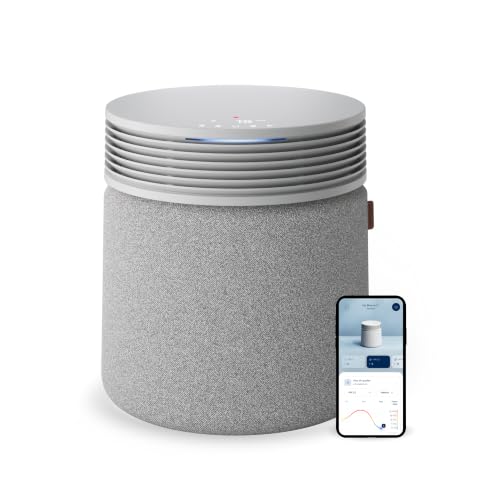

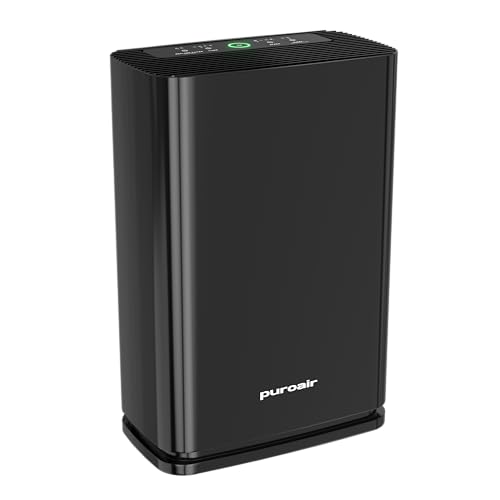


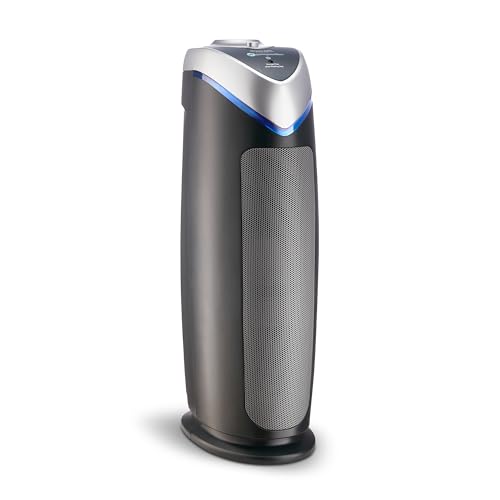
Three Price Tiers for the Best and Worst Air Purifiers
Instead of chasing a single winning model, it helps to know what each price tier generally delivers. The tiers below describe the features and limits you can reasonably expect, so you can judge any unit in the product table above against a fair standard for its price.
Best Overall
A strong all around unit, usually around $200 to $350, pairs a true HEPA filter with a CADR rating that covers a medium to large room at four to five air changes per hour. Expect an air quality sensor, an automatic mode that adjusts fan speed on its own, and a sleep setting quiet enough for a bedroom. Filter replacements are widely available and reasonably priced. The main limit at this tier is that very large open plan spaces may still need a second unit.
Best Value
Value tier units, often around $100 to $200, cover small to medium rooms well and keep the controls simple. You usually get a true HEPA filter and a basic carbon layer for everyday odors, but fewer sensors and no app control. Fan noise on the highest setting can be noticeable, and the carbon layer may need replacing more often in homes with pets or cooking smoke. For a single bedroom or a home office, this tier often gives the most cleaning per dollar.
Best Premium Pick
Premium units, often around $350 to $600, add larger filters that last longer, quieter motors, and detailed air quality readings shown in numbers rather than simple colored lights. Many include WiFi controls, scheduling, and stronger carbon filtration for smoke and chemical odors. The trade off is a higher purchase price and pricier replacement filters. This tier suits large living areas, allergy sensitive households, and anyone who wants the unit to manage itself with little day to day attention from you.
How to Choose the Best And Worst Air Purifiers: Buying Guide
The six checks below separate a purifier that quietly does its job for years from one that disappoints within a month. Work through them in order, because room size and filter type matter more than any smart extra.
Room Size and Coverage
Start with the CADR rating, which tells you how much clean air a unit delivers, measured in cubic feet per minute. As a simple rule, the smoke CADR should be at least two thirds of your room area in square feet. A 300 square foot room therefore needs a smoke CADR of about 200 or higher. AHAM verified ratings are confirmed by an independent program, so treat them as more trustworthy than a bare claim of coverage. Also check the recommended air changes per hour. Four to five changes per hour suits allergy concerns, while two changes may be enough for general freshness. Note that BTU is a heating and cooling measure and has nothing to do with purifier performance, so ignore it if a listing mentions it.
Safety Features
Look for certification from UL or ETL, which means the electrical design has met independent safety requirements. AHAM verification covers performance claims rather than safety, so the two marks tell you different things. If you have small children or pets, a tip over switch that shuts the unit off when it falls is worth having, and a child lock on the controls prevents curious fingers from changing settings. Avoid any purifier that produces ozone as a cleaning method, since ozone can irritate lungs. Ionizer features should be certified to meet strict ozone limits, and many buyers simply leave that feature off.
Energy Efficiency and Operating Cost
Most purifiers draw about 30 to 90 watts on their higher settings, which is similar to a bright light bulb. An ENERGY STAR certified model uses less power for the same clean air output, which matters when the unit runs all day. On a medium setting, running a typical unit around the clock often costs roughly $3 to $8 per month in electricity, depending on your local rates. The bigger cost is filters, covered below, so add both numbers together before you judge whether a cheap unit is truly cheap to own.
Smart Controls and Sensors
An air quality sensor lets the purifier react on its own, speeding up when cooking smoke or dust raises particle levels and slowing down when the air clears. This saves energy and keeps noise low at night. App control and scheduling help if the unit sits in a room you do not enter often, and filter life indicators are genuinely useful because they track actual run time. Treat voice control and colorful displays as bonuses rather than reasons to buy. If you want a broader look at how purifiers fit into a whole home plan, see our guide to the best home air purifiers for placement ideas across several rooms.
Filter Type and Replacement Cost
A true HEPA filter captures 99.97 percent of particles down to 0.3 microns, including pollen, dust, and pet dander. Activated carbon handles gases and odors that HEPA media cannot trap, so smokers and keen cooks should look for a thick carbon layer rather than a thin carbon coated sheet. Before you buy, price the replacement filters and note how often they change, usually every 6 to 12 months for HEPA and every 3 to 6 months for carbon. Annual filter costs of about $40 to $120 are common, and a bargain unit with expensive filters can cost more over three years than a pricier model. For a deeper look at filter focused models, read our guide to the best air purifiers hepa range of options and what the label really guarantees.
Noise Level (dB) and Sleep Mode
Noise is rated in decibels, and the number that matters is the one for the setting you will actually use. A sleep mode around 25 to 35 dB is about as quiet as a soft whisper and suits most bedrooms. Medium settings often sit near 45 dB, similar to a quiet library, while turbo settings can pass 55 dB and become hard to ignore. If you are a light sleeper, place the unit a few feet from the bed and let the sensor mode run it gently overnight instead of using a fixed high speed.
Types of Air Purifiers
Purifiers fall into three broad groups based on the space they serve. Matching the group to your room matters more than any single feature, because an undersized unit will run at full speed constantly and still fall behind.
Small Room Units
Compact units suit bedrooms, nurseries, and desks in rooms up to about 200 square feet. They are light, easy to move, and cheap to run, and their filters cost less to replace. The limits are real, though. A small unit placed in a large living room will barely dent the particle levels there, no matter how long it runs. Buy this size only when you know the room it will live in, and keep the door closed while it works.
Smart WiFi Models
Smart models add sensors, app control, and scheduling, and they suit busy households that want the purifier to manage itself. You can check air quality readings from another room and set the unit to run harder before you come home. The downsides are a higher price and one more app on your phone. If your router connection is weak in the room where the unit will sit, some features may drop out, so a strong manual control panel still matters. Readers comparing connected models with simpler ones may also enjoy our guide to the best air cleaners and purifiers, which explains how the two labels overlap.
Large Room and Whole Home Units
Large units carry big filters and high CADR ratings, often covering 500 square feet or more with useful air changes per hour. They are the right call for open plan living areas and homes with several pets. Expect more weight, a bigger footprint, and higher filter costs. Whole home purification through a heating and cooling system is a different approach handled by a technician, and it cannot easily match the particle removal of a strong portable unit placed in the room where you spend the most time.
Tips to Get the Most From Your Air Purifier
A good purifier still needs sensible habits around it. These simple steps protect its performance and keep running costs predictable.
- Replace or clean filters on schedule: a clogged filter cuts airflow and forces the motor to work harder, so set a phone reminder based on the manual rather than waiting for the air to feel stale.
- Keep doors and windows closed while running: open windows pour in new pollen and dust faster than most units can remove them, especially on high pollen days.
- Leave clearance around the intake and exhaust: keep about one to two feet of open space on the intake side so the unit can draw air freely instead of recycling the same small pocket.
- Vacuum the prefilter monthly: the washable or vacuumable first layer catches hair and large dust, and keeping it clear extends the life of the HEPA filter behind it.
- Run it continuously on a low setting: steady gentle cleaning usually beats short bursts on turbo, because particles settle back into the air whenever the unit stops.
If you are still deciding between a standalone purifier and a combined unit, our guide to the best air cleaners explains the wording you will see on boxes and how to compare the two fairly.
Air Purifiers: Your Questions Answered
How often should I replace the filter?
Most HEPA filters last 6 to 12 months and most carbon filters last 3 to 6 months, but your home sets the real pace. Homes with shedding pets, smokers, or nearby construction fill filters faster than the box suggests. A simple check helps: if the filter looks grey and the unit sounds louder on the same setting, airflow is dropping. Write the install date on the filter frame with a marker so you never have to guess its age later.
Is it expensive to run 24/7?
No, running a purifier around the clock is usually one of the cheaper habits in a home. On a low or automatic setting, many units draw about 10 to 30 watts, which often works out to a few dollars a month. The real budget item is filter replacement, not electricity. If costs worry you, choose a model with a long life filter and let the sensor mode avoid needless hours at full speed.
What size do I need for my room?
Measure your room in square feet, then choose a smoke CADR of at least two thirds of that number. A 200 square foot bedroom needs a CADR near 135 or above, and allergy sufferers should aim higher for four to five air changes per hour. When you are between sizes, go up one size. The larger unit can run on a quieter low setting and still clean faster than a small unit straining on turbo.
Where is the best place to put it?
Put the purifier in the room where you spend the most hours, usually the bedroom, and keep it a few feet from walls and furniture. Near a door works well because air moves through that path as people come and go. Avoid tucking it behind a curtain or inside a cabinet, which starves the intake. If a specific source bothers you, such as a litter box or a craft desk, placing the unit a few feet from that source helps it catch particles early.
Do air purifiers really work?
Yes, a properly sized purifier with a true HEPA filter measurably lowers airborne particles such as dust, pollen, and pet dander in a closed room. What it cannot do is remove gases without carbon filtration, clean surfaces, or fix a mold source hidden in a wall. Think of it as steady air cleaning rather than a cure. If breathing symptoms persist or worsen, talk with your doctor, since a purifier supports a healthy home but does not replace medical advice.
Our Verdict
Room size, honest CADR ratings, and yearly filter cost decide whether a purifier earns its place in your home. Get those three right and almost any well built unit will serve you well, while ignoring them leads straight to the disappointing end of the best and worst air purifiers range. Compare your shortlist against the product table above, check the filter prices one last time, and choose the unit sized for the room where you breathe the most.