Best and Safest Air Purifiers: Everything to Know Before Your First Purchase for 2026
Disclosure: We may earn a commission when you buy through links on this page, at no extra cost to you. As an Amazon Associate I earn from qualifying purchases. Learn more

Learn how to choose the best and safest air purifiers with this guide to CADR, room size, True HEPA filters, safety certifications, and running costs.
An air purifier sounds simple, yet the boxes are full of ratings and filter claims that are hard to compare at a glance. This guide explains those terms in plain language so you can match a unit to your room, your concerns, and your budget without guessing.
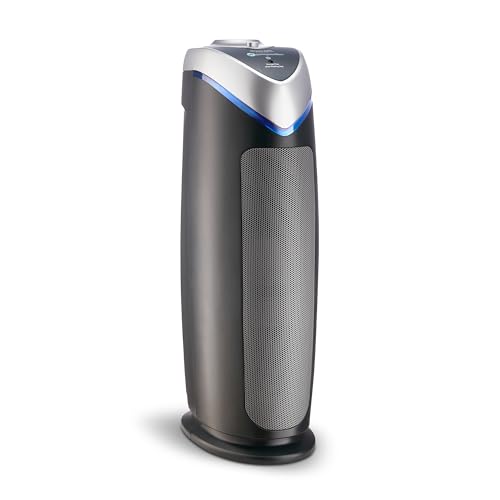
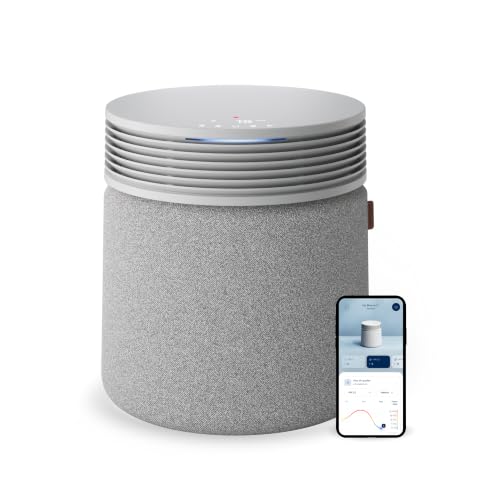
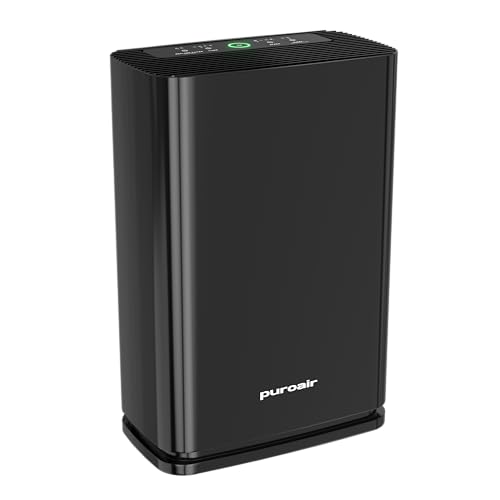
When you shop for best and safest air purifiers, safety deserves as much attention as cleaning power. That means proven filtration, trusted electrical certifications, and designs that avoid adding new pollutants to your air. Use the comparison table below as a starting point, then check each model against the sizing and safety points in this guide.




Best and Safest Air Purifiers 101: The Basics
An air purifier pulls room air through one or more filters and returns cleaner air to the room. A fan does the moving, so cleaning power depends on both the filter quality and how much air the unit can process each hour. Most home models rely on a prefilter for large dust, a True HEPA filter for fine particles such as pollen and smoke, and a carbon filter that helps reduce odors and some gases.
Two terms explain most listings. CADR, or clean air delivery rate, tells you how much filtered air the unit delivers for dust, pollen, and smoke. Room coverage in square feet tells you the largest space the maker suggests, though that figure assumes a certain number of air changes per hour. A purifier does not bring in fresh air or remove carbon dioxide, so normal ventilation still matters in a healthy home.
If you want a broader look at related categories before you decide, our guide to the best air cleaners and purifiers explains how the two labels overlap in home use.
Key Specs Explained in Plain English
Room Size and Coverage
Start with the size of the room where the purifier will run most of the time. For strong results, look for a unit whose CADR suits your square footage and gives about four to five air changes per hour, often written as ACH. A unit that is too small will run on high, sound louder, and still clean slowly. A slightly larger unit can run on a quieter speed and clean the same room well, which is why many buyers size up when the price gap is modest.
Installation and Placement
Most portable purifiers need no installation beyond removing filter packaging and plugging the unit in. Placement does affect results, so leave clear space around the air intake and outlet and avoid tucking the unit behind curtains or tight furniture. Keep it in the room where you spend the most time, often the bedroom, and run it with doors and windows closed for the best effect. Wall units and whole home systems are different categories with different costs and setup needs.
Safety Features
Safety starts with independent electrical certification, so look for a UL or ETL listing rather than vague claims on the box. Child locks, tip over shut off, and overheat protection add peace of mind in busy homes. Be cautious with features that produce ozone, since ozone can irritate lungs, and check that any model you consider meets strict ozone limits for home use. AHAM verification offers another useful check because it confirms CADR claims through a standard testing program.
Performance Ratings (CADR, BTU, Pints/Day, CFM)
CADR is the rating that matters most for a purifier, and higher numbers mean faster cleaning for larger spaces. CFM describes airflow volume and helps explain how quickly air moves through the unit. You may see BTU on air conditioners and pints per day on dehumidifiers, but those ratings do not describe purifier performance, so do not let them confuse your comparison. Focus on CADR for smoke, dust, and pollen, plus the stated room size at a useful air change rate.
Filter Type and Replacement Cost
A True HEPA filter captures very fine particles and is the core of most effective home purifiers. Activated carbon helps with cooking smells, pet odors, and smoke, though thick carbon filters work better and cost more to replace. Before you buy, price the replacement filters and note how often they need changing, because yearly filter cost can rival the purchase price of a budget unit. If filtration is your top priority, compare the options in our guide to the best air purifiers hepa models and filter types.
Energy Efficiency and Operating Cost
Most home purifiers use modest power, often similar to a small lamp, but running one all day still adds up over a year. ENERGY STAR certified models meet efficiency guidelines and can lower that running cost. Lower fan speeds use far less energy and make far less noise, which is another reason to choose a unit sized generously for your room. Add filter replacement cost to your energy estimate so you see the true yearly cost of ownership before you buy.
Rookie Mistakes to Avoid
- Buying by room size claims alone. A coverage figure based on one air change per hour cleans far more slowly than the same figure based on four or five changes.
- Ignoring replacement filter prices. A low purchase price can hide high yearly filter costs that make the unit expensive to own.
- Choosing ionizing features without checking ozone. Extra features are not always safer, and lung irritation is a real concern for sensitive people.
- Placing the unit in a corner and forgetting it. Blocked airflow reduces cleaning, and a full filter quietly lowers performance over time.
- Expecting a purifier to fix a source problem. Mold growth, heavy indoor smoke, or a gas leak needs direct action and professional help, not filtration alone.
Getting Started: Setup and First Use
Unbox the unit and remove every plastic wrap from the filters inside, because many new owners miss this step and then wonder why cleaning feels weak. Place the purifier where air can circulate freely, plug it into a wall outlet, and run it on a higher speed for the first hour to clear the room. After that, a steady medium or auto setting usually keeps air cleaner with less noise.
Replace or clean filters on the schedule the manual gives, and vacuum the prefilter if your model allows it, since a clogged prefilter strains the fan. Keep doors and windows closed while running the purifier when outdoor pollen or smoke is your main concern. If anyone in the home has asthma or serious allergies, treat the purifier as support rather than treatment. Seek medical care promptly for warning signs such as wheezing, chest tightness, trouble breathing, or symptoms that keep getting worse, and talk with a doctor about the role of air cleaning in your care plan.
For whole home thinking and larger spaces, our overview of the best home air purifiers covers placement across several rooms in more depth.
FAQs
Where is the best place to put an air purifier?
Put the air purifier in the room where you spend the most hours, which for many people is the bedroom. Keep it a short distance from walls and furniture so air can enter and leave freely, and place it near the main source of concern, such as a litter box area, without blocking the intake. Avoid damp corners where moisture can affect the filter and the electronics over time.
How often should I replace an air purifier filter?
Most HEPA and carbon filters need replacement about every six to twelve months, depending on use and air conditions. Homes with pets, smokers, or wildfire smoke seasons may need changes sooner. A washable prefilter can often be cleaned monthly. Watch for signs a filter is spent, such as reduced airflow, lingering odors, or a filter indicator that stays on after you reset it properly.
Is an air purifier expensive to run 24/7?
Running an air purifier all day is usually affordable because most models draw modest wattage, especially on lower speeds. Your cost depends on the wattage, your electricity rate, and the fan speed you use most. A larger unit on a quiet low setting can cost less to run than a small unit forced to run on high, and it will usually clean the air more effectively too.
Do the safest air purifiers really work?
Yes, a well sized purifier with a True HEPA filter measurably reduces airborne particles such as dust, pollen, and smoke in the room where it runs. It will not remove gases as effectively without substantial carbon filtration, and it cannot treat health conditions on its own. Think of it as one part of a cleaner home routine that also includes ventilation, regular cleaning, and medical care when you need it.
What size air purifier do I need for my room?
Measure your room in square feet, then choose a purifier whose CADR supports that space at about four to five air changes per hour. For a bedroom of about 150 to 250 square feet, a midsize unit usually covers the need with room to spare. When in doubt between two sizes, the larger one typically runs quieter and cleans faster, which most owners prefer for overnight use.
Readers comparing simpler filter units may also find our guide to the best air cleaners useful for understanding how basic models differ from full purifiers.
The Bottom Line
Put sizing, verified safety, and filter cost at the top of your list. A unit with the right CADR for your room, a True HEPA filter, and trusted electrical certification will serve you better than one packed with unproven extra features. Check the comparison table above again with your room measurements in hand, and shortlist only models whose yearly filter cost fits your budget.
Choosing the best and safest air purifiers for your home is ultimately about steady, proven cleaning you can run every day without worry. If breathing symptoms are part of your decision, talk with your clinician about your personal needs before you rely on any device.