
Best Antiviral Air Purifiers in 2026: Which Type Is Right for You?
Disclosure: We may earn a commission when you buy through links on this page, at no extra cost to you. As an Amazon Associate I earn from qualifying purchases. Learn more
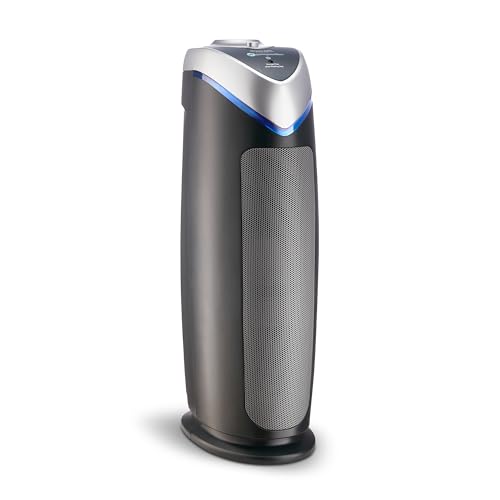
Best antiviral air purifiers compared by type, strengths, limits and price range, with sizing and True HEPA tips.
Air purifiers make big promises, and the word antiviral adds a fresh layer of confusion. Some units rely on a True HEPA filter, others add ultraviolet light or ionizers, and the claims on the box rarely explain what each method can and cannot do. This guide to the best antiviral air purifiers compares the main types honestly, so you can match a machine to your room and your concerns.
One honest note up front. A purifier can reduce airborne particles, including many virus sized particles that travel on droplets and dust, but no home unit makes a room sterile or replaces ventilation and common sense hygiene. Use the comparison table below to shortlist types, then read the trade offs before you spend.

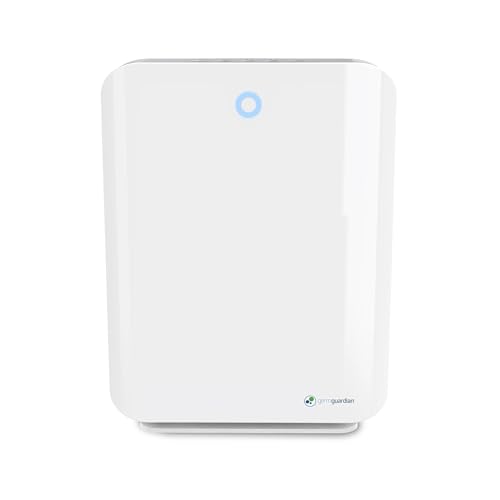


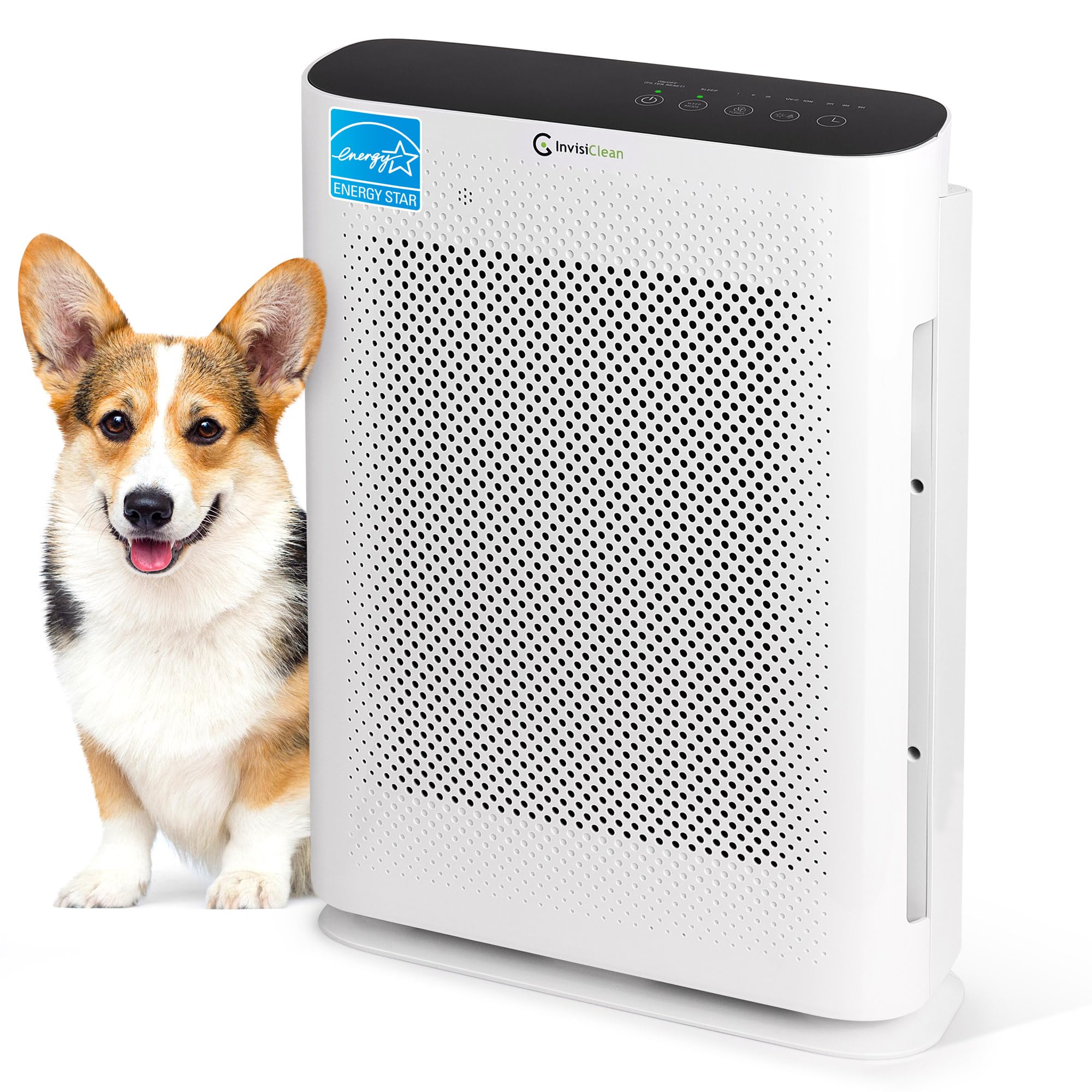


Types of Antiviral Air Purifiers Compared
Three broad types cover most of the market. Smart WiFi models add sensors and app control to strong filtration, small room units focus on quiet and compact filtration, and portable units trade power for the freedom to move room to room. Typical prices run from under $100 for small units to about $250 to $600 for large smart models.
Smart and WiFi Models
Smart models pair a True HEPA filter and activated carbon stage with particle sensors that adjust fan speed on their own. When cooking smoke or pollen spikes, the unit ramps up, then settles back to a quiet speed once the air clears. App control lets you run the machine before you get home and track filter life without guessing. The advantages are convenience and consistent performance with little attention from you. The drawbacks are price, dependence on an app account, and more electronics that can fail after the warranty ends. Choose this type for a main living space or an allergy prone household that wants set and forget cleaning.
Small Room Units
Small room units are compact purifiers rated for roughly 100 to 250 square feet, sized for bedrooms, nurseries, and home offices. Most use a simple HEPA type or True HEPA filter with a carbon layer for odors, and controls stay basic, often just a dial or two buttons. They cost less, sip power, and run quietly at low speed, which suits overnight use. The limits are real, though. They cannot keep up with a large open plan area, and their filters are small, so heavy use means more frequent replacement. Pick this type when one closed door room is the priority.
Portable Units
Portable units are light enough to carry between rooms, often under 10 lb, with a handle and a simple plug in setup. Renters, students, and anyone in a shared home like the freedom to clean the bedroom at night and the desk area by day. Some very small personal units use only ionizers or tiny fans, and those move too little air to matter much, so check the CADR rating rather than trusting the word portable. A portable with a genuine CADR near 100 or higher gives useful cleaning in a small space, while a gadget with no rating is mostly decoration.
Smart and WiFi Models vs Small Room Units: Which Should You Choose?
Compare them on five points. On coverage, smart models usually win, with CADR ratings that suit rooms of 300 square feet or more, while small units serve one bedroom well. On noise, a small unit at sleep speed is often quieter simply because its fan is smaller, though good smart models match it once the air is clean. On running cost, small units use less power and cheaper filters. On control, smart models adjust themselves, while small units need you to change speeds by hand. On price, expect about $60 to $150 for a small unit and about $250 to $600 for a smart one. Choose the smart model for a busy main room, and the small unit for a single bedroom on a budget.
How to Choose the Best Antiviral Air Purifiers
Installation and Placement
Placement decides how much of the rated performance you actually get. Put the unit where air can flow freely on all sides, with at least a foot of clearance from walls and furniture, and keep it in the room where you spend the most hours. Bedrooms benefit most for most people, since you breathe that air for a long, unbroken stretch each night. Avoid tucking a purifier behind a curtain or inside a cabinet, and keep it a few feet from your bed so the draft and fan sound do not disturb sleep. Our broader overview of the best home air purifiers covers whole home placement in more depth.
Room Size and Coverage
Match the machine to the room with the CADR rating, which measures how much filtered air the unit delivers. A common guide from AHAM is to choose a smoke CADR at least two thirds of the room area in square feet, so a 300 square foot room wants a CADR around 200 or higher. That pace gives roughly four to five air changes per hour, a sensible target when virus reduction is the goal. Oversizing slightly lets you run a bigger unit on a quieter lower speed, which most people prefer day to day.
Performance Ratings Explained
A few labels are worth learning. True HEPA means the filter captures 99.97 percent of particles at 0.3 microns, the size range that is hardest to trap, and virus particles usually travel attached to larger droplets and dust that HEPA handles well. HEPA type filters fall short of that standard by an amount that varies, so read the fine print. Ultraviolet C stages can inactivate some microbes inside the unit, but air passes quickly, so treat UV as a bonus on top of filtration, not a replacement. ENERGY STAR models use less power at a given CADR, which matters for a machine that runs all day. For a deeper filter focused comparison, see our guide to the best air purifiers hepa shoppers should know about.
Noise Level and Sleep Mode
Noise ratings in decibels decide whether a purifier stays on at night or gets switched off and forgotten. Around 25 to 35 dB on low is close to a whisper and suits light sleepers, while high speeds on many models reach 55 to 65 dB, similar to conversation. A sleep mode that dims display lights matters more than you would expect in a dark bedroom. Check the noise figure at the speed you will actually use, not just the lowest setting in the brochure, and favor a larger unit running slowly over a small unit straining at full speed.
Safety Features
Look for electrical certification from UL or ETL, a tip over shutoff on tall tower models, and a child lock if toddlers share the room. Be cautious with ionizers and ozone generating features. Ozone can irritate lungs, and health agencies advise keeping indoor ozone as low as possible, so choose a model that is certified to emit little or no ozone, or simply leave the ionizer off. If anyone in the home has asthma or another breathing condition, talk with their doctor about which filtration approach fits their care plan. Our comparison of the best air cleaners and purifiers explains the difference between the two product families.
Tips to Get the Most From Your Antiviral Air Purifier
- Replace or clean filters on the schedule the manual gives, because a clogged filter cuts airflow and lets the fan strain and grow louder.
- Run the unit continuously on a low or auto setting rather than in short bursts, since steady cleaning keeps particle levels low around the clock.
- Keep doors and windows closed while the purifier runs in a room, so it cleans the same air instead of fighting a constant stream of outdoor particles.
- Vacuum and dust the room weekly, because settled dust that never becomes airborne never reaches the filter, and clean floors lower the load on the machine.
- Leave clearance around the intake and outlet, and wipe the sensor lens on smart models now and then so readings stay honest.
If you are comparing general cleaners alongside antiviral models, our guide to the best air cleaners covers the wider category and its ratings.
Frequently Asked Questions
How often should I replace the filter in an antiviral air purifier?
Most HEPA filters last about 6 to 12 months of regular use, and carbon stages often need changing sooner, around every 3 to 6 months. Homes with pets, smokers, or nearby construction wear filters faster. Many units have an indicator light, but treat it as a timer rather than a true measure. If airflow feels weak or odors linger, check the filter even if the light has not changed yet.
What size antiviral air purifier do I need for my room?
Measure the room, then pick a CADR at least two thirds of that square footage for smoke, the strictest of the common ratings. A 150 square foot bedroom does well with a CADR around 100 to 150, while a 400 square foot living room needs a CADR near 270 or two smaller units at opposite ends. Ceiling height above the standard 8 feet calls for a step up in size.
Do antiviral air purifiers really work?
They work at a specific job: pulling particles out of indoor air, including the droplets and dust that carry virus particles. A True HEPA unit sized correctly for the room lowers the overall particle load, which is a sensible layer of protection. What they cannot do is protect you from close range exposure to a sick person or from touching contaminated surfaces, so keep ventilation, hand washing, and staying home when ill in the picture.
Where is the best place to put an antiviral air purifier?
Put it in the room you occupy longest, on the floor or a low stand, with clear space around the intake. In a bedroom, place it several feet from the bed, roughly between the door and the sleeping area, so cleaned air flows across the room. In a living room, a spot near the main seating works well. Avoid corners tight against two walls, which starve the intake and waste performance.
Is an antiviral air purifier expensive to run 24/7?
Running costs are usually modest. Most home units draw about 30 to 80 watts, similar to a bright light bulb, which often works out to roughly $5 to $15 per month of constant use depending on local power prices. Filter replacement is the bigger cost, commonly about $30 to $80 per year. ENERGY STAR models sit at the low end of both figures, so check that label if the machine will never switch off.
Our Verdict
Start with correct sizing, insist on True HEPA filtration, and keep ozone features off your list. Match the type to your life: smart for a busy main room, compact for a bedroom, portable for flexible use. Judged that way, the best antiviral air purifiers are simply well sized filters that run quietly enough to stay on. Compare the product table above, check the CADR against your room, and choose the unit you will happily leave running every day.


