Best Air Purifiers For Allergies And Asthma Buying Guide 2026
Disclosure: We may earn a commission when you buy through links on this page, at no extra cost to you. As an Amazon Associate I earn from qualifying purchases. Learn more

Compare air purifiers for allergies and asthma, covering HEPA filtration, room size, noise, and filter costs for cleaner indoor air and confident buying.
Choosing best air purifiers for allergies and asthma is about reducing airborne triggers in the rooms where you spend the most time. Pollen, dust mites, pet dander, and mould spores can all irritate sensitive airways, and a well matched purifier with true HEPA filtration can lower their concentration indoors. No purifier replaces medical care, but the right machine can make a home feel noticeably easier to breathe in.
The comparison table below lists the main options together, but room size, filter quality, and running costs decide real world benefit. The sections below explain how to match a purifier to your home, your symptoms, and your budget without overspending on features that add little.



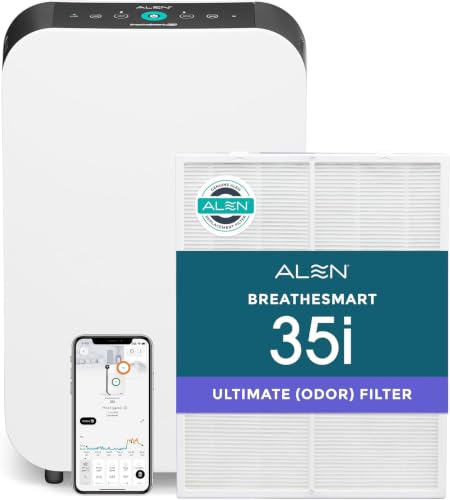

Who Should Buy This Type
This type suits households where pollen, dust, or pet allergens trigger sneezing, itchy eyes, or asthma symptoms, especially in bedrooms where people spend many hours. It also suits homes near busy roads or in high pollen seasons, where opening windows brings irritants indoors. Purifiers work best alongside cleaning, bedding care, and ventilation habits, not as a replacement for them.
People with asthma should treat a purifier as a supportive home measure and keep following their clinician advice and medication plan. If breathing becomes difficult, wheezing worsens, or symptoms change suddenly, seek medical advice promptly rather than relying on a machine. A purifier can help the environment, but it cannot treat an asthma attack.
Key Features to Compare
True HEPA filtration is the core feature, since it captures very small particles including pollen, dust mite waste, and pet dander. Check that the maker states HEPA grade clearly rather than using vague terms such as HEPA type, which may filter less effectively. A pre filter catches larger dust and hair and extends the main filter life.
Clean air delivery rate, often called CADR, shows how quickly the machine cleans a room, and it should match room size. Noise matters in bedrooms, so check quiet mode performance. Filter replacement cost and availability affect long term expense, and smart sensors help the machine respond to particle levels automatically. Ozone emitting features should be avoided for sensitive airways.
- True HEPA filtration grade
- Clean air delivery rate for room size
- Noise in quiet and sleep modes
- Filter cost and replacement interval
- Sensors and automatic modes
Types Compared
Room purifiers with HEPA and carbon filters suit bedrooms and living rooms, capturing particles and reducing odours. Larger whole home systems connect to heating and ventilation ductwork and clean air throughout a house, but they cost more and need professional installation. Portable models suit renters and single room use, with easy movement between rooms.
Activated carbon layers help with odours and some gases, but they do not replace particle filtration for allergens. Ultraviolet features add little for most allergy use and should not outweigh HEPA quality. Choose by room size and allergen type rather than by extra features that sound impressive but add little filtration benefit.
Budget and Long Term Value
Purchase price varies with room coverage, sensor quality, and build, but filter costs often decide long term value. Check replacement interval and price before buying, and confirm filters remain available for the model. A cheaper machine with expensive filters can cost more over two years than a pricier machine with affordable filters.
Energy use matters for machines that run all day, so check wattage at normal and quiet speeds. A machine that runs quietly and cheaply is more likely to stay on, which is essential for benefit. Check warranty and maker support, since a purifier that breaks during pollen season leaves a gap when it matters most.
Common Mistakes to Avoid
A common mistake is buying a purifier too small for the room, which leaves particle levels high despite running constantly. Match CADR to room size and leave doors closed for the room being cleaned when possible. Another mistake is running the machine only occasionally, since allergens build up again quickly once it stops.
A third mistake is neglecting filter changes, since a clogged filter reduces airflow and filtration. Set reminders for replacement and check pre filters regularly. Also avoid ozone generating features, which can irritate airways and worsen asthma symptoms rather than helping them.
Care and Everyday Use
Vacuum and dust regularly, wash bedding in hot water when possible, and keep humidity in a comfortable range to reduce dust mites and mould growth. Place the purifier where air flows freely, away from walls and curtains that block intake. Keep windows closed during high pollen periods when the purifier runs, and ventilate at lower pollen times when possible.
Clean pre filters as directed, replace HEPA filters on schedule, and wipe sensors gently so automatic modes work correctly. Note symptom patterns alongside filter changes, since that record helps you judge whether the purifier, cleaning routine, or season drives changes. Share any persistent or worsening symptoms with a clinician.
Related Guides Worth Reading Next
If you want to compare a neighboring option, read our guide to best air cleaners and purifiers, which covers the same kind of buying decision from a slightly different angle and can help you narrow the shortlist.
If you want to compare a neighboring option, read our guide to best home air purifiers, which covers the same kind of buying decision from a slightly different angle and can help you narrow the shortlist.
If you want to compare a neighboring option, read our guide to best air purifiers for pet allergies, which covers the same kind of buying decision from a slightly different angle and can help you narrow the shortlist.
If you want to compare a neighboring option, read our guide to best home air purifiers for allergies, which covers the same kind of buying decision from a slightly different angle and can help you narrow the shortlist.
If you want to compare a neighboring option, read our guide to best air purifiers for dust allergies, which covers the same kind of buying decision from a slightly different angle and can help you narrow the shortlist.
A Closer Look Before You Decide
Bedroom focus gives the best return for many allergy sufferers, because sleep occupies a third of life and bedroom air stays enclosed for hours. Run the purifier in the bedroom with the door closed for an hour before bed, keep bedding laundered, and consider allergen proof covers for pillows and mattress. That nightly routine often improves morning symptoms more than running a purifier briefly in a large living room.
Vacuuming technique matters as much as vacuuming frequency, since an unsealed vacuum can blow fine particles back into the air it just collected. A sealed system with a HEPA exhaust keeps captured allergens contained, and slow passes over carpets and upholstery lift more dust than rushed strokes. Vacuum the bedroom last in a cleaning session, then let the purifier run while dust settles, for the cleanest overnight air.
Frequently Asked Questions
Do air purifiers help with asthma?
Air purifiers can reduce airborne triggers such as pollen, dust, and pet dander, which may ease symptoms for some people with asthma. They do not treat asthma itself and cannot replace medication or medical advice. Benefit depends on room size, filter quality, and consistent use. If symptoms worsen or breathing becomes difficult, seek medical advice promptly.
What does true HEPA mean?
True HEPA describes a filter grade that captures a very high percentage of very small particles, including common allergens. Vague terms such as HEPA type or HEPA like may indicate lower performance. Check the maker specification for the grade and test standard, and favour machines that state filtration clearly rather than relying on marketing words alone.
What size purifier do I need?
Match the clean air delivery rate to your room size, using the maker room guidance as a starting point. A bedroom usually needs a smaller machine than an open plan living room. If the machine is too small, it will struggle to lower particle levels. Measure the room and choose a model rated for that size or slightly larger for better performance at quiet speeds.
How often should I replace filters?
Replacement interval varies by model, use, and air quality, but many HEPA filters last six to twelve months with regular pre filter cleaning. Check the maker guidance and any filter indicator, and replace sooner if airflow drops or odours persist. Keeping a note of the replacement date helps you stay on schedule and maintain filtration performance.
Should I run a purifier all day?
Running a purifier consistently in the main living and sleeping rooms usually gives the best allergen reduction, since particles settle and rebuild quickly when the machine stops. Use quiet or sleep modes overnight and automatic modes during the day to balance noise and energy. Continuous use also means filter costs and energy use should factor into your budget.
Final Thoughts
best air purifiers for allergies and asthma help most when filtration grade, room size, and consistent use align. Compare true HEPA quality, clean air delivery, noise, and filter costs before extra features. Combined with good cleaning habits and clinician guidance, the right purifier can make home air noticeably kinder.
The product table above brings the main options together, so use it beside the checklist in this guide when you compare size, features, and price before you order.