
Best Battery String Trimmer Guide for 2026: Types, Power and Buying Tips
Disclosure: We may earn a commission when you buy through links on this page, at no extra cost to you. As an Amazon Associate I earn from qualifying purchases. Learn more

Match cutting width, shaft style and battery capacity to your yard to choose the best battery string trimmer for edging and thicker growth.
Choosing the best battery string trimmer sounds simple until you compare voltage claims, shaft shapes, line feed systems and battery sizes that all promise an easy yard. The right choice depends less on a headline number and more on how much grass you cut, how thick that growth gets and how long you work in one session. This guide sorts those trade offs into clear buying profiles so you can match a tool to your property instead of guessing.
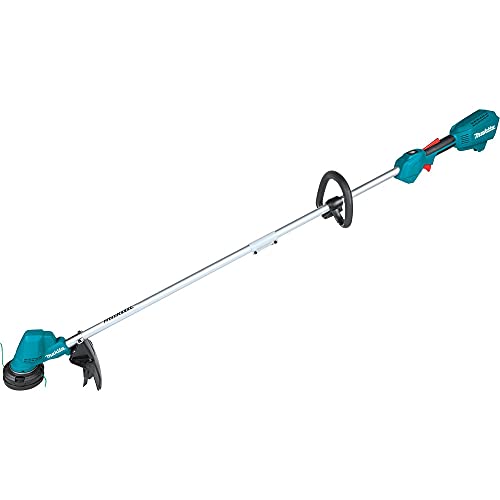
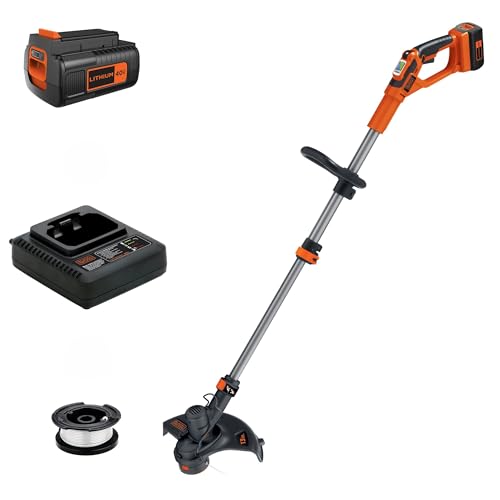
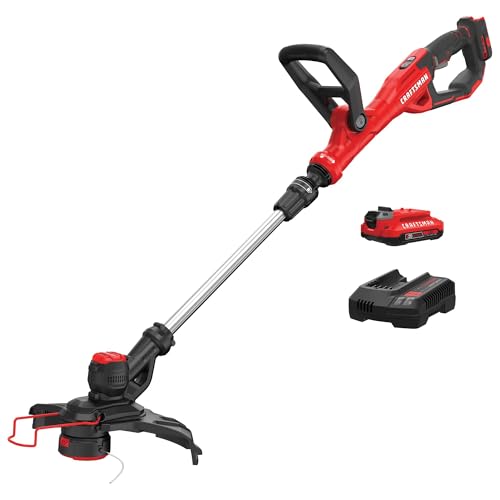
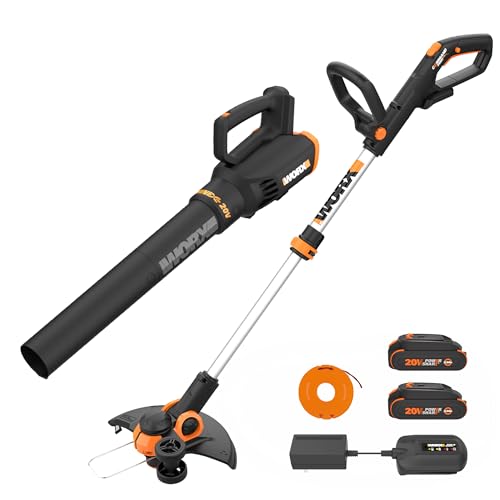
Battery models suit most homes because they start with a button, run quietly and need no fuel mixing or cord handling. The product table gathers the key specs side by side, and the sections that follow explain what each spec means in daily use. Readers who want a wider view across power sources can also start with our guide to the best string trimmer category and then narrow back to battery models.





Three Buying Profiles and What to Prioritize
Most buyers fall into one of three groups, and each group should rank the specs in a different order. Start with the profile that sounds like your yard, then use the feature sections later to confirm the details before you order.
Small and Medium Lawns With Light Edging
If your work is mostly trimming along a fence, a walkway and a few flower beds, prioritize light weight, easy balance and a cutting width of about 11 to 13 inches. A lower voltage system with a compact battery will usually finish this work on one charge and will feel far less tiring on your arms and shoulders. Look for a head that pivots or a shaft that converts for edging, since neat edges are likely your main goal.
Larger Yards and Thicker Growth
If you clear ditch lines, tall weeds or grass that grows fast after rain, prioritize motor power, a wider path of about 14 to 16 inches and the largest battery capacity your budget allows. A straight shaft reaches under shrubs and fences more easily and tends to handle thicker stems better than a curved design. Plan on a second battery if a single session regularly runs past about 40 minutes of active cutting.
Buyers Who Want One Battery Platform for Many Tools
If you already own a leaf blower, a hedge trimmer or a mower that shares a battery family, staying on that platform often saves the most money over time. You can buy the trimmer as a bare tool for less, then rotate the batteries you already own through every job in the yard. Check that your existing packs fit the trimmer and that their capacity is enough for trimming, since a small pack built for a blower may run short on a large lawn.
What Matters When You Compare Trimmers
The criteria here come from maker specifications, owner feedback patterns and the practical demands of weekly yard care. Build materials and weather resistance matter because trimmers live in garages, get splashed and kick up grit at the head. Size and capacity matter because cutting width and battery size decide how many passes and how many minutes you get. Assembly, durability and warranty terms round out the picture, since a trimmer that is awkward to build or hard to service will frustrate you long before the motor wears out.
How to Choose the Right String Trimmer
Shaft and Tool Types
A straight shaft trimmer carries the motor power down a straight tube to the head, which gives you better reach under low branches and a clearer line of sight along fences. A curved shaft model is usually shorter and lighter, and many owners find it more comfortable for quick edging on a small lot. Some models accept attachments such as an edger, a brush cutter blade or a pole saw, which adds value if you want one motor head for several seasonal jobs. Shoppers often use battery and cordless as the same term, and our guide to the best cordless string trimmer covers that shared ground in more detail.
Power, Voltage and Battery Capacity
Voltage tells you the size class of the system, while amp hours tell you how much energy a battery pack stores, and runtime depends on both plus how hard the motor works. A modest system handles maintained lawn grass well, but thick weeds pull far more power and drain a pack much faster than light edging does. Treat maker runtime claims as best case figures from light grass, and expect notably less time in heavy growth. If your yard is large, a higher capacity pack or a fast charger matters more than a small jump in voltage.
Features Worth Paying For
An auto feed head advances line as you work, which saves the stops that a bump feed head needs, though auto feed can use line faster if you trim near pavement often. A variable speed trigger and a low and high speed switch help you save battery on light work and add power only when stems get thick. An included battery and charger add real value for first time buyers, while owners on a platform may pay less for a bare tool. A dedicated edger wheel or a guide helps you cut a clean vertical edge without wobbling.
Weather Resistant Materials and Build Quality
Look for a housing that shrugs off splashes and dust, sealed switches and a motor area that does not trap wet clippings against vents. Metal parts at the head and a sturdy guard tend to outlast thin plastic in the zone where stones and grit strike most often. Weather resistance does not mean you should store the tool outdoors or use it in heavy rain, since water and electricity and spinning line are a poor mix. A tool that wipes clean easily and keeps line debris out of the motor housing will usually serve longer with less fuss.
Size and Cutting Width for Your Space
Cutting width decides how much grass each pass clears, and wider is not always better for a small yard with tight corners and narrow gates. A path of about 11 to 13 inches suits beds, tree rings and fenced corners where control matters more than speed. A path of about 14 to 16 inches suits open edges and long fence lines where extra width cuts your walking time. Match shaft length and handle position to your height as well, because a tool you must stoop to use will wear out your back before it wears out its battery.
Assembly and Setup
Most battery trimmers arrive partly built, and setup usually means fitting the guard, the front handle and the spool, then charging the first battery in full. Read the spool winding direction before you load line, since winding against the arrows on the spool causes tangles and poor feeding on the first use. Set the front handle so your arms stay slightly bent and the head sits level with the ground when you stand upright. Charge new packs fully before the first session, and keep the charger indoors on a dry surface away from direct heat.
How Much Should You Spend?
Expect entry level kits at about $80 to $150 to cover light trimming on small lots, usually with one modest battery in the box. The middle range at about $150 to $250 brings stronger motors, wider cutting paths and larger packs that suit most suburban yards. Spending about $250 to $350 makes sense mainly for large properties, attachment systems or buyers adding a second high capacity battery. Money spent on an extra battery often improves your day more than money spent on a small power gain you may never notice.
Battery Models Compared With Other Power Sources
Battery trimmers start instantly, run with far less noise than gas and need no fuel, oil or pull cords, which is why so many owners switch for weekly upkeep. Gas still holds an edge for very long sessions on rough land, since refueling takes seconds and power stays constant all day, and our guide to the best gas string trimmer explains where that format still wins. Corded electric models never run out of charge but tie you to an outlet and a cord path around trees and furniture. For a side by side look at running costs and upkeep, see our gas vs battery trimmer comparison before you commit to a platform.
The honest trade off with battery power is runtime planning, because a drained pack ends the job until it recharges. Weight is the other factor, since a large pack that adds runtime also adds load at the back of the tool and changes its balance. For most maintained lawns those limits are easy to manage, and the quiet start and low upkeep win out. For acreage with heavy brush, plan your battery count with the same care you would give fuel for a gas tool.
Care and Off Season Storage
After each session, remove the battery, then brush grass and dirt from the guard, the head and the motor vents before the debris dries in place. Check the spool and replace line that looks frayed or welded together, since damaged line feeds poorly and leaves ragged grass tips. For a full routine, follow our step by step guide on how to clean a string trimmer once a month during the cutting season. Store the tool and its batteries indoors in a dry spot, keep packs partly charged rather than fully drained over winter, and hang or stand the trimmer so the shaft stays straight and the head bears no weight.
FAQ
What is the best battery string trimmer?
The best choice is the model whose power, cutting width and battery size match your yard, not the one with the largest numbers on the box. Small lawns do well with a light kit and a path of about 11 to 13 inches, while large or weedy properties need a wider path and a larger pack. One extra check helps: hold your likely grip points in mind and favor balance you can control for a full session.
Are battery string trimmers worth it?
Yes, battery trimmers are worth it for most homes because they remove fuel mixing, pull starts and most routine engine upkeep. You trade that ease for charge planning, so the value depends on owning enough battery capacity for your longest normal session. They also tend to be quiet enough for early weekend work in close neighborhoods. If your land is large and rough, weigh that convenience against the cost of spare packs before deciding.
How long does a string trimmer last?
A well kept battery trimmer often serves for many seasons, with the battery pack usually ageing faster than the tool itself. Packs lose capacity gradually, so a trimmer that once finished your yard may later need a mid job swap even though the motor still runs well. Storing packs indoors, away from heat and deep discharge, slows that decline more than any other habit. Line, guards and spools are wear parts and should be replaced as they crack or thin.
Is a string trimmer worth it if you already own a mower?
Yes, a string trimmer is worth it alongside a mower because a mower deck cannot cut tight against fences, posts, tree trunks and bed edges. The trimmer finishes those strips and keeps grass from creeping into beds and cracks in paving. Without one, those edges grow shaggy within days of mowing and make the whole yard look unfinished. A trimmer also reaches slopes and corners where pushing a mower is awkward or unsafe.
How do you clean a string trimmer?
Start by removing the battery, then wipe the shaft and housing and clear packed grass from under the guard and around the head. A stiff brush and a damp cloth handle most buildup, and you should keep water away from the motor vents and battery contacts. Cleaning right after a session matters because dried clippings harden and trap moisture against parts. Finish by checking the spool area for line fragments that can jam the feed on your next outing.
What is the most reliable string trimmer brand?
No single brand is the most reliable for every buyer, because reliability depends more on the model class, the battery platform and how the tool is stored and maintained. A better test is warranty length, local access to spare spools and parts, and whether the maker supports its battery platform across many tools. Owners also report fewer problems when a trimmer is matched to its workload rather than pushed into heavy brush weekly. Choose the platform you can service easily near home.
Final Thoughts
The best battery string trimmer is the one that fits your yard size, your growth type and the battery platform you can live with for years. Use the product table to compare cutting width, voltage class and battery capacity against the buying profiles in this guide, and favor balance and runtime over headline power alone. Buy enough battery for your longest normal session, keep the head clean and store packs with care. Chosen that way, a battery trimmer quietly handles your edges week after week with almost no upkeep.


