Best Boots for Shoveling Dirt: A First Time Buyer's Guide for 2026
Disclosure: We may earn a commission when you buy through links on this page, at no extra cost to you. As an Amazon Associate I earn from qualifying purchases. Learn more

Shopping for the best boots for shoveling dirt for the first time? Learn the terms, compare options, and avoid rookie mistakes with this easy guide.
Shoveling dirt looks simple until your foot slips off the spade, soil pours over your cuff, and wet ground pulls at your heel. The best boots for shoveling dirt solve those three problems at once, because digging asks far more of footwear than a walk across the yard does. This guide starts with the basic terms, then explains the features that matter.
By the end, you will know what a shank does, why a defined heel helps you drive a blade into the ground, and how tall a shaft you need. Use the comparison table below to see how the main styles line up.


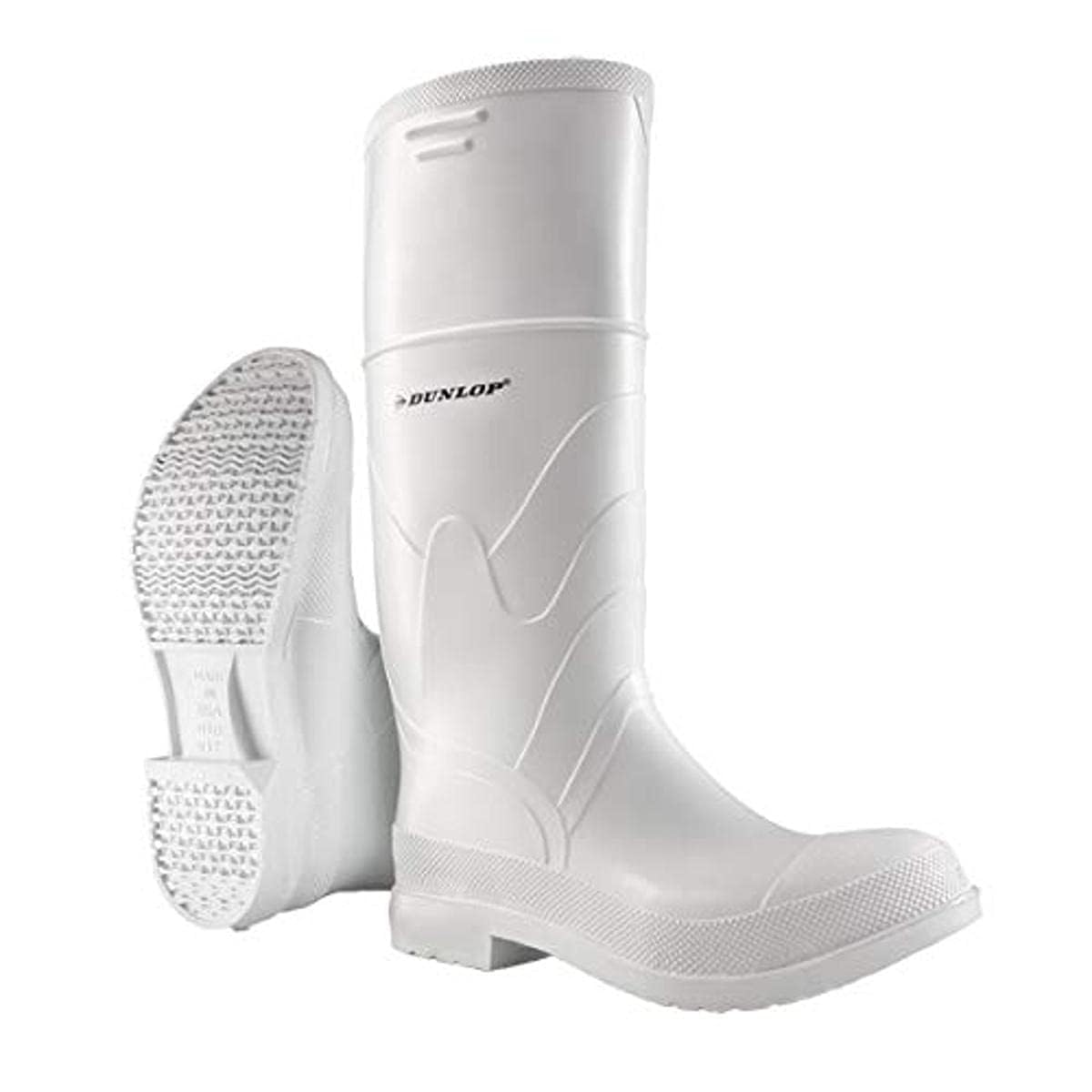
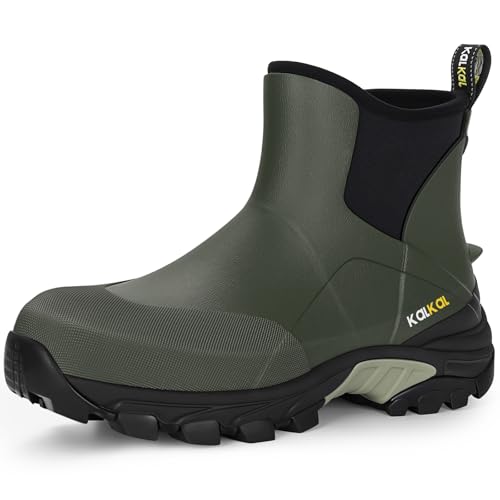
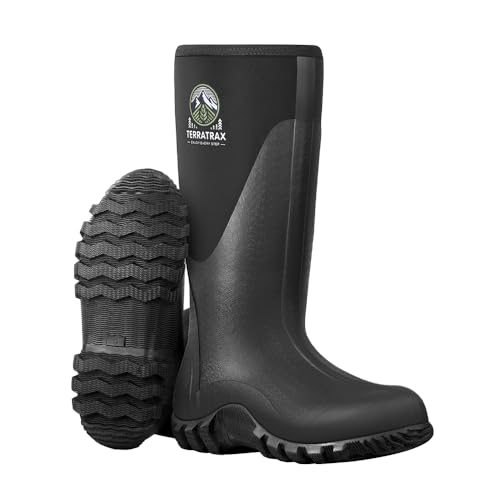


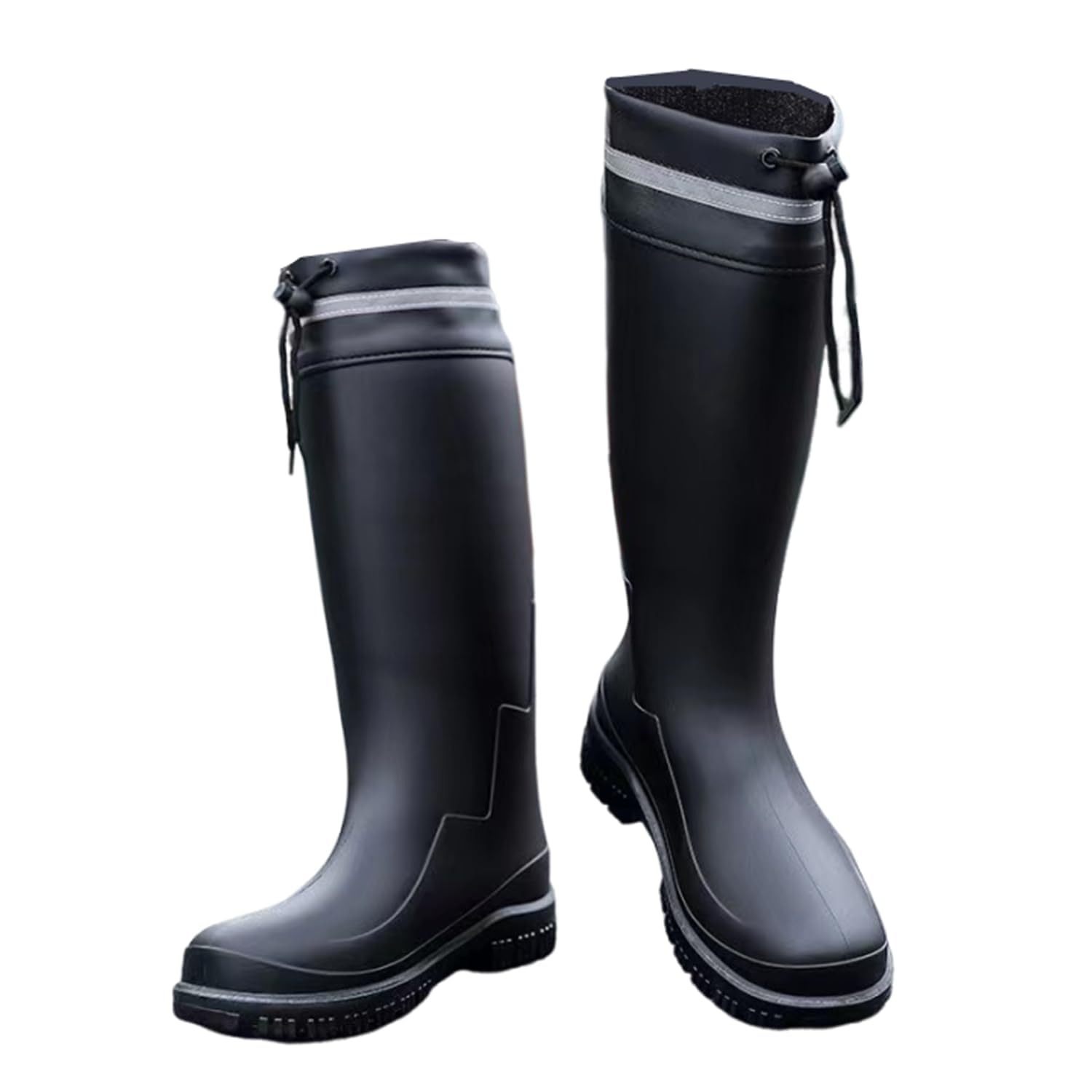
Boots 101: The Basics for Digging Work
Digging is a repeating cycle. You set the spade edge on the soil, push it in with the ball of one foot, lever the handle back, then lift and turn to dump the load. Your boot is part of that tool system, since the sole takes the pressure of the blade and the upper keeps loose soil out.
A few terms cover most listings. The shank is a stiff plate inside the midsole. The shaft rises above your ankle, and a gusseted tongue is joined to the upper at the sides so dirt cannot slip in through the lace area. That is why the best boots for shoveling dirt feel firmer than ordinary yard shoes.
Who Should Buy Boots Made for Shoveling Dirt?
Gardeners Opening New Beds and Moving Soil
If you dig planting holes, edge beds, or move soil to a raised frame, you need steady spade pressure more than speed. Look for a firm shank, a shaft around 8 to 10 inches tall, and an upper that brushes clean. A lighter boot suits this work, since you will kneel and change direction often.
Landscapers and Crew Members Digging for Hours
Paid digging adds volume and repetition, so support and durability top your list. Choose a taller shaft, deeper lugs, and a protective toe if you work around dropped tools or loaded wheelbarrows. Extra weight is easier to accept here, because a sturdier boot protects your arch through hundreds of spade pushes in a shift.
Homeowners Facing One Big Digging Project
A drainage trench, a fence line, or a patio base can mean one long weekend of digging rather than a season of it. A simple pull on rubber boot or a basic leather work boot often covers that job, at around $60 to $120 for most entry options. Pick the pair you can also use for wet yard work later.
The Specs That Matter When You Dig
A Stiff Shank That Helps You Drive the Spade
The shank is the most important spec for digging, and the one first time buyers most often overlook. When you push a spade into packed soil, your weight lands on a narrow strip of sole, and a soft sole lets that edge press painfully into your arch. A steel, nylon, or fiberglass shank spreads the load, so you can push harder with less soreness. If a sole folds easily across the middle in your hands, it will feel weak on a spade.
A Defined Heel and Lugs That Grip Loose Soil
A defined heel is a raised, squared heel block rather than a flat wedge, and it gives you a ledge to brace against the spade and a brake on slopes of loose soil. Lugs are the raised blocks on the outsole, and lugs around 4 to 6 mm deep bite into tilled earth and mud far better than shallow tread. Wide spacing matters too, because packed clay clears out as you walk instead of turning the sole into a smooth slab.
Shaft Height and Sealed Openings That Keep Dirt Out
Loose soil flows like water, and every step into a fresh hole can pour grit over a low cuff. A shaft of about 8 to 12 inches keeps most of that out, and shafts around 14 to 16 inches suit deep trenches or loose fill. Check the tongue as well: a gusseted tongue blocks the main entry path along the laces. Wearing work pants over the shaft also helps, since the fabric covers the opening.
Upper Materials That Shed Mud and Rinse Clean
Rubber and leather are the two main choices. A molded rubber boot has no seams for grit to grind into, and you can hose it off in seconds, which makes it the easy pick for wet clay. Full grain leather needs more care, but it supports the ankle better and usually lasts longer under dry, abrasive soil. Synthetic panels dry fast and weigh less, though grit trapped in mesh can be hard to shake out.
Fit and Heel Hold When Mud Tries to Pull the Boot Off
Wet ground creates suction, and a loose boot will slide at the heel or come half off when you pull your foot free. Your heel should stay seated when you push on a spade and climb out of a hole, while your toes keep a small gap from the front. Try boots late in the day with work socks on, because feet swell with effort. Readers comparing cold weather gear often also see our guide to the best winter boots for shoveling, where insulation changes the fit again.
Matching Your Boots to Your Soil and Workload
Soil type changes which features deserve your money. In sandy or freshly tilled ground, dirt exclusion matters most, so favor shaft height and a sealed tongue. In hard clay or rocky soil, spade pressure dominates, so favor the stiffest shank and a strong defined heel, a point that also runs through our guide to the best boots for dirt work.
Workload matters too. For an hour of planting, almost any sturdy boot with a firm sole will do. For trench work or a full day of moving fill, that same soft boot becomes the weak point in your setup.
Common Mistakes to Avoid When Buying Digging Boots
- Buying soft soled garden shoes for spade work, so the blade edge bruises your arch within the first hour.
- Choosing a low shaft for loose soil, so grit pours in at the cuff and grinds against your ankle all day.
- Sizing up to fit thick socks without checking heel hold, so mud suction pulls the loose boot half off your foot.
- Picking smooth fashion tread for tilled ground, so each step on a loose slope slides instead of planting firmly.
- Wearing mesh running shoes to dig, so soil and small stones enter through the fabric and stay trapped against your skin.
Getting Started: First Wear and First Dig
Wear new boots on short yard tasks before a big digging day, since stiff shanks and leather shafts need a few outings to settle around your foot. Lace from the bottom up with even tension. On your first dig, set the ball of your foot, not your arch, on the spade shoulder and let your weight do the pushing.
Check your feet at the first break. Hot spots tell you the lacing or socks need adjusting before blisters form. Readers who split their year between soil and snow often compare these steps with our guide to the best boots for shoveling snow, where the same heel hold test applies.
Care and Maintenance for Boots Used in Dirt
Knock dried soil off the soles and uppers after each use, before it hardens into the tread. Rinse rubber boots with plain water and dry them upright in shade, since direct heat can crack rubber and warp leather. Brush mud off leather once it dries, then add a light conditioner when the surface looks pale, because wet and dry cycles draw oils out of the hide.
Store boots with the shafts open so air reaches the inside, and pull the insoles out after a wet session. Check the lugs and heel edges every few weeks. A heel worn round braces poorly against a spade, which signals that the outsole is nearing the end of its life.
Frequently Asked Questions
Should boots for shoveling dirt have a steel toe or a plain toe?
A plain toe is fine for most garden digging, and it keeps the boot lighter for stepping and kneeling. Choose a steel or composite toe when your work involves dropped stones, heavy tools, or shifting loads near your feet. One point buyers miss is toe box height: a tall cap gives toes room when the boot flexes under spade pressure, while a low cap can press on toenails.
Are tall rubber boots better than leather boots for digging in wet soil?
Tall rubber boots are better when the soil is saturated, because they keep water and liquid mud out completely and rinse clean in seconds. Leather boots pull ahead once the ground is merely damp, since they support the ankle and breathe better over a long day. Dig after rain in clay and rubber wins; dig dry trenches in summer and leather usually leaves feet less tired.
Can you shovel dirt in regular hiking boots?
You can for light planting work, and many people do for a few holes. The limits show up quickly, though, because most hiking soles flex too much under a spade edge and the lower cuff lets soil in at the ankle. Hiking boots also hold grit in their padded collars, which is slow to clean out.
When should you replace boots used for shoveling dirt?
Replace digging boots when the heel edge rounds over, the shank starts to flex under spade pressure, or cracks open along the bend point above the toes. A separate cue is liner wear: once the inside stays damp between uses and the heel lining is torn, fit declines fast. Replacing then protects your arch, because a failed shank shifts spade pressure onto the soft middle of your foot.
Wrapping Up
Start with the shank, the heel, and the shaft, and most other choices fall into place. Match the upper to your soil, rubber for wet clay and leather for dry abrasive ground, then confirm the heel stays seated in your work socks. If the best boots for shoveling dirt for your yard are still unclear, narrow your shortlist by soil type first, then look back at the product table above to compare styles.