
Best Cordless String Trimmer: A Complete Buying Guide
Disclosure: We may earn a commission when you buy through links on this page, at no extra cost to you. As an Amazon Associate I earn from qualifying purchases. Learn more

Your gas trimmer starts on the third pull if you're lucky, needs fresh mixed fuel every season, and leaves your hands buzzing after twenty minutes of edging. That's usually the moment people start shopping for a cordless string trimmer instead. Battery trimmers have closed most of the power gap with gas models in recent years, and for the average yard they now cut just as cleanly without the fumes, the pull cord, or the trip to the gas station. Picking the right one still means sorting through confusing voltage numbers, battery platforms, and shaft styles that all claim to be the best fit for your yard. This guide breaks down what actually matters, how to size a trimmer to your property, and when a gas model is still worth keeping around.




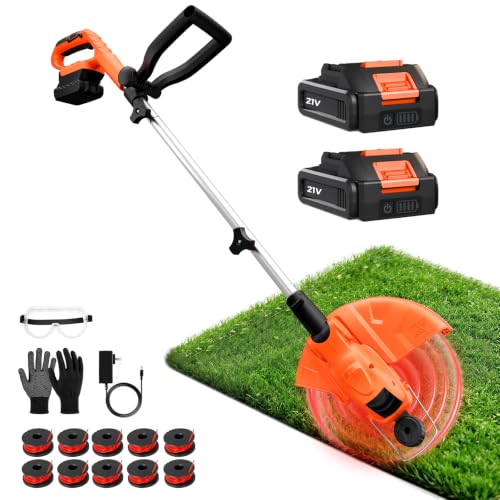
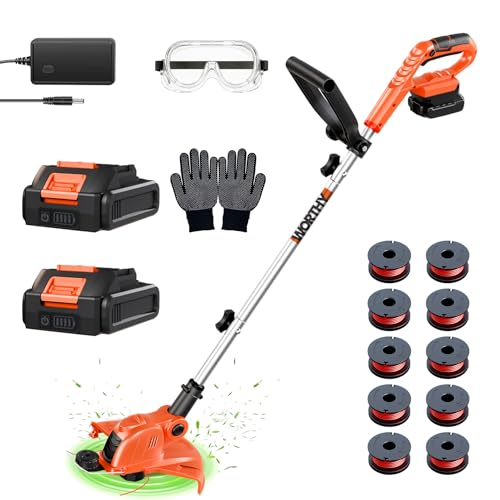

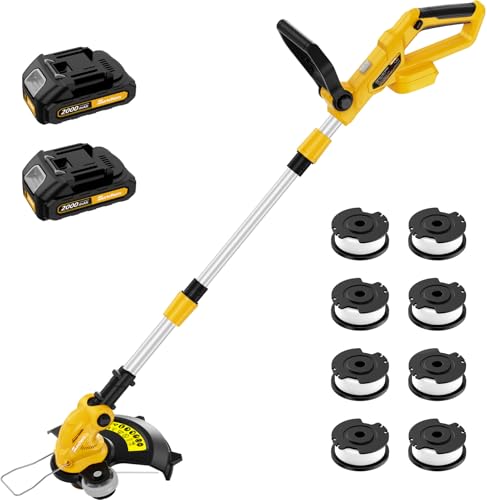
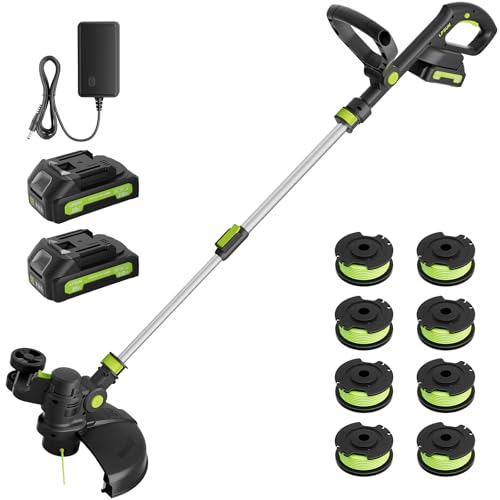
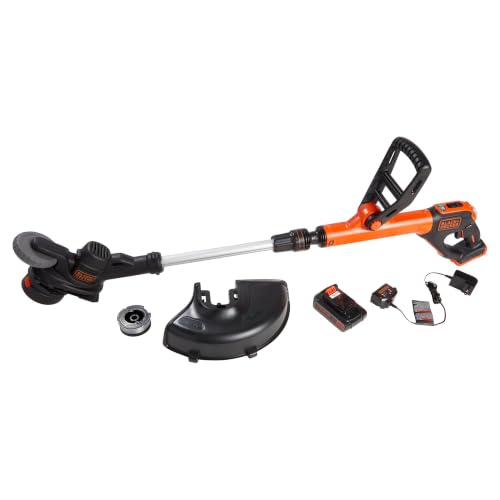
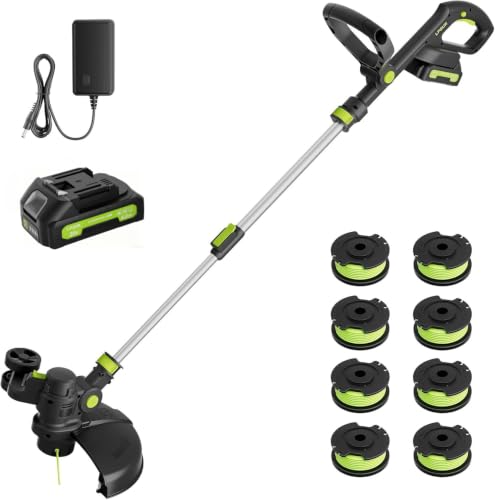
Battery Voltage, Runtime, and Ecosystem Compatibility
When you start comparing a cordless string trimmer to another, voltage is the first spec everyone sees, and it's also the most misunderstood. It doesn't measure quality, it measures how much torque the motor can put out before it bogs down in thick growth.
How Voltage Translates to Cutting Power
Entry-level 20-volt trimmers handle light grass and touch-up edging fine, but they slow down fast in anything overgrown. Stepping up to 40 volts gives most homeowners enough torque for regular weekly maintenance, while 60 and 80-volt platforms are built for thicker weeds, tall grass, and properties that only get trimmed every couple of weeks. Higher voltage also usually means a slightly heavier tool, so more power isn't free.
Runtime and Charge Time Expectations
Most cordless trimmers run somewhere between 30 and 90 minutes on a full charge, depending on battery capacity and how hard the motor is working. Thick, wet grass drains a battery much faster than dry lawn edges. Charge times vary widely too, some batteries top up in under an hour with a rapid charger, others take three or four hours, so check that spec separately from runtime if you'll need a quick turnaround between uses.
Sharing Batteries Across a Tool Platform
Batteries only work within their own voltage platform, but within that platform, many brands let one battery power a trimmer, a leaf blower, and a lawn mower interchangeably. If you're already invested in a cordless leaf blower or considering a cordless electric lawn mower, buying a trimmer on the same platform can save a meaningful amount of money over time since you're not paying for a separate battery and charger with every tool.
Matching Trimmer Power to Your Yard's Size and Terrain
Voltage matters less in isolation than it does relative to what you're actually working with. A cordless string trimmer sized for a small courtyard will struggle on a half-acre lot with dense weed patches.
Small and Medium Yards
For yards under roughly a quarter acre with mostly maintained grass, a lighter 20 to 40-volt trimmer is usually plenty. These smaller setups are easier to maneuver around flower beds, fences, and mailbox posts, and the lighter weight matters if you're doing the trimming yourself every week.
Larger or Overgrown Properties
Once you're past half an acre, dealing with sloped terrain, or regularly cutting back overgrown patches, a 60 or 80-volt trimmer with a larger battery pays off. Some higher-power models also accept a second battery for extended runtime, which matters more on bigger properties where stopping to recharge mid-job gets old fast.
When a Cordless Trimmer Makes More Sense Than Gas
Gas trimmers still have a place, but for most residential use, the case for a cordless string trimmer keeps getting stronger.
Where Cordless Wins
Instant push-button starts, no mixed fuel to store or measure, less vibration, and noticeably quieter operation make cordless trimmers a better fit for anyone doing routine yard work around neighbors or early in the morning. Maintenance is also simpler since there's no carburetor to clean or spark plug to replace. The same tradeoff shows up in other outdoor power equipment too, cordless options have started outperforming their gas counterparts in categories like battery-powered snow blowers for anyone dealing with moderate seasonal conditions.
Where Gas Still Has an Edge
If you're maintaining a large property daily, working commercially, or need to run a trimmer continuously for hours without stopping, gas still offers unlimited runtime that no battery can match. Heavy, dense brush clearing also tends to favor the raw torque of a gas engine over even the strongest battery platforms.
Shaft Design, Line Feed, and Everyday Handling
Two cordless string trimmers with identical voltage and runtime can feel completely different in your hands, and that comes down to shaft design and how the line feed system works.
Straight vs Curved Shafts
Straight shafts give you more reach under bushes, along fence lines, and around raised beds, which makes them the more versatile choice for varied yards. Curved shafts sit closer to your body and feel lighter to swing, which some people find more comfortable for shorter trimming sessions or lower-power models.
Line Feed Systems Worth Paying Attention To
Bump-feed heads, where you tap the head on the ground to release more line, are simple and reliable but require you to stop and tap fairly often. Automatic feed systems release line as needed without stopping, which is more convenient but adds a bit of complexity and cost. Fixed-line or pre-cut head systems avoid feed jams entirely but mean reloading takes a little longer.
Weight and Balance During Long Sessions
Where the battery sits matters as much as total weight. Trimmers with the battery mounted near the handle tend to feel more balanced during extended edging than ones with the weight pushed out toward the head. If you'll be trimming for more than fifteen or twenty minutes at a stretch, pick up the tool in person if you can before deciding.
Frequently Asked Questions
How long does a cordless string trimmer battery actually last per charge?
Most models run 30 to 90 minutes depending on battery size and how thick the grass is. Larger yards or dense weeds will drain a battery faster than routine edging on a well-kept lawn.
Is a cordless trimmer powerful enough for thick weeds or overgrown areas?
Higher voltage models, generally 60 volts and up, can handle moderately overgrown areas without much trouble. For consistently heavy brush clearing, though, a gas trimmer or brush cutter is still the more reliable tool.
What voltage should I get for an average suburban yard?
A 40-volt cordless string trimmer is a solid middle ground for most quarter to half-acre yards with regular maintenance. Go lower if your yard is small and tidy, or higher if you're dealing with thicker growth or a larger property.
Can I use trimmer line from any brand?
In most cases yes, as long as the line diameter matches what your trimmer head is rated for. Always check your owner's manual, since some proprietary head designs are picky about line thickness or shape.
How long does it take to fully charge the battery?
This varies a lot by brand and battery size, ranging from under an hour with a fast charger to three or four hours with a standard one. If you'll need back-to-back use, look specifically at charge time rather than assuming it matches runtime.
Do cordless trimmers work well for edging along walkways?
Yes, most models have an edging mode or a head that pivots for vertical use along sidewalks and driveways. A straight shaft generally gives you a cleaner edging angle than a curved one.
Making Your Decision
For most homeowners, a mid-voltage cordless string trimmer on the same battery platform as their other yard tools ends up being the most practical choice. Save the higher-voltage, gas-rivaling models for larger or more overgrown properties, and don't discount gas entirely if you're maintaining land all day long. Match the runtime and shaft style to how you actually use the yard, and the rest of the spec sheet matters a lot less than it looks like it does.