Best Boots for Chicken Coop in 2026: Types Compared and How to Choose
Disclosure: We may earn a commission when you buy through links on this page, at no extra cost to you. As an Amazon Associate I earn from qualifying purchases. Learn more

Compare coop boot types by shaft height, tread, fit and cleaning, and learn how to keep manure and mud out while you collect eggs and do daily chores.
Coop work soaks ordinary shoes fast. You step through wet grass, muddy runs, spilled water and droppings, often before the ground has dried. The best boots for chicken coop work keep your feet dry, rinse clean in seconds and grip ground that stays slick for hours. Use the comparison table below to match boot types to your flock and yard.
Start with your daily routine rather than price. A quick egg check on dry ground asks far less than hauling feed across a muddy run in winter. The sections below sort buyers by chore type, then compare the features that decide comfort, grip and cleaning.

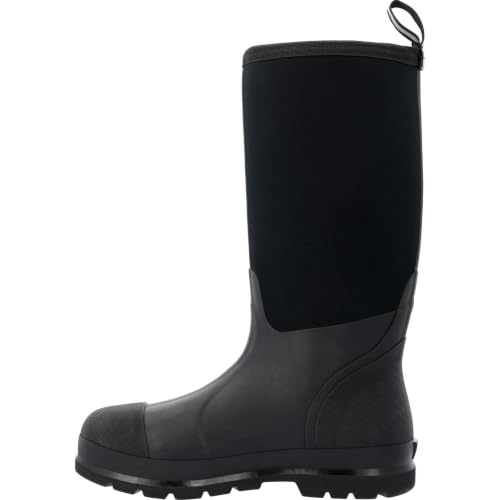


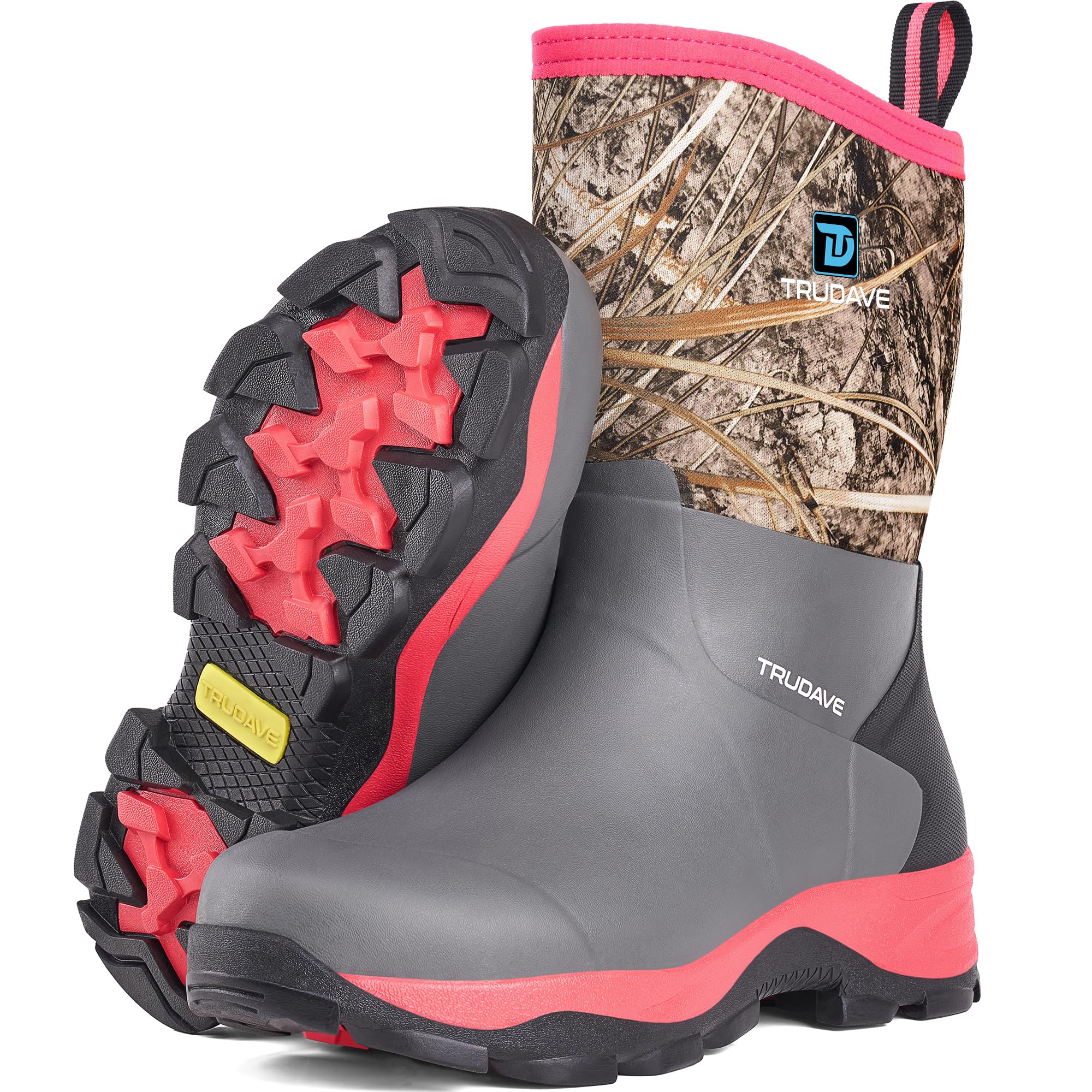
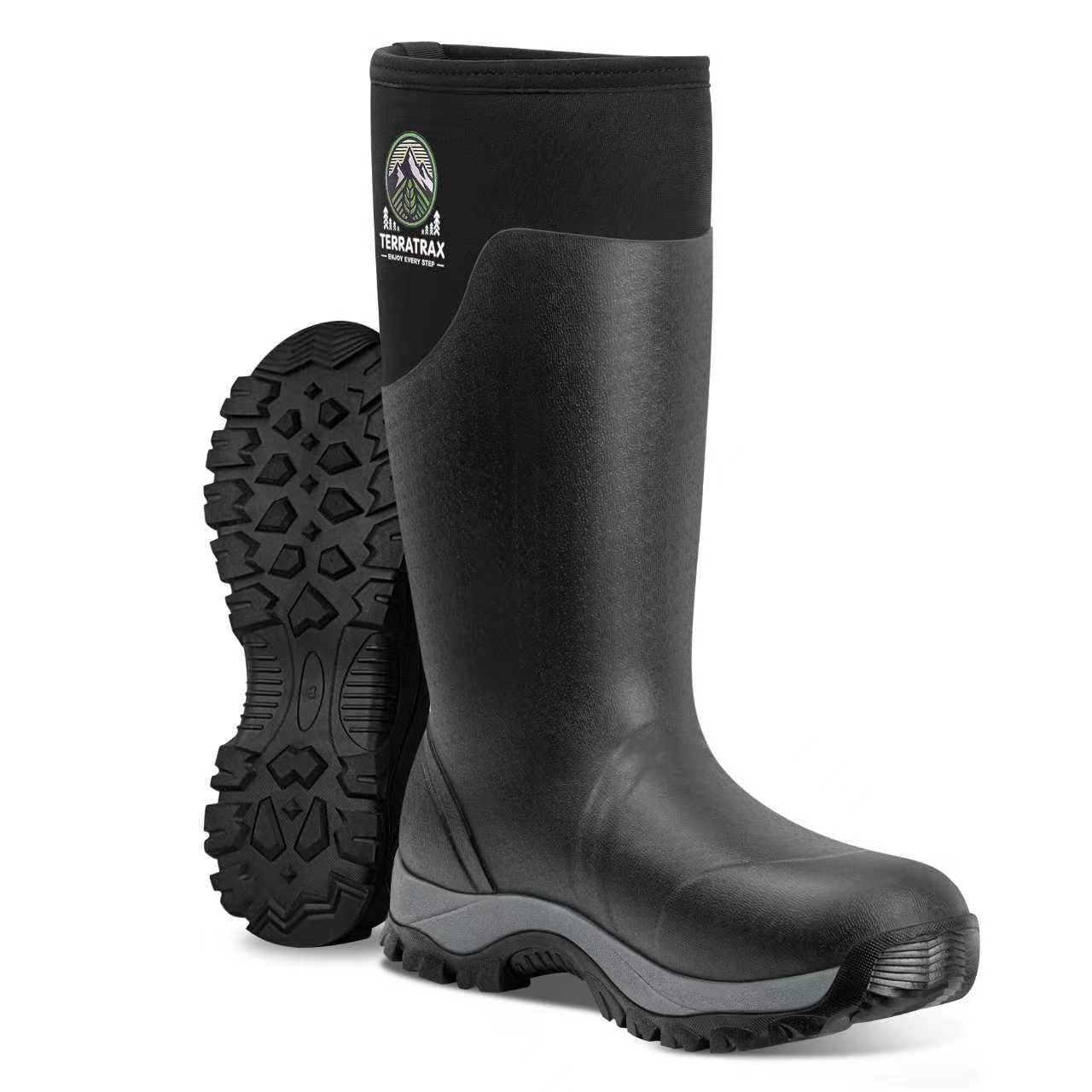
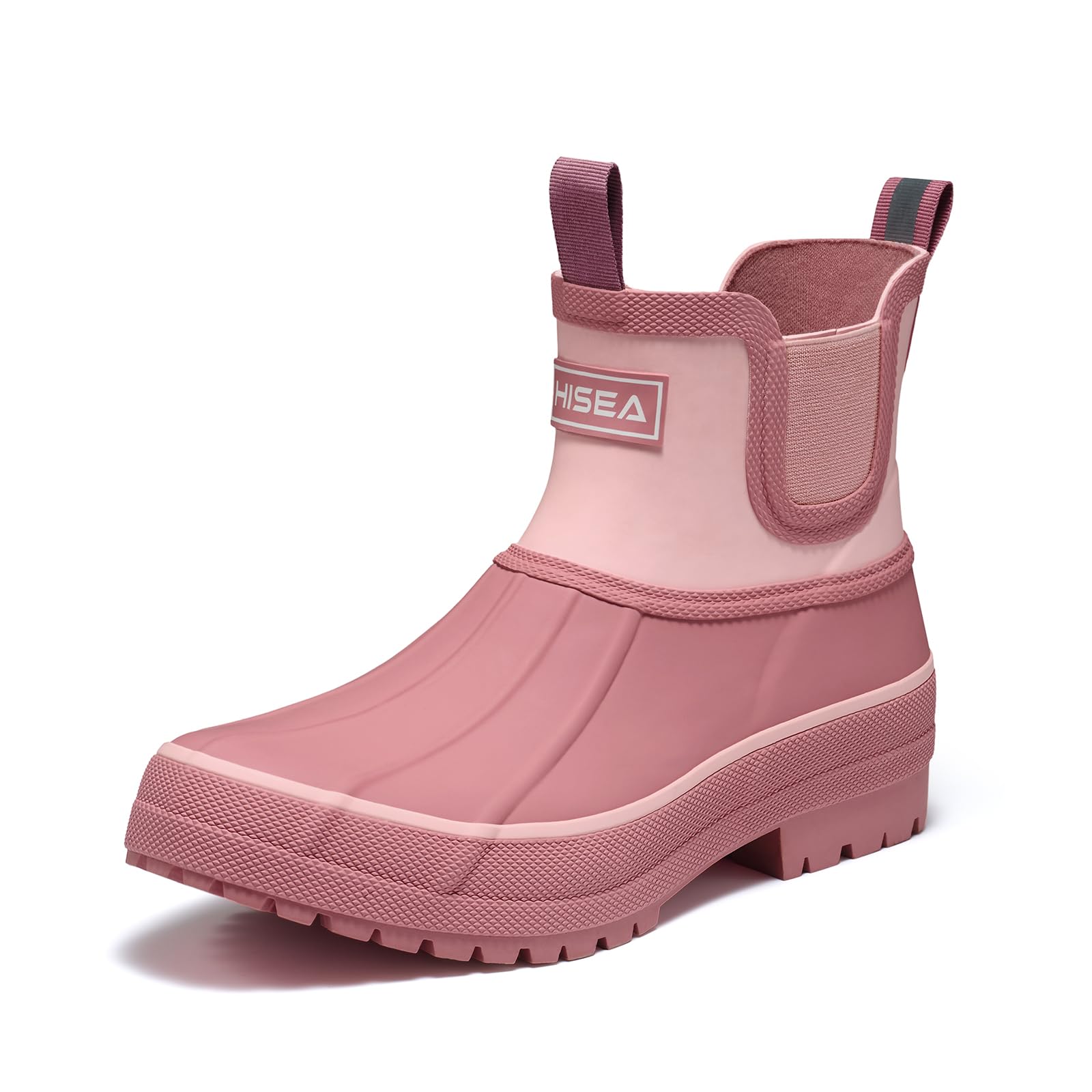

Who Should Buy Which Boots for a Chicken Coop?
Your flock size, ground and season shape the right choice most.
Daily Egg Collectors With a Small Backyard Flock
You walk a short route once or twice a day and carry a basket back to the house. A short or mid calf boot you can pull on in seconds suits you best, since tall heavy boots slow a quick trip. Choose a smooth shaft that sheds straw, and keep the pair by the back door.
Keepers With Large or Muddy Runs
You spend longer inside the run, turn litter and stand on ground that birds keep damp and uneven. Tall boots protect your calves and trousers, and deep tread matters more for you than low weight.
Keepers Who Do Long Chores in Cold or Wet Seasons
You break ice in waterers, carry feed in rain and stay outside while you clean and inspect birds. Insulated neoprene or lined rubber suits you best, with room for thick socks and a cushioned sole for frozen ground.
Key Features to Compare
Compare these five factors in order, because a boot that fails on waterproofing or grip will frustrate you daily.
Waterproof Material and Manure Resistance
Rubber, PVC and neoprene all block water, but they behave differently in a coop. Rubber and PVC have smooth, non porous surfaces, so droppings and mud hose off without soaking in, and ammonia in manure does not break them down quickly. Neoprene feels softer and warmer, yet its fabric outer layer can hold odor and needs a careful rinse. Leather absorbs water and manure and cracks with repeated wetting, so save leather boots for dry yard jobs.
Shaft Height and Keeping Bedding Out
Shaft height decides how much protection you get and how much bedding reaches your socks. Short boots at about 6 to 8 inches suit dry ground, but straw falls in easily when you kneel in deep litter. Mid calf boots at about 10 to 12 inches balance easy entry with better coverage. Tall boots at about 14 to 16 inches keep mud, splash and litter out best, and a snug top closes the gap around your calf.
Outsole Tread and Grip on Wet Ground
Coop ground mixes wet grass, smooth mud, damp concrete and loose straw, and each surface tests tread differently. Look for deep, widely spaced lugs that bite into mud and then shed it as you walk, since shallow tread packs solid and slides. A low, stable heel helps on ramps, while smooth soles have no place in a run. For wet concrete, choose a pattern with smaller blocks for surface contact.
Fit, Toe Box and Sizing With Thick Socks
Try boots late in the day, when your feet are at their largest, and wear your chore socks. Your toes should move freely without hitting the front when you kneel, and the toe box should feel wide rather than pinched. Your heel should lift only slightly, because strong heel slip causes rubbing and blisters. Many coop boots come in whole sizes only, so if you fall between sizes, choose the larger size and adjust with a thicker sock or an added insole.
Cushioning, Arch Support and Seasonal Comfort
Most basic rubber boots have thin, flat insoles, which is fine for ten minutes but tiring during a full coop clean. A removable cushioned insole and gentle arch support spread pressure and help if you have flat feet or high arches. Breathability is limited in any sealed boot, so in summer choose a lighter, uninsulated pair. In winter, insulation and a wool blend sock matter more, and rotating two pairs lets each pair dry fully.
Three Boot Styles for Daily Coop Chores
Three boot types cover nearly every coop routine. The best boots for chicken coop chores fall into one of these groups, so compare them by ground and season first.
Tall Rubber Boots
Tall rubber boots give the most coverage for muddy runs, deep litter and wet grass, and they hose clean fastest. They feel heavier and warmer in summer, and a wide shaft can flop if the top does not fit your calf. Choose this type if your run stays wet or you often wade through puddles. Prices often run about $40 to $90.
Neoprene Boots
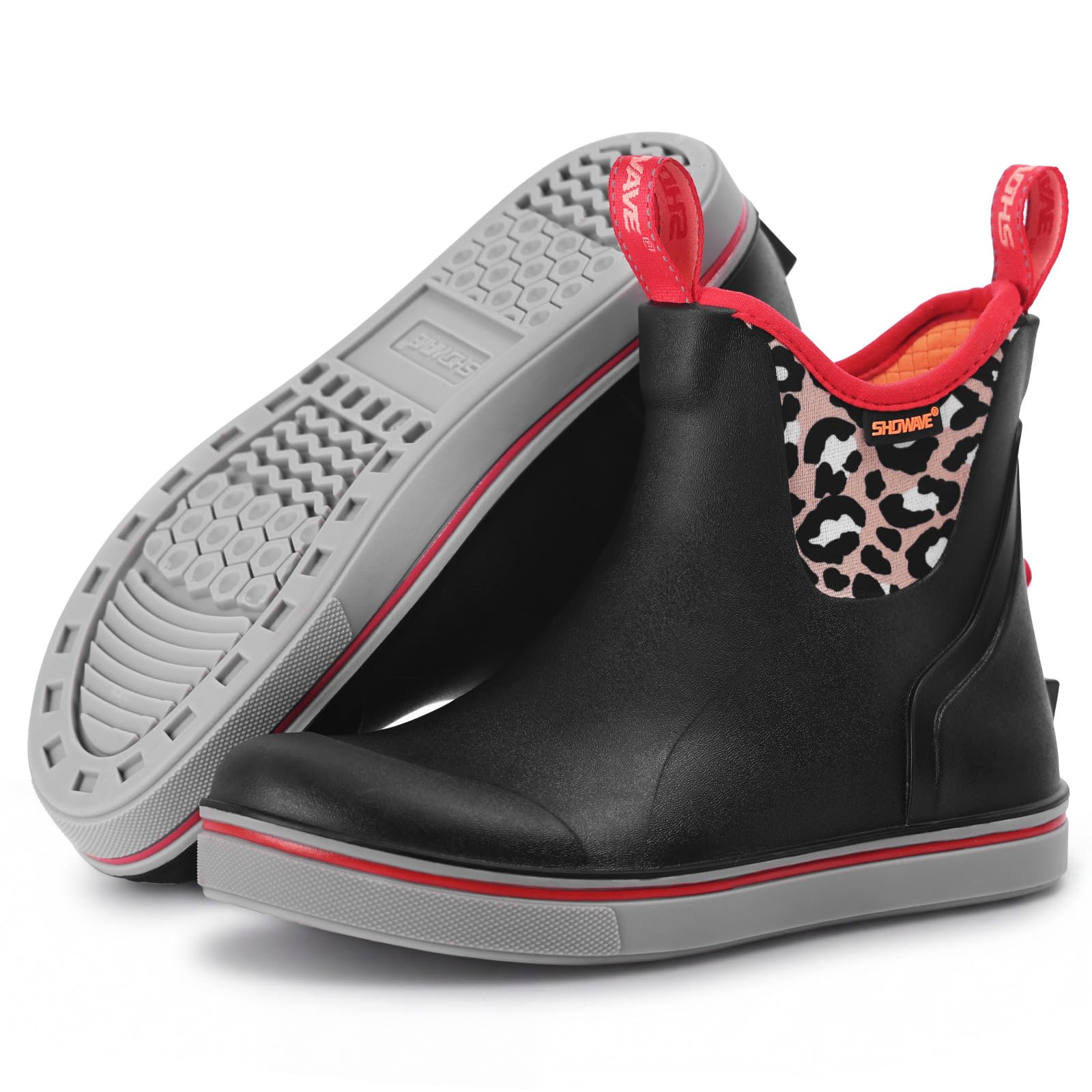
Neoprene boots flex more than stiff rubber, feel warmer in cold weather and hug the calf, which helps keep litter and cold air out. They cost more, often about $70 to $130, and the outer fabric needs a gentle rinse and full drying to avoid odor. Choose this type for winter chores and ground that is cold more often than deeply muddy.
Short Slip On Boots
Short slip on boots and sturdy garden clogs are the fastest option for egg checks and quick water refills on dry ground. They weigh less and feel cooler in summer, but mud or bedding can enter over the low top. Choose this type as a second pair rather than your only coop footwear. Prices often run about $25 to $60.
Common Mistakes to Avoid
- Wearing leather boots or trainers in the run soaks the material with manure and leaves lasting odor.
- Choosing a smooth sole for muddy ground makes a fall on wet straw or slick concrete far more likely.
- Buying boots that fit with thin socks leaves no room for winter socks and leads to pinched toes in cold weather.
- Picking a short boot for deep litter lets straw and shavings work into your socks on every visit.
- Wearing the same boots in the coop and around other poultry spreads germs between flocks on the soles.
- Storing wet boots in a closed cupboard traps moisture and grows odor and mildew.
Care and Maintenance for Coop Boots
Rinse boots after each muddy use with plain water, and scrub tread grooves with a stiff brush so packed mud does not harden in place. Wash the shaft with mild soap when odor builds, then rinse well. Keep a brush at the coop door, which limits what you track toward the house.
Stand boots upright in a ventilated spot out of direct sun and let them dry fully. Pull out removable insoles to dry separately. Check soles for cracks each month, store boots away from heaters, and note that strong heat can crack rubber.
Boots for a Chicken Coop: Your Questions Answered
What features matter most in boots for a chicken coop?
Waterproofing, grip and easy cleaning matter most in boots for a chicken coop. Beyond those three, consider how often you cross standing water, since frequent puddles favor taller shafts. A boot you can rinse at an outdoor tap also keeps coop dirt out of your kitchen.
Do boots for a chicken coop need to be waterproof?
Yes, boots for a chicken coop should be fully waterproof, not only water resistant. Coatings shed light rain but fail when you stand in a wet run or splash your feet at a waterer. One useful check is the seam where the sole meets the upper, since leaks often start there after months of flexing, so inspect that join each season.
How should boots for a chicken coop fit?
Boots for a chicken coop should feel roomy in the toes, secure at the ankle and calm at the heel with no strong rubbing. Test the fit by squatting and stepping onto a low step, since coop work involves both moves. If one foot is larger, fit the boot to that foot and use a thicker sock on the smaller side.
Are expensive boots for a chicken coop worth the cost?
Expensive boots for a chicken coop are worth it only if the extra cost buys insulation, better tread or a closer calf fit you will use daily. Price alone does not predict how well a boot rinses clean, so check the shaft surface before you pay more. Keepers with a small dry run often get equal value from a simple rubber pair.
How long does the break in period last for coop boots?
Most coop boots need little break in time, often two or three short chores, because rubber and neoprene do not soften like leather. Use those first outings to check heel lift and calf pressure, since sealed boots change shape very little. If a spot still rubs after a week of short use, the size or shape is wrong for your foot.
How often should you replace boots for a chicken coop?
Replace boots for a chicken coop when cracks, sole leaks or worn tread let water in or make you slip. A practical sign is water seeping through during a normal rinse, which means the material has failed even if the boot looks sound. Many keepers get about two to four years from a pair, depending on sun exposure and storage.
Wrapping Up
Match shaft height to your mud and litter, tread to your slickest surface and material to how you clean up after chores. Fit the boot with your chore socks, keep a dedicated pair at the coop door and rinse them before dirt hardens. Use the product table above to compare types and prices.
Chosen that way, best boots for chicken coop work becomes part of a calm routine. Pick the simplest type that keeps you dry, steady and clean, and your morning visit to the flock gets easier.