Best Batteries for Outdoor Cameras in 2026: Which Type Is Right for You?
Disclosure: We may earn a commission when you buy through links on this page, at no extra cost to you. As an Amazon Associate I earn from qualifying purchases. Learn more

Compare the best batteries for outdoor cameras by chemistry, cold weather performance, yearly cost, and fit, with guidance on which type suits your camera.
A wire free outdoor camera is only as dependable as the cells inside it, and the battery shelf offers more types than most people expect. Choosing the best batteries for outdoor cameras starts with chemistry, because a cell that cruises through summer can fade fast on the first frosty night.
This guide compares the main battery types side by side, works through the cost math over a full year, and shows how to match a battery to the camera you own. The comparison table below lines up each type with its best use, strengths, weak spots, and typical price.


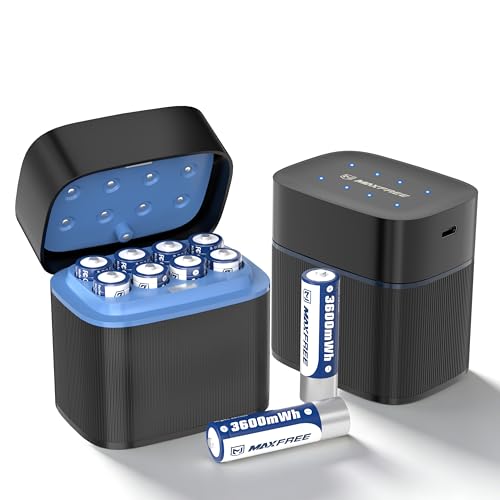
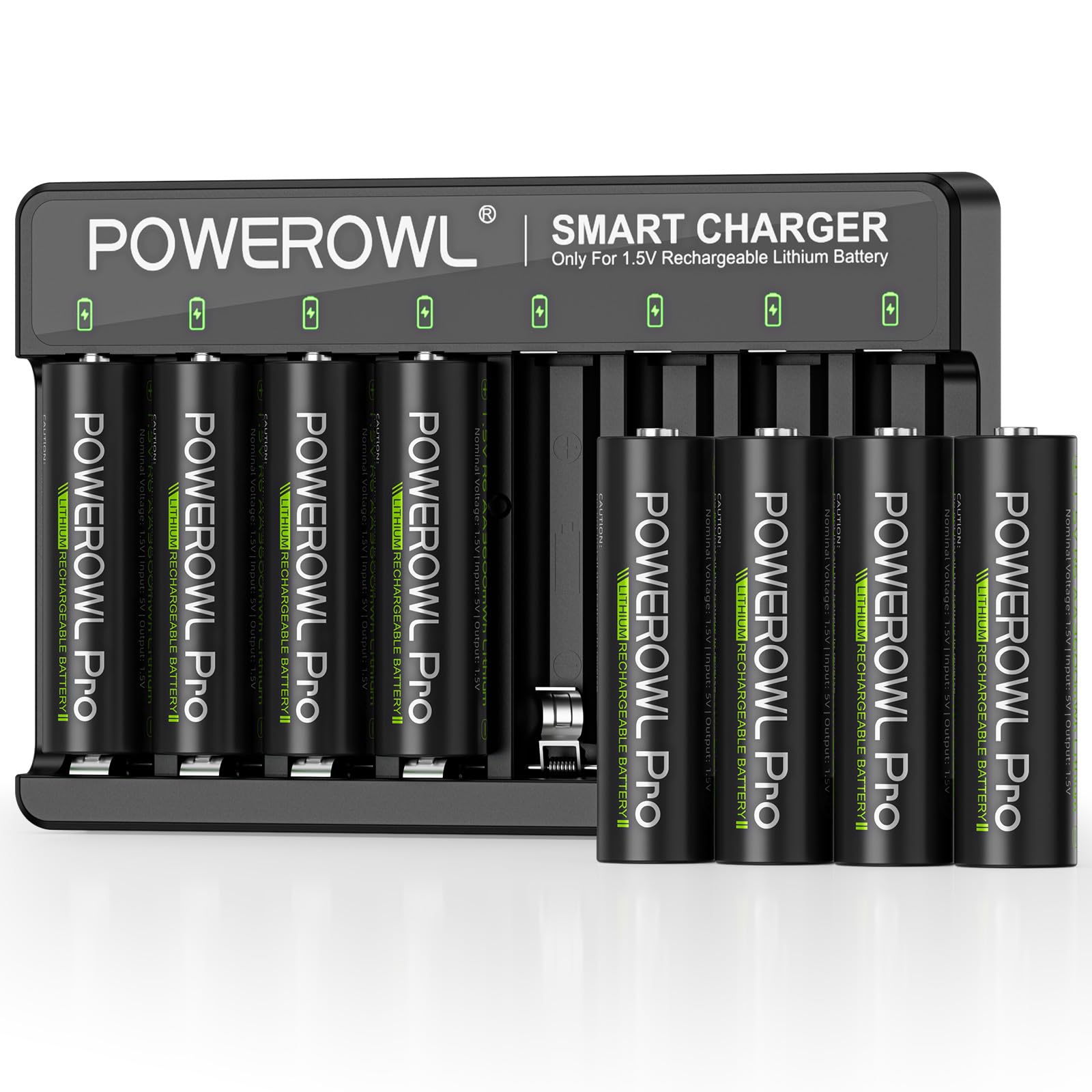
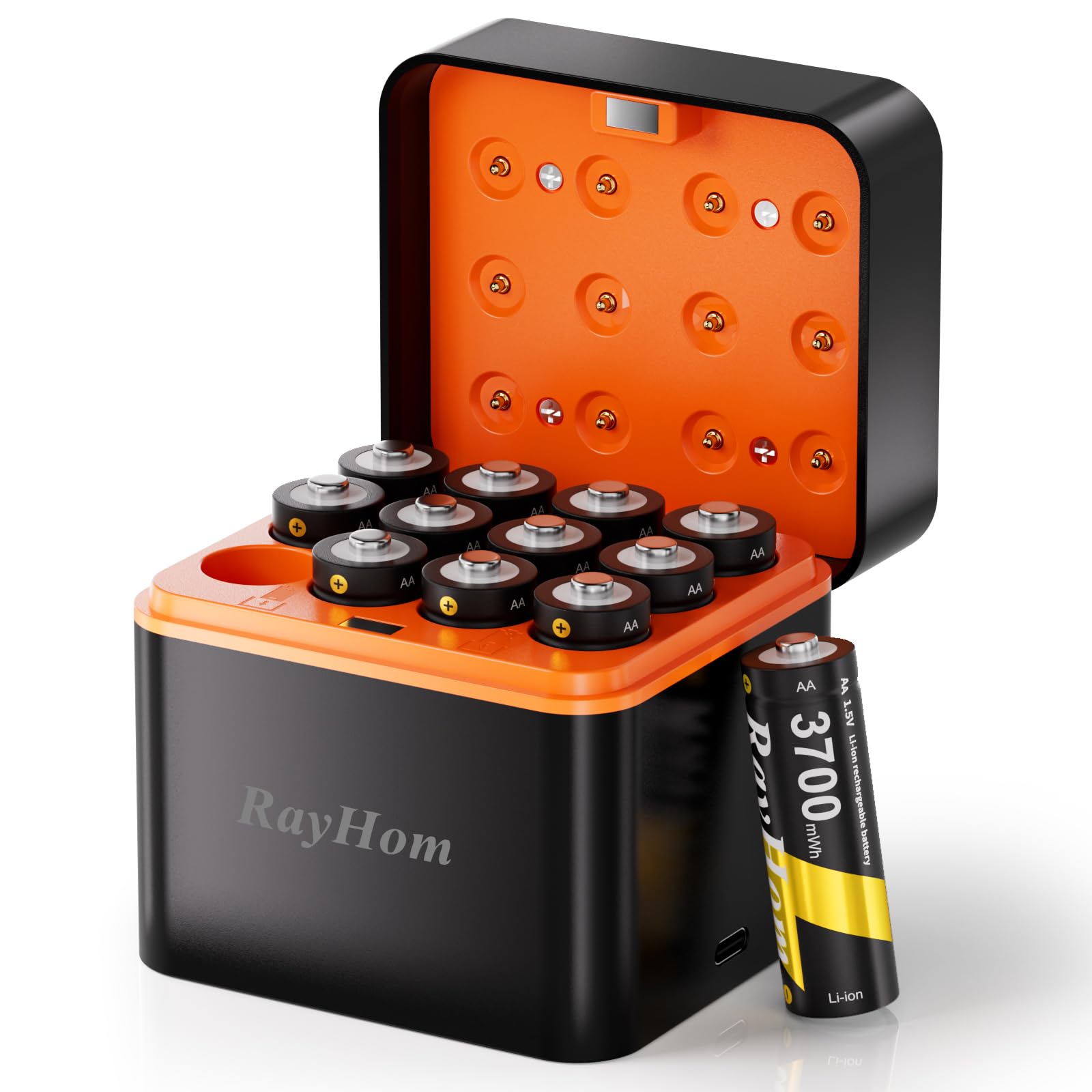
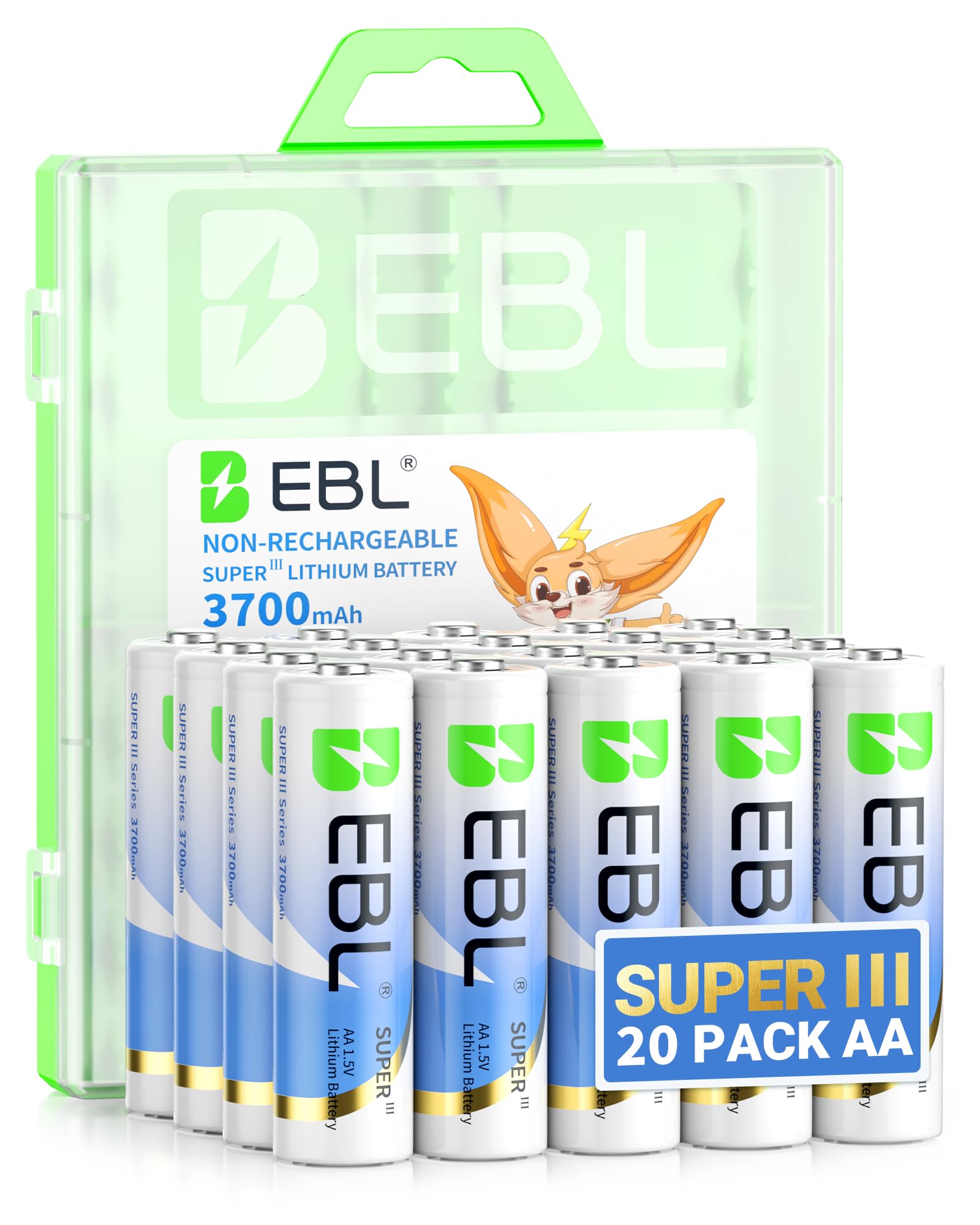


Types of Batteries Compared
Every option falls into one of a few chemistry or format classes, and the classes behave very differently outdoors. Chemistry decides cold behavior: lithium cells hold their charge and keep delivering power in freezing weather, while alkaline cells lose voltage as temperatures drop and can give up weeks early in winter. Format decides the servicing: loose cells swap in seconds, maker packs click into a shaped bay, and sealed batteries recharge without opening the camera. If you are still choosing the camera itself, our guide to the best battery outdoor cameras covers the models side of the decision.
| Type | Best For | Pros | Cons | Typical Price |
|---|---|---|---|---|
| Disposable lithium cells | Cold climates and busy doors | Long life, strong in the cold | Highest cost per set | about $15 to $25 per multipack |
| Alkaline cells | Mild climates and quiet spots | Cheap and easy to find | Fades fast in cold weather | about $8 to $15 per multipack |
| Removable rechargeable packs | Cameras that record every day | Low cost per year, less waste | Needs a charger and a spare | about $25 to $60 per pack |
| Sealed built in batteries | Homes that want no cell shopping | Nothing extra to buy | Camera comes down to recharge | Included with the camera |
| Solar assisted charging | Sunny walls and fence lines | Rarely needs a manual charge | Needs hours of direct sun | about $25 to $50 per panel |
Disposable Lithium Cells
Lithium cells are the safe default for a camera that must work all winter. They hold a steady voltage in the cold, keep their charge for years on a shelf, and usually run a busy camera for months before they fade.
The trade off is price. Lithium cells cost the most per set, and a camera over a busy front door can eat several sets a year, so the running cost climbs. They cannot be recharged either, so every swap sends the old set to recycling.
Alkaline Cells
Alkaline cells are the budget standby, sold in every grocery and hardware store. In mild weather, on a camera that watches a quiet side yard, they do an honest job for very little money, and a fresh set is always a short trip away.
Their weakness is cold. As temperatures fall toward freezing, alkaline voltage sags, the camera reports a low battery sooner, and night clips are often the first thing to suffer. Treat alkaline as a fair weather choice, or as a short term stand in while a better set ships.
Removable Rechargeable Packs
Many outdoor cameras take a shaped rechargeable pack instead of loose cells, and the math favors the pack over time. A pack costs more on the first day than a set of disposables, but it refills hundreds of times, so the cost per year drops sharply for a camera that records daily motion. The same packs appear across most best battery powered outdoor cameras roundups.
The habit matters more than the hardware. You need the matching charger, a charged spare for swap day, and the discipline to recharge the drained pack the same evening.
Sealed Built In Batteries and Solar Charging
Some cameras seal the battery inside the body. There is nothing to buy and nothing to match, but recharging means taking the camera down or running a cable to it, so mount height decides how annoying that chore is.
A small solar panel changes the routine for a sunny mount. The panel trickle charges the battery on bright days and can stretch a recharge interval from weeks to a whole season. A shaded wall or a short winter day can still outrun the panel, so keep the cable handy.
Disposable or Rechargeable: Which Should You Choose?
On upfront cost, disposables win, since a single set is cheaper than any pack and charger. On yearly cost, rechargeables win for any camera that drains a set more than twice a year, because one pack replaces set after set. On cold behavior, lithium disposables and lithium based packs both hold up, while alkaline trails far behind.
On upkeep, disposables ask for nothing but a recycling bin, while packs ask for a small routine. Choose disposables for a camera you service twice a year at a seasonal property. Choose a rechargeable setup for the camera over your own front door, where swaps are frequent and the savings stack up.
How to Choose the Right Battery
Start With the Size Your Camera Takes
The size and format are not your choice to make, because the camera maker fixed them when the battery bay was designed. Read the required size from the maker statement in the manual or the camera app, whether that is AA cells, CR123A cells, or one shaped pack, and buy exactly that. Our broader guide to the best batteries for cameras explains how sizes are labeled across camera types.
Read maker battery life figures with care. A claim of six months is a rated figure built on a fixed, modest number of motion events per day, in mild weather, with default settings. A busy driveway in January will always beat that figure down, sometimes by half.
Match Capacity to How Busy the Spot Is
Drain follows activity, not the calendar. A camera over a front door may record dozens of clips a day, run its night vision every night, and stream live view on request, all of which pulls far more power than a camera watching a quiet garden gate. Higher capacity buys longer gaps between swaps.
Settings are a battery decision too. Shorter clips, a smaller motion zone, and fewer live view sessions stretch any battery. If a camera keeps dying young, trim its workload before blaming the cells.
Plan Around Your Climate
Cold is the famous problem, but heat ages a battery too. A camera baking on a sunlit wall all summer will cycle its cells harder and shorten their service life, so a shaded mount helps the battery as much as the picture. Shoppers weighing the best outdoor battery security cameras for a hot or cold region should treat climate as a first order filter, not a footnote.
For a cold region, the rule is simple: lithium chemistry, in whichever format your camera takes. For a mild region, any type works, so let cost and upkeep habits decide. For a very hot region, favor the format you can swap quickly, since you will do it more often.
Tips to Get the Most From Your Battery
- Trim the motion zone so passing traffic stops triggering clips, because every false event spends battery on footage nobody needs.
- Replace the whole set at once, and never mix chemistries or mix a fresh cell with a tired one, since the weakest cell drags the rest down.
- Keep a charged spare set indoors at room temperature, so swap day takes minutes and the drained set can rest before recharging.
- Wipe the battery contacts with a dry cloth at each swap, because outdoor grime adds resistance and shortens run time.
- For solar setups, clean the panel face monthly and angle it toward the midday sun, a habit shared by most best battery cameras on sunny mounts.
Your Questions Answered
How long do batteries last in an outdoor camera?
Battery life in an outdoor camera ranges from a few weeks to several months, and the spread comes from activity. A camera over a quiet side gate may run half a year on one set, while the same set over a busy front door lasts six weeks. One warning sign: night clips go missing first, because night vision draws the hardest when a set is nearly spent.
Can I mix old and new batteries in one outdoor camera?
No, never mix old and new batteries, and never mix chemistries, in one outdoor camera. Cells in a shared bay drain together, so one weak cell pulls the whole set down to its level and can leak or swell in the process. Swap the full set every time, keep the removed cells together, and recycle them as a group.
Are rechargeable batteries a good choice for a camera in a cold climate?
Rechargeable batteries can work in a cold climate, but the format matters more than the label. A maker designed lithium pack handles winter far better than loose nickel based rechargeable cells, which lose voltage quickly in the cold. Bring packs indoors to recharge, since a freezing pack charges slowly and poorly. If your winters are harsh and the camera guards something important, disposable lithium cells remain the lowest worry choice.
How should I store spare batteries for an outdoor camera?
Store spare batteries indoors, in a dry spot at room temperature, and keep them in their original packaging or a plastic case. Loose cells rolling in a junk drawer can touch metal objects, short out, and arrive at the camera half drained. Check the date printed on the packaging when you buy, and rotate stock so the oldest set goes into service first.
Can a solar panel keep an outdoor camera charged all winter?
A solar panel can keep an outdoor camera charged through winter only on a mount that still gets several hours of direct sun. Short days, a low sun angle, and snow cover all cut the harvest, and a busy camera can outspend what the panel gathers. Angle the panel toward the winter sun, clear snow off it after storms, and treat the cable recharge as a planned backup rather than a failure.
Final Thoughts
The right choice comes down to three things: the chemistry that suits your climate, the format your camera already demands, and the yearly cost you are willing to carry. Match those three and the best batteries for outdoor cameras for your home pick themselves. Use the table in this guide to compare types at a glance, then buy the size your maker specifies and keep a spare set ready.