Best Battery Powered Outdoor Cameras in 2026: Matching the Right Model to Your Routine
Disclosure: We may earn a commission when you buy through links on this page, at no extra cost to you. As an Amazon Associate I earn from qualifying purchases. Learn more
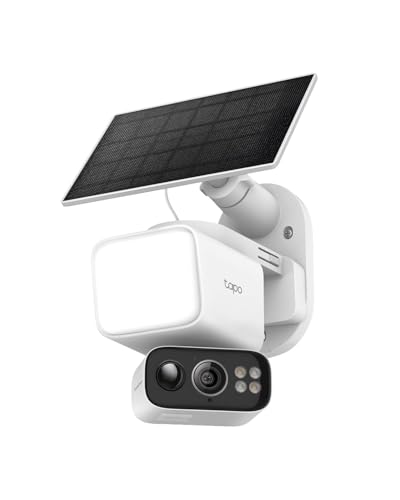
Compare the best battery powered outdoor cameras by battery life, video quality, storage, and weather rating, and pick the right setup for your home.
There is no single camera that suits every porch, yard, and driveway. A renter needs a mount that leaves no holes, while a long farm lane needs range and a battery that holds up through winter. The best battery powered outdoor cameras for you are the ones that match where the camera will sit and how often you can reach it to recharge.
This guide sorts buyers by the job the camera has to do, then walks through the features that change daily use. The product table puts the main options side by side, so you can shortlist with your layout and budget in mind.
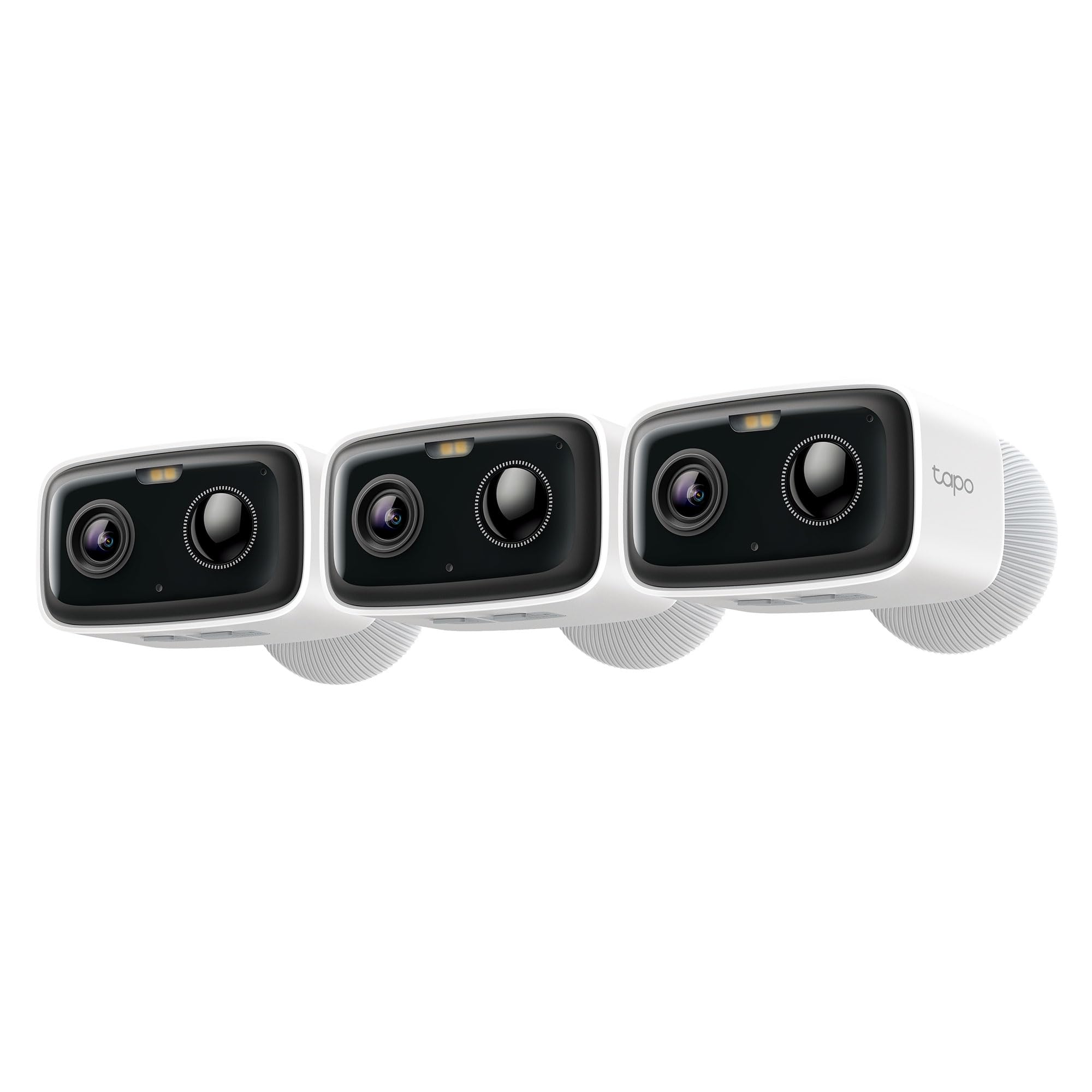


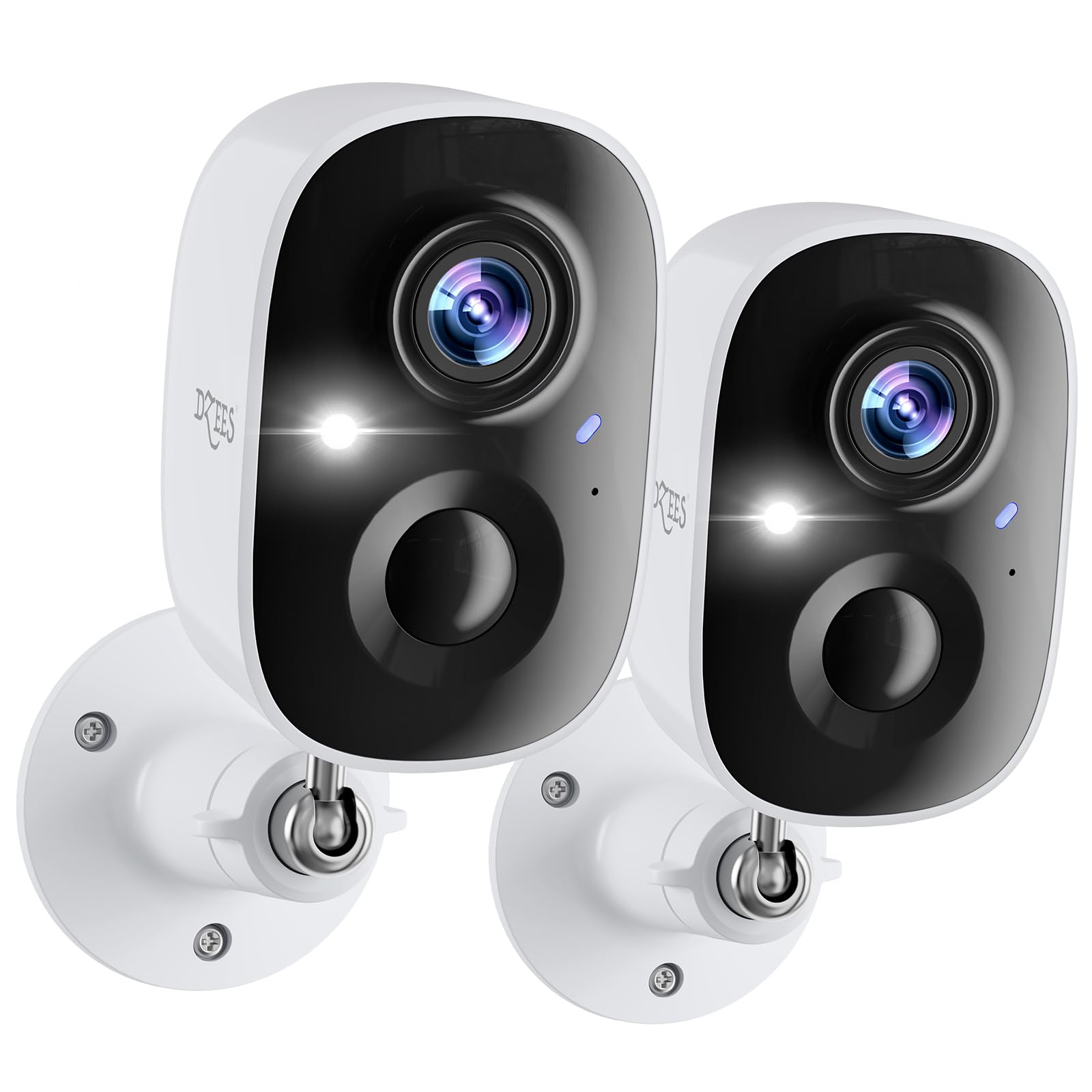
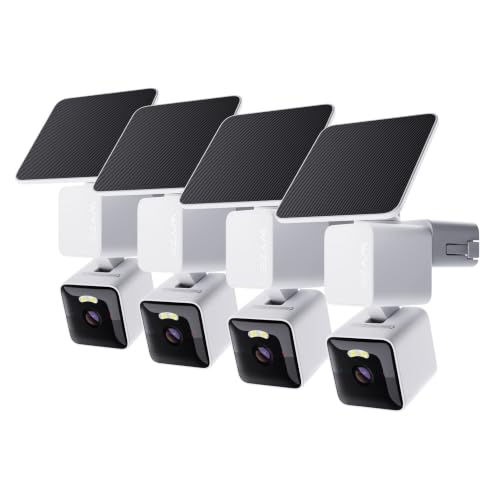
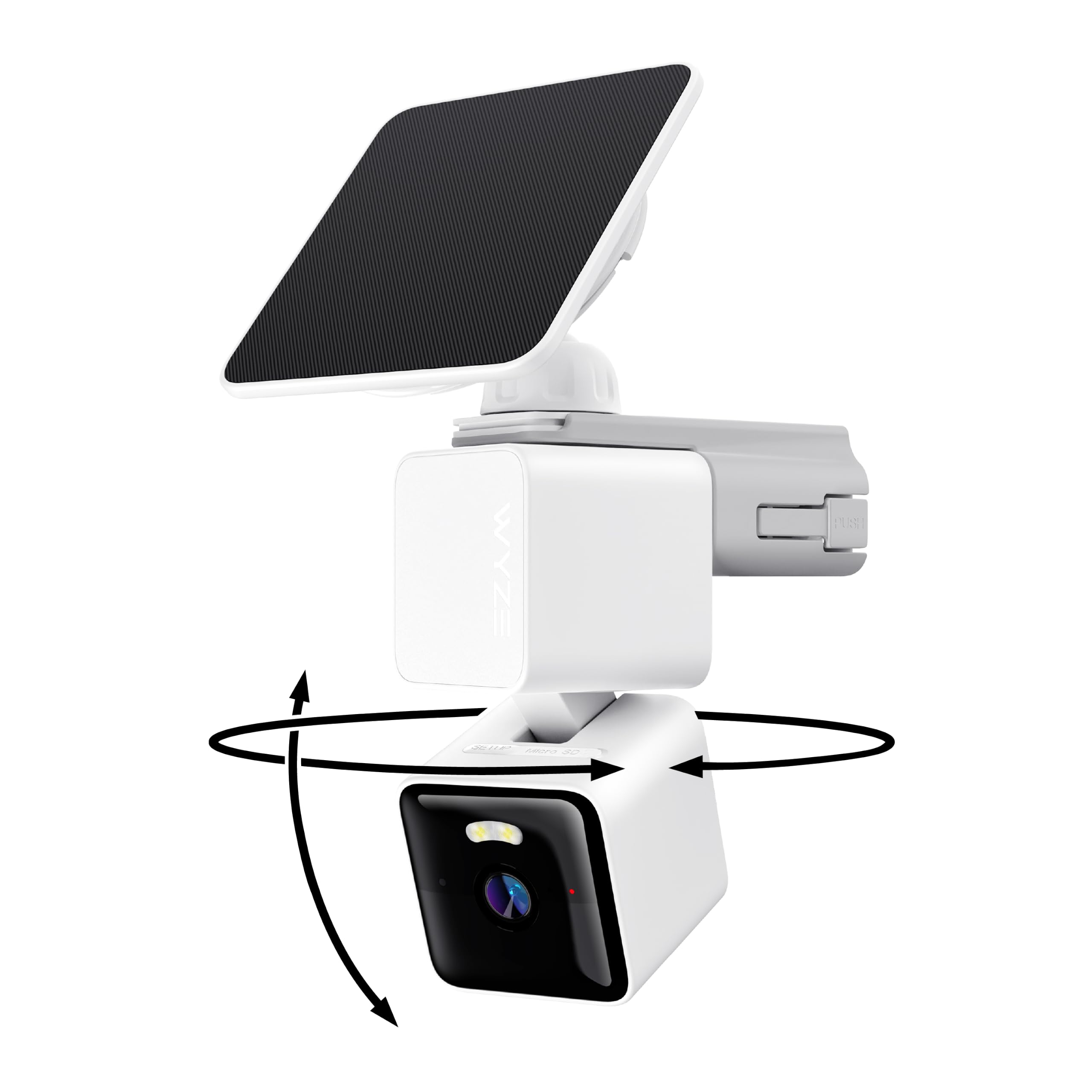
Which Setup Fits Your Property?
The same camera can feel perfect on one home and frustrating on another. Start with the spot you need to watch, because that decides battery size, field of view, and how the camera should mount.
For Apartment Balconies and Porches
Small outdoor spaces call for a compact camera that mounts without drilling, such as a clamp mount on a railing or a bracket on a door frame. A wide field of view covers a small slab from one corner, so one camera is usually enough. Two way audio matters here, because you can speak to a visitor or a courier without opening the door. Keep the camera pointed at your own space only, not into a neighbor's windows or balcony.
For Porch Deliveries and Driveway Watch
If your main worry is packages and cars, aim the camera at the walkway and the parking pad rather than the street. Person and package alerts cut the noise from passing traffic, and a small spotlight or color night vision helps you read details after dark. Our guide to the best battery powered outdoor security cameras goes deeper on this security focused setup. Choose a model with a battery you can swap quickly, because a busy driveway drains charge faster than a quiet porch.
For Barns, Cabins, and Off Grid Corners
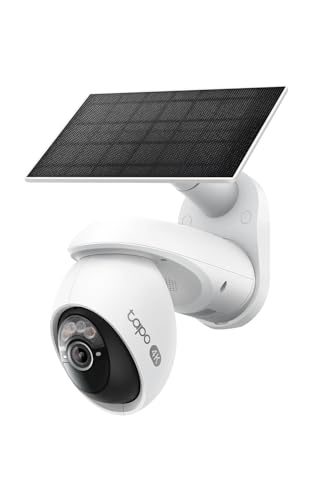
Remote spots often sit beyond easy reach of your router and far from a ladder friendly wall. A solar top up panel stretches the time between charges, and local storage on a memory card keeps recording even when the wireless link drops. Look for a housing rated for dust and rain, and a battery rated to keep working in freezing weather. If you are comparing the wider family of wire free models, see our overview of the best battery outdoor cameras for how the types differ.
For Larger Homes With Several Angles to Cover
Covering a front door, a side gate, and a back garden usually means three or four cameras, so running costs matter as much as the price of one unit. Cameras that share one app and one storage plan are easier to live with than a mix of brands. A removable battery design helps, because you can rotate a charged spare through the busiest camera. Plan the positions on paper first, and overlap views slightly so a person cannot slip between two cameras unseen.
Features That Decide Day to Day Use
Power Choices: Battery, Solar Top Ups, Wired, and PoE
Battery power is the whole point of this category: you mount the camera where you need it, not where an outlet happens to be. The trade off is charging duty, which is why the best battery powered outdoor cameras pair a large cell with motion settings you can tune. A small solar panel can top up the battery on sunny walls and stretch intervals to a few times a year. Wired and PoE cameras never need charging, but they need an outlet or a cable run, which suits fixed spots you never plan to move.
Smart Home Integration
Most models work with at least one of the big voice assistant platforms, such as Alexa, Google Assistant, or HomeKit, so you can pull up a live view on a smart display. Check that the camera supports the platform you already use before you buy, because switching apps later is a nuisance. Routines are the practical win: a porch light can turn on when the camera spots a person. If you run several brands, expect to juggle several apps unless a hub ties them together.
Privacy and Account Security
Look for encryption of the video stream and stored clips, plus two factor authentication on the account, so a stolen password alone cannot open your feed. Read the maker's data policy for how long clips stay on their servers and whether staff can ever view them. Treat any camera as a monitoring aid only: it records and alerts, but it never replaces adult supervision of children or pets, and no camera can guarantee your home stays secure. Follow your local rules on where cameras may point and whether audio recording needs consent.
Smart Detection and Alert Zones
Basic motion sensing reacts to anything that moves, including tree shadows and headlight sweeps. Smarter models sort motion into people, vehicles, animals, and packages, which means fewer pointless alerts on your phone. Activity zones let you watch the driveway but ignore the public sidewalk in front of it. Note that the cleverest detection sometimes sits behind a paid plan, so price that in before choosing a cheaper camera.
Resolution, Field of View, and Night Vision
A 2K sensor is the sensible middle ground, sharp enough to identify a face at porch distance without huge file sizes. 4K adds detail for wide driveways, but it drains the battery faster and fills storage sooner. A field of view of about 130 to 160 degrees covers most yards from a corner mount. Infrared night vision typically reaches about 25 to 30 feet, while spotlight models trade some range for color images after dark.
Buying Mistakes That Cause Daily Annoyance
- Buying on price alone, then discovering the small battery needs charging every few weeks in a busy spot.
- Aiming the camera straight at the street, so every passing car triggers a recording and drains the battery.
- Ignoring the storage choice and finding the clips you actually need sit behind a subscription you never budgeted for.
- Pointing a camera into a neighbor's yard or a bedroom window, which can break local rules and damage trust.
- Mounting an indoor rated camera under an open eave, where wind driven rain reaches it despite the roof above.
Care Habits That Keep an Outdoor Camera Working Longer
Mount the camera under an eave or a small cover where you can, out of easy reach from the ground, and angle it slightly downward so rain runs off the lens. Keep it out of direct sun glare, which washes out the image and bakes the battery on hot afternoons. Wipe the lens with a soft dry cloth every few weeks, and check the mount screws when you recharge.
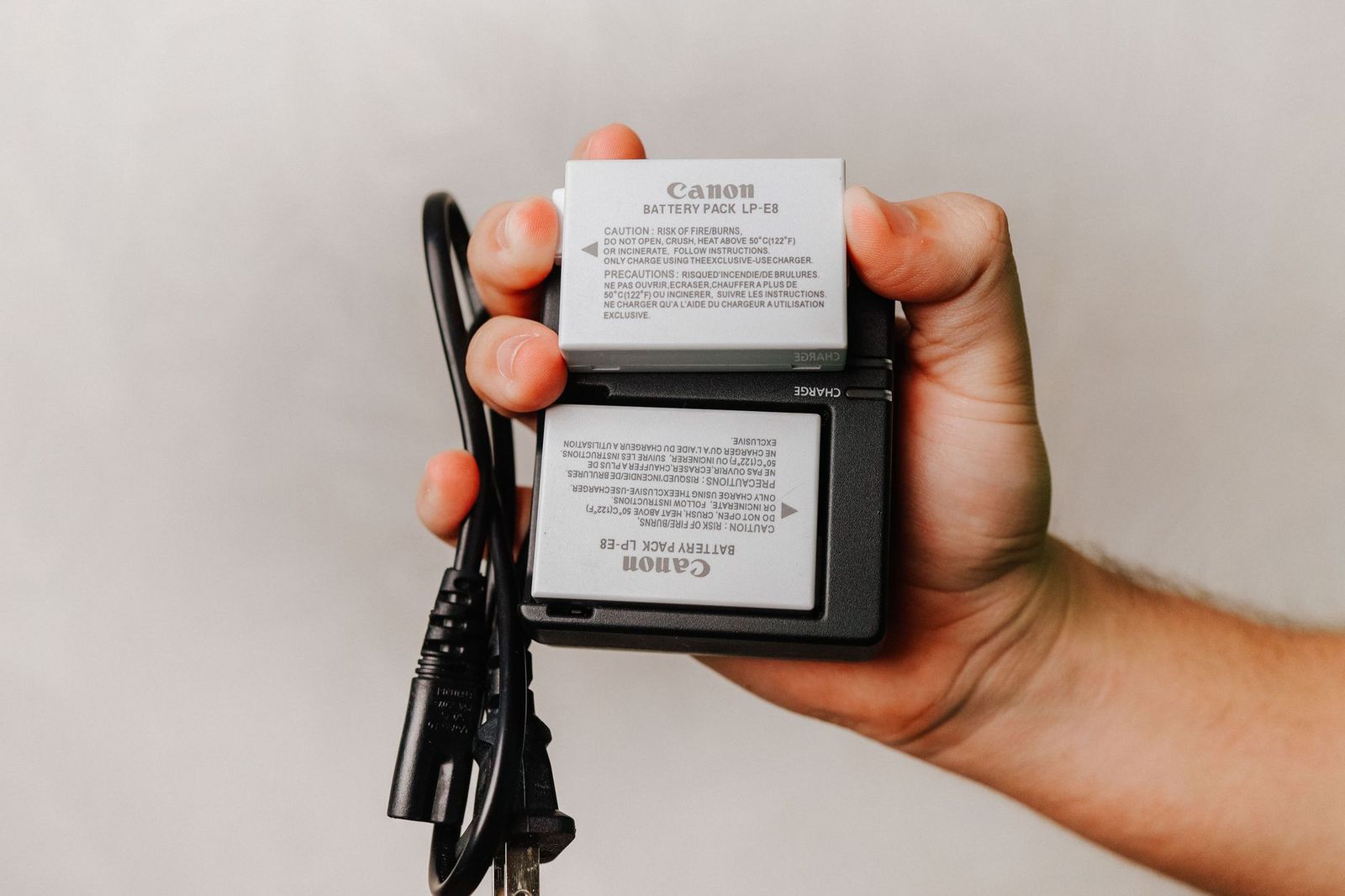
If your model uses replaceable cells, our guide to the best batteries for outdoor cameras explains how to pick spares and store them safely. Leave two factor authentication switched on for the life of the camera, not just at setup.
Questions Buyers Ask About Battery Outdoor Cameras
How long do batteries last in an outdoor camera?
Most last about three to six months per charge in a quiet spot, and as little as a few weeks on a busy driveway. Every recording, live view, and cold night shortens that span. Lowering motion sensitivity and shortening clip length stretches each charge. Keeping one charged spare battery means a swap takes a minute instead of leaving the camera down for hours.
Is a solar panel worth adding to a battery outdoor camera?
Yes, on a wall that gets a few hours of direct sun most days. A small panel tops up the battery during daylight, so you may only climb up to it once or twice a year. On a shaded north facing wall the panel adds cost and gains little. Match the panel connector to your camera brand, because plugs and voltages are not universal.
Does cold weather shorten outdoor camera battery life?
Yes, lithium cells deliver less power in freezing weather, so winter charges run out sooner. A camera that lasts five months in summer may manage closer to three in a cold January. Bring the battery indoors to charge, because charging a frozen cell can damage it. A solar top up helps offset the winter dip on sunny days.
How high should you mount a battery outdoor camera?
About 8 to 10 feet high works for most homes. That height keeps the camera out of casual reach while still catching faces rather than the tops of heads. Angle it downward so people cross the motion sensor's path instead of walking straight at it, which triggers earlier and records longer. Check the view in the app before you tighten the mount for good.
Can a battery outdoor camera record color video at night?
Yes, if it has a built in spotlight that switches on with motion. The color range is short, usually the length of a porch or a small patio, and the light can bother neighbors if it fires all night. Infrared models record in black and white but see farther and use less power. Some cameras let you schedule the spotlight so it only runs late at night.
Final Thoughts
Start with the spot you need to watch, then match battery size to the traffic that spot sees, and settle the storage question before you buy. Detection quality and honest battery life matter more than a long feature list. The best battery powered outdoor cameras for your home are the ones you can mount once and almost forget about. Compare your shortlist in the product table, and check local rules on placement before the first screw goes in.