Best Battery Outdoor Cameras for 2026: Matching the Right Model to Your Routine
Disclosure: We may earn a commission when you buy through links on this page, at no extra cost to you. As an Amazon Associate I earn from qualifying purchases. Learn more
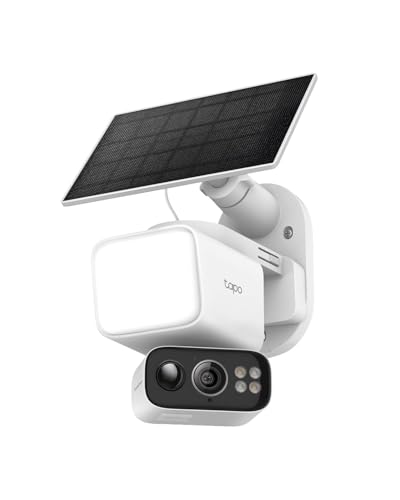
The best battery outdoor cameras fit your mounting spot, WiFi, and routine. Compare weather rating, battery life, storage, and alerts before you buy.
A camera guarding a quiet suburban driveway lives a different life from one watching a barn two fields away from the nearest outlet. There is no single model that fits every home, because mounting spots, WiFi reach, and how often you can climb a ladder to swap a battery all differ. The best battery outdoor cameras for your property are the ones matched to your routine, not the ones with the longest feature list.
This guide sorts buyers by household routine first, then covers the ratings and settings that decide whether a camera stays useful or becomes a chore. The product table sets the main options side by side. Treat any camera as a monitoring aid that supports your judgment, never as a substitute for supervision or a guarantee of security.
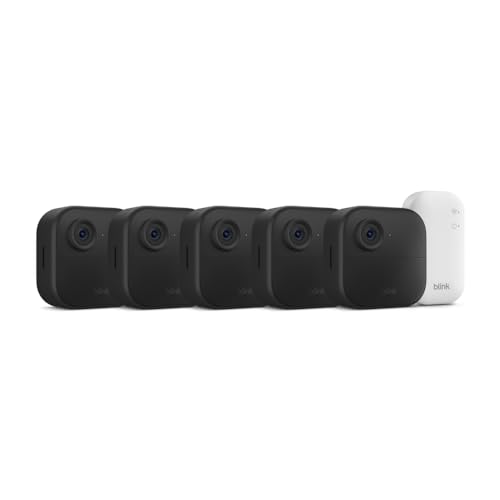
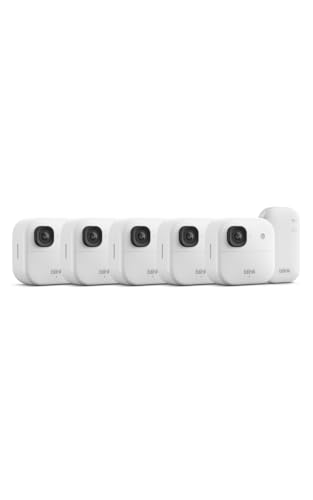


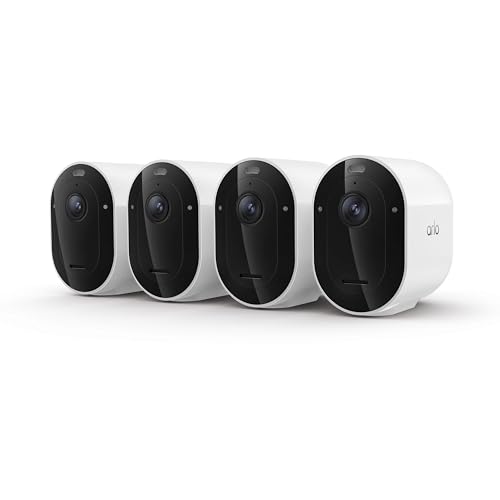
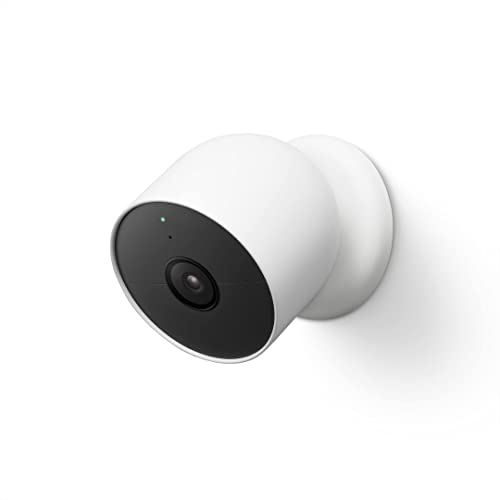
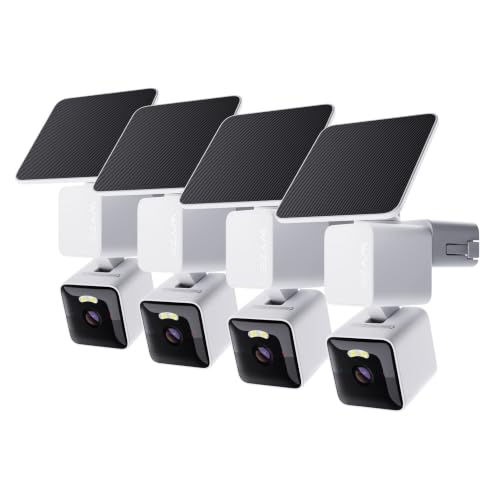
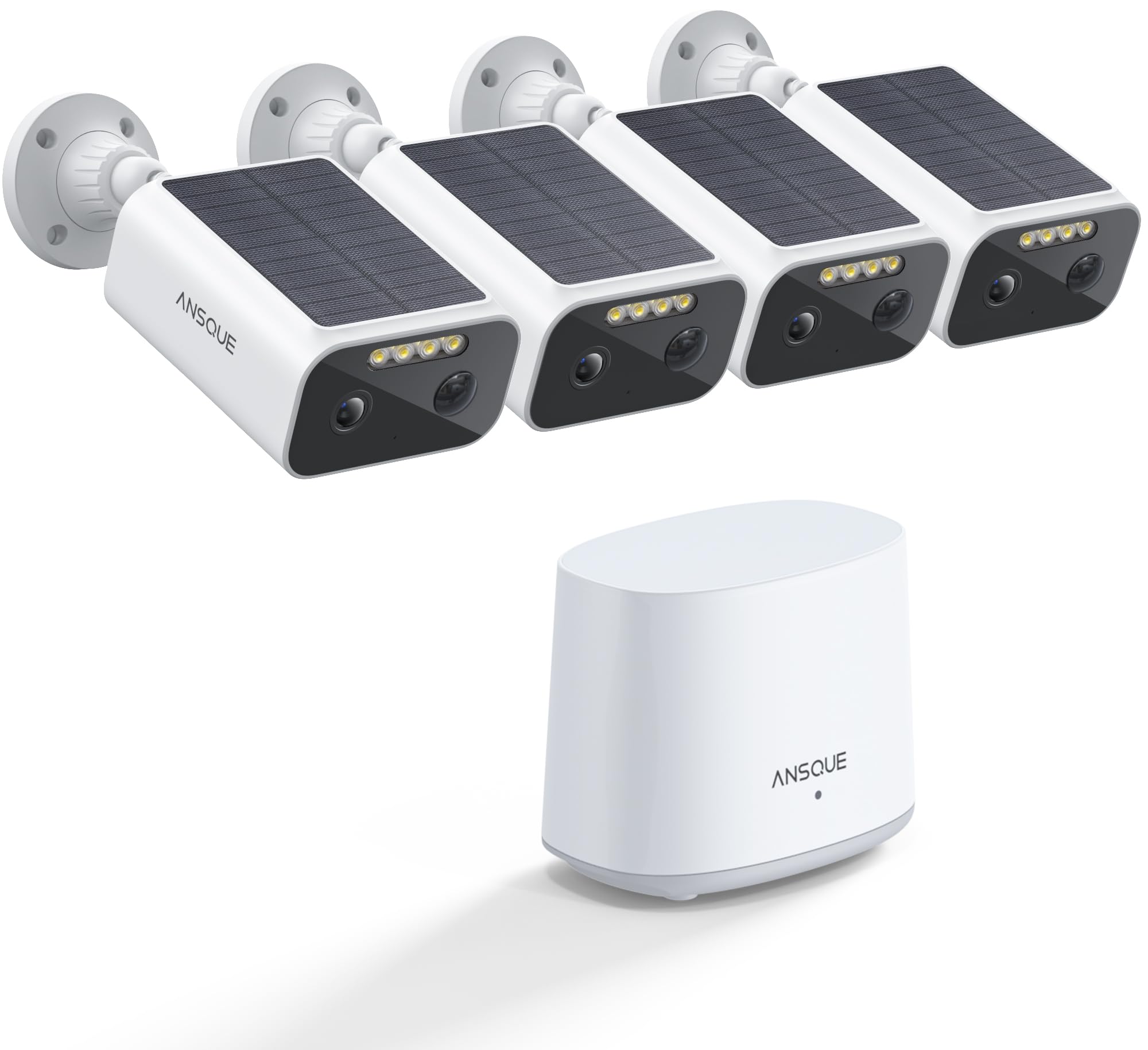
Who Should Buy Which Battery Outdoor Cameras?
For Renters Who Cannot Run Wires
Renters need cameras that mount with a bracket or a magnetic base and leave no holes when the lease ends. Battery power is the whole point here, because drilling for a cable run is usually off the table. Choose a compact model with a battery that lasts about three to six months, and keep the mount within easy reach of a window or a step stool so recharging takes minutes.
For Homeowners Watching a Driveway or Yard
A driveway camera deals with headlights, delivery vans, and weather rolling straight at the lens. Prioritize a wide field of view of about 130 degrees or more, strong night vision, and person detection so passing cars do not flood your phone with alerts. Larger battery packs suit this spot, because a busy driveway can trigger dozens of clips a day and drain a small pack in weeks.
For Cabins, Farms, and Outbuildings
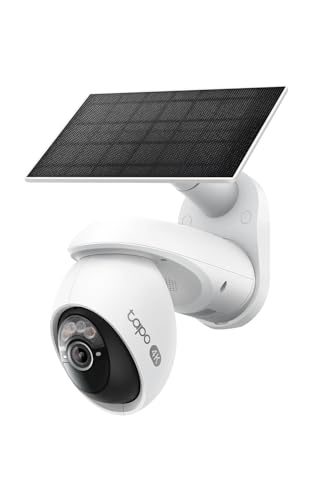
Remote spots punish weak signals and short battery life. A camera on a barn or a gate may sit far from the router, so look for strong WiFi antennas or a model that records to a local hub when the signal drops. Long rated battery life and a solar panel option matter more than 4K sharpness here, because every recharge trip costs you a drive.
For Parents and Pet Owners Checking In
Families often point a camera at a garden, a pool gate, or a dog run to glance in during the day. Two way audio earns its place here, because you can call the dog in or tell a delivery driver where to leave a parcel. Remember that a camera only shows you a moment on a screen. It never replaces an adult watching children near water, and it should never be aimed into a neighbor's private space.
Picking the Best Battery Outdoor Cameras for Different Uses
Best Wireless Battery Outdoor Cameras: What to Prioritize
Going fully wireless trades unlimited power for total placement freedom, so three things decide whether it works. First, battery capacity must match your trigger rate, because a busy street view can cut rated life in half. Second, your WiFi signal at the mounting spot should read strong on your phone before you drill anything, because a weak link means missed clips. Third, quick release mounts matter, because a camera you can pull down in seconds actually gets recharged on schedule.
Key Features to Compare
Weather Resistance (IP65 and IP66)
The IP rating tells you how well the housing seals against dust and water. IP65 shrugs off rain from any direction and suits most eaves and fences, while IP66 stands up to stronger jets of water for exposed spots on poles or gable ends. Temperature range matters just as much, because a battery that works at 100 degrees may quit near 0 degrees, so check the rated low point against your winters.
Privacy and Security (Encryption and Two Factor Sign In)
Your footage deserves the same care as your banking logins. Look for encrypted video in transit and at rest, and turn on two factor authentication so a stolen password alone cannot open your account. Read the maker data policy before you buy, because some brands keep clips on their servers longer than others. Follow local rules on recording and consent too, especially where a camera also captures audio from a public sidewalk.
Smart Home Integration
A camera that talks to the rest of your home saves daily effort. Voice assistants from the major platforms can pull the live view onto a smart display, and routines can turn on a porch light when the camera spots a person after dark. Check which platforms a model supports before buying, because a camera that only works inside one app will frustrate a household already committed to another system.
Video Resolution and Field of View
Resolution decides how much detail survives when you zoom into a clip. 2K footage is the sweet spot for most homes, because faces and license plates stay readable without filling storage as fast as 4K. Field of view decides how much one camera covers, and roughly 130 to 160 degrees covers a yard corner to corner, though the widest lenses bend straight lines near the edges of the frame.
Common Mistakes to Avoid When Buying Battery Outdoor Cameras
- Choosing on price alone, then discovering the cheap camera needs a subscription before it will record anything.
- Ignoring the weather rating, so a camera rated only for sheltered spots fails in its first storm.
- Mounting far beyond your WiFi range, which leaves gaps in recording exactly when motion happens.
- Forgetting to check the warranty and the battery replacement policy before the first winter.
- Aiming a camera into bedrooms, bathrooms, or a neighbor's windows instead of your own entrances and paths.
Care and Maintenance Tips
Mount cameras about 8 to 10 feet high, high enough to deter tampering and low enough to catch faces rather than the tops of heads. Angle the lens away from direct sun glare, because a washed out sunrise view hides exactly the detail you installed the camera for. Wipe the lens monthly with a soft cloth, clear spider webs from the housing, and recharge on a fixed schedule instead of waiting for a low battery warning. Keep spare cells from our guide to the best batteries for outdoor cameras on hand so a swap takes minutes.
Frequently Asked Questions
Are wired or wireless battery outdoor cameras more reliable?
Wired cameras win on pure reliability, because they never sleep to save power and never run flat. Wireless battery models record in short motion triggered clips and can miss the first second of an event, but they install almost anywhere in minutes. For a front door with an outlet nearby, wired is the safer bet. For gates, sheds, and rental homes, battery models are reliable enough when the WiFi signal at the mount is strong.
Do battery outdoor cameras need a subscription?
Not always, but the free tier decides what you actually get. Many brands include live view and basic alerts for free, then charge about $3 to $10 a month per camera for stored clips, person detection, and longer history. Models with local storage on a hub or a memory card can skip the fee entirely. Read the plan details before buying, because a cheap camera with a required plan often costs more over three years than a pricier one without.
How much storage do battery outdoor cameras need?
A quiet home may record 10 to 20 short clips a day, and seven days of that history fits comfortably in most basic cloud plans or on a 32 GB card in a hub. Busy driveways can double or triple that count, so either raise the plan or shorten how long clips are kept. Storage fills fastest when motion sensitivity sits too high and every passing shadow becomes a recording, so tune sensitivity before paying for more space.
Can battery outdoor cameras work without WiFi?
Some can, in a limited way. Models with a memory card or a home hub keep recording motion clips during an outage and upload them when the connection returns, and a few accept a cellular add on for truly remote sites. What you lose without WiFi is live view, instant phone alerts, and cloud backup. If your internet drops often, favor a camera with local storage, such as the best battery powered outdoor cameras designed around hub recording.
Are home security cameras easy to hack?
A camera with a weak password and old firmware is an easy target, but a properly set up one is not. Use a long unique password, switch on two factor authentication, and install firmware updates when the app offers them. Buy from brands that publish a clear update policy, and place cameras on a guest network if your router allows it. No camera is proof against every attack, which is one more reason to keep lenses pointed at entrances and yards, not private rooms.
Our Verdict
Start with the mounting spot and your WiFi strength there, then weigh battery life against how busy the view is, and only then compare resolution. Point every camera at your own property, follow local placement and consent rules, and keep private rooms out of frame entirely. Check the product table above once more, and the best battery outdoor cameras for your home will be the ones still quietly working, charged and connected, long after installation day. For a broader look at related types, see our companion guide to the best battery cameras across indoor and outdoor uses.