Best Beginner Underwater Cameras by Budget: Smart Picks for 2026
Disclosure: We may earn a commission when you buy through links on this page, at no extra cost to you. As an Amazon Associate I earn from qualifying purchases. Learn more

Compare beginner underwater cameras by price, depth rating, easy controls and video, with care tips for snorkeling, pool days and first dive trips.
Prices stretch from under $100 for a simple sealed compact to about $600 or more once a housing enters the picture. The best beginner underwater cameras are not the most advanced models. They are the ones you can operate calmly in the water, at a depth that matches your plans. Use the comparison table below to check depth, video and price.
Start with where you will actually swim. Shallow reef use asks far less of a camera than boat diving does, and paying for depth you never reach leaves less money for a float strap and spare batteries.

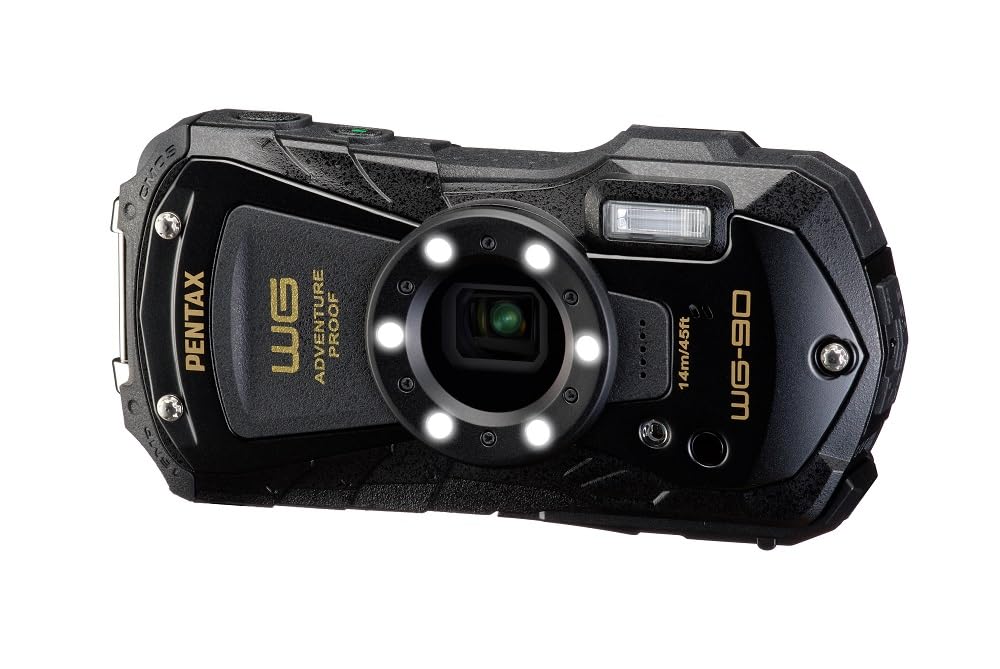


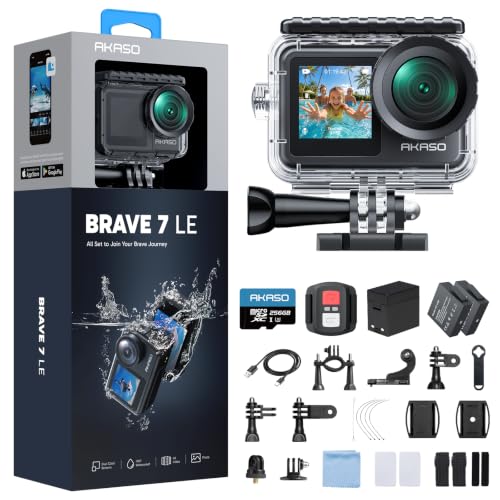

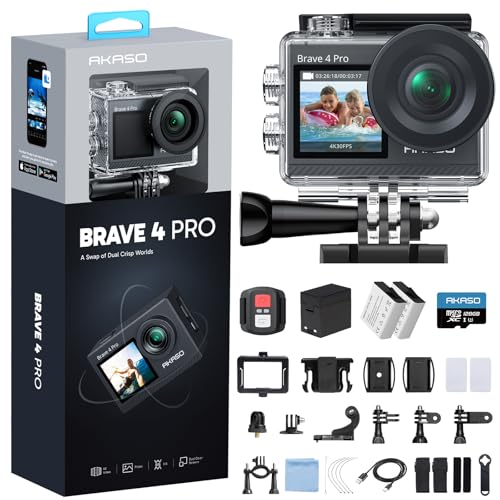
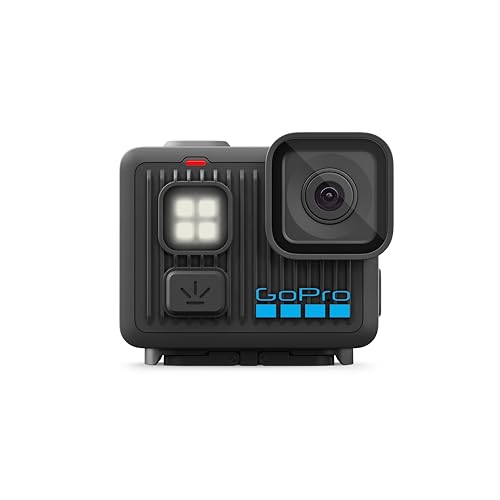
Who Should Buy Which Beginner Underwater Camera?
Beginner needs differ mainly by depth and by how much attention you can spare while swimming. Match your group first, then compare features.
Snorkelers and Pool Learners Who Stay Shallow
You stay near the surface, often in bright light, and you want to press one button and swim on. A sealed compact rated to about 33 to 50 feet covers snorkeling and pool use with margin to spare. Choose large buttons, a clear auto mode and a bright screen you can read through a mask. Skip housings for now, because simple handling builds confidence faster than extra settings.
Beach Travelers Who Want Simple Video
You split your time between sand, boats and short reef swims, and you share clips soon after each trip. Look for steady 4K video, a sealed body you can rinse under a tap, and quick transfer to your phone. A wide view helps when you film friends at close range. Pack a float strap, because a sinking camera is hard to spot in moving water.
New Divers Building Skills Below the Surface
You are training for dives past snorkel depth, so your camera must not demand attention that belongs on buoyancy and your dive buddy. Choose a model rated well beyond your planned depth, or a compact in a rated housing with controls you can reach with gloves on. Start with auto exposure and underwater color mode. Add lights and manual settings later, once holding position feels routine.
Key Features to Compare
Compare these factors in order. Depth and sealing come first, because no image feature matters if water gets inside.
Depth Rating and Sealing System
The depth rating tells you the deepest use the maker allows, and you should keep a clear margin below your planned depth. Sealed compacts carry their rating in the body, often about 33 to 100 feet, and need only clean seals and closed doors before entry. A camera in a separate housing can go deeper, but it adds bulk, cost and a seal check before every dive. For occasional snorkeling, a sealed body is calmer.
Controls, Screen and Underwater Modes
Underwater, you steer with cold or gloved fingers and read the screen through a mask, often in glare. Large raised buttons and short menus matter more than a thin body. Underwater modes adjust color for the blue cast that grows with depth, and a macro mode helps with small reef life at close range. Touch screens can falter when wet, so check that key actions also work on physical buttons.
Sensor Size and Lens View Underwater
A larger sensor, such as a 1 inch type in some compacts, gathers more light and holds detail better in dim water than a small sensor, and it costs more. Megapixels alone tell you little, because lens quality and sensor size shape the image more. Water narrows the view of a lens, so a wide starting view helps you frame reefs without backing into coral. Readers who shoot mostly on land can also see our guide to the best quality cameras for beginners.
Autofocus and Steady Handling in Current
Moving water pushes both you and your subject, so focus speed and steadiness decide how many shots stay sharp. Look for subject tracking that holds a swimmer without hunting, and image stabilization that smooths hand drift during video. A textured grip and a wrist lanyard help when a surge tugs at the camera. Burst shooting raises your hit rate with darting fish, but it fills cards quickly, so use short bursts.
Video, Battery Life and File Transfer
Most current models record 4K video, which gives you room to crop clips later, and higher frame rates smooth fast action. Cold water shortens battery life, so a rating near a full day of casual shooting matters more than a headline video mode. Plan on a spare battery and a large memory card. WiFi transfer saves time, but a card reader is still fastest for many clips.
What Each Price Tier Buys in a First Underwater Camera
Budget decides your camera type more than any single spec does. When you shop for best beginner underwater cameras by budget, spend first on depth and handling, then on image upgrades. If depth is your main filter, see our guide to the best underwater cameras beyond beginner models.
Entry Tier: Sealed Compacts for Shallow Days
At about $100 to $250, expect a sealed point and shoot compact with a modest sensor, basic video and a depth rating for pools and reefs. Controls stay simple, auto modes do most of the work, and the small body slips into a beach bag. Image quality dips as light fades, and there is no housing path for deeper dives. This tier suits snorkel trips and family pool days.
Middle Tier: Deeper Ratings and Cleaner Video
At about $250 to $450, cameras add larger sensors, stronger depth ratings, better screens and steadier video, and most beginners get lasting value here. Underwater color modes improve, buttons grow easier to use with gloves, and battery life stretches across a full day. You still shoot mostly in auto, but you gain manual options to learn with.
Upper Tier: Housings, Lights and Room to Grow
Above about $450, your money buys a housing rated for scuba depths, support for external lights and lenses, and richer manual control. The camera itself may resemble a middle tier model, but the system around it opens deeper and darker water. Choose this tier only if you already dive or have lessons booked, because unused accessories deliver no value in a drawer.
Long term costs sit outside the camera price. Budget for spare batteries, cards, a float strap and replacement seals for a housing.
Common Mistakes to Avoid
- Buying a camera rated only for splashes and taking it snorkeling leads to leaks and a dead camera.
- Opening a battery door with wet or sandy hands lets grit onto the seal and invites water inside.
- Chasing megapixels instead of sensor size leaves you with large files that look muddy in dim water.
- Shooting from far away wastes the clearest water, because distance underwater dulls color and contrast.
- Skipping a float strap turns one slippery grip into a camera lost on the bottom.
- Taking a new camera on a paid dive trip without a pool practice session wastes dives on menu hunting.
Care and Maintenance for Underwater Cameras
After every salt water outing, soak the closed camera or housing in fresh water for about 10 to 30 minutes, and press each button gently while it soaks to clear salt. Rinse again and dry it in shade. Never open a door or housing until the outside is fully dry, because one drop on a seal can travel inward.
Inspect seals before every use. Remove sand and hair with a soft brush, check the O ring for cracks, and apply only a thin film of the grease the maker specifies. Store the camera in a cool dry place, and replace worn seals rather than testing them on a dive.
FAQ
What makes underwater cameras for beginners different from regular underwater models?
Underwater cameras for beginners differ mainly in how little they ask of you during a swim. Menus stay short, auto color modes replace manual white balance work, and buttons stay large enough for gloved hands. Advanced models add raw files and manual control that slow a learner down. A beginner model also costs less to replace, which lowers stress on first trips.
What specs matter most for a first underwater camera?
Depth rating, seal type and button layout matter most for a first underwater camera. After those, look at screen brightness, because a dim screen is nearly useless in surface glare even when the sensor is strong. Check the weight with a float strap fitted too, since a heavy rig tires your wrist on long surface swims.
How deep can a beginner underwater camera go for snorkeling and first dives?
A beginner underwater camera for snorkeling should be rated to at least about 33 feet, even though most snorkeling happens in the top 10 feet. The margin protects the camera when a wave pushes you down or a friend dives with it briefly. For early scuba training, confirm the limit in the manual, not only on the box.
Which beginner underwater camera handles dim water better?
A beginner underwater camera with a larger sensor and a bright lens handles dim water better than one chosen for megapixels. Dim conditions include cloudy days, shaded wrecks and late afternoon reefs. Raise the sensitivity setting only as far as you must, because high settings add grain. Getting closer helps more than any setting, since water between you and the subject absorbs light.
Is a smartphone in a housing enough instead of a beginner underwater camera?
A smartphone in a rated housing can be enough for casual snorkeling clips, and its screen is larger than most compact screens. The risk is total loss of your phone if a seal fails, plus touch controls that respond poorly when wet. A dedicated camera keeps your phone safe on the boat and gives you physical buttons throughout the swim. Many housing apps also limit settings until you surface.
Wrapping Up
Decide by depth first, handling second and image quality third, and let your budget tier follow from those answers. A sealed compact serves shallow swimmers well, while new divers gain from deeper ratings and housing options. For land based practice, see our guide to the best digital cameras beginners use for everyday shooting skills.
Compare your shortlist in the product table above, pack the extras that protect the camera, and practice in a pool before your trip. Chosen that way, best beginner underwater cameras become simple tools for clear water photos.