Best Battery Cameras for Every Need in 2026: How to Pick the Right One
Disclosure: We may earn a commission when you buy through links on this page, at no extra cost to you. As an Amazon Associate I earn from qualifying purchases. Learn more

The best battery cameras match your routine: compare sensor size, lens, and charge life for travel, family photos, or video.
No single camera suits every routine, because a student snapping campus life, a traveler crossing three countries, and a parent filming a school play all ask different things from one battery. The best battery cameras for you are the ones whose size, lens, and charge life match the way you actually shoot, not the ones with the longest spec list.
This guide groups buyers by routine first, then walks through the features that change daily use. The product table lines up the main options side by side. Some readers also shop this category for a camera that watches a doorway or a pet while they are out, and the best battery security cameras are the types built for that job.
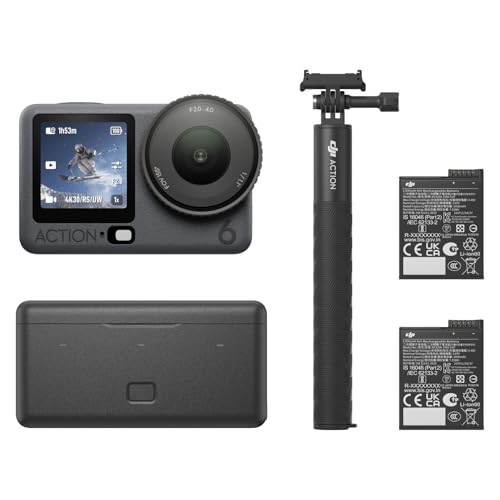

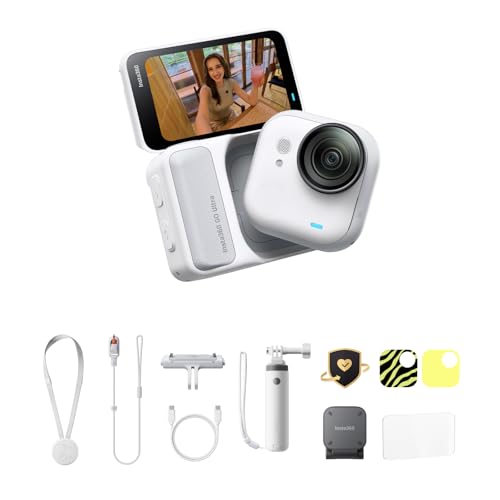
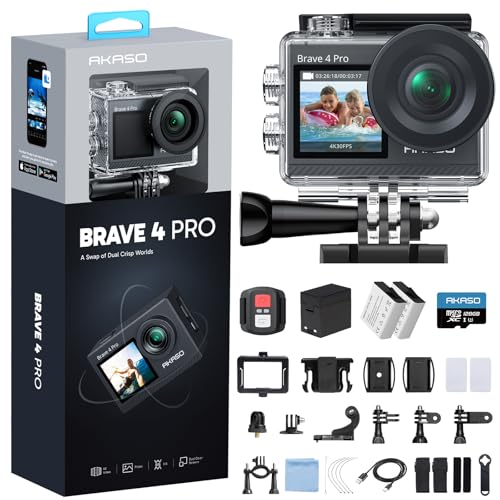

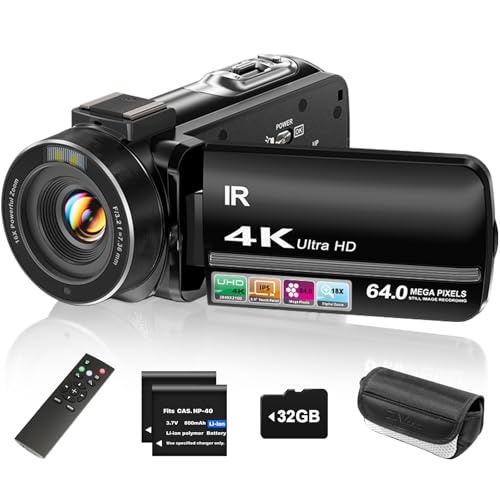
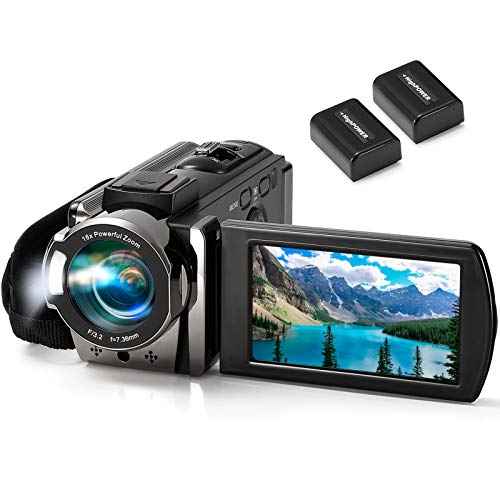
Who Should Choose the Best Battery Cameras?
For Students and Everyday Users
Students need a camera that survives a backpack, charges from the same cable as a phone, and costs little enough that a cracked screen is not a disaster. A compact with a fixed lens and a battery rated for about 300 shots per charge covers lectures, parties, and weekend trips. Simple auto modes matter more than manual dials at this level, and prices run about $150 to $350.
For Travelers and Commuters
Travelers feel every extra ounce by day three of a trip, so weight and pocket size come first. A slim compact or a small mirrorless body with a pancake lens keeps the kit under about a pound and a half. Look for USB C charging, because topping up from a power bank on a train beats hunting for a wall outlet, and a sealed body shrugs off dust and light rain.
For Vloggers and Content Creators
Creators shoot video as much as stills, so a flip screen you can see from the front, a microphone input, and steady autofocus that tracks a face matter more than raw megapixels. Battery drain runs far higher during 4K recording, so plan on a second battery from day one. Most capable creator kits land at about $500 to $900 once a spare battery and a fast card are added.
For Hobbyists Who Shoot Often
Frequent shooters outgrow full auto quickly and start wanting manual controls, a viewfinder, and lenses they can swap as their interests change. A mirrorless camera with an APS C or full frame sensor gives that room to grow, and larger batteries rated for 500 or more shots suit long days out. Expect about $700 to $1,500 for a body and one versatile zoom lens.
Key Features to Compare
Size, Weight, and Ergonomics
A camera you leave at home takes no photos at all, so honest sizing matters. A pocket compact at about 8 to 12 ounces goes everywhere, while a full frame body with a zoom can pass 2 pounds and needs a strap and a bag. Grip shape counts too, because a deep grip makes one handed shooting steadier, and buttons you can find by touch keep your eye on the subject.
Low Light Performance
Dim restaurants, evening streets, and indoor sports push a camera hard. A larger sensor gathers more light, so images stay cleaner at high ISO settings, and a lens with a wide maximum aperture such as f/1.8 lets in far more light than a kit zoom at f/5.6. If most of your photos happen after dark, sensor size and lens aperture should outrank every other spec on your list.
Autofocus and Stabilization
Fast, confident autofocus decides whether moving kids, pets, and cyclists come out sharp. Eye detection focus locks onto a face and holds it while the subject moves, which is the single biggest help for portraits and video. In body image stabilization, often shortened to IBIS, steadies handheld shots and smooths walking footage, and it pairs with lens stabilization for even slower safe shutter speeds.
Sensor Size and Image Quality
Sensor size shapes image quality more than megapixel count does. A 1 inch sensor is a clear step up from a phone, APS C sensors balance size and quality for most hobbyists, and full frame sensors give the cleanest low light files and the shallowest depth of field. Beyond about 24 megapixels, extra resolution mainly helps very large prints and heavy cropping, not everyday sharing.
Battery Life and Charging
Shot ratings follow a standard industry procedure and run optimistic, so treat about 300 shots as a light day and about 600 or more as a full day of heavy shooting. Cold weather can cut real capacity noticeably, and video drains a pack far faster than stills. Our guide to the best batteries for cameras explains ratings and storage, and wildlife shooters running unattended setups should also see the best batteries for trail cameras, because those cells face weeks outdoors rather than hours.
Common Mistakes to Avoid When Buying Battery Cameras
- Judging by megapixels alone, when sensor size and lens quality change your photos far more.
- Ignoring size and weight, then leaving the camera at home because it feels like a chore to carry.
- Buying a body only and forgetting the card, spare battery, and bag that make it usable.
- Skipping the warranty and return terms, which matter most on refurbished and imported stock.
- Paying for 4K video and fast burst rates you will never switch on.
Setup and Care Tips
Charge a new battery fully before the first outing, set the date and time so files sort correctly, and format the memory card in the camera rather than on a computer. Clean the lens with a soft lens cloth instead of your shirt, because grit in fabric scratches coatings. Carry a spare battery in a pocket on cold days so body heat keeps it ready, and store the camera in a dry, padded bag away from radiators and damp basements.
Frequently Asked Questions
Is a smartphone enough instead of a battery camera?
For quick snaps in good light, yes, a modern phone is genuinely hard to beat and it is always in your pocket. A dedicated camera pulls ahead when you need optical zoom, reliable autofocus on moving subjects, better low light files, or physical controls. If you shoot sports, wildlife, or lots of evening photos, the camera earns its place. If nearly everything you shoot is food and friends at arm's length, save your money.
What specs matter most for beginners buying a battery camera?
Start with sensor size, lens range, and battery life, because those three decide most of your results. A 1 inch or APS C sensor, a zoom covering wide to short telephoto, and a rating near 300 shots per charge make a forgiving first kit. Simple menus and a good auto mode matter more than manual dials at first. You can grow into advanced settings later without replacing the camera.
Which battery camera type is better for low light?
A larger sensor camera with a fast prime lens is the strongest low light choice, because the sensor gathers more light and an f/1.8 aperture lets in several times more light than a typical kit zoom. Compacts with 1 inch sensors do respectably in cafés and streets at night. Small sensor compacts struggle most after dark, so if evenings are your main shooting time, budget for sensor size before zoom range.
How much should I spend on my first battery camera?
About $250 to $500 buys a capable compact or an entry mirrorless kit that will not hold you back for years. Spending less often means a tiny sensor that barely beats your phone, while spending far more buys video features and build quality beginners rarely use yet. Keep roughly a fifth of your budget aside for a spare battery, a fast memory card, and a padded case, because those extras get used every single outing.
How long does a battery camera charge last in real use?
Most compacts deliver about 250 to 350 still photos per charge, and mid range mirrorless models reach about 400 to 600. Real life runs lower when you review photos often, shoot in cold weather, or record video, where one hour of 4K footage can empty a pack. Turning the screen brightness down and using the viewfinder where one is fitted stretches a charge noticeably on long days out.
Wrapping Up
Match the camera to your routine first, then weigh sensor size, lens, and battery life in that order. Look back at the product table above before you decide, and remember that the best battery cameras are simply the ones you will still be carrying, charged and ready, six months from now.