
Best B&W Printers 2026: Buying Guide
Disclosure: We may earn a commission when you buy through links on this page, at no extra cost to you. As an Amazon Associate I earn from qualifying purchases. Learn more

Learn how to choose a black and white printer, from print speed and running costs to duplex printing, connectivity, and home office use in this guide.
When you start shopping for best b&w printers, the choice can feel confusing, and a black and white printer earns its keep on running costs and reliability, since most home printing is text rather than photos. This guide explains the main types in plain language so you can compare them without needing technical knowledge.
The comparison table below gives a quick overview of the main printer types, and the sections that follow explain who each type suits, which features matter most, and how to avoid common buying mistakes. By the end, you should be able to match a model to your home, your routine, and your budget.
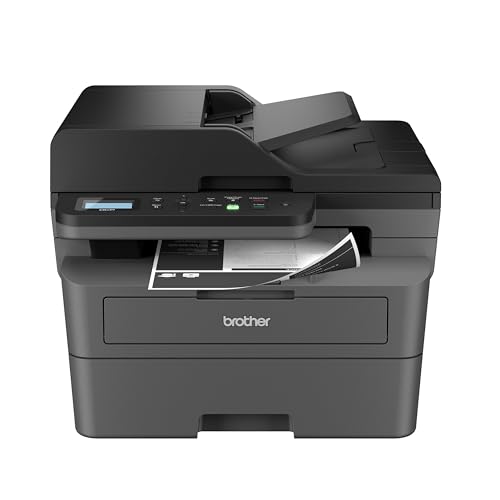


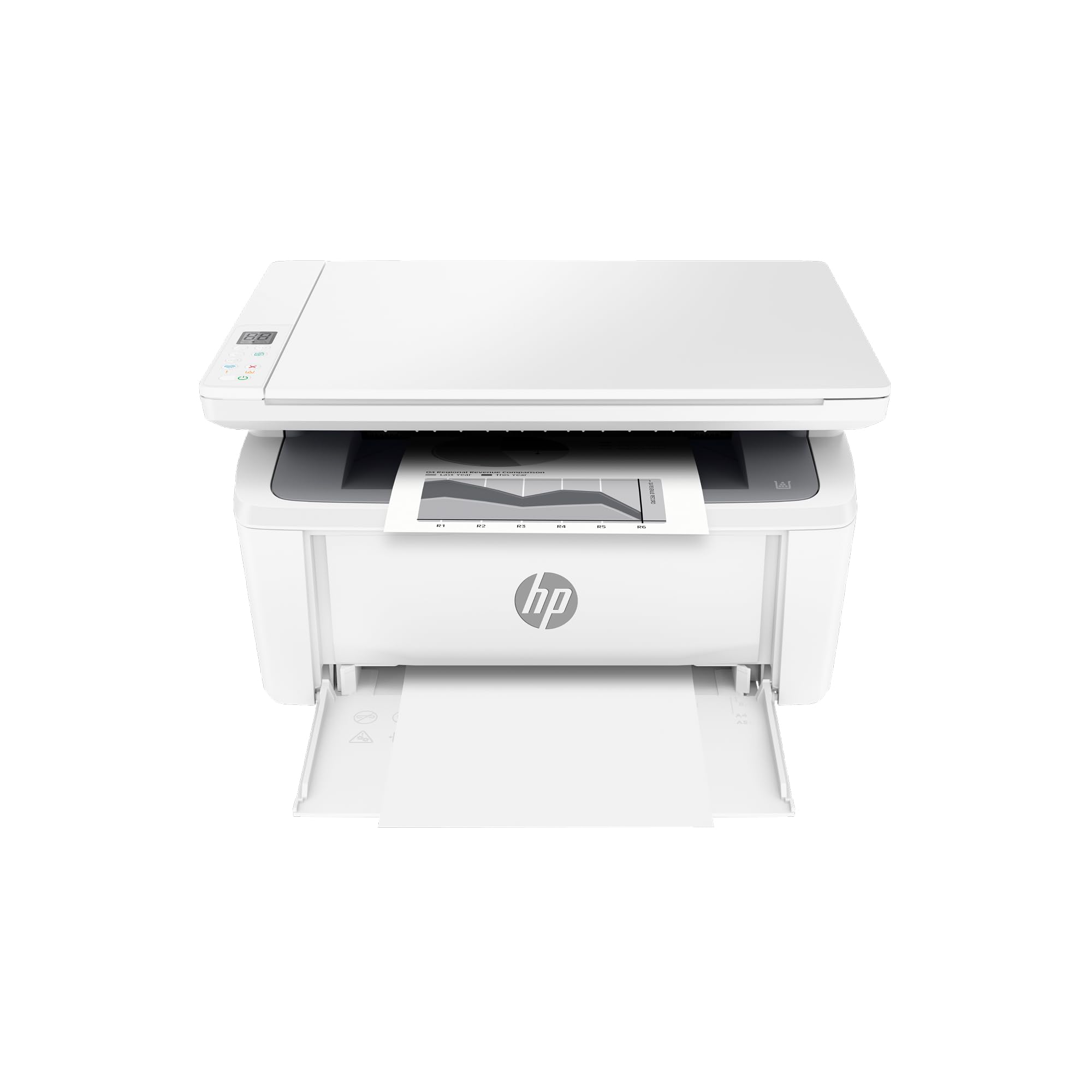
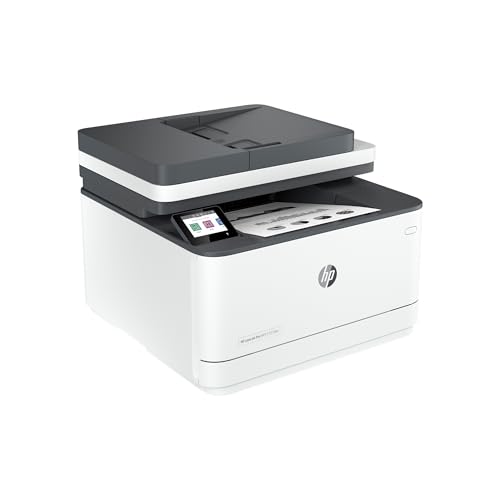
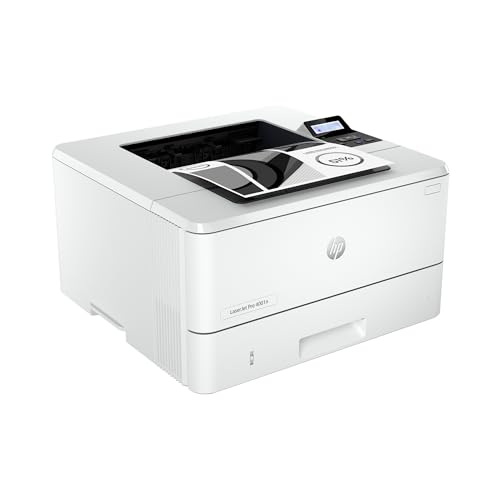
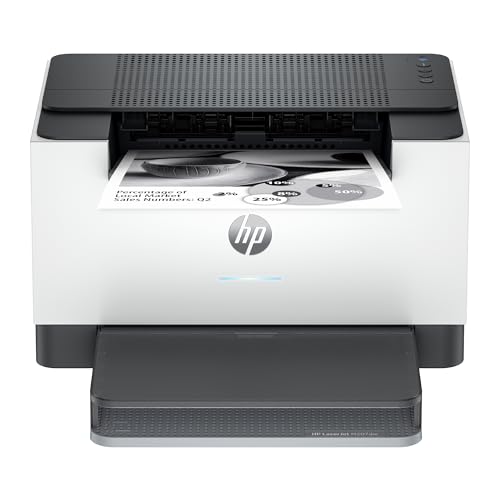

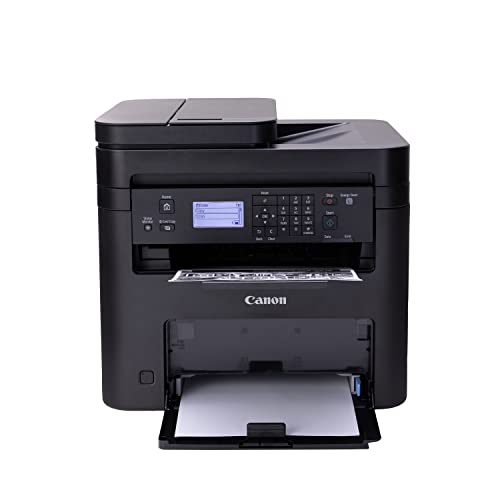
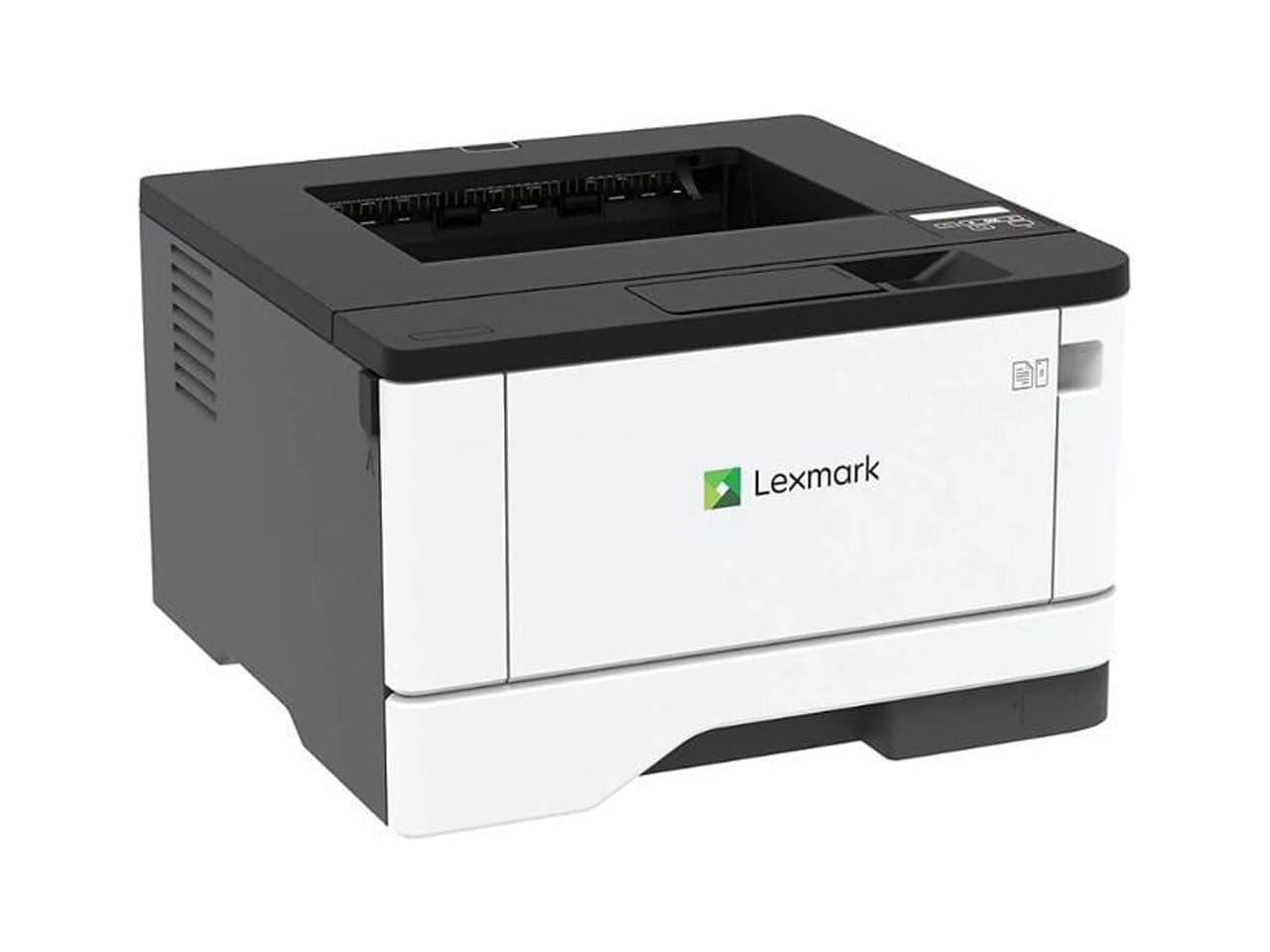
Price alone rarely tells the full story, since running costs, maintenance, and how well a model fits your space often matter more over time. Keep those factors in mind as you read, and note any feature that would change your daily routine for better or worse.
Types of Printers Compared
Different printer types suit different routines, so start by matching the type to how you will actually use it. The table below summarizes the main options, and each type is explained in more detail underneath.
| Type | Best For | Typical Price |
|---|---|---|
| Mono Laser Printers | Text heavy home offices | about $100 to $250 |
| Mono Inkjet Printers | Occasional home printing | about $60 to $150 |
| Multifunction Mono Printers | Scanning and copying needs | about $150 to $350 |
Mono Laser Printers
Mono laser printers print sharp text fast and cheap per page. They suit home offices, students, and anyone printing documents daily. Toner lasts far longer than ink, though the printer cannot print color at all.
Mono Inkjet Printers
Mono inkjet printers cost less upfront and suit light, occasional printing. They print text well, but ink can dry if unused for months, and cost per page is higher than laser for heavy use.
Multifunction Mono Printers
Multifunction models add scanning and copying to mono printing. They suit home offices that also digitize documents. Check scan quality and whether copying works without a computer connected.
For a wider comparison within this category, readers often also look at best b&w photo printers, best quality printers, best computer printers for home. Each guide covers a closely related option, so you can see how printer choices differ before settling on a type.
Who Should Buy Which Type
The right printer depends on who will use it and how often. The groups below cover the most common buyers, so find the one closest to your situation and note the features it prioritises.
Home Office Workers
Home office workers should prioritise print speed, duplex printing, and a paper tray that holds a full ream. A printer that jams often or needs constant refilling wastes more time than its price saves.
Students
Students should look at toner or ink costs over a semester, not just the printer price. A cheap printer with costly cartridges can exceed a laser printer total cost within a year of essay printing.
Small Households
Small households printing occasionally should favor a model that wakes reliably after weeks idle. Laser models handle idle periods better, since toner does not dry out like ink.
Key Features Explained
Marketing lists can hide what actually matters, so focus on the features below when comparing models. Each one affects daily use, running costs, or long term satisfaction in a direct way.
- Cost Per Page: Cost per page depends on cartridge yield and price, not printer price. Divide cartridge price by rated pages for a rough comparison, and remember real yields vary with coverage.
- Print Speed: Print speed is quoted for simple text pages. Real speed drops with complex documents, duplex printing, and warm up time, so treat quoted speeds as a best case guide.
- Duplex Printing: Automatic duplex printing saves paper and filing space. Manual duplex works but interrupts workflow, so automatic duplex is worth paying for if you print double sided often.
- Connectivity: Wireless printing, mobile apps, and USB options matter in a mixed device home. Check that the printer supports the devices you actually use, and that setup does not need constant troubleshooting.
Common Mistakes to Avoid
Buying on printer price alone ignores cartridge costs. Another mistake is choosing inkjet for heavy text volume. A third is placing the printer where paper absorbs damp, which causes jams.
Take time to measure, check compatibility, and read the manual before first use. A little preparation avoids most disappointments, and it also helps you spot a poor fit before the return window closes.
Care and Everyday Use
Keep the printer dust free, use dry paper stored flat, and run occasional test pages if the printer sits idle. Replace cartridges promptly when output fades, and recycle used cartridges where facilities exist.
Laser printers get hot internally and toner is a fine powder, so avoid opening hot parts and do not shake cartridges indoors. Unplug before clearing deep jams, and keep the printer ventilated.
Planning for Everyday Use
Estimate monthly pages honestly, then compare total cost including cartridges over two years. A printer matched to real volume beats a bargain model with expensive supplies.
Once you have shortlisted two or three models, compare them side by side on the features above rather than on headline claims. The product table above can help here, since it keeps the main types in view while you weigh trade offs.
Frequently Asked Questions
Is laser better than inkjet for black and white?
For text heavy printing, laser usually wins on speed, cost per page, and idle reliability. Inkjet suits occasional light use and lower upfront cost, but ink drying and higher per page costs add up with volume.
How long does toner last?
Toner cartridges often print one to three thousand pages, depending on coverage. Toner does not dry out, so a laser printer left idle for months usually prints cleanly on first use.
Do I need color at all?
If you never print photos or color charts, mono printing saves money and simplifies supplies. If color is needed even rarely, a color printer or a local print shop may be cheaper than owning two printers.
What causes faded or streaky text?
Low toner, a dirty drum, or low ink can all cause fading. Check levels first, run a cleaning cycle if offered, and inspect paper quality, since damp or dusty paper also degrades output.
Should I buy original or compatible cartridges?
Original cartridges offer predictable quality and warranty safety, while compatible ones cost less with variable results. For important documents, originals are safer, while compatibles may suit draft printing.
Final Thoughts
Choosing the right best b&w printers comes down to matching type, features, and budget to your real routine. Use the comparison table above as a starting point, check the details that matter for your situation, and favor a model you will actually enjoy using every day.

