Best Inkjet Printers: What to Look For Before You Buy
Disclosure: We may earn a commission when you buy through links on this page, at no extra cost to you. As an Amazon Associate I earn from qualifying purchases. Learn more

Your printer sits untouched for weeks, then the one day you actually need it, the ink has dried up or a page comes out streaky. That frustration usually traces back to picking the wrong printer for how you actually use it. Shopping for the best inkjet printers means weighing more than print speed or price tag; the cartridge system, the ongoing ink costs, and how the printer holds up between uses all matter just as much. This guide walks you through how cartridge and tank models differ, which features are worth prioritizing, what ink really costs over time, and how to keep a printer from clogging when it sits idle.
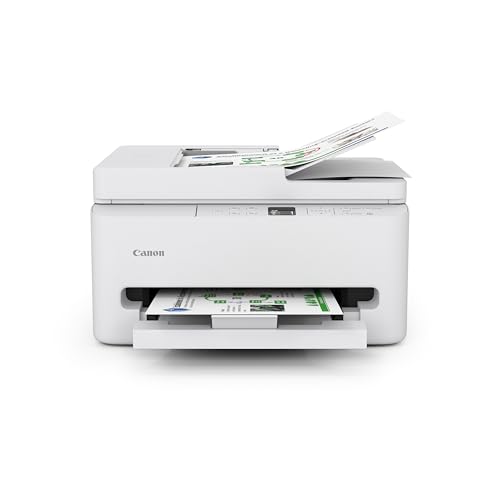
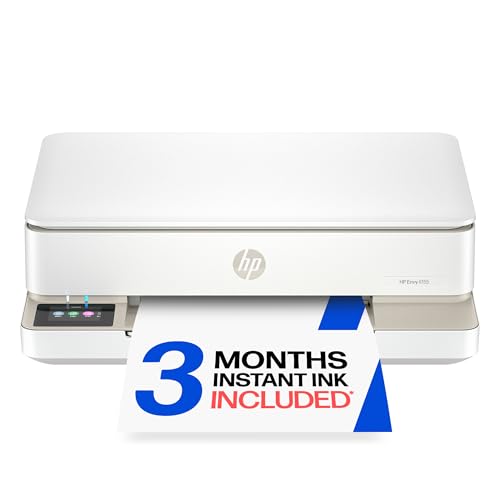
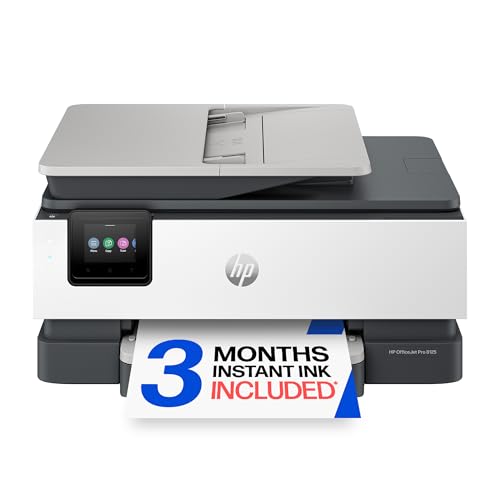
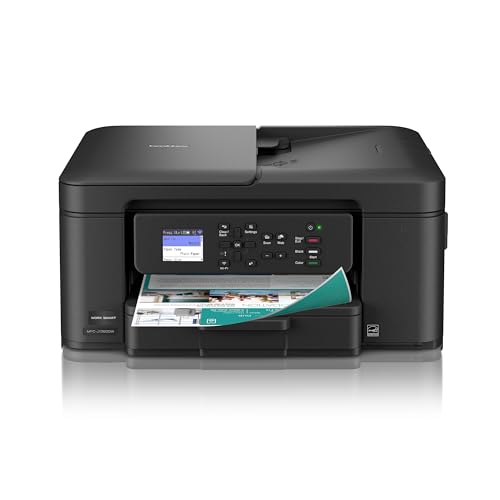
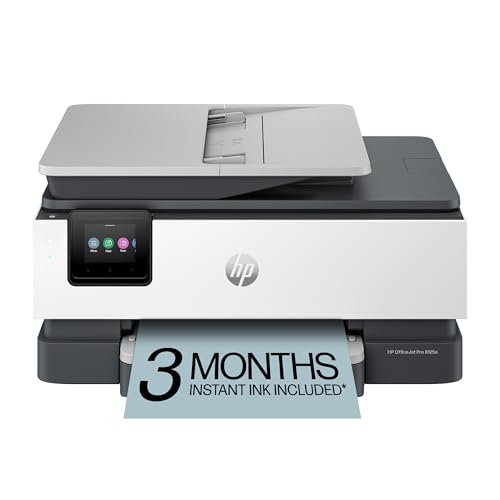
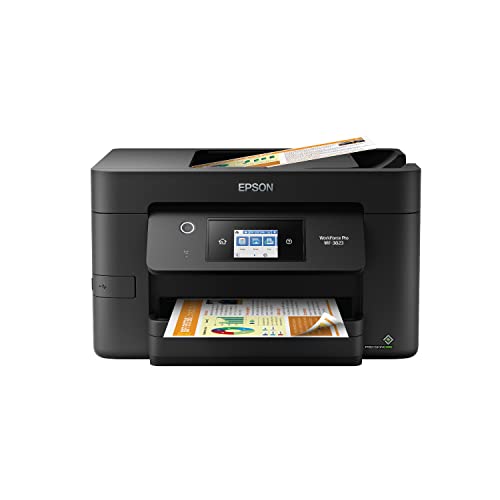
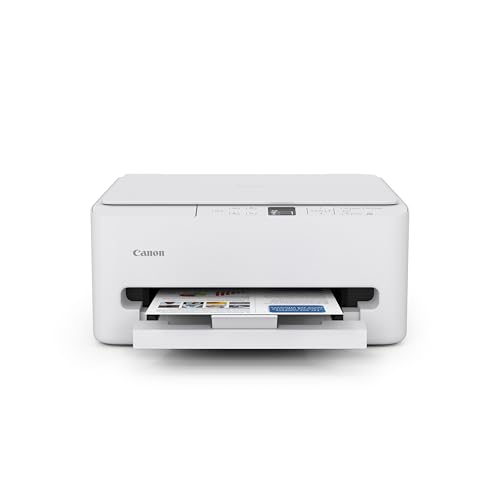
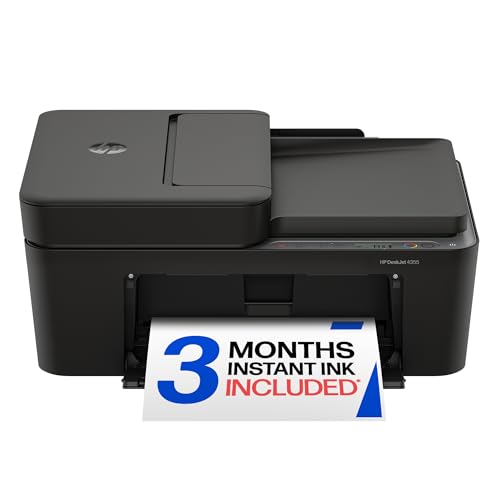
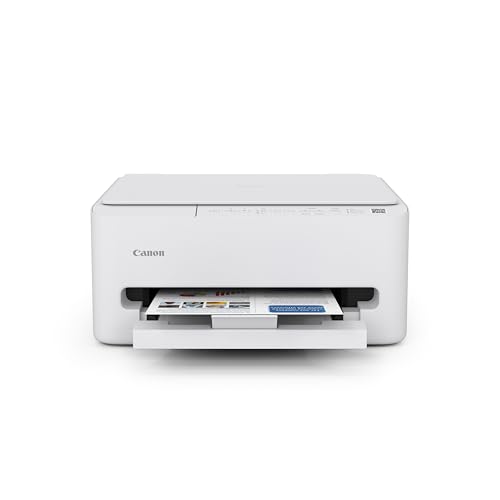
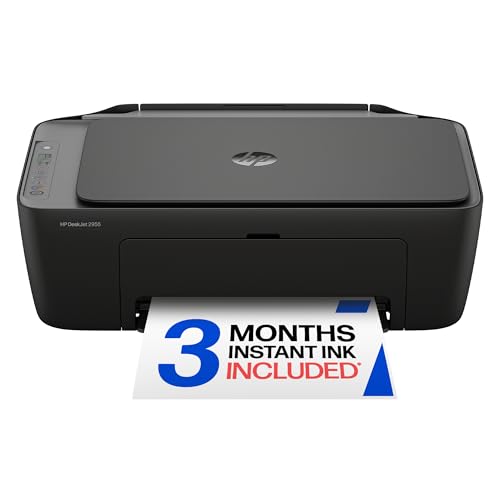
Cartridge Printers vs. Ink Tank Printers
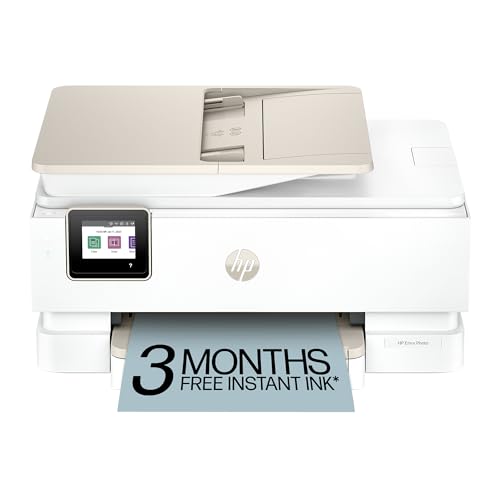
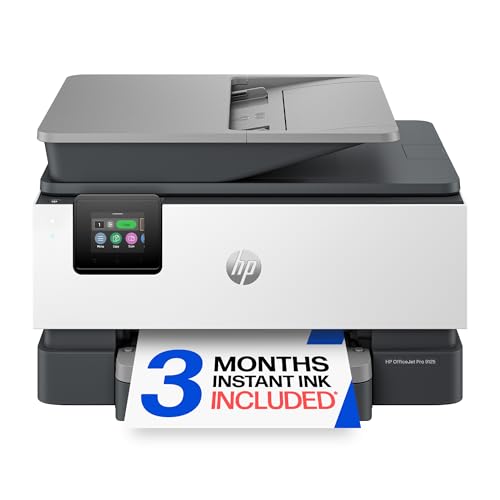
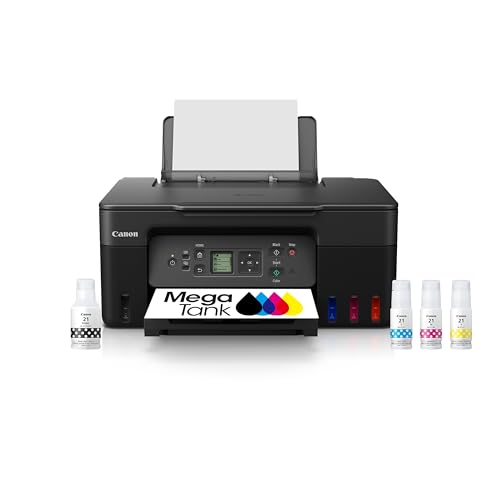
Nearly every option you'll come across when researching the best inkjet printers falls into one of two designs: traditional cartridge-based models or ink tank (sometimes called supertank) models. They both spray liquid ink onto the page, but the way they store and refill that ink changes the entire cost picture.
How Cartridge-Based Inkjets Work
Cartridge printers use small, sealed ink containers that snap into place and get swapped out once they're empty. They're usually the cheaper option upfront, which makes them appealing for light, occasional printing. The tradeoff shows up later: replacement cartridges are sold in small quantities and can be surprisingly expensive per page, especially for color printing.
How Ink Tank (Supertank) Printers Work
Tank printers use large refillable reservoirs that you top off with bottled ink instead of swapping cartridges. The upfront price is higher, sometimes noticeably so, but each bottle covers thousands of pages at a fraction of the cost per page. If you print often, in color, or in bulk, a tank printer usually pays for the price difference within the first year or two.
Key Features That Actually Matter in an Inkjet Printer
Once you've decided between cartridge and tank designs, the rest comes down to matching features to how you'll actually use the printer day to day.
Print Quality for Text, Color, and Photos
Inkjet technology handles color and fine detail well, which is why it remains the go-to choice for households that mix text documents with photos, artwork, or colorful projects. Text sharpness can vary between models, so if crisp document printing matters most, look for higher dots-per-inch ratings on black text specifically, not just overall print resolution. Pairing your printer with the right paper suited for everyday document printing also makes a noticeable difference in how sharp text looks on the page. For casual, occasional photo prints, a general-purpose inkjet is usually more than capable, but if photo printing will be your main use rather than an occasional one, a compact printer built specifically for photos may suit you better than an all-purpose inkjet.
All-in-One Functions vs. Print-Only
Many inkjet printers double as scanners and copiers, which can be worth the extra footprint if you occasionally need to digitize documents or make quick copies without a separate machine. If you only ever print, a print-only model is usually more compact and sometimes cheaper. If you're still narrowing down what kind of printer setup fits your household in general, our broader guide to choosing a home printer covers that decision in more depth.
Wireless and Mobile Printing Support
Wireless connectivity lets you print from a phone, tablet, or laptop without plugging in a cable, which matters more than people expect once they're used to it. Look for direct app support from the manufacturer, not just generic wireless capability, since that's what determines how smooth mobile printing actually feels. If printing on the go rather than from a fixed desk setup is your main need, a dedicated mobile printer built for portability might be a better fit than a standard inkjet.
Cost of Ownership: What You'll Really Pay for Ink
The sticker price on an inkjet printer rarely tells the whole story. Ink is where the real cost lives, and it can add up to more than the printer itself within a year or two of regular use. When comparing models, look at the estimated cost per page rather than the price of a single cartridge or bottle; a cheaper cartridge that yields fewer pages can end up costing more over time than a pricier one that lasts longer.
Color printing tends to cost noticeably more per page than black-and-white, since it draws from multiple ink reservoirs at once. If most of what you print is plain text, it's worth asking whether you need color capability at all. The best inkjet printers for mixed household use justify their ink costs by covering both color and text well, but if your printing is almost entirely black-and-white documents, a printer built specifically for mono text often runs cheaper to own long term.
Keeping an Inkjet Printer From Drying Out Between Uses
One of the most common complaints with inkjet printers has nothing to do with print quality and everything to do with how they behave when they sit idle. Ink dries and evaporates through the tiny nozzles in the printhead, and going more than a few weeks without printing is often enough to start clogging them, especially in a warm or dry room.
If you only print occasionally, it helps to run a short test page every couple of weeks just to keep ink flowing through the nozzles. Storing the printer somewhere with stable temperature and humidity also slows down how quickly ink dries out. Ink tank printers tend to be more forgiving here than cartridge models, since their nozzles and ink volumes are generally designed for more consistent flow, but no inkjet is entirely immune to clogging from long stretches of disuse.
Frequently Asked Questions
Is an inkjet or laser printer better for home use?
It depends on what you print most. Inkjets are generally better for color documents and photos, while laser printers are usually faster and cheaper per page for high volumes of plain text.
What are the downsides of inkjet printers?
Ink cartridges can be expensive relative to how many pages they yield, and the ink itself can dry out or clog the printhead if the printer isn't used regularly.
Are ink tank printers worth the higher price?
For anyone who prints often or in color, yes. The higher upfront cost is usually offset within a year or two by dramatically lower ink costs per page.
Can inkjet printers produce good quality photos?
Most inkjet printers handle casual photo printing well. If photos are your primary use rather than an occasional one, a dedicated photo printer will generally produce sharper, more consistent results.
How much does it cost to run an inkjet printer per year?
It varies widely based on how much you print and whether you use color, but ongoing ink costs can easily exceed the price of the printer itself within a year or two of regular use.
How long do ink cartridges last before they dry out?
An installed cartridge can start drying within a few weeks of no use, while a sealed, unopened cartridge typically lasts a couple of years if stored properly.
Making Your Decision
The right choice among the best inkjet printers comes down to how often you print, whether color matters, and how much ongoing ink cost you're willing to take on. Match the cartridge or tank system, the feature set, and the maintenance habits to your actual printing routine, and the printer will hold up far better than picking on price alone.