
Best Bass Speakers for PC 2026: A Complete Buying Guide
Disclosure: We may earn a commission when you buy through links on this page, at no extra cost to you. As an Amazon Associate I earn from qualifying purchases. Learn more

Deep, controlled bass for music, films and games: how to choose and set up the best bass speakers for PC at your desk.
The best bass speakers for pc should add depth and punch to music, films, and games without drowning dialogue or muddying mids. The right setup delivers tight, controlled bass that you feel as much as hear, while the wrong setup booms and tires your ears.
The comparison table below brings the main options together, so you can compare speaker types, subwoofer options, and desk fit at a glance. This guide explains bass quality, placement, and setup in plain language for PC users.

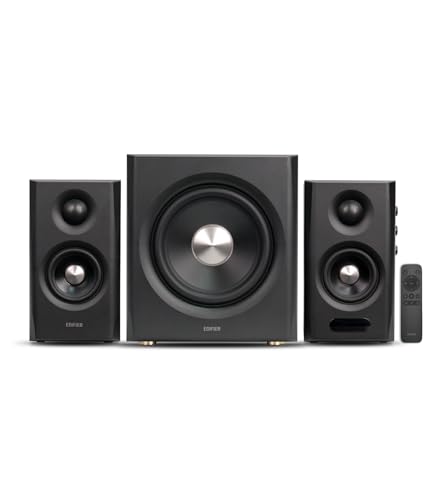
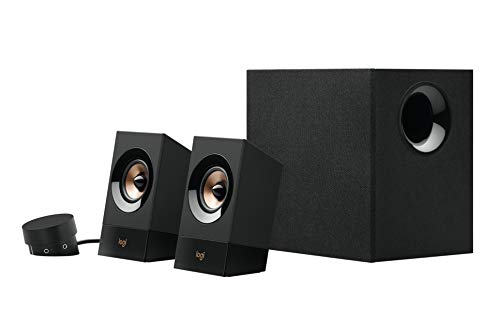

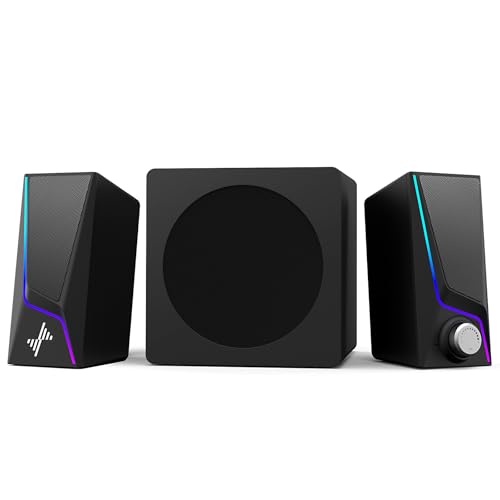

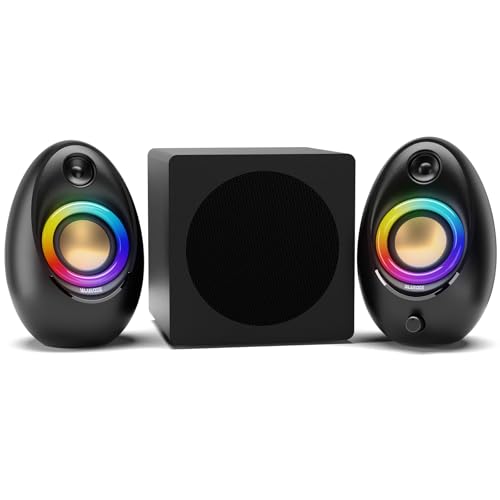
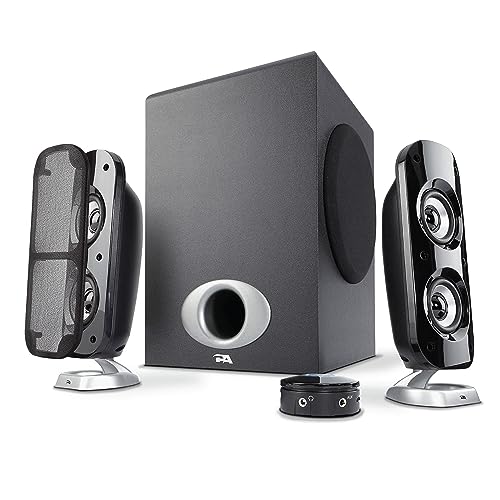
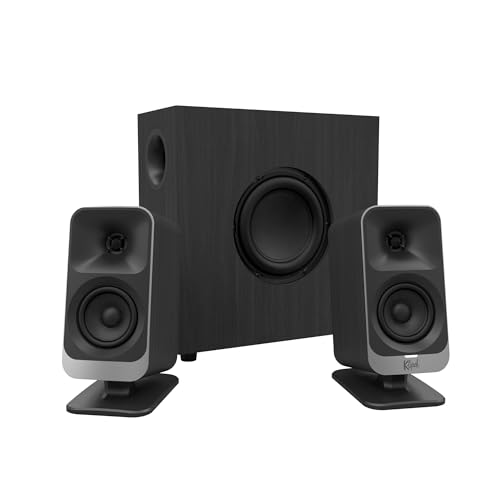
PC listening happens at a desk, often in a small room and at close range. That nearfield setting rewards different choices from living room systems, where distance and room size change bass behavior greatly.
Note your main PC audio uses before you shop. Music, films, games, and calls each reward different bass balances, and your mix should guide speaker and subwoofer choices.
Bass Quality: Depth, Control, and Balance
Good bass sounds deep and tight, with clear pitch and clean stops between notes. Boomy bass sounds loud but vague, blurring bass lines and film effects. Listen for definition, not only volume, when comparing speakers.
Speaker size shapes bass depth. Larger woofers and well tuned ports reach lower, while compact speakers may need a subwoofer for full depth. A subwoofer adds low end, but it needs careful volume and crossover tuning to blend with main speakers.
Balance matters most at a desk. Bass should support music and games without masking voices, footsteps, or dialogue. If you constantly adjust volume between quiet speech and loud effects, bass balance likely needs tuning, not more power.
Desk Placement and Room Setup
Place PC speakers at ear height, angled slightly toward you, with equal distance from your seat. Keep them away from walls and corners when possible, since corners boost bass unevenly and make small rooms sound boomy.
Subwoofer placement changes bass dramatically. Try the subwoofer near the desk, then move it a few feet and listen again, since small moves can smooth or worsen room peaks. Keep volume moderate during placement tests, so your ears judge tone rather than loudness.
A guide to best bass speakers covers bass speakers broadly, while best sounding pc speakers focuses on overall PC sound quality. For gaming, best pc speakers for gaming covers positional audio and effects, and best bass wireless speakers covers wireless bass options for flexible rooms.
Use isolation pads or stands when speakers sit on a resonant desk. Vibration transfer can muddy bass and rattle keyboards, while simple isolation improves clarity noticeably at low cost.
Connections, Controls, and Daily Use
Check connections for your PC, including analog, USB, optical, and Bluetooth options. USB and optical connections can reduce interference from PC electronics, while analog connections suit simple setups and older hardware.
Front accessible volume, bass, and treble controls help daily use, since PC volume settings alone rarely balance bass well. A headphone output and a mute control also help during calls and late night sessions.
Protect your hearing during long sessions. Bass heavy listening at high volume can fatigue ears, so take breaks and keep levels moderate.
Budget, Value, and Mistakes to Avoid
Prices for PC bass speakers range from about $50 for compact sets to $200 or more for speaker plus subwoofer systems. Midrange 2.1 systems often offer the best balance of depth, control, and desk fit for most PC users.
A common mistake is buying maximum bass power for a small room and then fighting boominess. Another is placing a subwoofer in a corner at high volume and blaming the speakers. Start with moderate volume and careful placement, then adjust.
Try familiar music, films, and games during the return window. Bass that impresses on one track may muddy another, so judge across genres and volumes before committing to a system.
A Final Check Before You Order
Try bass with dialogue heavy films as well as music. A system that thunders during action scenes but muddies speech fails daily use, while a balanced system handles both cleanly.
Adjust subwoofer crossover gradually, starting low and raising slowly until bass blends without a gap or boom. Small crossover changes alter blend dramatically, so patience during tuning pays off.
Check neighbor and housemate tolerance during evening tests. Bass travels through floors and walls, and a system tuned for daytime may disturb others at night. Keep a night preset with reduced bass for late sessions.
Use the equalizer in your operating system or speaker software to tame room peaks. Also check your PC audio settings: sample rate, enhancements, and spatial sound options sometimes add processing that muddies bass, so try them off first.
Consider your desk. A hollow desk amplifies vibration and muddies bass, while a solid desk, isolation pads, or speaker stands keep low notes clean. Keep cables tidy behind the desk so connections stay firm.
Frequently Asked Questions
Do I need a subwoofer for PC bass?
Not always, since larger PC speakers can deliver satisfying bass alone. A subwoofer helps with films, bass heavy music, and games that use deep effects, but it needs tuning to blend well. Start with speakers alone, then add a subwoofer if bass feels thin.
Why does my PC bass sound boomy?
Boominess often comes from corner placement, excessive subwoofer volume, or room resonance rather than speaker quality. Move speakers away from corners, lower subwoofer volume, and try different subwoofer positions. Small placement changes often fix boominess better than new hardware.
Should I choose 2.0 or 2.1 PC speakers?
Choose 2.0 speakers for music clarity, desk simplicity, and smaller rooms, since they avoid subwoofer tuning. Choose 2.1 systems for films, games, and bass heavy music, where a subwoofer adds depth. Your room size and listening mix should decide.
Can wireless bass speakers work well for PC?
Yes, for casual music and films, though wireless links can add latency that matters for gaming and video sync. Wired connections suit competitive gaming and precise audio work better. Check latency and connection stability before choosing wireless for PC use.
How loud should PC bass speakers be?
Loud enough for clear, enjoyable listening without fatigue, distortion, or neighbor disturbance. If bass distorts, rattles the desk, or leaves ears ringing, lower volume and check placement. Clean moderate bass sounds better than loud distorted bass.
Do I need room treatment for PC bass?
Full room treatment rarely suits PC desks, but simple steps help greatly. Rugs, curtains, and bookshelves soften reflections, while careful speaker and subwoofer placement tames bass peaks. Try placement and soft furnishings before investing in acoustic panels.
Do I need an external DAC for PC speakers?
Most PC users do not need an external DAC, since modern onboard audio and USB speaker connections sound clean for everyday listening. External DACs help when onboard audio hisses, hums, or lacks outputs you need. Try your current setup first, and add a DAC only when a real noise or connection problem appears.
Final Thoughts
The best bass speakers for pc should deliver deep, controlled bass that supports music, films, and games without masking detail. Placement and tuning matter as much as speaker size.
Use the product table above to compare speaker and subwoofer options, then test finalists at your desk with familiar content. The right setup makes everyday PC listening richer and more enjoyable.
