
Best Automatic Above Ground Pool Vacuums: Buying Guide for 2026
Disclosure: We may earn a commission when you buy through links on this page, at no extra cost to you. As an Amazon Associate I earn from qualifying purchases. Learn more
Compare robotic, suction and pressure cleaners, liner safety and cord length to choose the best automatic above ground pool vacuums.
An above ground pool stays fun only while the floor stays clean, and hand vacuuming eats the very weekends the pool was meant to save. An automatic cleaner takes over that routine work, moving across the floor and picking up dirt, sand, and leaves while you do other things. Choosing the best automatic above ground pool vacuums for your pool comes down to fit: cleaner type, pool size, wall shape, and how much effort you want to spend on care.
This guide explains the three cleaner families, the specs that actually change results, and the care habits that keep a cleaner working for seasons. You can scan the comparison table below first, then use the sections that follow to narrow your choice. No single style wins for every pool, so the goal is matching the machine to your water, your pump, and your debris.


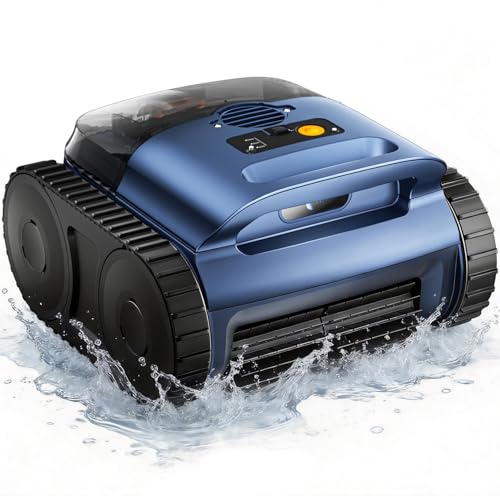
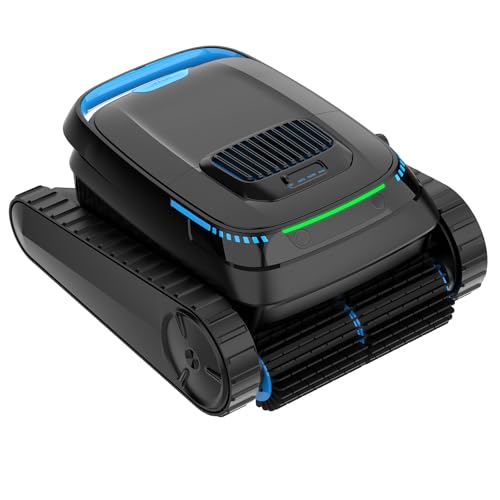
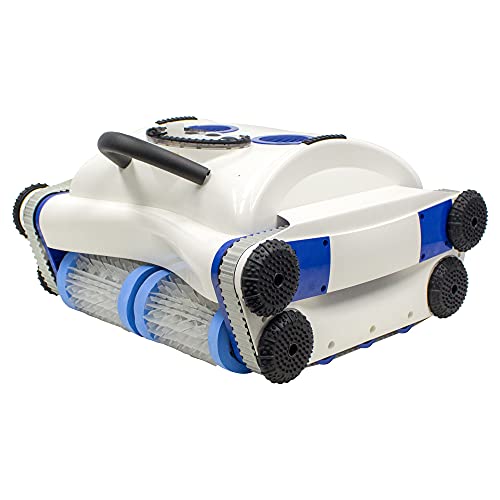

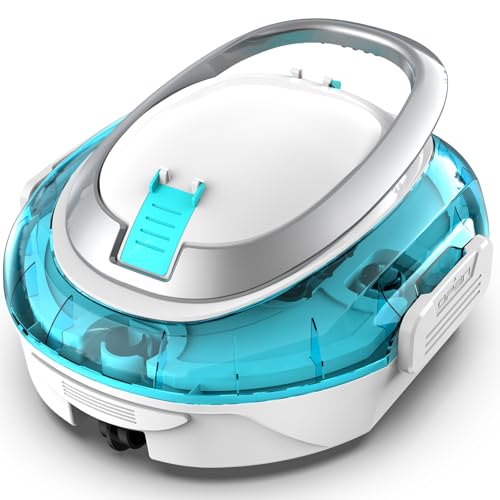

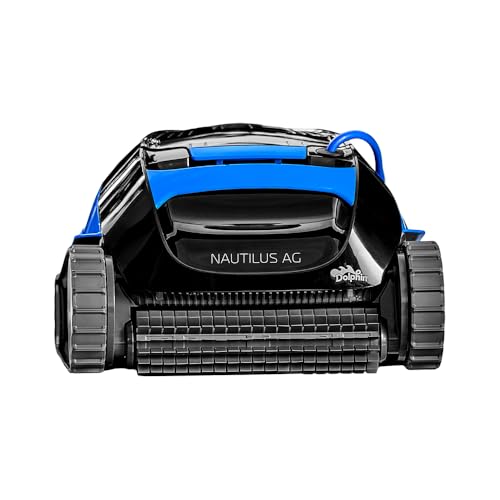
What Each Price Tier Delivers
Instead of chasing a single winner, it helps to know what each price tier usually gives you. Above ground models range from simple suction units at around $100 to cordless and robotic units at about $300 to $600 or more. The tiers below describe what that money generally buys, so you can judge any model in the product table above against the same yardstick.
The Overall Sweet Spot
The middle tier, often about $200 to $400, suits most family pools. Expect a cleaner with its own filter basket or cartridge, so debris does not all land in your pool filter. Navigation is smarter than random wandering, cycles finish in about one to two hours, and the unit handles gentle wall slopes. This tier usually gives the best balance of cleaning power, low effort, and price for pools up to about 24 feet round. It is the tier to start with if you swim several times a week.
The Value Tier
Budget models, often under $200, are usually suction side cleaners that borrow power from your existing pump. They cost less up front and have few parts to fail, which suits small pools and light debris such as sand and dust. The trade off is dependence on pump strength and a filter that collects what the cleaner picks up, so you will backwash or rinse more often. If your pump is small or your pool sits under trees, this tier can disappoint. For a calm, shaded little pool, though, it can be all you need. Compare this tier with our guide to the best pool vacuums for above ground pools for a wider view of manual and automatic options.
The Beginner Friendly Tier
For first time owners, a cordless robotic unit in the lower mid range is often the easiest start. You charge it, drop it in, and lift it out when the cycle ends, with no hoses to connect and no pump settings to learn. The limits are run time, usually about 60 to 90 minutes, and a smaller debris basket. That suits pools up to about 18 to 21 feet with regular use. If set up simplicity matters most to you, start here and upgrade later only if debris load demands it.
How to Choose the Best Automatic Above Ground Pool Vacuums: Buying Guide
Cleaner Type: Robotic, Suction, and Pressure
Robotic cleaners run on their own motor and filter, independent of your pump, so they scrub and collect debris in one pass. Suction side cleaners plug into the skimmer and use pump suction to move and vacuum, which keeps the price low but loads your filter. Pressure side cleaners use a return line jet to push the unit and stir debris into a bag, and some need a booster pump, which above ground pools rarely have. For most above ground setups, the real contest is robotic versus suction. Our guide to the best automatic pool cleaners for above ground pools covers that choice in more depth.
Wall and Waterline Climbing
Most above ground pools have walls that meet the floor at a soft cove rather than a sharp corner, and many cleaners are built for the floor only. A floor only model is fine if you brush the walls by hand once a week, which takes a few minutes. Models that climb partway up the wall help where algae film builds at the curve. True waterline scrubbing is uncommon and rarely needed in this pool type, since the wall above the cove is short and easy to brush. Do not pay extra for climbing claims unless the listing confirms it suits above ground walls and vinyl liners.
Cleaning Cycle and Navigation
Cycle length and movement pattern decide whether the floor ends up fully covered or just visited. Simple units wander and rely on time, which works in small round pools. Smarter units steer in planned arcs or reverse when they meet the wall at set angles, finishing faster with fewer missed patches. Scheduling and app control exist on some robotic models, but on an above ground pool a simple start button and auto stop are usually enough. Judge navigation by pool shape: oval and rectangular pools reward planned movement more than small round ones do.
Weight and Ease of Removal
You will lift this machine out of the water after every run or two, so weight matters more than brochures suggest. Most above ground models weigh about 12 to 25 lb dry, and they feel heavier when full of water. Look for a top handle, a quick drain, and a basket you can empty without shaking wet leaves everywhere. A storage caddy is rare at this level, so plan a shaded spot by the pool. If lifting is hard for you, a lighter suction cleaner that stays in the water longer may be the kinder choice.
Pool Type and Surface
Compatibility is the rule that outranks every feature. Confirm the cleaner is rated for above ground pools and for vinyl liners, because wheels and brushes meant for concrete can scuff or tear soft liner material. Soft brushes or smooth wheels are the liner safe pattern to look for. Note your pool shape and whether the floor has wrinkles or a deep center, since some small robots stall on steep dish shaped floors. If your pool came as a soft sided frame set, check the maker guidance on cleaner weight and suction strength before buying.
Cord Length, Cordless, and Swivel
A corded robotic cleaner needs a cable at least a few feet longer than your pool longest reach from the power supply, or it will stop short of the far wall. A swivel in the cable reduces tangling as the unit turns. Cordless models remove the cable question but add charging time and a fixed run window. Keep any power supply at the distance from water that its manual states, and plug it into a ground fault protected outlet. For a closer look at cordless designs, see our guide to the best above ground pool robotic vacuums and how their run times compare.
Types of Automatic Above Ground Pool Vacuums
Suction Side Cleaners
Suction side cleaners are the simple classics: a hose runs from the skimmer to a wandering vacuum head, and your pump does the work. They are light, low cost, and good at sand and small grit. Their weakness is leaf load and their reliance on a strong, clean filter. They suit small pools with modest debris and owners who already run the pump daily. Shoppers comparing names for this style will find overlap with our guide to the best above ground pool vacuum cleaners.
Pressure Side Cleaners
Pressure side cleaners use water returning to the pool to drive wheels and sweep debris into an attached bag. They do not load the main filter, and the bag handles leaves well. The catch is pressure: many above ground pumps cannot spare the flow, and some models expect a booster pump that this pool type seldom has. Treat this family as a niche option and confirm flow needs in writing before you buy. When the pump is strong, cleaning results can be very good.
Robotic Pool Cleaners
Robotic cleaners are self contained, with their own motor, pump, and filter basket or cartridge. You drop one in, press start, and retrieve it when the cycle ends. They scrub as they go, work regardless of your pool pump schedule, and keep debris out of your main filter. Costs run higher and batteries or cables need care, but effort per clean is the lowest of the three families. For many owners this is where the best automatic pool vacuums discussion leads once hose fuss gets old.
Care and Maintenance Tips
- Empty the filter basket after each cycle. A full basket cuts suction and flow, so a two minute rinse keeps the next run effective.
- Store robots out of direct sun. Heat and ultraviolet light age plastic, seals, and batteries, so shade or indoor storage extends service life.
- Keep water chemistry balanced. Balanced water protects the cleaner parts and the liner, and it stops algae from making floors slippery and hard to climb.
- Untangle the cable regularly. Lay corded cables straight in the sun for an hour now and then so coils relax and the swivel can do its job.
- Rinse after heavy use. A plain water rinse removes chlorine and grit from brushes and wheels before storage.
- Respect electrical safety. Keep power supplies dry and away from the water edge, use a ground fault protected outlet, and never let anyone swim while a corded cleaner is running.
Automatic Above Ground Pool Vacuums: Your Questions Answered
Can I leave a robotic cleaner in the pool?
You can leave one in for a day or so, but makers advise taking it out between cleaning days. Constant soaking in chlorinated water ages seals, plastic, and battery packs, and a resting cleaner can sit against the liner in one spot. A good routine is to run it, lift it out, rinse it, and store it in shade. If you run it daily in peak season, at least lift it out a few times a week for a full dry off.
How long should a pool cleaner run?
Most pools need about one to three hours of automatic cleaning, two or three times a week. A full cycle on a robotic model usually covers that in one run. Suction models clean while the pump runs, so tie their time to your normal filtration hours. After storms or heavy use, add an extra run. If the floor still shows dirt lanes after a full cycle, check the basket and filter first, because a clogged path, not time, is the usual cause.
Which cleaner is best for leaves?
For leaves, choose a cleaner with a large intake and a roomy basket or bag, which usually means a robotic model or a pressure side unit. Fine suction heads clog on big leaf loads unless you skim first. A leaf canister fitted in the hose line is a smart add on for suction setups under trees. In heavy leaf season, a quick surface skim before the run keeps any cleaner from spending its whole cycle choking on the first pile.
Are robotic pool cleaners worth it?
For most above ground owners, yes, once you value your time and filter health. A robot cleans on its own schedule, keeps debris out of the main filter, and brushes the floor as it travels. The value case weakens for very small pools that a suction unit handles for far less money, or for pools used only a few weekends a year. If you swim weekly and dread the hose routine, the robot pays you back in reclaimed Saturday mornings.
The Bottom Line
Match the cleaner to your pool first: liner safe design, the right reach for your pool size, and a type your pump or your patience can support. Then weigh basket size and weight, because you handle both every single run. The best automatic above ground pool vacuums choice is the one that fits your water and gets used without a fight. Look back at the product table above, check your pool measurements once more, and pick the tier that matches your debris and your routine.

