Best Above Ground Pool Robotic Vacuums: Buying Guide for 2026
Disclosure: We may earn a commission when you buy through links on this page, at no extra cost to you. As an Amazon Associate I earn from qualifying purchases. Learn more
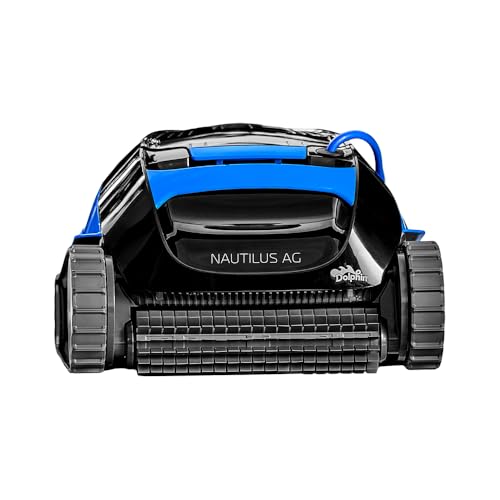
Compare the best above ground pool robotic vacuums by cleaning power, runtime, filtration and price tier with a clear buying guide and checklist.
A robotic cleaner promises to scrub your pool floor while you do something better with your afternoon, but above ground pools ask more questions than most. Soft vinyl floors, smaller pumps, and pools that come down or get covered in winter all shape which robot actually works. This guide explains how to judge the best above ground pool robotic vacuums by cleaning power, runtime, and care, without naming specific models.
You will see what each price tier usually delivers, which features matter for vinyl, and the safety habits that protect both swimmers and the cleaner. Start with the comparison table below, then use the buying guide to match a robot to your pool size and debris.


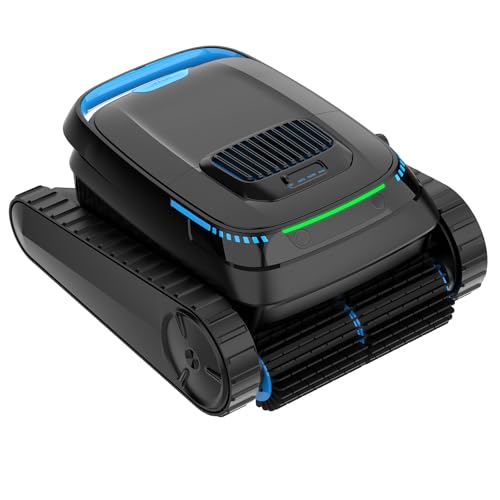
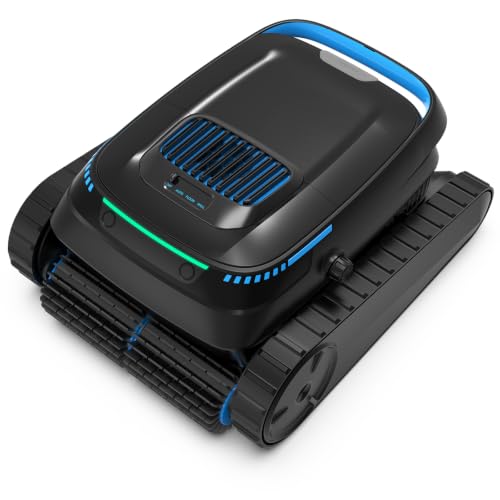
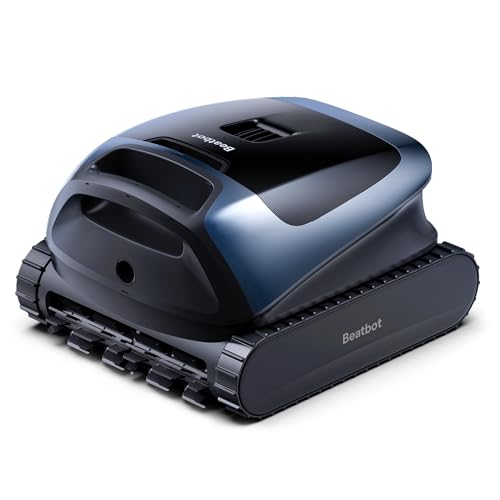
What Each Price Tier Usually Delivers
Instead of chasing names, shop by tier. Each level below describes the bundle of runtime, filtration, and floor care you can reasonably expect for the money, and the buyer it suits.
Best Overall
The balanced tier, usually around $250 to $450, is where most above ground owners should aim. Expect a full floor clean in about 60 to 90 minutes, a filter basket or cartridge that traps fine grit as well as leaves, and brushes gentle enough for vinyl. Runtime covers pools up to about 30 feet across, and the unit is light enough to lift out one handed by its handle.
The limit at this tier is wall work: many models clean the floor and the lower curve only, which is fine for most above ground shapes. If a cleaner in this range also offers a waterline cycle and a weekly timer, it covers nearly every routine job a family pool creates.
Best Value
Value models, often about $120 to $250, focus on the floor and keep controls simple: one button, one cycle, and a debris basket you rinse with a hose. Suction is usually enough for sand, small leaves, and insects, and the lighter body is easy to store beside the pool. For pools up to about 24 feet, that covers the weekly clean most owners need.
You give up fine filtration, longer runtime, and smart navigation, so the robot may wander and need a second run after a storm. That trade is fair if your pool sits away from trees and you skim the surface by hand anyway. Value tiers reward calm pools and punish messy ones.
Best Upgrade Pick
Upgrade models, roughly $450 to $800, add longer runtime, finer filtration, stronger floor grip, and navigation that maps the pool instead of bouncing off walls. Some climb partway up walls, carry larger baskets that hold a storm worth of leaves, and run on schedules you set once. Bodies are heavier and replacement filters cost more, so the upgrade pays off only when cleaning time or debris volume is a real burden.
Choose this tier for pools near trees, seasons with heavy pollen, or owners who cannot lift lighter units often and want each run to count. If your pool is small and sheltered, the balanced tier cleans just as well and leaves money for a better cover.
How to Choose the Best Above Ground Pool Robotic Vacuums: Buying Guide
Cleaner Type and Pool Fit
All robotic cleaners carry their own motor and filter, so they work independently of your pool pump, unlike suction side cleaners that slow down when the main filter clogs. Within robots, corded models run as long as you let them and suit big pools, while cordless models trade runtime for simple handling. Confirm the maker rates the unit for above ground pools, because some designs assume a hard in ground floor and grip too aggressively for vinyl.
Pool shape matters as well. Round and oval above ground pools suit most robots, while sharp corners and steep cove curves trap budget models. If you are still comparing cleaner styles generally, our guide to the best pool vacuums for above ground pools covers manual and suction options too.
Weight and Maneuverability
You lift this machine out of the water after every run, and a robot full of water weighs far more than its dry listing suggests. Most owners handle about 10 to 20 lb comfortably; above that, look for a quick drain design that sheds water as you lift, and a handle you can grip with wet hands. A caddy helps storage but adds cost and space.
Maneuverability in the water depends on wheel or track grip and how the unit turns at the wall. Models that pivot cleanly waste less runtime circling one spot. In a small pool, a compact body with a shorter cycle often finishes sooner than a large robot built for in ground pools.
Filtration
Robots filter in two stages: a basket or canister catches leaves and bugs, and finer media catches sand, pollen, and the grit that clouds water. Basket only models are easiest to rinse but let fine dirt pass back into the pool. Cartridge or fine mesh options trap more, at the cost of slower rinsing and replacement media every season or two.
Match filtration to your dirt. Pools under trees need basket capacity first, while pools in open windy yards need fine filtration for dust and pollen. A useful habit is to rinse the filter after every run; a clogged filter cuts suction sharply and makes even a strong motor look weak.
Floor Types and Wall Coverage
Above ground pools rest on vinyl liners over sand or foam, so brushes and tracks must scrub without digging in. Soft brushes and smooth wheels are the safe default, and any model that warns against liner use should be off your list. Wrinkles in the liner can stall light robots, so smooth out major wrinkles during setup each season.
Wall coverage is limited by design: the curved cove where floor meets wall stops many robots, and most above ground owners should expect floor cleaning plus a short climb at best. Plan on brushing the waterline by hand weekly. That small job also lets you spot algae early, before it spreads across the floor.
Cleaning Power and Runtime
Makers quote flow rate and cycle time rather than household vacuum numbers, so compare those two figures together. A runtime of about 60 to 90 minutes suits most above ground pools; very large ovals may need 120 minutes or a second run. Strong flow helps with sand and acorns, but pattern coverage decides whether that power reaches every corner.
Battery models list runtime per charge and recharge time, and a robot that needs four hours to recharge after a one hour run shapes your weekly routine. Corded models avoid that wait but add cable management. Either way, a cleaner that finishes in one pass saves more time than a slightly stronger one that needs two.
Noise and Maintenance
Robots are quiet in the water, so upkeep, not noise, is the real running cost. Budget for filter media, a brush replacement every few seasons, and cord or battery care. Rinse the unit with fresh water after use, store it out of direct sun, and keep the cable loosely coiled so it does not develop a permanent twist that tangles during runs.
Safety is part of maintenance too. Keep the power supply at least several feet from the pool edge and dry, never let anyone swim while the robot is running, and lift the unit by its handle, never by the cable. Those habits protect the cleaner, the liner, and your family at the same time.
Types of Above Ground Pool Robotic Vacuums
Corded Robotic Cleaners
Corded models draw power through a floating cable from a supply box on the deck. They run long cycles, suit larger pools, and never stop mid clean for a charge. The cable can tangle and needs untwisting now and then. Choose corded if your pool is big, your debris load is heavy, or you dislike planning around charge times.
Cordless Robotic Cleaners
Cordless models run on a rechargeable battery, drop in with no cable at all, and are the simplest to handle for small and medium pools. Runtime caps at roughly 60 to 120 minutes, and the battery slowly loses capacity over the years. Choose cordless if setup speed matters most and your pool fits inside one charge. Our guide to the best automatic above ground pool vacuums compares cordless and corded routines in more depth.
Handheld and Spot Cleaners
Handheld rechargeable cleaners are not full robots, but they pair well with one. They spot clean steps, corners, and the debris a robot missed, and they handle a quick tidy before guests arrive. Suction is modest and the tank is small. Choose one as a partner tool, not your main cleaner, unless your pool is a small splash pool you can finish in minutes.
Choosing a Cleaner for Your Situation
Best Above Ground Vinyl Pool Robotic Vacuums
For vinyl, the best above ground vinyl pool robotic vacuums share three traits: soft brushes that scrub without scuffing, smooth wheels or gentle tracks that never dig at seams, and weight low enough that the unit glides instead of grinding across the floor. Avoid any model the maker limits to concrete or tile. A floor only cycle is usually safer for liner pools than aggressive wall climbing, which can stress the cove area where liners tear most often.
Tips to Get the Most From Your Above Ground Pool Robotic Vacuum
- Skim and scoop large debris first after storms, so the robot spends its runtime on grit instead of a basket full of branches.
- Rinse the basket or cartridge after every run, because a clogged filter is the most common cause of weak cleaning.
- Run the cleaner when the water is balanced and the pump has circulated, so loose dirt settles on the floor where the robot can reach it; a healthy pump matters here, as our guide to the best above ground pool pumps explains.
- Brush the waterline and cove curve by hand once a week, since most robots clean floors best and only partly climb.
- Store the robot shaded and dry between runs, and never leave it sitting in the pool for days, which ages seals and cable.
- Check the liner for sharp objects before each run, because a robot rolling over a stone can press it into the vinyl.
Frequently Asked Questions
Are cordless robotic pool vacuums strong enough?
Yes, for most above ground pools a cordless robot has enough power for sand, leaves, and bugs in a single run. Its limit is time, not strength: runtime ends the job, so a large or very dirty pool may need a second charge. If your pool sits under trees, a corded model or a midday recharge routine will serve you better.
Is fine filtration necessary in a pool robot?
Fine filtration is necessary if your pool clouds with dust, pollen, or fine sand that a basket alone passes through. It is less vital where debris is mostly leaves and insects, which a basket catches well. Many owners compromise: run the basket for routine cleans and fit the fine cartridge after storms or during pollen season, when the water needs the extra polish.
How often should I clean or replace the filter?
Rinse the filter after every run; it takes two minutes and restores full suction. Replace cartridges or fine media when rinsing no longer brings back the flow, often after one or two seasons of regular use. Baskets last longer but crack at the clips eventually. A spare filter set lets one dry fully while the other works, which also slows mildew smells in storage.
What type of above ground pool robotic vacuum is best for my pool?
The best type is the one matched to your pool size, liner, and debris: cordless for small sheltered pools, corded for large or leafy ones, and a handheld as a spot cleaning partner. Start with floor size and runtime, then check vinyl safety, then filtration. If two models still tie, choose the lighter one, because you will lift it hundreds of times. Our guide to the best rated above ground pool cleaners shows how owners weigh those same trade offs.
Our Verdict
For most above ground pools, the balanced tier wins: one full floor cycle, filtration fine enough for grit, and a body light enough to lift without dread. Add cordless handling if your pool is small, or corded endurance if leaves rule your yard. Whatever you choose, rinse the filter every run and keep swimmers out while it works.
Judged that way, the best above ground pool robotic vacuums are simply the ones whose runtime, brushes, and filter match your water. Compare your shortlist against the product table above, confirm vinyl safety on the box, and enjoy a pool floor that stays clean between swims.