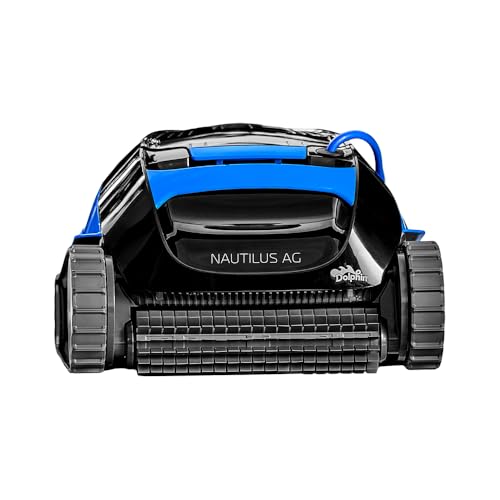
Best Auto Pool Vacuums 2026 Buying Guide
Disclosure: We may earn a commission when you buy through links on this page, at no extra cost to you. As an Amazon Associate I earn from qualifying purchases. Learn more

Compare suction, pressure and robotic cleaners to find the best auto pool vacuums for your pool shape, surface and debris.
Choosing the best auto pool vacuums starts with your pool type, size, and how much debris it collects. Automatic cleaners save hours of manual vacuuming by roaming the floor and walls on their own, but different designs suit different pools. A suction cleaner works with your existing pump, while a robotic cleaner runs independently with its own filter.
The comparison table below compares the main types, and this guide explains coverage, debris handling, and running costs. Read it before buying, so the cleaner matches your pool rather than fighting its shape or surface.


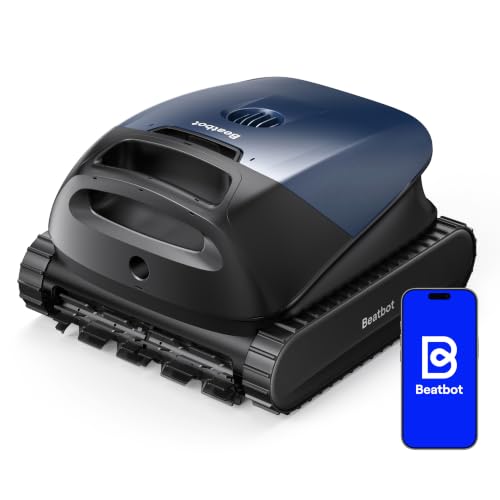
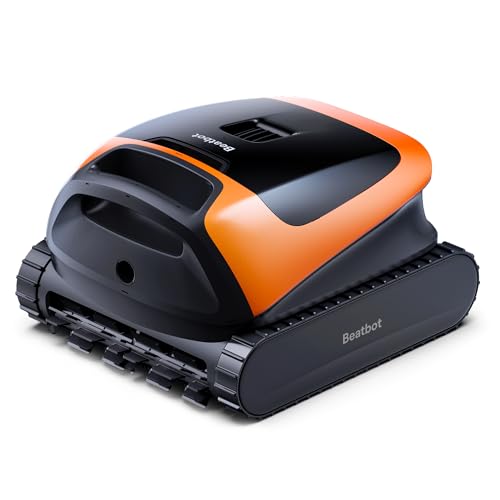
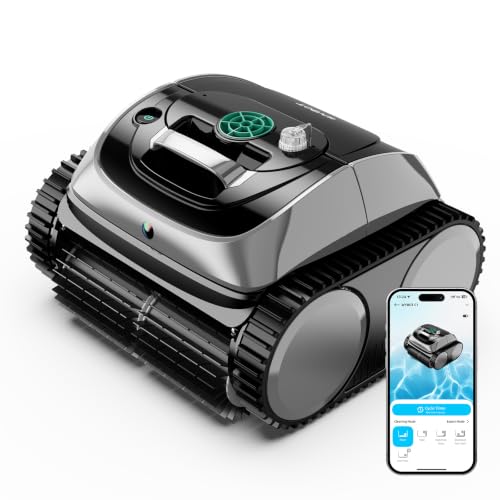
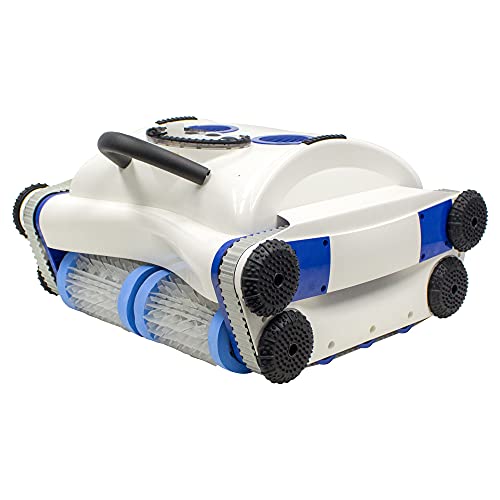
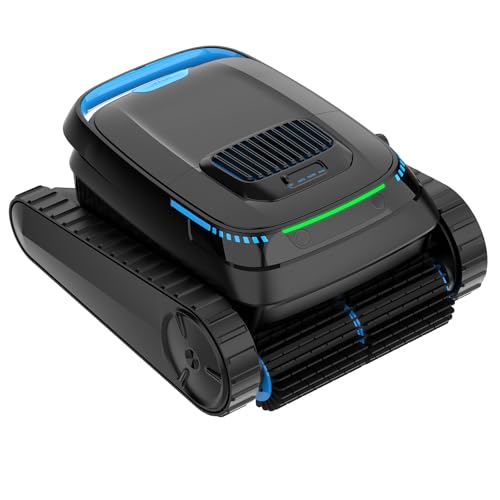
Suction, Pressure, and Robotic Cleaners
Suction cleaners attach to the skimmer or a dedicated suction line and use the pool pump to move and collect debris. They are usually the cheapest option and have few moving parts, but they depend on pump power and can miss fine dirt. They suit smaller pools with light debris.
Pressure cleaners use a booster pump to drive themselves and collect debris in a bag, which keeps the main filter cleaner. Robotic cleaners carry their own motor and filter, clean walls and waterlines, and run on a timer without the pool pump. Robots cost more upfront but clean more thoroughly and use less pump energy.
Pool Shape, Surface, and Coverage
Pool shape affects coverage more than brand does. Rectangular pools are easy for most cleaners, while freeform pools with curves and steps need a cleaner that turns well. Check whether the cleaner climbs walls and scrubs the waterline, since algae often grows there first.
Surface type matters too: vinyl liners need gentle brushes, while concrete and fibreglass tolerate firmer scrubbing. A cleaner with adjustable brushes or wheels suits mixed surfaces. If your pool has a deep end, confirm the cable or hose length reaches it without strain.
Debris Types: Leaves, Sand, and Fine Dirt
Leafy pools need a large debris bag or canister, since a small filter clogs quickly and stops cleaning. Sandy pools need fine filtration to catch grit that clouds water. If your pool sits under trees, prioritise debris capacity over fancy navigation features.
Fine dirt and algae need a fine filter cartridge rather than a coarse bag. Some robotic cleaners offer interchangeable filters for coarse and fine debris, which is useful across seasons. Empty the filter after each run, since a full filter reduces suction and cleaning quality.
Running Costs and Energy Use
Suction and pressure cleaners add load to the pool pump, which raises electricity use during cleaning cycles. Robotic cleaners use their own low power motor and often cost less to run per clean, even though they cost more to buy. Compare total cost over a season, not just the purchase price.
Also factor in replacement parts: hoses, bags, brushes, and filters wear out. Check parts availability and prices before buying, since a cheap cleaner with expensive consumables can cost more over time. A cleaner with common, easily replaced parts stays useful for years.
Safety and Pool Care Basics
Always remove the cleaner before swimming, and never let children play with cables or hoses in the water. Switch off power before handling a robotic cleaner, and keep its power supply away from splashing water. Store cables loosely coiled, since tight kinks damage them over time.
Automatic cleaners help, but they do not replace water testing and chemical balance. Test chlorine and pH regularly, brush steps and corners the cleaner may miss, and keep the skimmer basket clear. A clean pool is a system, and the vacuum is only one part of it.
A Final Check Before You Order
Before ordering, note your pool type, size, surface, and main debris type. Compare those notes with the product table above, and choose the cleaner type that handles your debris without overloading your pump or filter. A cleaner matched to your pool cleans better and lasts longer.
Check the warranty, cable or hose length, and filter options before committing. A short trial period reveals coverage gaps that specifications hide. With the right cleaner, pool maintenance becomes a background task rather than a weekend chore.
For more pool cleaning options, see our guides to best pool vacuum, best swimming pool vacuums, best pool vacuums for inground pools and best pool robot vacuums, covering general vacuums, inground pools, and robotic models.
Choosing for Inground Versus Above Ground Pools
Inground pools usually have larger volumes, varied depths, and dedicated cleaner lines, which suit robotic cleaners and pressure cleaners well. A robot that climbs walls handles the deep end and waterline, while a suction cleaner may struggle with complex shapes. Check hose or cable length against the longest pool dimension before buying, since a short cable leaves areas uncleaned.
Above ground pools have simpler shapes and often lack dedicated cleaner lines, which favours suction cleaners or compact robots designed for flat bottoms. Wall climbing matters less when walls are straight and shallow, but floor coverage and gentle brushes matter more to protect liners. Confirm the cleaner is rated for above ground use, since some models assume inground depths and fittings.
Vinyl liners in either pool type need gentle brushes and wheels that will not tear or crease the material. Avoid cleaners with aggressive brushes on vinyl, and inspect the liner regularly for wear near steps and seams. A cleaner matched to your pool type and liner protects both cleanliness and the pool surface itself.
Seasonal Pool Cleaning Routines
At season opening, run the cleaner daily for the first week to clear winter debris and algae, while balancing chemicals and brushing walls. Early intensive cleaning establishes clear water faster than sporadic runs, and it reveals equipment problems before swimming season peaks. Empty filters frequently during this period, since debris loads are highest.
During peak season, two or three cleaning runs weekly usually maintain a residential pool, with extra runs after storms or heavy leaf fall. Combine cleaner runs with skimming, brushing steps, and water testing for a complete routine. A cleaner alone cannot balance chemicals or brush corners, so treat it as part of a system.
At season close, clean and dry the cleaner thoroughly, coil cables loosely, and store it indoors away from frost. Drain hoses and inspect for cracks, since frozen water damages pumps and fittings. Proper winter storage extends cleaner life and avoids a costly spring replacement.
Water chemistry affects cleaner longevity, since unbalanced water corrodes metal parts and degrades seals over time. Keep chlorine and pH within recommended ranges, not only for swimmer comfort but also for equipment life. A cleaner used in properly balanced water lasts noticeably longer than one run in harsh, unbalanced water, and its brushes and filters stay effective for more seasons.
Keep a spare filter cartridge on hand during peak season, since a clogged filter discovered midweek should not wait for a delivery. Swapping a clean cartridge takes minutes and restores full cleaning power immediately, while running with a dirty filter wastes electricity and leaves debris behind.
Frequently Asked Questions
Do robotic pool cleaners need the pool pump running?
No, robotic cleaners run on their own motor and power supply, so the pool pump can stay off during cleaning. This saves pump energy and lets the robot filter debris independently. Suction and pressure cleaners, by contrast, need the pump or a booster pump running to move and collect debris.
Will an automatic cleaner climb walls?
Many robotic cleaners climb walls and scrub the waterline, while most suction cleaners mainly clean the floor. Wall climbing depends on the model and the pool surface, so check the specifications for your surface type. If algae grows at the waterline, a wall climbing robot is worth the extra cost.
How long does an automatic cleaner take?
A typical cleaning cycle lasts one to three hours, depending on pool size and the cleaning mode. Smaller pools finish faster, while large or heavily soiled pools need longer cycles. Running the cleaner two or three times a week usually keeps a residential pool clean without daily effort. Robotic cleaners run independently, so the pool pump can stay off during cleaning.
Can automatic cleaners handle leaves?
Yes, if they have a large debris bag or canister, but heavy leaf fall can clog small filters quickly. Pools under trees benefit from a cleaner with a big capacity and easy emptying. Empty the bag or filter after each run during leaf season to keep suction strong. A wall climbing robot handles waterline algae far better than floor only models.
Do I still need to test pool water if I use a cleaner?
Yes, cleaners remove debris but do not balance chemicals. Test chlorine and pH regularly, and adjust chemicals as needed, since unbalanced water damages surfaces and irritates skin. Brush corners and steps the cleaner may miss, and keep the skimmer basket clear for good circulation. Empty the filter after each run during heavy leaf season for best suction.
Final Thoughts
The best auto pool vacuums for your pool balance cleaner type, debris capacity, and running cost. Use the product table above to compare options, and match the cleaner to your pool shape and surface. Less time vacuuming means more time actually swimming.