Best Automatic Pool Cleaners for Above Ground Pools in 2026: Which One Fits the Way You Use It?
Disclosure: We may earn a commission when you buy through links on this page, at no extra cost to you. As an Amazon Associate I earn from qualifying purchases. Learn more
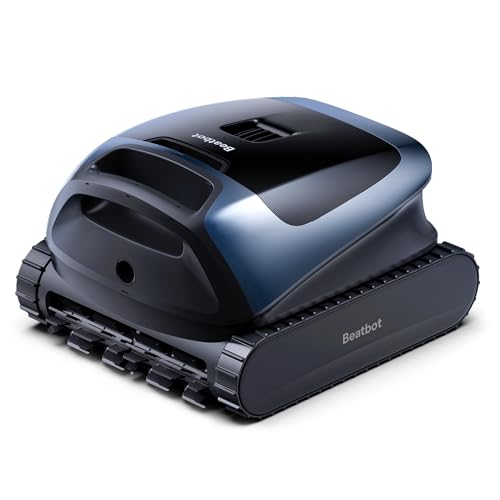
Matching cleaner type to pool size, debris and pump setup is the key to choosing the best automatic pool cleaners for above ground pools.
There is no single model that suits every pool, because best automatic pool cleaners for above ground pools cover very different jobs. Some owners need a light machine that picks up leaves after a storm, while others need steady daily cleaning for a pool that sees heavy use all summer. The product table gives you a quick side by side view, and the rest of this guide explains how to match a cleaner type to your pool, your filter system, and your budget.
Above ground pools have their own limits. The walls are thinner than a concrete shell, the floor may slope gently, and many setups use a smaller pump and filter than an inground pool. A cleaner that works well in a large inground pool can be too strong, too heavy, or simply the wrong shape for a round or oval above ground pool.

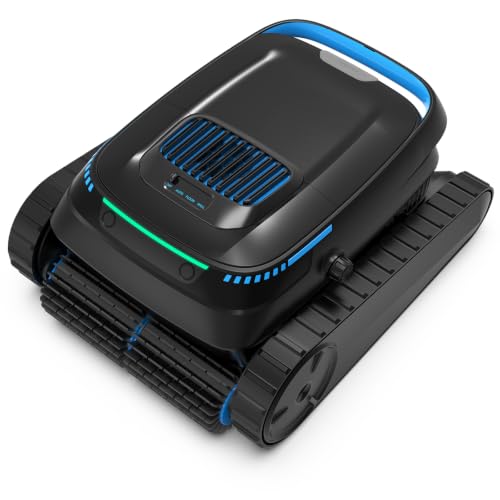
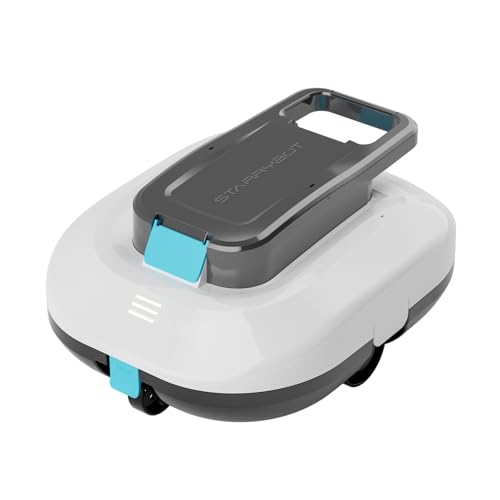

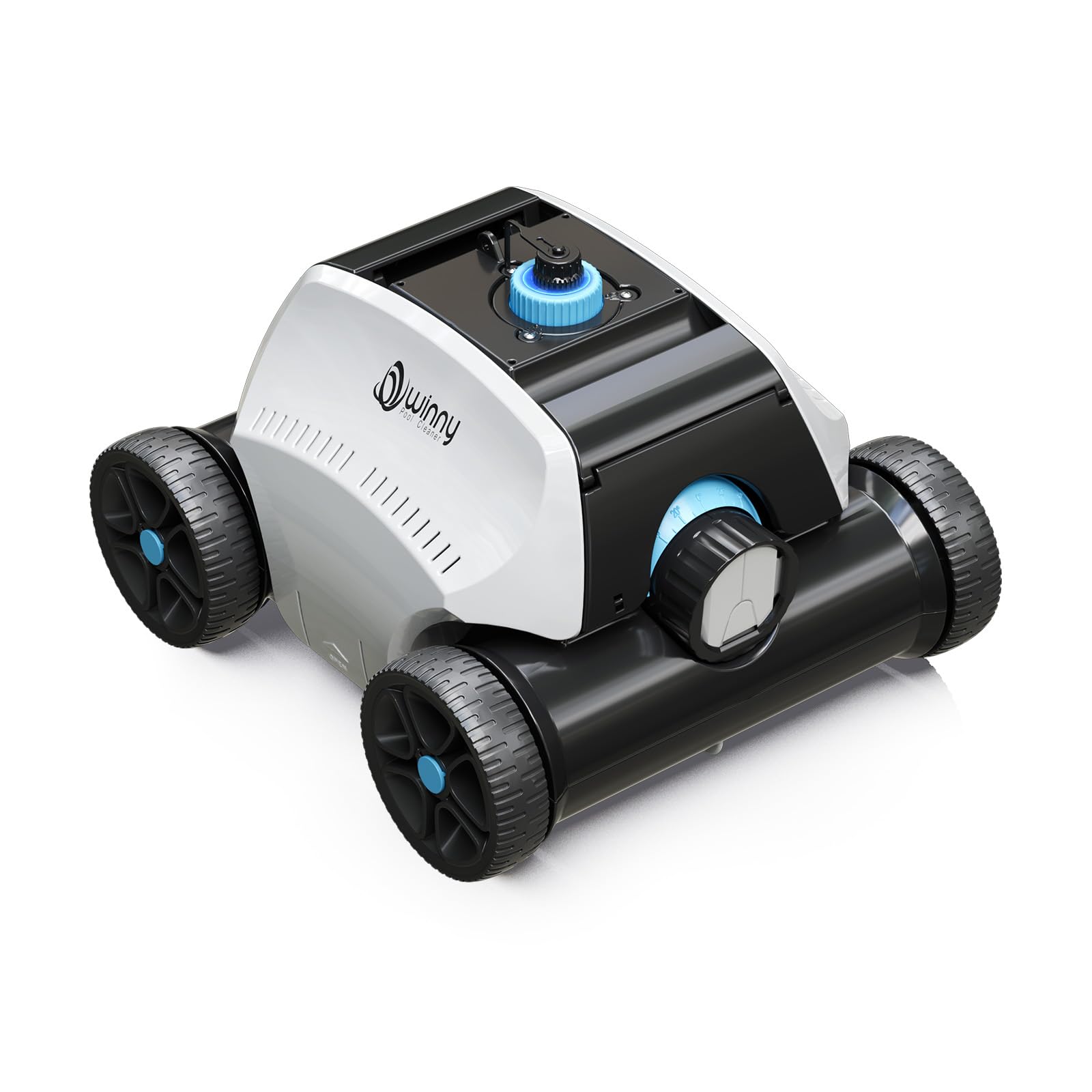
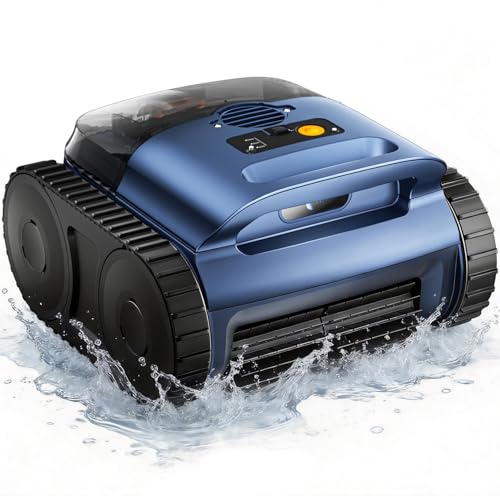
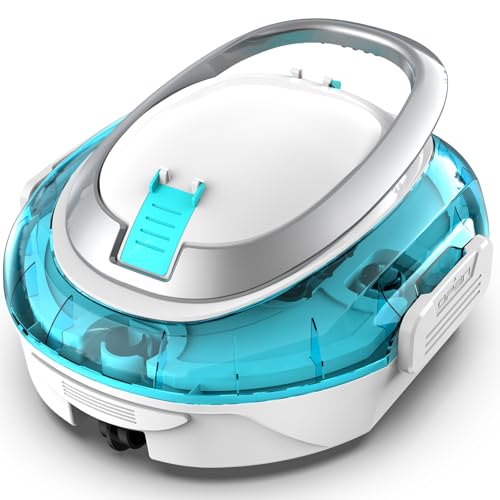

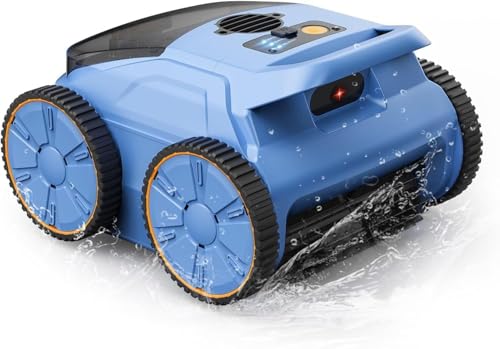


Start with your pool size, your main type of debris, and how much hands on work you are willing to do, and the choice becomes much simpler. Shoppers comparing pool cleaners for above ground pools will find the same three cleaner types again and again, so learning those types first saves time.
Who Should Buy Which Automatic Pool Cleaners?
Use case is the fastest way to narrow the field. Robotic cleaners run on their own power and filter debris internally, suction cleaners use your existing pump and filter, and pressure cleaners use return water pressure to move and collect debris. Each type suits a different owner, so think about storage, weather, experience, and cleaning frequency before you compare prices. For a broader owner favored list, see best rated above ground pool cleaners.
For Small Spaces and Easy Storage
If your equipment area is tight, look for a compact cleaner that is easy to lift out, rinse, and store. A small robotic unit or a light suction cleaner usually fits this need, because neither one needs a separate booster pump or a large hose set. Check the weight when the unit is full of water, since a cleaner that feels light on the shelf can feel much heavier when you lift it out of the pool. A short cord or hose that matches your pool diameter also helps, because extra length tangles and takes up storage space.
For Bad Weather and Tough Conditions
Pools near trees face leaves, twigs, pollen, and dust, and a cleaner with a large debris basket will need fewer stops during a heavy cleanup. Look for sturdy wheels or tracks, a brush that can handle a vinyl liner without scuffing, and a filter that you can rinse in minutes. If storms are common in your area, a unit that restarts cleanly after a power interruption is worth more than a long list of extra modes. Keep spare filter baskets or bags on hand so a full basket never ends a cleaning cycle early.
For Weekend Beginners
New owners should favor simple setup and clear controls. A suction cleaner that plugs into the skimmer line or a robotic cleaner with one start button will get used more often than a complex unit that needs programming. Read the liner guidance before the first run, because some brushes and wheels suit vinyl better than others. A simple weekly routine, with the basket emptied after each cycle, will keep the water clearer than any single feature on a feature list.
For Frequent or Serious Users
Daily swimmers and owners with large pools should weigh running costs, durability, and warranty length more heavily than the purchase price. Robotic cleaners often clean faster and filter finer debris, but they cost more up front and their parts wear with heavy use. Suction and pressure cleaners can be cheaper to buy, yet they put more load on your pump and filter, so check your pump size and filter capacity first. A longer warranty on the motor and drive parts is a useful sign of a design built for frequent use.
Choosing the Best Automatic Pool Cleaners for Above Ground Pools
What to Prioritize in an Auto Pool Cleaner
Automatic operation means the cleaner moves on its own once it is in the water, but the way it moves still matters. Prioritize reliable navigation over a long feature list, because a cleaner that misses the same corner every day leaves a visible band of dirt. Next, check debris capacity against your tree cover, then confirm that the cleaner fits your pool shape and liner type. A unit that climbs walls sounds appealing, yet many above ground pools need floor and cove cleaning far more than wall climbing, so judge that feature against your actual pool.
Key Features to Compare
Features only matter when they solve a problem in your pool. A gyroscope helps a robotic cleaner cover the floor in a pattern instead of wandering, while a simple random pattern can still work well in a small round pool. App control is convenient for scheduling, but it adds little if you run the cleaner on a fixed weekly routine.
Compare the features below against your pool size, debris type, and pump setup, and ignore extras that do not match a real need. Vacuum style models are covered in more detail at best above ground pool vacuum cleaners.
Features That Matter for Above Ground Pools
Above ground pools need a cleaner that respects a vinyl liner, a gentle slope, and a modest pump. Soft brushes and smooth wheels protect the liner, while a low profile helps the unit pass under steps and ladders. Check the recommended pool size range and the minimum pump flow for suction and pressure models, because an undersized pump will leave the cleaner stalled in one spot. Also confirm hose or cord length, since a unit that cannot reach the far side will never clean the whole floor.
Cleaning Cycle and Navigation
Cycle length affects both cleaning quality and energy use. A cycle of around two hours suits a typical above ground pool, while a very short cycle may leave fine dust behind. Some robotic cleaners offer a quick floor only mode and a longer full mode, which is handy after a storm. Navigation matters most in oval pools, where a cleaner must handle long straight runs and curved ends without getting stuck on the return fitting or ladder.
Cleaner Type (Robotic, Suction, Pressure)
Robotic cleaners carry their own motor and filter, so they clean independently of your pump and often pick up very fine debris. If you lean toward this type, see best robotic above ground pool cleaners. Suction cleaners connect to the skimmer or a dedicated line and use pump suction to move and collect dirt into your filter, which keeps the unit simple and affordable.
Pressure cleaners use return water to drive the unit and push debris into an onboard bag, but many need a booster pump, which adds cost and installation work. Compare purchase price, energy use, and filter load together, not price alone. Units that work without a booster pump are listed at best automatic above ground pool vacuums.
Wall and Waterline Climbing
Wall climbing helps with the waterline, where oils and fine dirt collect, but it is not essential for every above ground pool. Units that climb need enough grip and power to hold the wall, and they must handle the cove where the floor meets the wall without tipping. If your main problem is leaves and sand on the floor, spend your budget on debris capacity and brush quality instead. If a dirty waterline bothers you, look for a model that clearly lists waterline cleaning as a mode rather than a vague claim.
Common Mistakes to Avoid When Buying Automatic Pool Cleaners
- Buying on price alone, then finding the cleaner cannot handle your debris load or pool size.
- Ignoring the features that matter for above ground pools, such as liner safe brushes and correct pump flow.
- Choosing a unit that is too large for a small round pool, so it stalls on steps or gets tangled in its own hose.
- Skipping the warranty check, especially for motors, tracks, and power supplies on robotic models.
- Forgetting running costs, including filter bags, replacement brushes, and extra pump runtime.
Tips to Get the Most From Your Automatic Pool Cleaner
Empty the filter basket after each cycle, because a full basket reduces suction and leaves debris behind. Store robotic units out of direct sun when they are not in use, since heat and UV wear down housings and cables over time. Keep water chemistry balanced, because balanced water protects the liner and helps the filter work well.
Rinse the unit with fresh water after use, check wheels and brushes for wear each month, and store hoses straight so they do not develop coils that tangle during the next run. For a broader view across pool types, see best rated automatic pool cleaners.
Never run a cleaner while people are swimming, and always supervise children near water, even when the pool looks calm and the equipment is off. Keep the power supply for a robotic cleaner dry and away from the pool edge, and follow the manufacturer's instructions for setup and use.
Automatic Pool Cleaners: Your Questions Answered
What features matter most in automatic pool cleaners for above ground pools?
Liner safe brushes, correct size range, and enough debris capacity matter most. A cleaner that fits your pool shape and pump setup will clean more reliably than a larger unit with extra modes. Check hose or cord length, filter access, and warranty length before you compare prices. For pools under trees, a large basket matters more than app control, while for small pools, simple navigation and easy storage matter most.
Which cleaner is best for leaves?
A cleaner with a large debris basket or bag handles leaves best, because small filters clog quickly during autumn. Robotic cleaners with top loading baskets are easy to empty, while pressure cleaners with large bags also cope well with heavy leaf fall. Suction cleaners can work, but they send leaves into your skimmer or pump basket, which you must empty often. Whichever type you choose, run a cycle after storms before leaves sink and stain the liner.
Are robotic pool cleaners worth it?
Robotic cleaners are worth it for owners who want independent cleaning and fine filtration without loading the main pump and filter. They cost more up front, and their power supply and drive parts will eventually need service, so factor that into the total cost. For small pools with light debris, a suction cleaner may clean well enough for far less money. Judge value by how often you swim and how much debris your pool collects, not by the feature list alone.
How long should a pool cleaner run?
Most above ground pools need a cycle of around one to three hours, depending on size and debris load. A light weekly clean may take an hour, while a post storm cleanup can take longer. Running the cleaner far longer than needed wastes energy and wears parts without improving the result. If dirt remains after a full cycle, check the basket, the brush, and the pump flow before you simply run the unit again.
Can I leave a robotic cleaner in the pool?
Leaving a robotic cleaner in the pool between cycles is not a good habit, even if the maker allows short stays. Constant exposure to chemicals and sun wears seals, cables, and housings faster, and a cleaner left in the water can become a tripping hazard at the pool edge. Lift it out after each cycle, rinse it, and store it in the shade. If you need daily cleaning, schedule a cycle and remove the unit right after it finishes.
Final Thoughts
Match the cleaner to your pool size, debris type, and pump setup, and let those three factors guide the budget. A simple suction cleaner may be the smart buy for a small pool with light debris, while a robotic cleaner earns its price in a larger pool with heavy leaf fall. Check the product table, compare debris capacity and warranty length, and choose the best automatic pool cleaners for above ground pools for your routine, not the most featured model on the list.