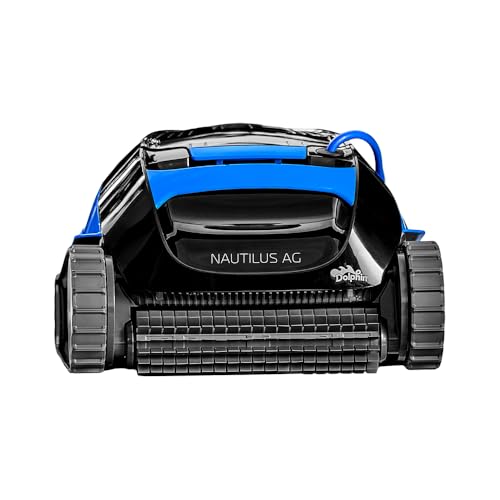
Best Automatic Pool Vacuums 2026: Buying Guide
Disclosure: We may earn a commission when you buy through links on this page, at no extra cost to you. As an Amazon Associate I earn from qualifying purchases. Learn more

Learn how to choose an automatic pool vacuum, from robotic and suction models to pool size, debris types, and running costs in this clear guide.
When you start shopping for best automatic pool vacuums, the choice can feel confusing, and an automatic pool vacuum should match your pool shape, surface, and debris, since a model built for leaves will struggle with fine sand. This guide explains the main types in plain language so you can compare them without needing technical knowledge.
The comparison table below gives a quick overview of the main pool vacuum types, and the sections that follow explain who each type suits, which features matter most, and how to avoid common buying mistakes. By the end, you should be able to match a model to your home, your routine, and your budget.


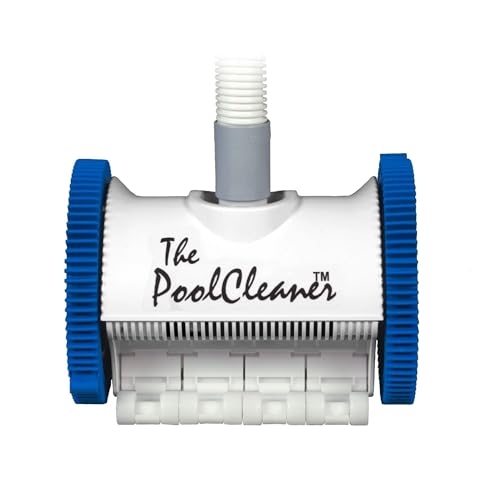


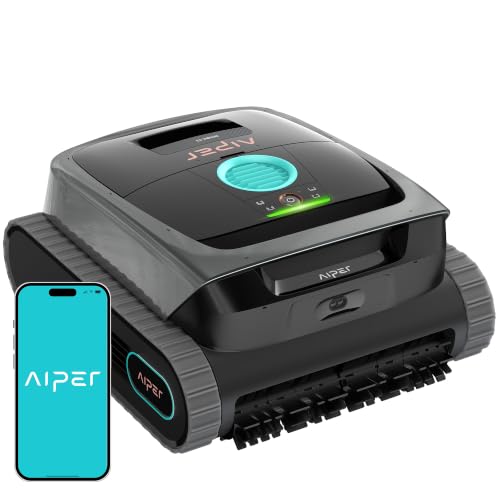
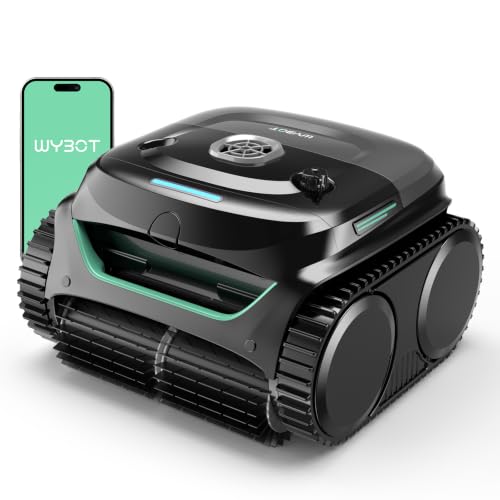
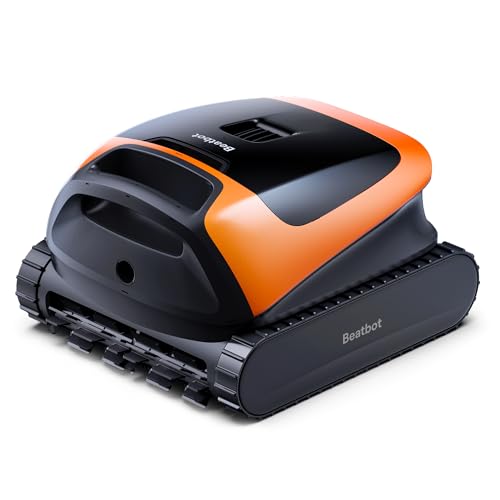
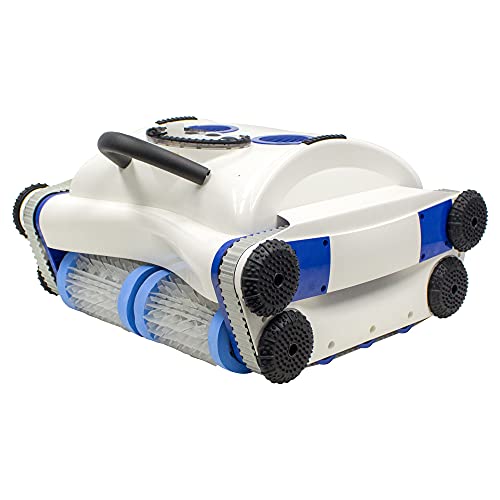
Price alone rarely tells the full story, since running costs, maintenance, and how well a model fits your space often matter more over time. Keep those factors in mind as you read, and note any feature that would change your daily routine for better or worse.
Types of Pool Vacuums Compared
Different pool vacuum types suit different routines, so start by matching the type to how you will actually use it. The table below summarises the main options, and each type is explained in more detail underneath.
| Type | Best For | Typical Price |
|---|---|---|
| Robotic Pool Cleaners | Thorough independent cleaning | about $500 to $1,200 |
| Suction Side Cleaners | Budget friendly daily cleaning | about $150 to $400 |
| Pressure Side Cleaners | Large pools with heavy leaves | about $300 to $700 |
Robotic Pool Cleaners
Robotic cleaners run on their own power and filter debris internally. They clean floors, and many climb walls, with little help from the pool pump. They cost more upfront, but they save pump runtime and reach corners other types miss.
Suction Side Cleaners
Suction cleaners attach to the skimmer or a dedicated suction line and move randomly around the pool. They suit simple pool shapes and light debris. They rely on the pool pump, so they add to pump runtime and can miss spots in complex shapes.
Pressure Side Cleaners
Pressure cleaners use a booster pump or return pressure to move and collect debris in an onboard bag. They handle leaves well and suit large pools, though the extra pump adds energy cost and plumbing complexity.
For a wider comparison, read our guides to best pool vacuum, best automatic vacuums and best automatic above ground pool vacuums.
Who Should Buy Which Type
The right pool vacuum depends on who will use it and how often. The groups below cover the most common buyers, so find the one closest to your situation and note the features it prioritises.
In Ground Pool Owners
In ground owners should check wall climbing, cable length, and whether the cleaner handles steps and drains safely. A model that maps the pool shape cleans more evenly than one that wanders.
Above Ground Pool Owners
Above ground owners need a lighter cleaner that suits a vinyl liner and a smaller pump. Check liner safety, weight for lifting out, and whether the cleaner can handle a sloped or dished floor.
Tree Lined Pool Owners
Pools under trees face leaves, twigs, and pollen. A large debris bag or canister, strong suction, and easy emptying matter more than fancy navigation, since the cleaner will fill fast in autumn.
Key Features Explained
Marketing lists can hide what actually matters, so focus on the features below when comparing models. Each one affects daily use, running costs, or long term satisfaction in a direct way.
- Navigation and Coverage: Random movement suits simple pools, while patterned navigation covers complex shapes more evenly. Check cycle time and whether the cleaner can be set for floor only or floor and walls.
- Debris Capacity: A small canister needs emptying mid cycle in leafy pools, which defeats automation. Larger bags suit heavy debris, but they also make the cleaner heavier to lift when full.
- Cable and Hose Length: Cable or hose length must reach the far end of the pool with slack. A short cable leaves corners dirty, while excess cable tangles, so measure the pool diagonal before buying.
- Filter and Pump Load: Robotic cleaners filter independently and spare the pool pump, while suction models add load. Compare energy use honestly, including pump runtime, not just the cleaner price.
For inground and general options, see our guides to best swimming pool vacuums and best pool vacuums for inground pools.
Common Mistakes to Avoid
Buying a robotic cleaner with a short cable for a long pool leaves far corners dirty. Ignoring debris capacity means constant emptying. Running a suction cleaner on an undersized pump gives weak, patchy cleaning.
Measure the pool, check compatibility with your pump, and read the manual before first use so you can spot a poor fit before the return window closes.
Care and Everyday Use
Rinse the cleaner after each use, empty debris promptly, and store cables loosely coiled out of sun. Inspect brushes, wheels, and seals seasonally, and follow the maker winter storage guidance.
Pool equipment and electricity need respect. Never handle electrical connections with wet hands, keep power supplies away from the water edge as directed, and switch power off before lifting a cleaner from the pool. For any electrical fault, call a qualified professional.
Planning for Everyday Use
Measure pool size and shape, note the main debris type, and check pump compatibility before choosing a type. A cleaner matched to the pool cleans better than a powerful model fighting the wrong plumbing.
Once you have shortlisted two or three models, compare them side by side on the features above rather than on headline claims. The product table above can help here, since it keeps the main types in view while you weigh trade offs.
Getting the Most From Your Pool Vacuum
Spend the first week learning how the cleaner behaves in your own pool. Watch a full cycle, note any spots it misses, and check whether it climbs steps and walls the way the listing promises. Adjust the cable swivel and the run schedule so it cleans without tangling, and empty the filter after every run in the first few weeks to learn how fast your pool collects debris.
Keep the manual and warranty details somewhere easy to find, and register the product if the maker offers it. Order spare filter bags or brushes early if your model uses them, so a worn part never leaves you without a cleaner in peak swimming season.
A Final Check Before You Buy
- Measure the pool length and the diagonal, and confirm the cable or hose reaches the far end with slack.
- Match the cleaner to your surface (vinyl liner, plaster, tile or fibreglass) and your main debris, such as leaves or fine sand.
- Check pump and plumbing compatibility if you are considering a suction or pressure side model.
- Compare running costs over two years, including pump runtime and replacement filters.
- Read the warranty and return terms, and note who handles service if something goes wrong.
Frequently Asked Questions
How long does an automatic pool vacuum take?
Most cycles run one to three hours depending on pool size and cleaner type. Robotic models often finish faster with patterned navigation, while random suction models may need longer to cover the same area.
Can I leave the cleaner in the pool?
Most makers advise removing the cleaner after each cycle, especially robotic models, since constant chemical exposure wears seals and cables. Rinse it, empty debris, and store it shaded and dry.
Will it clean steps and walls?
Many robotic models climb walls and brush steps, while basic suction models mainly clean the floor. Check wall climbing claims against your pool shape, since steep or curved walls challenge some models.
What maintenance does a pool vacuum need?
Empty debris after each run, rinse filters or bags, inspect brushes and tracks for wear, and check cables for tangles or damage. Regular rinsing prevents chemical buildup and keeps suction strong.
Is a robotic cleaner worth the extra cost?
For large or complex pools, robotic cleaning often saves pump energy and time, which can offset the price over years. For small simple pools, a suction cleaner may clean well enough at far lower cost.
Final Thoughts
Choosing the right best automatic pool vacuums comes down to matching type, features, and budget to your real routine. Use the comparison table above as a starting point, check the details that matter for your situation, and favour a model you will actually enjoy using every day.