Best Autumn Flowers for Window Boxes in 2026: Matching the Right Plant to Your Routine
Disclosure: We may earn a commission when you buy through links on this page, at no extra cost to you. As an Amazon Associate I earn from qualifying purchases. Learn more

Compare the best autumn flowers for window boxes by bloom season, box depth, sun, and care needs with this practical buying guide and checklist.
There is no single flower that suits every window in autumn. A box on a sunny south facing wall, a shaded porch rail, and a windy third floor ledge each ask for different plants, and your watering routine matters just as much as the weather. Choosing the best autumn flowers for window boxes starts with your routine, not with a color you fell for at the garden center.
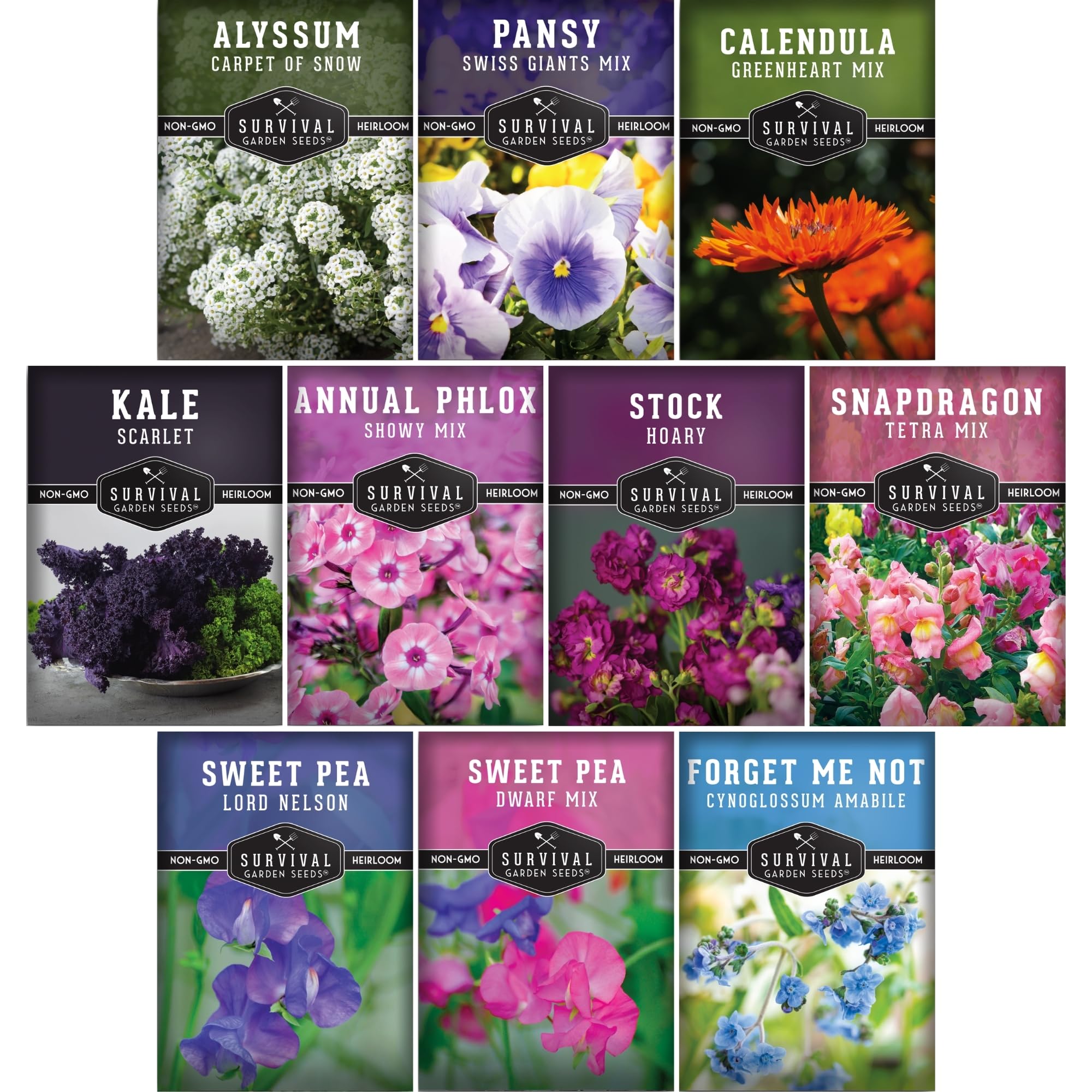
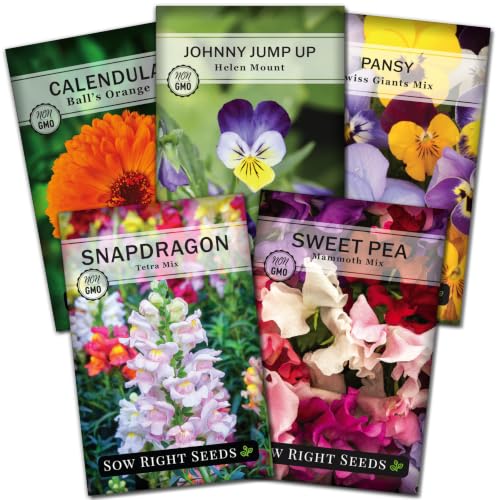
This guide groups autumn plants by the kind of gardener you are, then walks through the features that decide whether a box still looks good in late November. You will find notes on box depth, frost tolerance, and care, plus the product table above, which lists cold hardy seeds and live plants you can order online.





Who Should Buy Which Autumn Flowers?
Autumn planting is a short season game. You are buying weeks of color between the first cool nights and the hard frosts, so the right choice depends on how much effort and money that color is worth to you. Start with the group below that sounds most like you.
For Value Seekers
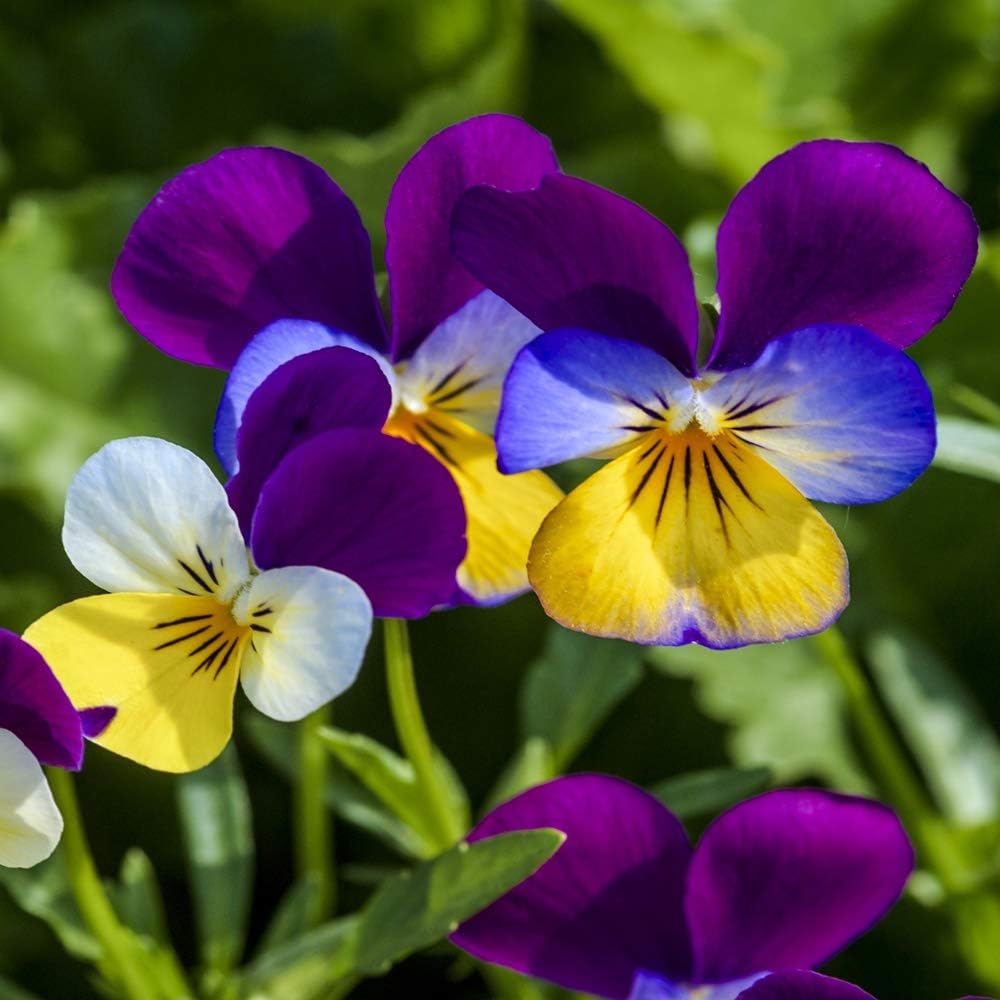
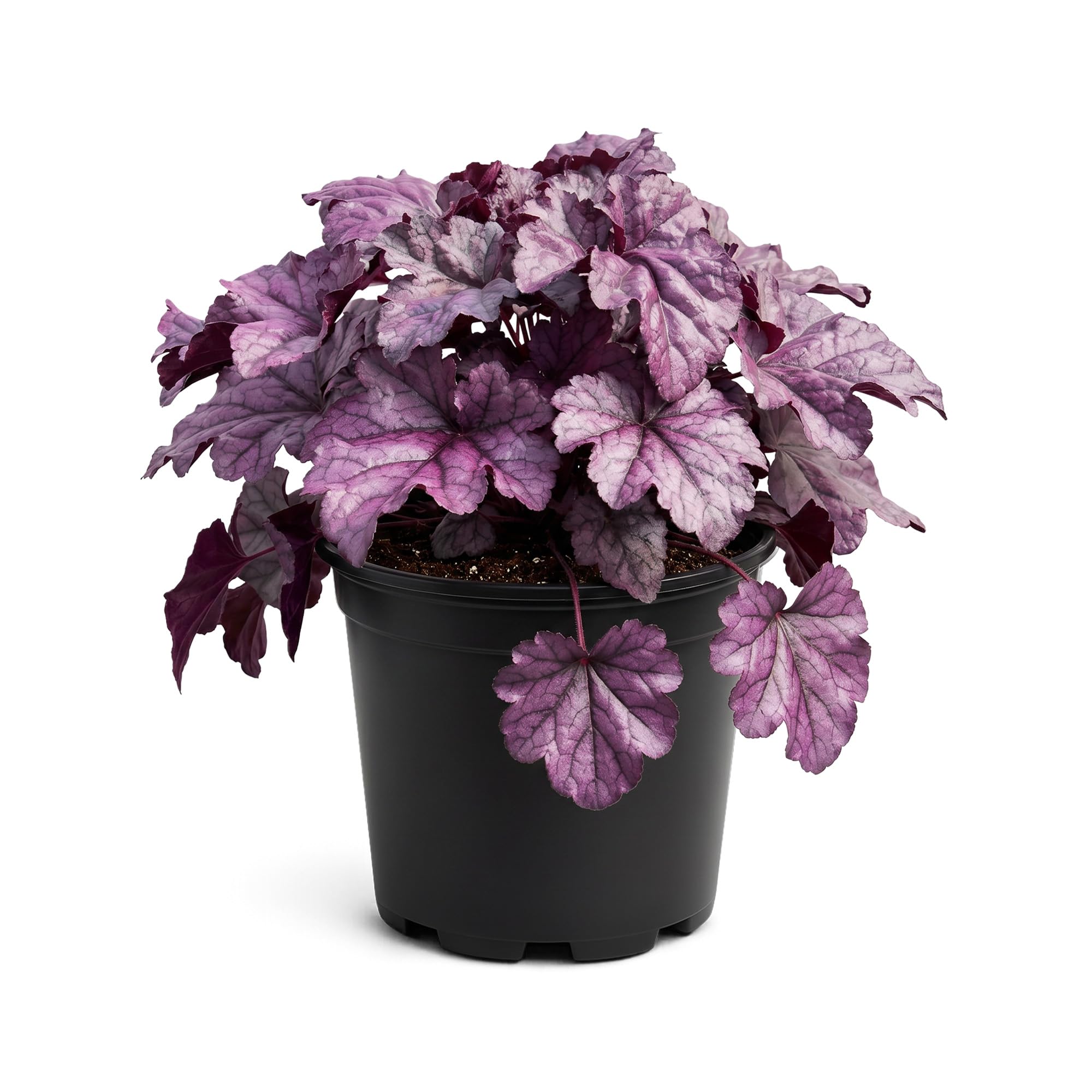
Value seekers do best with pansies and violas bought in multi packs, plus a few ornamental kale plants for structure. Pansies are inexpensive, bloom within days of planting, and often return after a mild winter. Buy plants with buds rather than open blooms so the show happens in your box, not at the store. A six pack that fills a box for under $20 beats one large premium plant that sulks. Pair cheap flowers with one longer lived foliage plant, such as heuchera, which you can move into the garden later instead of throwing away.
For People Who Want the Best Performance
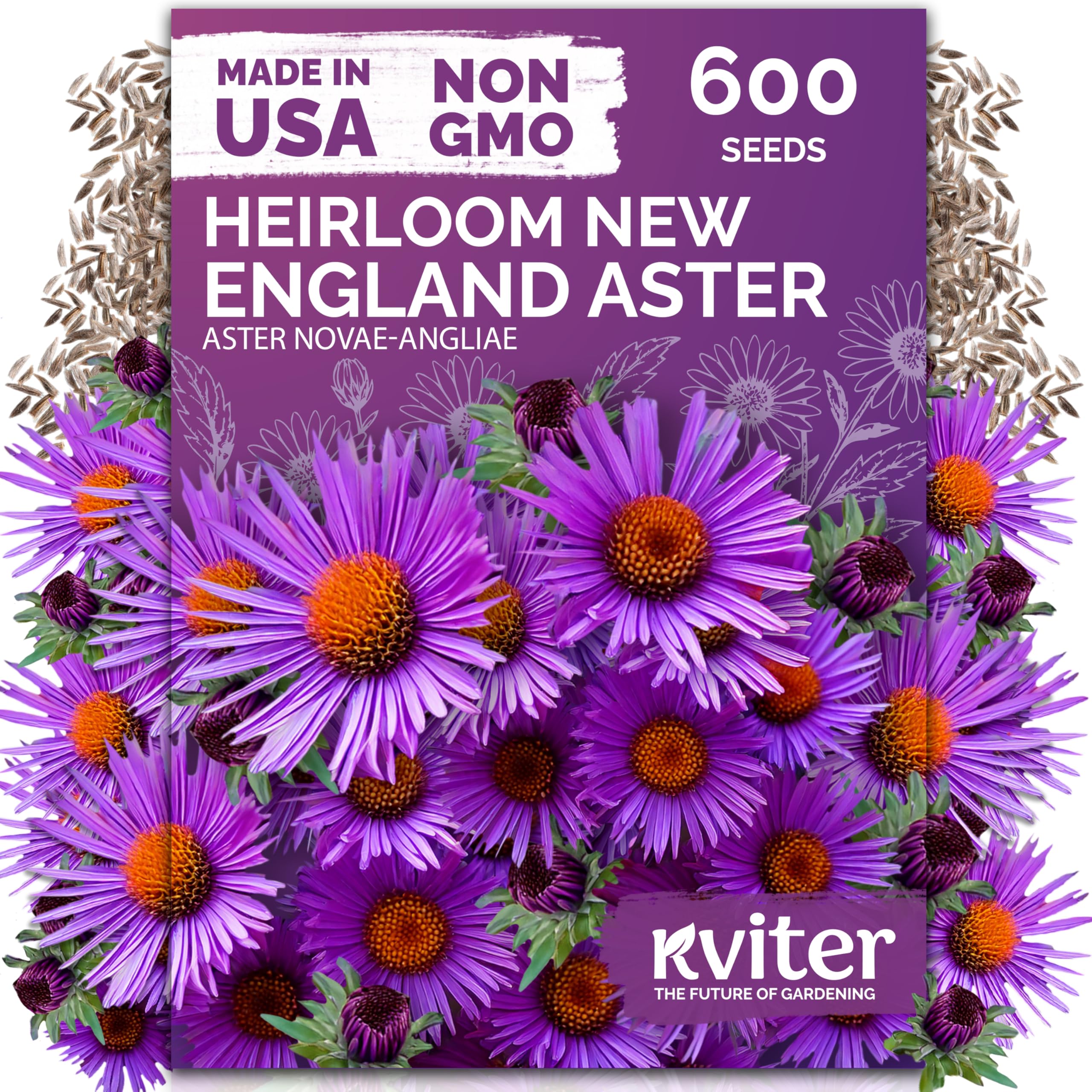
If you want a box that looks full and polished for the whole season, invest in larger plants and proven cold hardy types. Garden mums in bigger pots give instant impact, heuchera and coral bells hold their leaf color through frost, and asters feed late pollinators while blooming for weeks. Premium performance also means buying fresh potting mix and slow release fertilizer rather than reusing tired summer soil. The extra spend shows up in November, when budget boxes look thin and well fed boxes still carry color.
For Gift Shoppers
A planted autumn box or a giftable set of plants suits porches, housewarmings, and host gifts. Choose plants that look generous on day one, such as a mum paired with trailing ivy, and avoid anything that needs daily attention. Ask the nursery about its plant guarantee, since a reputable seller will replace a plant that dies within the first weeks. Add a simple care card with watering basics, because a gift that fails in a fortnight helps nobody. Neutral white and cream flowers suit almost any house color.
For First Time Buyers
First time buyers should keep the recipe simple: one upright flower, one mounding filler, and one trailing plant per box. Violas are forgiving, tolerate a missed watering better than most, and keep blooming through light frosts. Buy plants already in bud, use fresh potting mix, and water deeply at planting. Avoid fussy plants that demand deadheading every few days until you know your routine. A small box done well teaches you more than a long box you cannot keep watered, and success this autumn sets up your spring planting.
Key Features of the Best Autumn Flowers for Window Boxes
Once you know your group, compare plants on the practical features below. These matter more than flower color, because color is easy to change next season while a shallow box or a shady window is not.
Size, Weight, and Fit for Your Space
Match plant size to box size. Most autumn flowers need a box at least 6 to 8 inches deep so roots stay moist and insulated, and taller mums need a deeper box to avoid tipping in wind. Remember that a filled box is heavy: wet soil can push a long box past 50 lb, so check that brackets and rails can carry the load. If your box is shallow, our guide to the best flowers for shallow window boxes covers shallow rooted plants that still perform well.
Maintenance and Long Term Costs
The purchase price is the small part. Ongoing costs include potting mix, fertilizer, and replacement plants after an early frost. Mums bought in full bloom may only shine for three or four weeks, while pansies planted in bud can flower for months at a lower total cost. Factor in your time too: deadheading spent blooms, pinching leggy growth, and watering every two or three days in dry spells. Perennial choices such as heuchera and sedum cut long term costs because you can transplant them into beds when the season ends.
Intended Use and Who It Is For
Decide what the box is for before you shop. A box outside a kitchen window rewards fragrant or frequently viewed plants, while a box on a rental facade needs tough, tidy plants that need little access. If you plant mainly for color themes, our guides to the best yellow flowers for window boxes and the best white flowers for window boxes help you build a scheme that still respects sun and depth limits. Households with limited mobility should favor lightweight boxes and plants that forgive a missed watering.
Features That Matter for Window Boxes
Window boxes dry out faster and swing in temperature more than garden beds, so root tolerance matters. Look for plants described as compact or mounding, with a mature spread of about 6 to 12 inches, so they fill without crowding. Frost tolerance down to about 25 to 28 degrees Fahrenheit keeps pansies, kale, and snapdragons going after mums fade. Trailing plants soften the box edge, and our guide to the best trailing flowers for window boxes explains which trailers survive autumn cold rather than collapsing at the first frost.
Common Mistakes to Avoid When Buying Autumn Flowers
- Buying only on price, then replacing frost killed plants twice and spending more than one quality planting would have cost.
- Ignoring size, weight, and fit for your space, so a heavy wet box strains its brackets or a tall plant tips in the wind.
- Planting summer annuals that collapse at the first cold night instead of cold hardy autumn types.
- Crowding plants for instant fullness, which blocks airflow and invites mildew in cool damp weather.
- Skipping drainage holes or fresh potting mix, and never asking the nursery about its plant guarantee.
One more know how point: shop early in the season. The best selection of mums and kale arrives before the first frost rush, and planting while soil is still warm helps roots settle. If you want a broader planting plan beyond autumn, our guide to the best flowers for window flower boxes covers season by season choices for the same boxes.
Care and Maintenance Tips
Read the plant tag before first planting and follow its spacing and sun guidance, because tags are written for your climate zone more often than generic advice is. Water at soil level in the morning so foliage dries before cold nights, and check moisture with a finger pushed an inch into the mix rather than guessing. Clean and inspect boxes regularly, removing fallen leaves that trap damp against stems. When the season ends, empty spent annuals to compost, scrub the box, and store it in a dry place so freeze and thaw cycles do not crack it over winter.
FAQs
What features matter most in autumn flowers for window boxes?
Cold tolerance and root fit matter most. Choose plants that handle light frost, stay compact at about 6 to 12 inches wide, and grow well in 6 to 8 inches of soil. Bloom timing matters too: buds at purchase mean weeks of color ahead. A plant that meets those three tests will outperform a prettier plant that needs deep soil and warm nights.
How do I maintain an autumn flower?
Water deeply when the top inch of mix feels dry, feed lightly every two weeks, and remove spent blooms and yellowed leaves promptly. Morning watering keeps foliage dry overnight, which lowers mildew risk in cool weather. After a hard frost, leave ornamental kale in place, because its color often deepens and carries the box for weeks after flowers finish.
How long does an autumn flower last?
Most autumn flowers give four to ten weeks of good display, depending on frost timing and plant type. Mums in full bloom fade fastest, often within a month, while pansies, violas, and snapdragons can pause in cold snaps and resume blooming. In mild climates, pansies planted in autumn sometimes flower again in early spring, which stretches their value well past one season.
What features matter most when buying autumn flowers?
At the store, healthy roots and buds matter most. Look for compact growth without yellowing lower leaves, moist mix, and roots that hold the root ball without circling densely out of the drainage holes. Avoid plants in full flower under heat stressed displays, since they have spent their best weeks already. A nursery guarantee is a useful extra sign of plant quality.
Are expensive autumn flowers worth it?
They can be, when the higher price buys size, cold hardiness, or a perennial you keep. A large heuchera that moves into your garden in spring costs less per season than annuals you replace yearly. Expensive mums bought at peak bloom are rarely worth it, because their display window is short. Spend on plants with time left to perform, not on plants already at their peak.
Wrapping Up
Match the plant to your routine first, then check box depth, frost tolerance, and the real cost across the season. Value seekers thrive with pansies and kale, confident gardeners can invest in larger perennials, and first timers should keep the recipe simple. Look back at the product table above to compare options, and the best autumn flowers for window boxes for your home will be the ones that still look good when the cold nights arrive.