
Best Athletic Shoes 2026: Buying Guide by Activity
Disclosure: We may earn a commission when you buy through links on this page, at no extra cost to you. As an Amazon Associate I earn from qualifying purchases. Learn more

Best athletic shoes for running, walking and gym use: how to choose cushioning, support and fit, with popular men and women models to compare.
Athletic shoes cover everything from marathon training to a walk to the store, so the right pair depends on how you plan to use them. The best athletic shoes match your activity, your foot shape and your budget, and they fit well from the first wear.
The product table compares popular running, walking and training models for men and women. The sections below explain the main types and what to check.

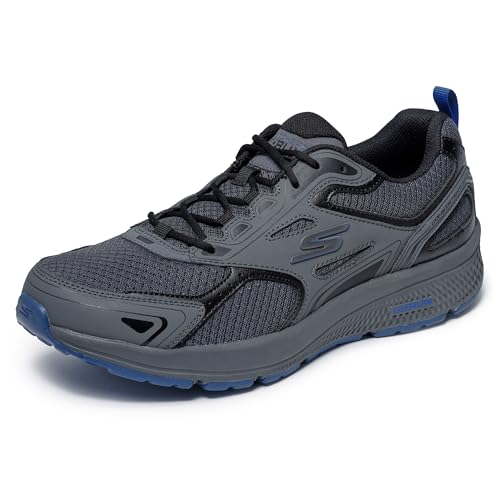


Who Should Buy Which Type
Runners
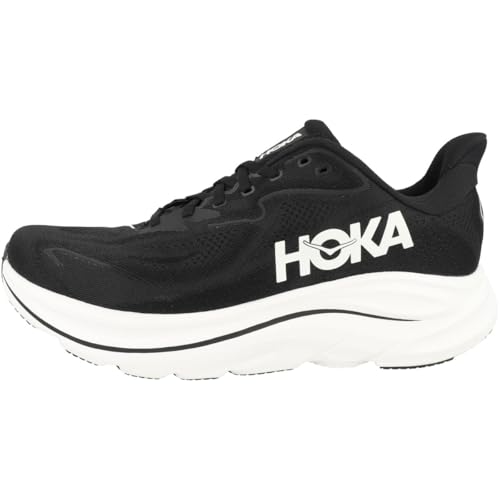
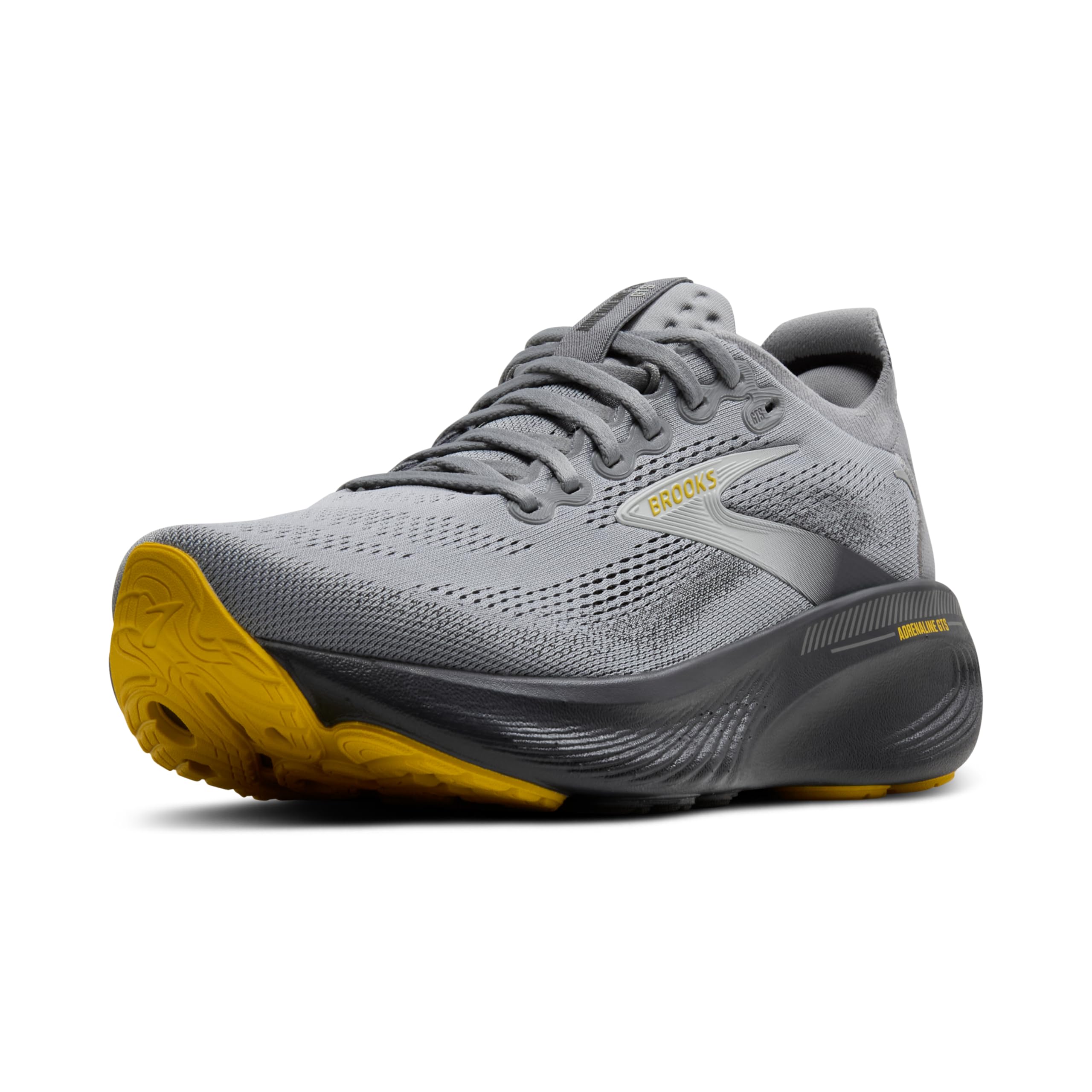
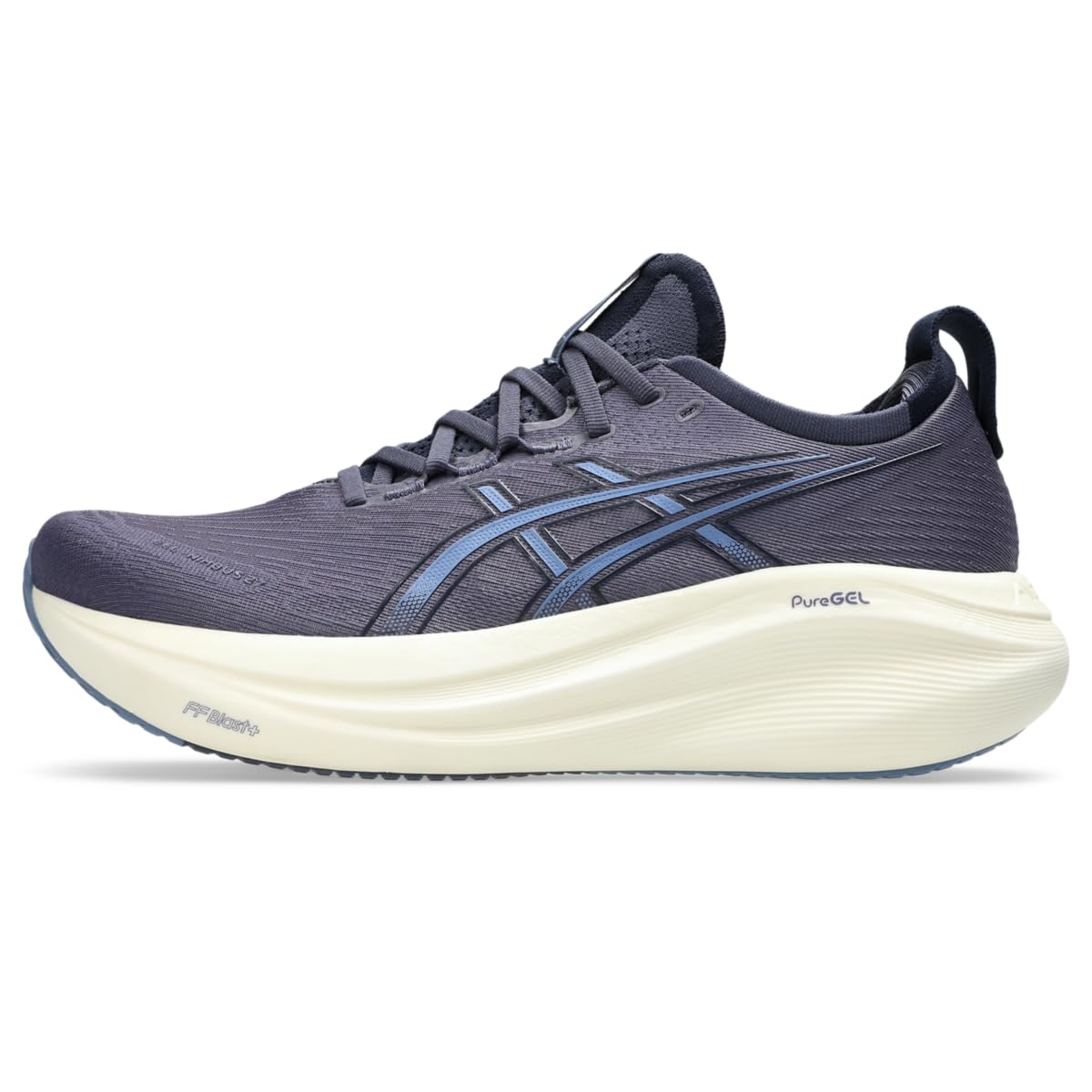
Choose a cushioned neutral trainer, such as the Hoka Clifton or ASICS Nimbus, or a stability shoe like the Brooks Adrenaline if your foot rolls inward.
Walkers
Look for light, flexible shoes with a comfortable rocker, such as the Skechers Go Walk range.
Gym and training
Cross trainers with a stable, wider base, such as the New Balance 608, suit classes and lifting better than very soft running shoes.
Key Features of the Best Athletic Shoes
- Cushioning that suits your activity and weight
- Support: neutral or stability
- A secure heel and a roomy toe box
- Outsole grip and durability
- Weight and breathability
Types Compared Side by Side
Running shoes prioritize cushioning and a smooth ride. Walking shoes are more flexible and often wider. Cross trainers use a flatter, firmer sole for stability. Lifestyle sneakers prioritize style and are not built for heavy training.
Budget Tiers and Long Term Value
Budget shoes cover light use. Mid priced shoes bring better foam, structure and longer life, and they tend to be the best value for regular exercise. Premium shoes offer the softest and most durable cushioning and the most refined fit. Last season's colors are often discounted.
Care, Everyday Use and Common Mistakes
- Do not use running shoes only for lifting or sports with side to side moves.
- Replace shoes when the cushioning feels flat.
- Avoid washing in hot water, which can damage foam and glue.
- Rotate pairs for longer life.
A Final Check Before You Buy
Try shoes in the afternoon, leave a thumb's width at the toes and confirm the return policy.
Typical Specs by Shoe Type
Daily running trainers weigh about 8 to 11 ounces and use 4 to 10 mm of drop. Walking shoes are similar but more flexible. Cross trainers and gym shoes weigh 10 to 13 ounces and use flatter soles.
Stack height ranges from about 20 mm in minimalist shoes to over 40 mm in max cushion models. Most brands offer medium and wide sizes, and some offer narrow.
Materials to know
Engineered mesh uppers are breathable and light. Knit uppers stretch and fit like a sock. Leather and synthetic overlays add structure and durability.
EVA foam is the common midsole material, and newer foams add bounce at a higher price. Rubber outsoles last longest.
Price tiers
Entry level athletic shoes cost about 40 to 70 dollars. Mid range models cost 70 to 130 dollars and add better foam. Premium shoes run 130 to 180 dollars and use advanced foams and plates.
Matching shoes to goals
Mostly walking: choose cushioning and flexibility. Mostly running: choose a trainer that matches your arch and distance. Mostly gym: choose a stable cross trainer. A mix of all three: choose a versatile neutral trainer.
Fixing Common Fit Problems
Heel slip
Use the top eyelet for a runner's loop, wear thicker socks or try a heel grip pad. If the heel still lifts after these steps, the heel cup is too wide and another model is a better answer.
Blisters and hot spots
Blisters usually come from friction at a seam or from moisture. Choose seamless socks made of synthetic or merino fibers, and use a small friction patch on a trouble spot while the shoe breaks in.
Numb or tingling toes
This often means the laces are too tight over the forefoot or the toe box is too low. Loosen the front lacing or move to a roomier model. Persistent numbness deserves a clinician's advice.
When to Replace Your Shoes
Most athletic shoes last about 300 to 500 miles. Casual wearers can keep them longer, but replace them when cushioning feels flat, the tread is smooth or you notice discomfort.
Choosing by Season and Surface
Road shoes with smooth outsoles suit pavement and treadmills. Trail shoes add lugs and tougher uppers for dirt and gravel. Winter runners may want water resistant uppers and extra traction, while summer wearers prefer breathable mesh. If you mostly use one shoe on mixed surfaces, choose a road to trail hybrid with a moderate tread.
Reading Reviews for Fit and Durability
Look for notes on sizing, width and how the shoe held up after a few months. Comments from people who do the same activity as you carry more weight than general praise.
Related Guides
Explore best nike athletic shoes, best athletic shoes for walking, best athletic shoes for pronation, best athletic shoes for overpronation and best athletic shoes for nurses.
Frequently Asked Questions
How do I choose athletic shoes?
Start with your activity, then choose support and fit. Try shoes on later in the day.
How long do athletic shoes last?
Runners usually replace them every few hundred miles. Casual wearers can go longer.
Do I need different shoes for gym and running?
If you do both often, yes. Cross trainers are better for lateral moves and lifting.
Are expensive shoes worth it?
Often for frequent users, since the foam lasts longer. Light users may not need premium models.
How tight should the laces be?
Snug enough to hold the heel without pressing on the top of the foot. If you feel numbness or tingling, loosen the laces or change the lacing pattern.
Can I machine wash athletic shoes?
Check the care label. Many makers recommend hand washing with mild soap and air drying, since heat can damage foam and glue.
Do I need different socks for athletic shoes?
Moisture wicking socks of synthetic or wool blends reduce blisters. Cotton socks hold sweat and can rub.
Should I size up for running?
Many runners choose a half size up because feet swell during runs. Aim for a thumb's width at the front of the shoe.
Final Thoughts
Pick the shoe for your activity, check the fit and compare options in the product table. The best athletic shoes will feel comfortable on day one and hold up for months.


