
Best Automatic Bilge Pumps 2026 Guide
Disclosure: We may earn a commission when you buy through links on this page, at no extra cost to you. As an Amazon Associate I earn from qualifying purchases. Learn more

Compare the best automatic bilge pumps for boats, kayaks, and small craft. Learn about float switches, capacity, and safe installation before buying.
Choosing the best automatic bilge pumps is a safety decision as much as a purchase. An automatic pump switches on when water rises in the bilge and off when the level falls, protecting your boat while you are away or busy on deck. The right pump capacity, switch type, and installation keep a small leak from becoming a serious problem.
The comparison table below summarises the main options, and this guide explains capacity, switches, wiring, and maintenance. Read it before buying, so the pump suits your boat size and bilge layout.


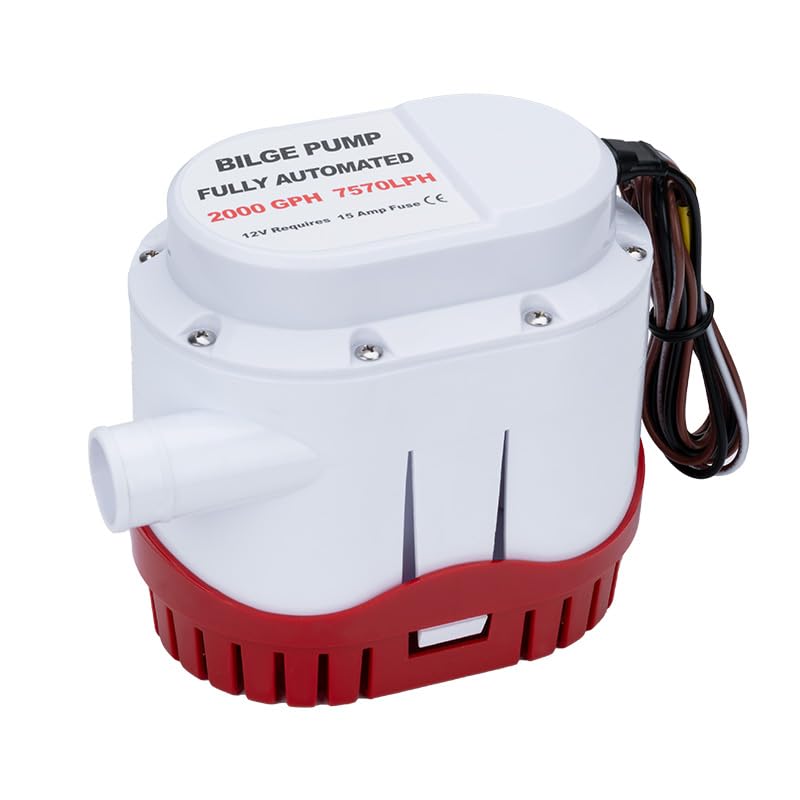

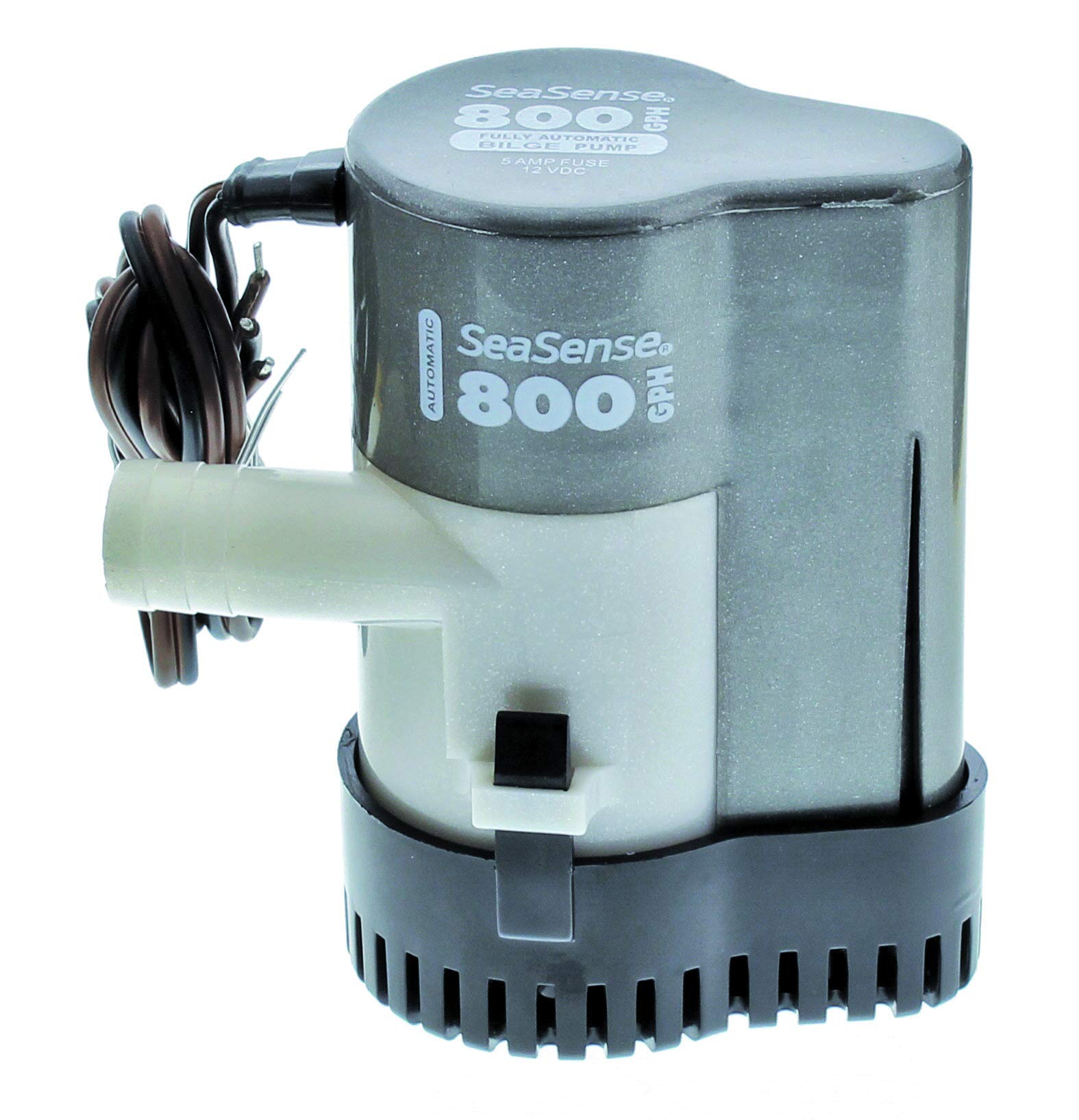

Pump Capacity and Boat Size
Pump capacity, measured in gallons per hour, should suit your boat size and the water you expect. Larger boats and boats kept in the water need higher capacity, since rain and small leaks accumulate faster. A pump that is too small may run constantly without keeping up, while an oversized pump can cycle too often in a shallow bilge.
Check the rated capacity at realistic head height, not just the headline figure, since pumping uphill through a hose reduces output. A pump rated for your bilge depth and hose run gives a truer picture. When in doubt, choose the larger capacity that fits your bilge and battery.
Float Switches and Automatic Sensors
Traditional float switches rise with water level and trigger the pump, then fall and switch it off. They are simple and proven, but debris can jam a float in the on or off position. Electronic sensors have no moving parts and resist jamming, but they need clean sensor surfaces to work reliably.
Some pumps include a built in sensor, while others use a separate switch. A separate switch lets you replace the switch without replacing the pump. Whichever type you choose, test it regularly by lifting the float or wetting the sensor, and keep the bilge clear of debris.
Wiring, Fuses, and Battery Safety
Wire the pump through a fuse rated for the pump, and connect it so it can run even when the main battery switch is off, if your boat design allows. That way the pump protects the boat while moored. Use marine grade wire and sealed connections, since bilge moisture corrodes ordinary wiring quickly.
Check battery capacity, since a pump running often drains a small battery. A second battery or a solar trickle charger helps boats left moored for long periods. Never bypass a fuse, and inspect wiring each season for corrosion, chafing, or loose terminals.
Hoses, Outlets, and Installation
Route the discharge hose upward to an outlet above the waterline, with a loop to prevent backflow. A hose that sags traps water and reduces pumping efficiency, while a kinked hose can stop flow entirely. Secure the hose so it cannot chafe against sharp edges or hot engine parts.
Mount the pump at the lowest point of the bilge, where water collects first. If the bilge has compartments, consider a pump for each section or a manual pump as backup. Test the full system after installation by pouring water into the bilge and watching the pump cycle.
Maintenance and Backup Planning
Test automatic pumps monthly during the boating season, and clean the bilge and pump intake regularly. Debris, oil, and growth clog intakes and jam floats, so a clean bilge is part of pump reliability. Carry a manual bilge pump as backup, since no electric pump is infallible.
Replace hoses and switches at the first sign of cracking, stiffness, or unreliable switching. Keep spare fuses aboard, and log pump tests so you notice changes in performance. A pump you trust is one you have tested recently, not one you installed years ago and forgot.
A Final Check Before You Order
Before ordering, measure your bilge depth, note your battery setup, and estimate the capacity you need. Compare those details with the product table above, and choose a switch type you can test and maintain easily. A pump that fits your bilge and wiring beats a larger pump that cannot be installed cleanly.
Install carefully, test thoroughly, and keep a manual backup aboard. Automatic pumps buy time and peace of mind, but they work best as part of a broader safety routine that includes regular bilge checks and sound hull maintenance.
For related bilge options, see our guides to best bilge pumps, best bilge pumps for boats, best kayak bilge pumps and best bilge pumps for small boats, covering general pumps, boat fits, kayaks, and small craft.
Bilge Pumps for Different Boat Types
Small open boats and kayaks need compact pumps that fit shallow bilges and run from small batteries. A low profile pump with a manual backup suits kayaks, where space is minimal and a hand pump is practical. Check that the pump intake sits at the lowest point, since a pump mounted high leaves water sloshing below it.
Cabin cruisers and yachts often have multiple bilge compartments, each needing attention. A single pump cannot protect compartments separated by bulkheads, so consider a pump per section or a central pump with careful hose routing. Larger boats also benefit from high water alarms that alert you before a pump is overwhelmed.
Fishing boats face extra debris from bait, scales, and lines, which clog intakes faster than clean bilge water. A pump with a coarse strainer and easy cleaning suits fishing use, plus regular bilge cleaning to prevent blockages. Whatever the boat type, match pump capacity and layout to how water actually collects aboard.
High Water Alarms and Backup Systems
A high water alarm adds a vital warning layer beyond the pump itself. If water rises faster than the pump handles, or the pump fails, an alarm alerts you before the situation becomes dangerous. Install the alarm sensor above the normal pump trigger level, so it sounds only when something is genuinely wrong.
Backup pumps provide redundancy: a second pump on a separate circuit and fuse keeps working if the first fails or its fuse blows. Manual pumps are the ultimate backup, requiring no power at all. Test all layers regularly, since a backup you have never tested may not work when needed.
Log pump tests, alarm tests, and battery checks in a simple maintenance record. Patterns such as a pump running more often may signal a developing leak worth investigating early. Safety aboard depends on systems you maintain, not systems you merely install and forget.
Bilge pump switches deserve special attention in boats kept in the water year round, since marine growth and silt can foul sensors and floats over months. Inspect the switch area each time you visit the boat, clearing debris and testing operation by lifting the float or wetting the sensor. A switch that sticks in the off position leaves the boat unprotected, while one stuck on drains the battery, so both failure modes matter and both are caught by regular testing.
Frequently Asked Questions
How do automatic bilge pumps work?
An automatic pump uses a float switch or electronic sensor to detect rising water in the bilge. When water reaches the trigger level, the pump runs until the level falls, then switches off. This protects the boat without manual operation, including while moored or unattended.
What size bilge pump do I need?
Size depends on boat length, bilge volume, and whether the boat stays in the water. Larger boats and moored boats need higher capacity. Check capacity at your actual hose height, not just the headline rating, and choose a pump that fits your bilge space and battery capacity.
Should I choose a float switch or electronic sensor?
Float switches are simple and proven but can jam on debris, while electronic sensors have no moving parts but need clean surfaces. A separate switch lets you replace it without replacing the pump. Whichever you choose, test it monthly and keep the bilge clear of debris.
Can the pump run when the battery switch is off?
Many boats wire the bilge pump so it can run with the main switch off, protecting the boat while moored. This needs a fused, dedicated circuit and enough battery capacity. Check your boat wiring design, and consider a second battery or solar trickle charger for long mooring periods.
How often should I test a bilge pump?
Test automatic pumps at least monthly during the boating season, and before any long trip. Lift the float or wet the sensor, confirm the pump runs and stops correctly, and check hoses for kinks or leaks. Regular testing catches failures before they matter, when a leak is only a nuisance.
Final Thoughts
The best automatic bilge pumps for your boat match capacity, bilge layout, and battery setup, and they get tested regularly. Use the product table above to compare options, install with proper fusing and hose routing, and keep a manual pump as backup. On the water, reliability is not a luxury.


