
Best Auto Focus Binoculars for Hunting in 2026: Matching the Right Model to Your Routine
Disclosure: We may earn a commission when you buy through links on this page, at no extra cost to you. As an Amazon Associate I earn from qualifying purchases. Learn more

Learn how to choose the best auto focus binoculars for hunting by magnification, dawn light clarity, field of view, weather sealing and weight for long hunts.
There is no single optic that suits every hunt, because timber, open plains and mountain slopes ask for different things. The best auto focus binoculars for hunting are the pair you can raise with cold hands, use without turning a focus wheel, and trust at first light. This guide matches magnification, lens size and build to the way you hunt, so you can read the comparison table below with a clear plan.
Auto focus in this category usually means fixed focus optics that stay sharp across middle and long distances, with no wheel to turn as game moves. That speed helps when seconds count, but it also sets limits at close range and in dim light. The sections below show where that trade suits your ground.


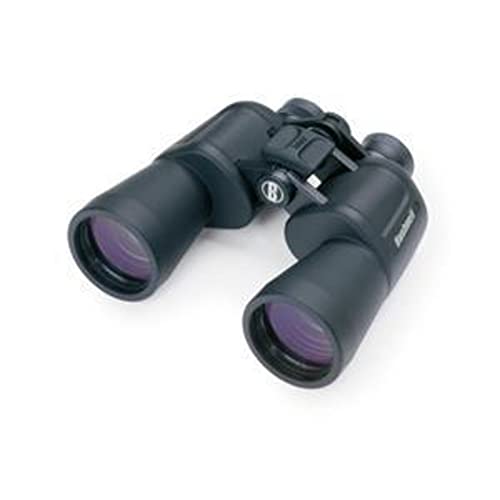

Who Should Buy Which Auto Focus Binoculars for Hunting?
Start with the ground you hunt most and the distances you glass most often. Your terrain, your light and your carry distance should decide the size and power, not a headline specification.
Whitetail Hunters in Timber and Tree Stands
You watch edges, trails and feeding areas at modest range, often in shade and at dawn or dusk. Choose 8 power optics with a wide field of view, because moving deer are easier to follow among trees when the view stays broad and steady. A 42 mm objective helps in low light without adding bulk in a stand. If deer are your main quarry, see our guide to the best binoculars for deer hunting.
Spot and Stalk Hunters in Open Country
You scan basins and hillsides from a distance, then move once you find game. Choose 10 power optics if you glass from a tripod or a steady rest, because extra reach helps you judge an animal before a long walk. Accept a narrower field and more shake when you hold the optic by hand. Weight matters here, since you carry the binoculars up and down slopes all day.
Hunters Who Wear Glasses or Heavy Gloves
You need an optic that works the moment you raise it, without fine adjustments in cold weather. Look for long eye relief, eyecups that set to a repeatable position, and a body you can grip with gloves on. Fixed focus removes one control you would otherwise fumble, but check the close limit before a turkey or archery season, since very close birds and brush may sit inside the sharp zone.
Key Features to Compare
When you compare the best auto focus binoculars for hunting, judge each feature by what it does at dawn, in weather and on moving game. Five factors decide most purchases in this category.
How Fixed Focus Optics Stay Sharp Without a Wheel
Most models in this category are not electronic. The maker sets the focus at the factory so the view stays sharp from roughly 30 or 40 yards to the horizon, using depth of field rather than a motor. That gives you instant viewing when game steps out, with no wheel to turn with gloves on. The cost is close range clarity, since brush or decoys closer than that set range can look soft.
Magnification and How Steady the View Feels
Magnification tells you how much closer game appears, so 8 power makes an animal at 80 yards look as if it stood at 10 yards. An 8 power view is easier to hold steady, feels brighter with the same lens size, and shows more ground at once. A 10 power view adds detail for judging antlers at distance, but it magnifies hand shake and narrows what you see. Most hunters who glass by hand are better served by 8 power.
Objective Lens Size, Exit Pupil and Dawn Light
The second number in 8x42 or 10x42 is the objective lens size in millimeters, and it controls how much light the optic can gather. Divide lens size by magnification to estimate exit pupil, so an 8x42 gives about 5 mm while a 10x42 gives about 4 mm. A larger exit pupil usually looks brighter at dawn and dusk, when your own pupil opens wider. A 50 mm lens gathers more light, but adds weight and bulk.
Field of View for Scanning and Following Game
Field of view is the width of ground you see at 1,000 yards, often listed in feet. A wider view, around 330 to 390 feet for many 8 power models, helps you find game while scanning and keep it in frame as it walks behind cover. A narrow view can feel like looking through a tube, so you spend more time searching. For timber and moving game, favor width over a small gain in power.
Weather Sealing, Armor and Carry Weight
Hunting optics live in rain, frost and dust, so look for waterproof sealing and fog proof construction, often with nitrogen filling, plus rubber armor that guards the body and improves grip. Sealed optics resist fogging after a move from a warm truck to cold air. Weight shapes comfort too, since a pair around 20 to 28 ounces rides well in a chest harness, while heavier glass can pull on your neck by midday.
Matching Magnification and Lens Size to Your Hunting Ground
Use your typical distance as the test. If most glassing happens inside 200 yards in timber or from a blind, an 8x42 setup gives you width, brightness and a steady view. If you study game beyond that range in open country, 10x42 or 10x50 makes more sense, paired with a rest. Shoppers comparing broader hunting optics can also see our guide to the best rated binoculars for hunting.
Carry and budget finish the decision. A chest harness keeps the optic dry, quiet and ready without neck strain, and our guide to the best binoculars harness for hunting explains fit and access. Price rises with coatings and build quality, so if funds are tight, see our guide to the best inexpensive binoculars for hunting and spend first on lens size and sealing. For background on this optic style, see our guide to the best auto focus binoculars.
Common Mistakes to Avoid
Most regrets in this category come from choosing power or price before checking fit for the hunt.
- Choosing 10 power for timber hunting narrows your view and makes moving deer harder to follow.
- Ignoring the close focus limit leaves nearby game and brush looking soft all season.
- Buying a large 50 mm optic for long mountain walks adds chest weight you feel on every climb.
- Skipping waterproof and fog proof sealing risks a fogged view on the coldest morning of the season.
- Judging brightness by magnification alone misses the exit pupil that shapes dawn clarity.
Cleaning and Storing Your Hunting Binoculars Between Seasons
Clean lenses only with a soft lens cloth or brush, never your shirt, since grit on fabric can scratch coatings. Blow loose dust off first, then wipe gently in small circles from the center outward. Keep lens caps on in brush, and let a wet optic air dry before you close it in a case.
Store the binoculars in a dry padded bag away from direct sun and vehicle heat, which can age seals and armor. Check the strap, harness clips and eyecups before each trip, and wipe mud from the body with a damp cloth rather than holding the optic under a tap.
FAQ
What features matter most in auto focus binoculars for hunting?
Exit pupil, field of view and weather sealing matter most for hunting use. Together they decide whether you can spot game in dim woods, follow it as it moves, and trust the optic in rain or frost. Also confirm the stated sharp range starts near your typical distance, and try the eyecups with your usual hat and glasses before a trip.
What does 8x42 or 10x42 mean on hunting binoculars?
The first number is magnification and the second is objective lens size in millimeters. An 8x42 and a 10x42 share the same lens size, so the 8 power version shows a wider and usually brighter view, while the 10 power version shows more detail at distance. A simple field test helps here: glass a fence line at dusk with both powers, and note which view lets you count posts with less shake.
Which magnification is better for low light hunting, 8x or 10x?
For most hunters, 8x is better in low light when lens size is equal. Its larger exit pupil delivers a brighter looking image at dawn and dusk, and the steadier view helps you pick out legs, antlers and movement in shadow. The exception is open country at long range, where 10x on a steady rest can reveal detail that brightness alone cannot, especially in the first minutes after sunrise.
Can auto focus binoculars focus on game at close range?
Only within limits, because fixed focus optics are set for middle and longer distances. Game inside roughly 20 to 30 yards can look soft, and no adjustment on most models will sharpen that view. Archery and turkey hunters who often watch at close range should check the stated minimum distance with care, and some may prefer a standard focus wheel model for blinds where shots and sightings stay close.
Do auto focus binoculars work for hunters who wear glasses?
Yes, auto focus binoculars can work well for hunters who wear glasses if the eye relief is long enough. Look for about 15 mm or more of eye relief and eyecups that stay down securely, so you can see the full field without black edges. Bring your glasses when you shop, press the eyecups to your frames, and check all four edges of the view, since a wide field means little if the edges stay hidden.
The Bottom Line
Match power to terrain first, then lens size to your light, then sealing and weight to your weather and carry distance. An 8x42 suits most timber and mixed ground hunting, while 10 power earns its place in open country with a rest. Use the product table above to check field of view, exit pupil and weight side by side.
Chosen that way, the best auto focus binoculars for hunting become a simple tool you trust without thinking about controls. Pick the pair that fits your ground and your glasses, carry it in a harness, and watch the woods rather than a focus wheel.


