
Best ATV Boots for 2026: A Buying Guide for Trail and Work Riders
Disclosure: We may earn a commission when you buy through links on this page, at no extra cost to you. As an Amazon Associate I earn from qualifying purchases. Learn more

Compare best atv boots by fit, shin protection, buckle closure, sole grip and waterproofing, with sizing help and care tips for trail and work riding.
ATV boots have a harder job than ordinary work boots. Your feet sit on narrow pegs, take hits from brush and stones, and step into mud and loose gravel at every stop. The best atv boots protect your shins and toes, grip the pegs when wet, and still let you walk a fence line or load a trailer. This guide shows how to judge each pair against the product table below.
Start with how and where you ride. A weekend trail rider crossing creeks needs different boots from a farmer who climbs on and off the quad all day. The sections below match rider types to height, protection, sole grip and price.


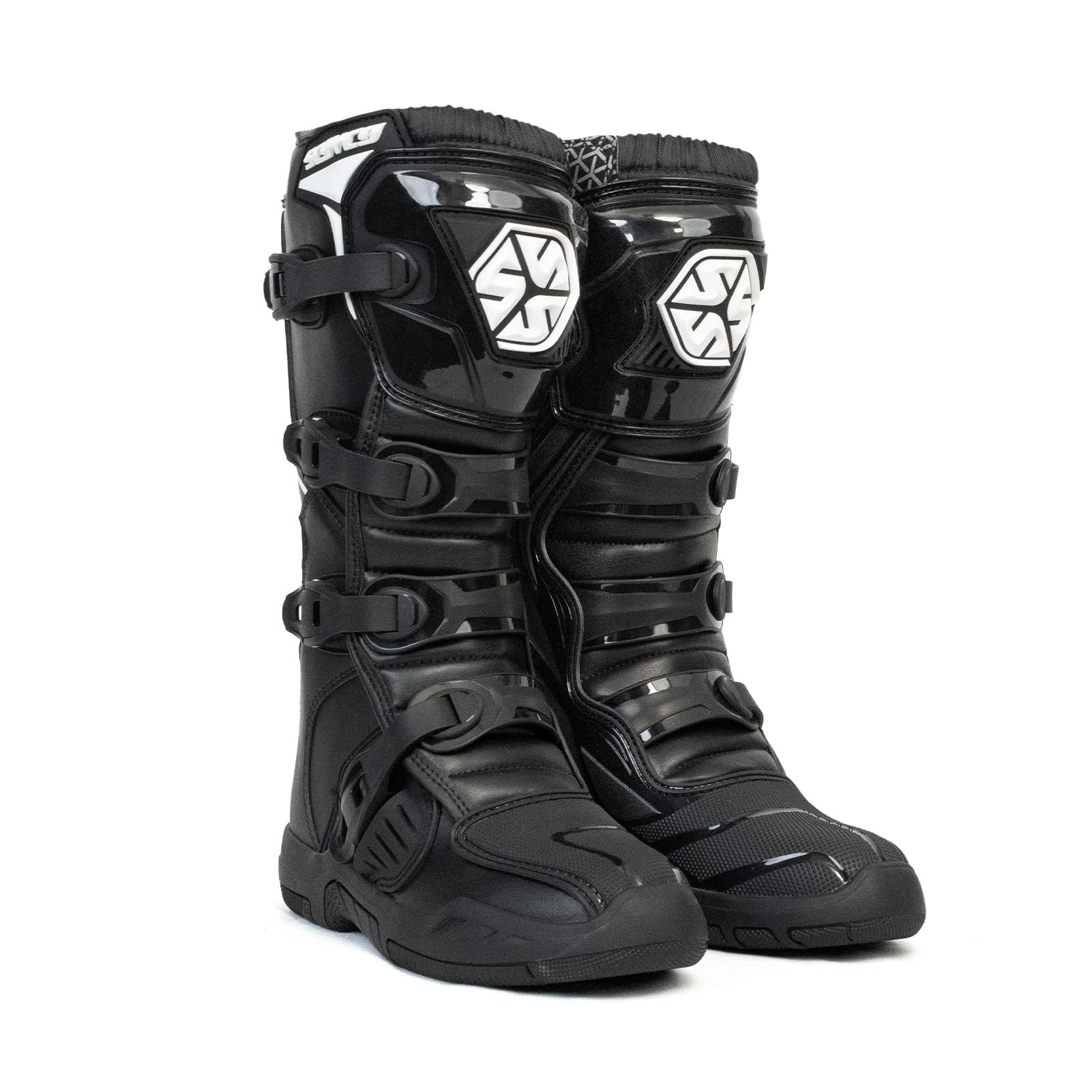


Who Should Buy Which ATV Boots?
Choose for the riding you do most often, because height, weight and stiffness all trade against each other.
Trail Riders Who Cross Mud and Water
You ride for hours and meet ruts, creek crossings and hidden stumps. Choose a tall boot with a sealed membrane, a lug sole and strong shin coverage. The extra height keeps water and gravel out, and a firm shank stops your foot tiring on the pegs.
Utility and Farm Riders Who Step On and Off All Day
You use the quad as a tool, hauling feed, checking fences and towing gear. If your work includes spraying, see our guide to the best atv sprayers for the machine side of that setup. For your feet, pick a mid height boot that opens wide, closes fast and walks well on concrete and packed dirt.
Sport Riders Who Want Firm Peg Control
You ride standing, shift your weight often and brake and accelerate hard on rough ground. Choose the stiffest boot you can still walk in, with a slim toe profile so the shifter and brake pedal stay easy to find by feel. Strong ankle support matters most for you, since your ankles absorb landings and sudden side loads in ruts.
Key Features to Compare
Work through these factors in order. Fit and protection come first, since no sole can fix a boot that hurts.
Fit, Calf Room and Toe Box
Measure both feet late in the day, when they are largest, wearing the socks you plan to ride in. Leave about half an inch ahead of your toes, and check that your heel stays down when you flex your ankle. Check calf room with riding pants tucked in, since many riders size up for the calf rather than the foot. A wide toe box suits broad feet and thick socks, while a narrow last suits slim feet.
Shin, Toe and Ankle Protection
Look for a rigid shin plate, a reinforced toe cap and solid coverage over both ankle bones. These parts take hits from brush, flying stones and the quad itself if your foot slips off a peg. The boot should flex at the ankle for shifting and braking, yet resist twisting side to side. After a hard impact, swelling, numbness or pain that stops you putting weight on the foot needs prompt medical care.
Buckles and Closure Adjustment
Most ATV boots use three or four adjustable buckles over a padded inner flap. Buckles let you snug the foot, loosen the calf for thick pants and open the boot fully for drying. When you compare best atv boots side by side, check that each strap adjusts in small steps and that replacement buckles are sold for the model. Hook and loop straps clog with mud and lose hold, so treat them as a helper for the top strap only.
Sole Grip, Shank Stiffness and Peg Feel
The outsole must grip a wet metal peg and still shed mud when you walk. Deep lugs help in soft ground but can feel vague on the pegs, while a flatter peg zone with siping bites metal better and walks worse in mud. A stiff shank spreads peg pressure across your foot, which reduces arch fatigue on long standing rides. Riders who walk a lot at work should accept more flex for comfort on concrete.
Waterproofing and Breathability
A waterproof membrane such as Gore Tex keeps creek water and rain out while letting some sweat escape, but no membrane breathes as well as plain leather and mesh panels. If you ride wet ground most months, see our guide to the best waterproof atv boots for models built around that need. Dry climate riders can skip the membrane, gain airflow and save money. Water entering over the top stays inside, so shaft height matters too.
Upper Materials, Shaft Height and Weight
Full grain leather resists abrasion and molds to your leg with wear, while synthetic panels cut weight and dry faster after a soaking. Tall shafts of about 12 to 15 inches guard the whole shin, while short boots of about 6 to 8 inches feel cooler and walk more naturally. Weight follows protection, so choose the lightest boot that still covers the risks of your terrain.
ATV Boot Types Compared
Most boots on sale fall into three families, which helps you read the product table above.
Tall Protective Boots for Rough Trails
These are the tallest and stiffest option, built for rocky trails, racing and riders who stand most of the time. They offer the strongest shin and ankle coverage and cost about $180 to $350. The trade off is a longer break in period and clumsy walking. If this family appeals to you, see our guide to the best atv riding boots for dedicated riding designs.
Short Boots for Light Trail and Camp Use
Short boots end just above the ankle and feel close to a sturdy hiking boot with a harder toe and a grippier sole. They suit slow trail rides and camp chores, and they cost about $100 to $180. They leave your shins exposed, so they are a poor match for brush, rocky climbs or fast riding where a slipped peg can strike your leg.
Waterproof Utility Boots for Work and Wet Ground
These mid height boots favor easy entry, walking comfort and sealed seams over racing stiffness. Rubber and leather builds shrug off barnyard mud and wet grass, and most cost about $130 to $250. Their softer soles and lower shafts give less protection at speed, so keep them for work pace riding and wet chores rather than aggressive sport use.
Common Mistakes to Avoid
- Buying your street shoe size without checking calf room leaves the top buckles unable to close over riding pants.
- Choosing short boots for rocky trails leaves your shins open to stones and brush strikes.
- Picking the stiffest racing boot for farm work makes every walking chore slow and tiring.
- Ignoring sole pattern means a boot that walks well in mud may slide on wet metal pegs.
- Wearing thin cotton socks causes blisters and cold feet once the socks soak through.
- Skipping a short break in ride turns the first long trail day into a struggle with sore ankles and hot spots.
How to Make Your ATV Boots Last Longer
Rinse mud off the soles, buckles and seams after each ride, stuff the boots loosely with newspaper and let them dry at room temperature away from direct heat. Heat can crack leather and warp plastic armor, so patience protects the fit you broke in. Once dry, brush grit from the closures.
Condition leather uppers when they look dry, working the product into seams and flex points where cracks begin. Check buckle screws, sole edges and stitching every few rides, and replace a worn strap before it fails on the trail. Store boots upright in a dry place, since a boot folded under gear can crease and rub your shin.
FAQ
How long does the break in period for ATV boots usually last?
Most ATV boots feel comfortable after about three to five short rides. Wear a new pair around the yard and on a brief loop first, and tighten the buckles again after twenty minutes, since padding settles as it warms. Leather models soften more than synthetic ones. If one spot still rubs after several rides, consider a different size or last.
Do ATV riders need waterproof boots for every kind of trail?
No, ATV riders only need waterproof boots when water is a regular part of the ride. Creek crossings, wet grass and rainy seasons justify a membrane, while dry summer trails do not. One point many riders miss is drainage. A boot that drains and dries overnight can suit a multi day trip better than a sealed boot that stays wet inside after one deep crossing.
How should ATV boots fit around the calf and toes?
ATV boots should feel snug around the calf without pinching, and your toes should never press the front when you stand and lean forward. Test the fit by walking down a slope or steps, since that motion pushes your foot forward the way braking does. Bring any ankle brace you ride with, because a brace can add enough bulk to change your size.
How often should ATV boots be replaced?
Replace ATV boots when the sole tread no longer grips the pegs, the ankle area folds easily by hand, or a buckle mount cracks. Those wear signs matter more than age, since a stored pair can outlast a pair ridden every weekend. Also retire a boot after a severe impact that bends the toe cap or shin plate.
Are expensive ATV boots worth buying for casual trail riding?
Expensive ATV boots are worth it for casual riders only when the extra cost buys protection and fit you will actually use. Higher prices usually bring replaceable buckles, better armor and more size options, which help riders with wide calves or broad feet. On gentle trails, racing stiffness above about $250 adds little. Spend first on size and shin coverage.
Final Thoughts
Put fit and protection first, then match sole grip, shaft height and waterproofing to your ground. A trail rider needs height and armor, a utility rider needs easy entry and walking comfort, and a sport rider needs stiffness and control. Use the product table above to compare those points against price before you order.
Chosen with those checks in mind, the best atv boots disappear on the ride, leaving you free to watch the trail instead of your feet. Order from a seller with easy returns and confirm the fit at home.


