
Best Athletic Shoes for Nurses 2026: Comfort for Long Shifts
Disclosure: We may earn a commission when you buy through links on this page, at no extra cost to you. As an Amazon Associate I earn from qualifying purchases. Learn more

Best athletic shoes for nurses: what to look for in cushioning, grip, fit and easy cleaning when you spend long shifts on hard hospital floors.
Twelve hours on hard floors, spills in the hallway and a pace that rarely slows: nurses ask a lot of their footwear. The best athletic shoes for nurses pair soft but stable cushioning with a slip resistant sole and an upper that wipes clean after a messy shift.
The product table compares sneaker style work shoes in a range of prices. The sections below explain what to check, and the questions at the end cover sizing, cleaning and replacement.
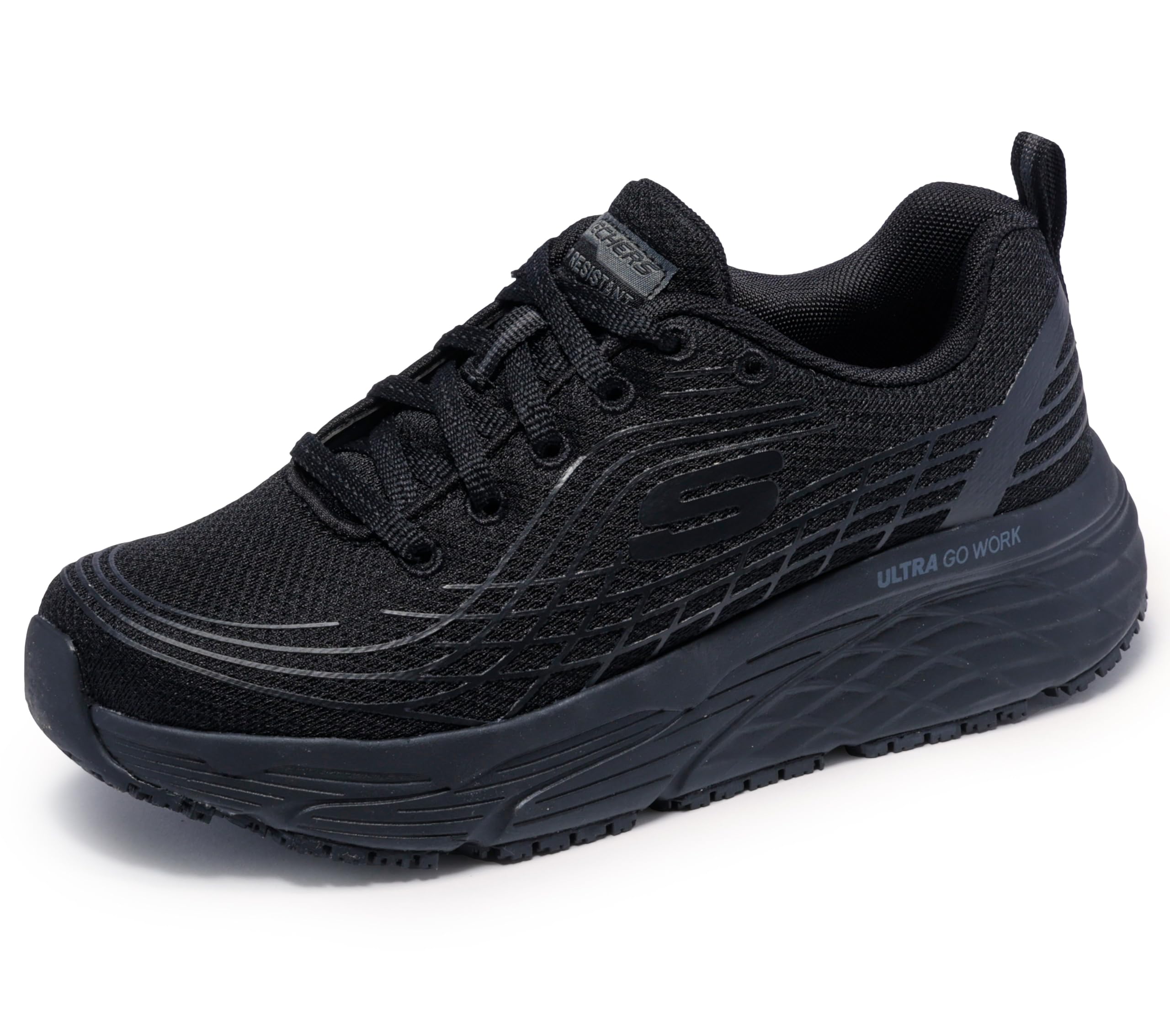
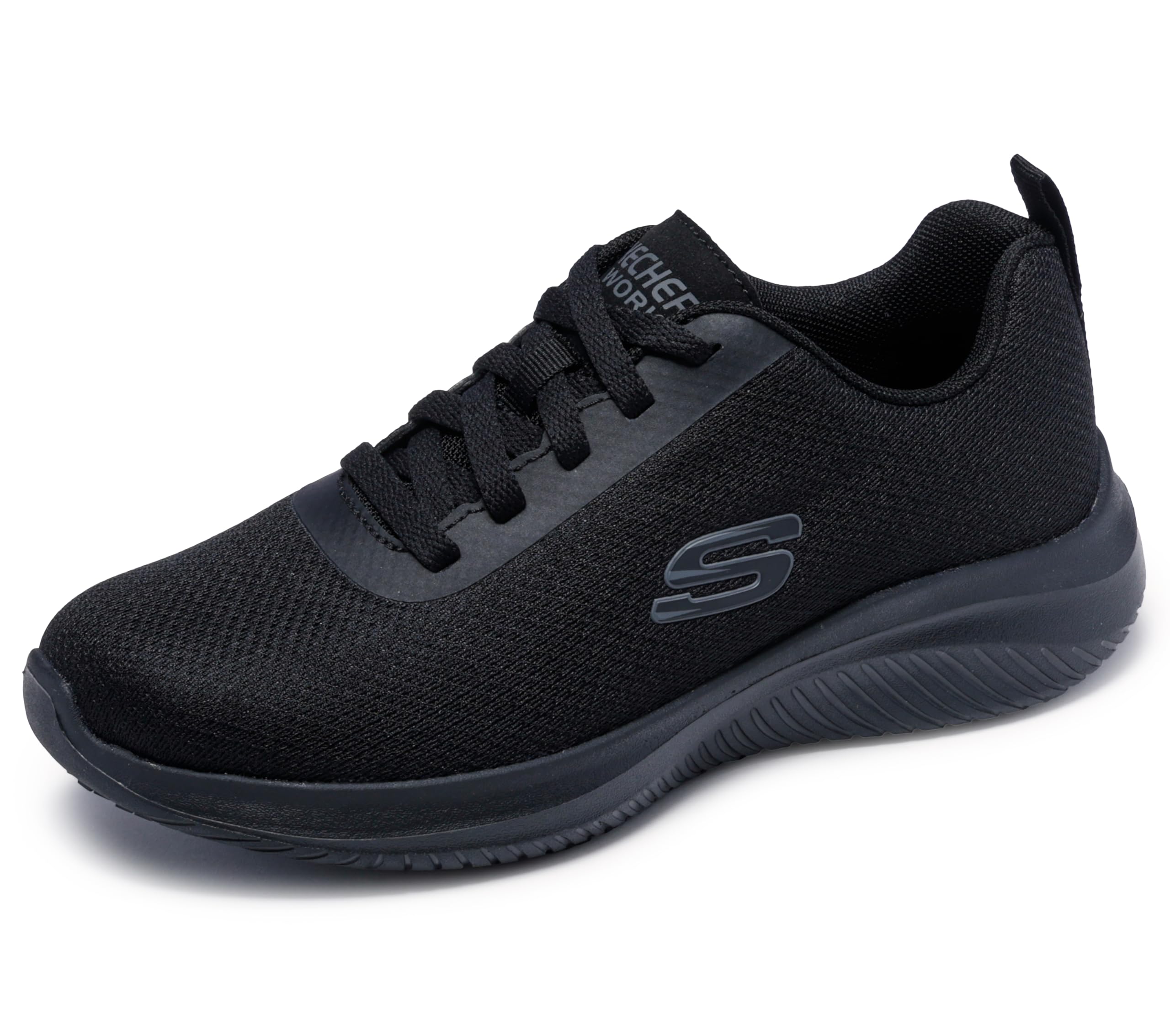
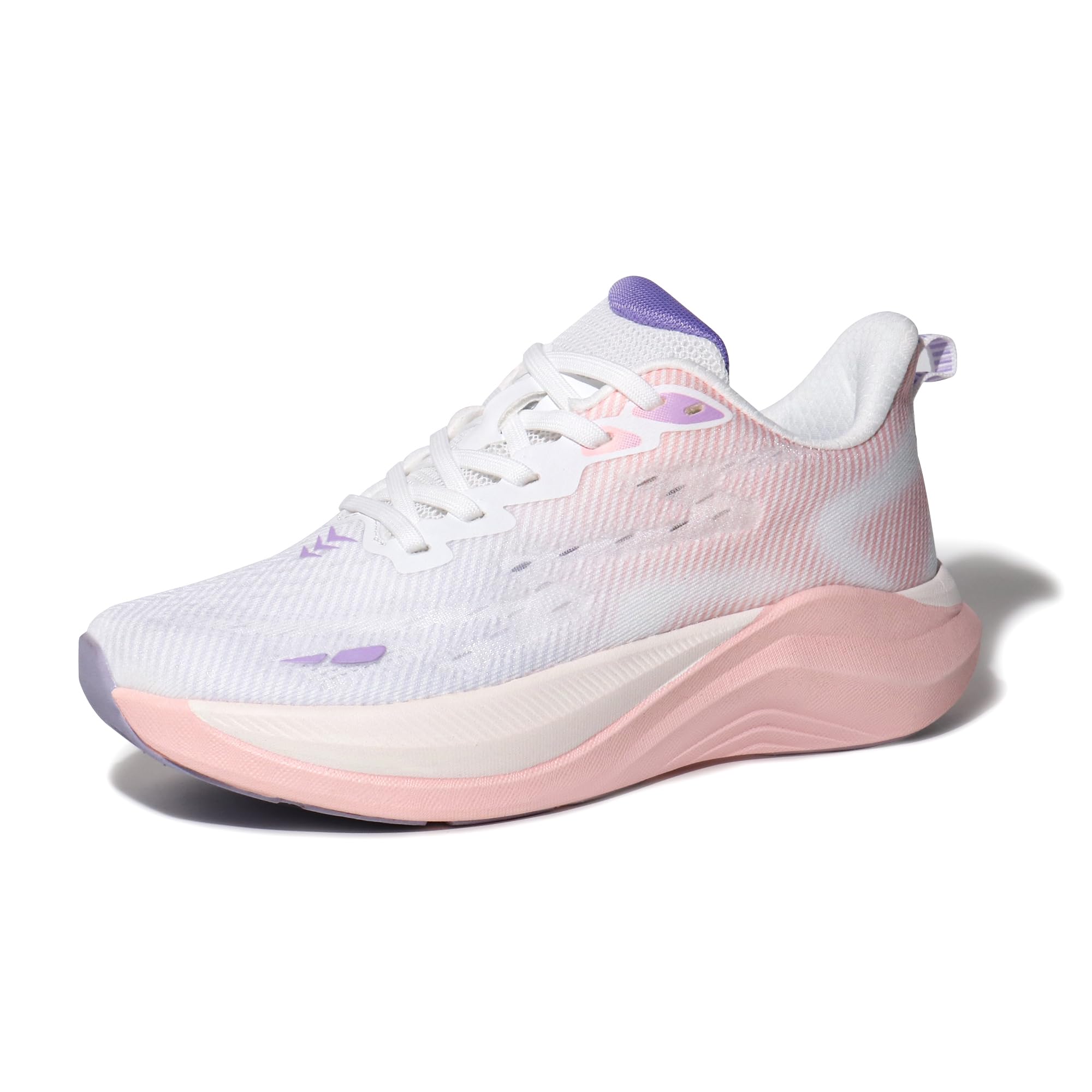


What Makes the Best Athletic Shoes for Nurses
Cushioning that lasts all shift
Soft foam feels great at first but can bottom out by hour ten. Look for a midsole that is cushioned and still springs back, and try shoes on a hard floor, not just carpet.
Slip resistant outsoles
Hospital floors get wet from spills and cleaning. A tread pattern rated for slip resistance, plus a clean sole, gives better grip. Check tread depth often, since worn soles lose traction.
Easy to clean uppers
Smooth, fluid resistant uppers wipe down faster than open mesh. Removable insoles help with drying and hygiene.
Fit that allows for swelling
Feet swell during long shifts, so a slightly roomy toe box and adjustable laces or straps help. Keep the heel snug to avoid rubbing.
Shoe Styles Compared
Lace up trainers give the most adjustability and arch support. Slip on sneakers save time between patients but may hold the heel less firmly. Waterproof or leather style uppers resist splashes, while knit uppers are lighter and cooler. Pick the style that matches your unit and your dress code.
Sizing, Fit and Everyday Use
Measure both feet and fit to the larger one, since many people have one slightly bigger foot. Try shoes in the afternoon, when feet are closer to their end of shift size, and wear the socks you actually wear at work. Leave about a thumb's width in front of your longest toe, and make sure the heel stays put when you take stairs.
Removable insoles let you swap in your own if you use orthotics. If you rotate between day and night shifts, a second pair helps shoes dry and keeps the cushioning fresh longer.
Budget Tiers and Value
Lower priced sneaker style work shoes cover the basics: a slip resistant sole, a cushioned footbed and a lightweight upper. Mid priced models usually add a firmer heel, better arch support and nicer materials. Premium nursing shoes add specialized soles, easy clean materials and longer life. Compare reviews from people who work long shifts, not just first impressions, because comfort in hour twelve is what counts.
Common Mistakes to Avoid
- Choosing soft foam alone, without a stable heel and midsole.
- Wearing shoes with worn tread on wet floors.
- Buying a tight fit that leaves no room for end of shift swelling.
- Skipping a rotation pair, which shortens the life of both shoes.
Spec Checklist for Twelve Hour Shifts
- Midsole stack: roughly 25 to 35 mm at the heel gives a cushioned feel without feeling unstable.
- Weight: about 8 to 11 ounces per shoe keeps legs from tiring late in the shift.
- Outsole: look for a slip resistant rating on the label and a tread pattern with many small channels that move fluid away.
- Upper: smooth synthetic or leather style uppers resist spills better than open mesh.
- Closure: laces suit most nurses, while hook and loop straps or slip on designs save time between rooms.
Choosing by Unit and Floor Type
Emergency, labor and operating room staff often face spills and need the strongest slip resistance and wipe clean uppers. Floor nurses who walk long corridors benefit from lighter shoes with more forward roll. Clinic and office based nurses can usually choose standard cushioned walking shoes. Always check your employer's dress code, since some units require all white or all black shoes with closed toes and heels.
Socks and insoles
Moisture wicking socks with light cushioning cut down blisters, and compression socks can add comfort for some wearers. If you use custom orthotics, choose a shoe with a removable insole and enough depth to fit them.
Care between shifts
Wipe soles and uppers with a damp cloth or a disinfecting wipe approved for the material. Air dry shoes rather than using high heat, which can warp foam and loosen glue.
When to Replace Nursing Shoes
Daily twelve hour wear uses up cushioning faster than an hour of gym use. Plan on replacing a pair after roughly six to nine months of full time wear, sooner if the midsole shows deep wrinkles, the outsole is smooth at the heel or you notice new aches at the end of shifts.
Related Guides
For more picks, see best shoes for nurses and best shoes for nurses female. If you also want a broader look at sneakers, read best athletic shoes, and for stability support see best athletic shoes for pronation.
Frequently Asked Questions
What cushioning suits long nursing shifts?
Soft yet supportive cushioning works best. Foam that is too soft can feel unstable by the end of a shift, so compare shoes with the socks and insoles you will wear.
Why does slip resistance matter?
Wet or polished floors raise the chance of a slip. A slip resistant outsole grips better in those moments, and keeping the tread clean helps maintain traction.
Should nursing shoes be easy to clean?
Yes. Fluid resistant uppers wipe clean quickly, and removable insoles dry faster. Check the care label before machine washing and let shoes dry fully between shifts.
How should nursing shoes fit?
Snug at the heel with room for the toes to move. Laces or straps should adjust through the day. Persistent foot pain, swelling or numbness deserves a clinician's advice.
How often should nurses replace shoes?
Replace them when the cushioning feels flat or the outsole wears smooth. Many nurses track months of wear rather than miles, and a spare pair for rotation helps shoes last longer.
Are clogs or sneakers better for nurses?
Clogs are easy to clean and slip on, while sneakers give a more secure heel and often more cushioning. Choose the style your unit allows and your feet like.
Final Thoughts
Choose for grip, support and easy cleaning first, then for style. Compare models in the product table with your own shift in mind, and the best athletic shoes for nurses will feel supportive from the first hour to the last.


