
Best Athletic Shoes for Walking 2026: Comfort and Support Guide
Disclosure: We may earn a commission when you buy through links on this page, at no extra cost to you. As an Amazon Associate I earn from qualifying purchases. Learn more
Best athletic shoes for walking: what to check in cushioning, flexibility, fit and support for fitness walks, errands and travel, with a table to compare.
Walking asks less of a shoe than running does, but it still depends on a good heel to toe roll, comfortable cushioning and a secure fit. The best athletic shoes for walking are light, flexible at the ball of the foot and supportive enough for the distance you cover.
The product table compares walkers and cross over trainers at different prices. Use the guide below to decide what matters for your routine.




Who Should Buy Which Type
Fitness walkers
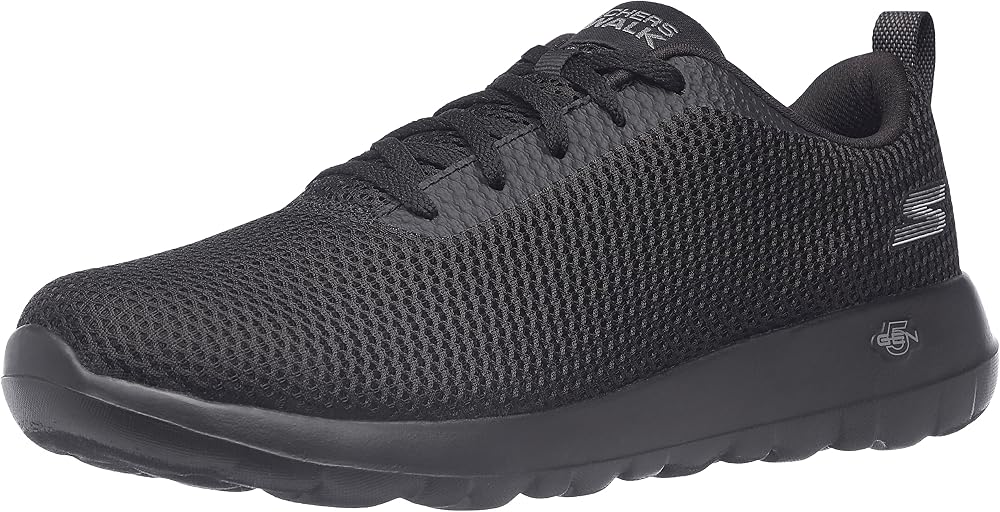
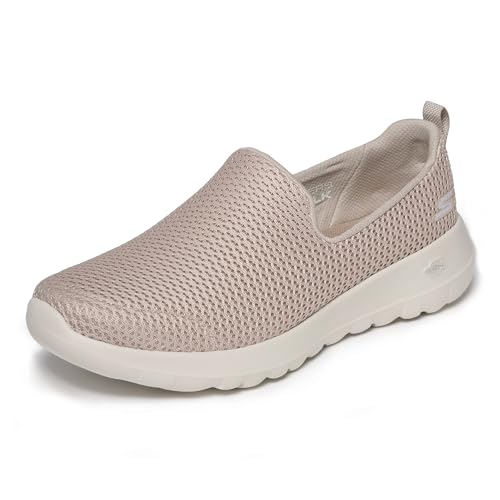
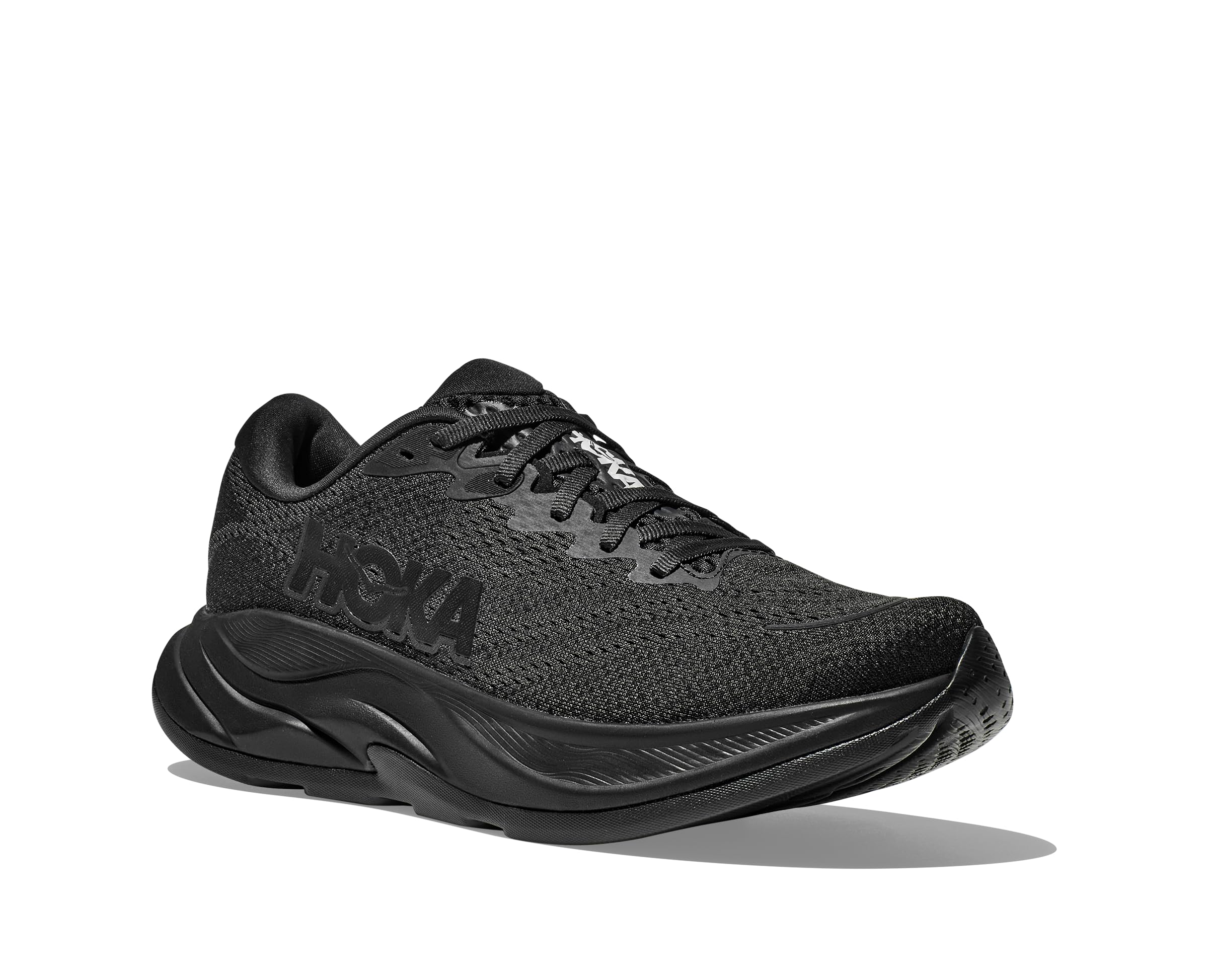
Fitness walkers cover steady distances and benefit from light shoes with flexible soles, such as the Skechers Go Walk range and Hoka Rincon.
All day walkers and travelers
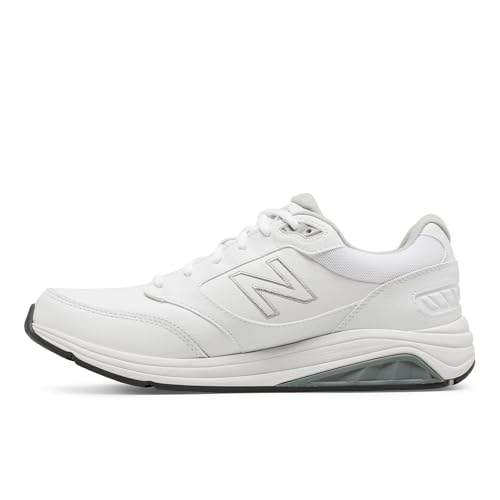
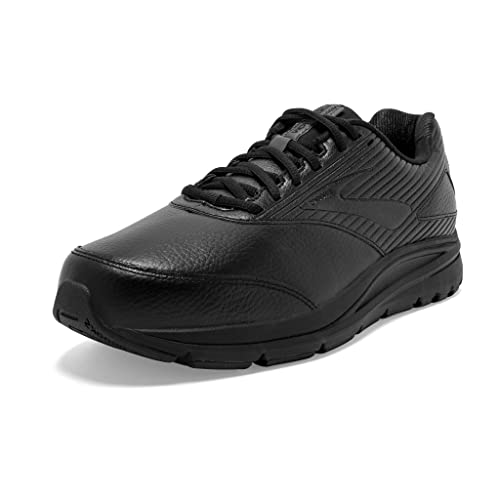
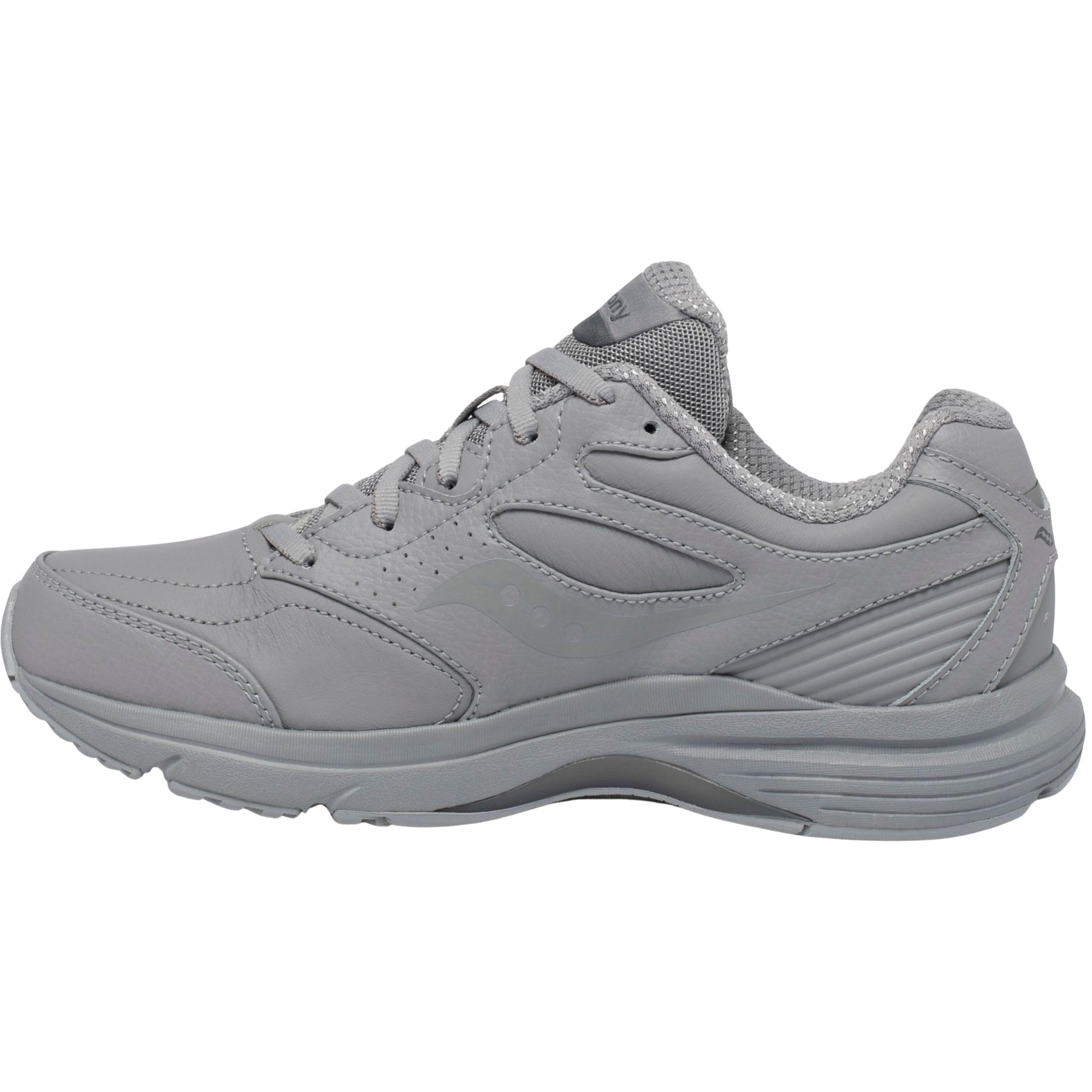
People on their feet for hours prefer firmer heels and more stable bases, like the Brooks Addiction Walker or the New Balance 928.
Casual wearers
A classic cross trainer such as the New Balance 608 gives comfort and lateral support for errands and light exercise.
Key Features of the Best Athletic Shoes for Walking
- Cushioning that feels supportive for your usual distance
- A flexible forefoot that bends easily
- A firm heel counter and secure lacing
- Breathable upper and good outsole grip
- Weight light enough for long walks
Budget Tiers and Value
Budget walkers offer basic cushioning and light weight for short outings. Mid priced models add sturdier midsoles, better arch support and longer life. Premium walking shoes use higher quality leather, stronger support and a wider range of sizes. A mid tier shoe is usually enough for regular fitness walking.
Sizing, Fit and Everyday Use
Feet swell during walks, so shop late in the day. Leave a thumb's width at the toes, check heel hold and look for a wide size if needed. Break in new shoes with short walks, and rotate pairs if you walk daily.
Mistakes to Avoid
- Choosing shoes only by looks.
- Buying a size that is too short.
- Wearing worn shoes with flat cushioning.
Typical Specs for Walking Shoes
Walking shoes usually weigh 7 to 12 ounces and have a heel to toe drop of 4 to 12 mm. Look for a flexible forefoot that bends at the ball of the foot, a firm heel counter and a rubber outsole with a visible tread. Men's sizes run up to 15 and women's up to 12 in the mainstream models, with wide options in the Brooks, New Balance and Skechers lines.
Walking versus running shoes
Walkers strike the ground with the heel and roll forward, so a slightly beveled heel and a smooth roll help. Running shoes are built for higher impact and often have more cushioning and a softer foam. Many people use cushioned running shoes for walking and like them.
Choosing by distance
For short daily steps, a light slip on may suffice. For fitness walking of three to five miles, choose cushioning and a breathable upper. For hiking trails, move up to a trail shoe with a grippy outsole.
Price tiers
Entry walkers cost roughly 40 to 70 dollars. Mid range models run 70 to 120 dollars and add better foam and support. Premium models from 120 to 180 dollars use durable midsoles and refined fits.
Fixing Common Fit Problems
Heel slip
Use the top eyelet for a runner's loop, wear thicker socks or try a heel grip pad. If the heel still lifts after these steps, the heel cup is too wide and another model is a better answer.
Blisters and hot spots
Blisters usually come from friction at a seam or from moisture. Choose seamless socks made of synthetic or merino fibers, and use a small friction patch on a trouble spot while the shoe breaks in.
Numb or tingling toes
This often means the laces are too tight over the forefoot or the toe box is too low. Loosen the front lacing or move to a roomier model. Persistent numbness deserves a clinician's advice.
When to Replace Your Shoes
Replace walking shoes about every 300 to 500 miles. Signs include flat cushioning, worn tread and uneven heel wear.
Walking for Fitness
A brisk pace of about 3 to 4 miles per hour counts as moderate exercise. At that speed, a light, cushioned shoe with a flexible forefoot helps you keep a smooth stride. Add intervals of faster walking on flat routes, and consider a sturdier shoe if you carry a pack or walk on rough ground. Swing your arms naturally, keep your head up and land on the heel rolling to the toes.
Related Guides
Read best walking shoes, best walking shoes for women, best walking shoes for men and best athletic shoes for walking on concrete.
Frequently Asked Questions
Are walking shoes different from running shoes?
Walking shoes are often more flexible and lower profile. Many running shoes also work well for walking.
How much cushioning do I need?
Enough to absorb impact for your distance. Longer walks and hard surfaces call for more.
Should I size up?
Leave a thumb's width at the toes. If shoes feel snug, try a wider size rather than a longer one.
When should I replace walking shoes?
When the midsole feels flat or the outsole is worn. Many walkers change shoes every few hundred miles.
How far should I walk to break in shoes?
Start with short walks of 20 to 30 minutes for the first few days, then build up. Most modern athletic shoes need little breaking in, but a slow start helps you spot rubbing early.
Do walking shoes need arch support?
It depends on your foot. People with low arches often like built in support, while people with high arches may prefer extra cushioning. Try a few models and notice how your feet feel after a long walk.
Should walking shoes be a half size larger?
Many people choose a half size up for room, since feet swell during walks. Check the toe space instead of relying on size alone.
Final Thoughts
Choose comfort, flexibility and support for your route. Compare the product table, and the best athletic shoes for walking will make every mile more pleasant.


